- Season 7 Trailer
- The Jancis Robinson EXCLUSIVE Part 1
- The Jancis Robinson EXCLUSIVE Part 2
- Chile Wines of the Year 2025
- SAN LEONARDO – The insider’s Guide
- The Story of The Billionaire’s Vinegar – Part 1
- The Story of The Billionaire’s Vinegar – Part 2
- Blind Tasting Top 2021 Super Tuscans
- Top of the Pops: Classic Fizz Beyond Champagne
- Rock and Rhône
- Our WINES OF THE YEAR (2025)
- Our BOOKS OF THE YEAR (2025)
- Hugh Johnson UNCUT
- McLaren Vale – Boxer to Ballerina
- McLaren Vale – The Grenaissance
- Peter Fraser – A Tribute
- New Zealand Wines of the Year 2026
- Sam Neill UNCUT
- Giveaway EXTRAVAGANZA + Game-changer Coravin
- Greg Lambrecht UNCUT
- The Story of Stalin’s Wine Cellar PART ONE
- The Story of Stalin’s Wine Cellar PART TWO
Summary
We have awards!
We have good eggs, hot rocks and jailbird vignerons!
We even have acts of civilisation and love.
Welcome to our Chile Wines of the Year 2025…
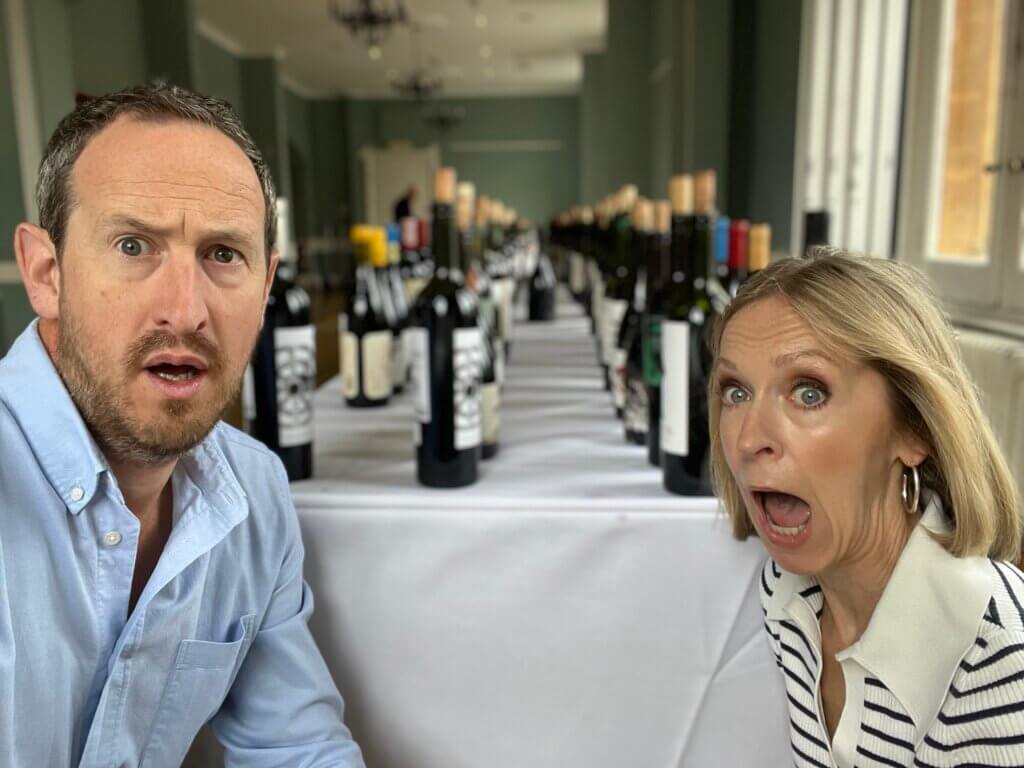
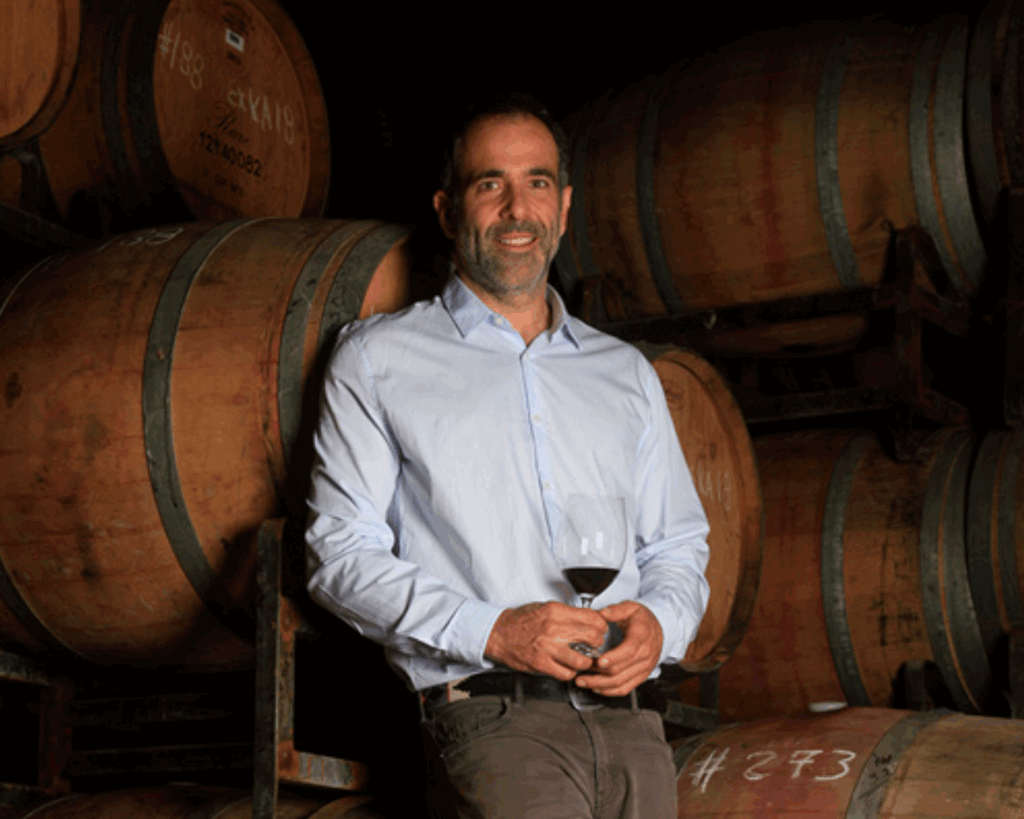
Join us as we chat with stars of the Chilean wine firmament, talking wine treasures with Sebastián Labbé (Santa Rita), the tragedy of Syrah with Mariluz Marin (Casa Marin) and fortifying life goals with François Massoc (Massoc Frères).
We also learn about circular winemaking with good wine vibrations courtesy of Cristián Vallejo (VIK).
Whatever Chilean wine is today, it’s not dull.
With our Chile Wines of the Year initiative, we want to let everyone know just how dynamic and intriguing modern Chilean wine is – a far cry from the dull staples we often see in shops and restaurants.
Alongside the podcast episode, we’re also publishing a free report, where you can find the full lineup of spectacular wines we’ve personally selected this year. Check it out below.
Thanks to Wines of Chile for sponsoring and the wineries for supporting this initiative. And thanks to you for tuning in!
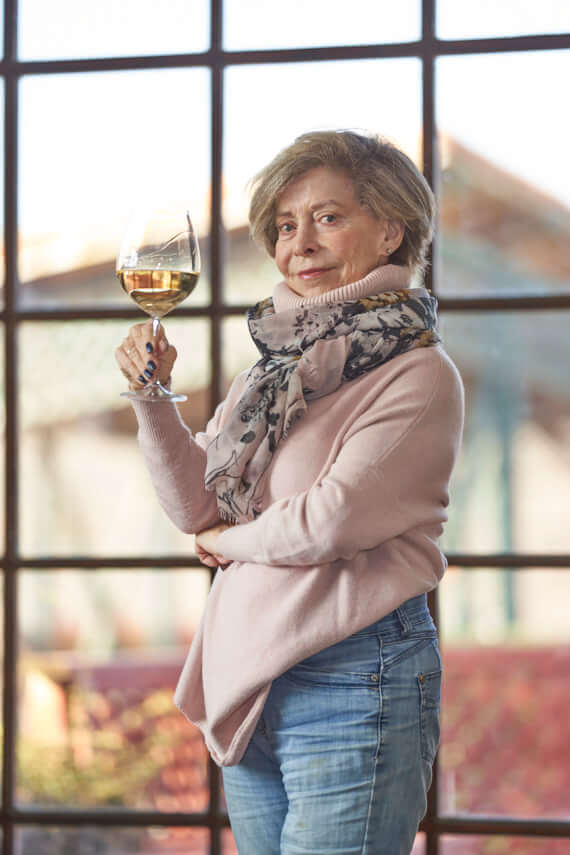
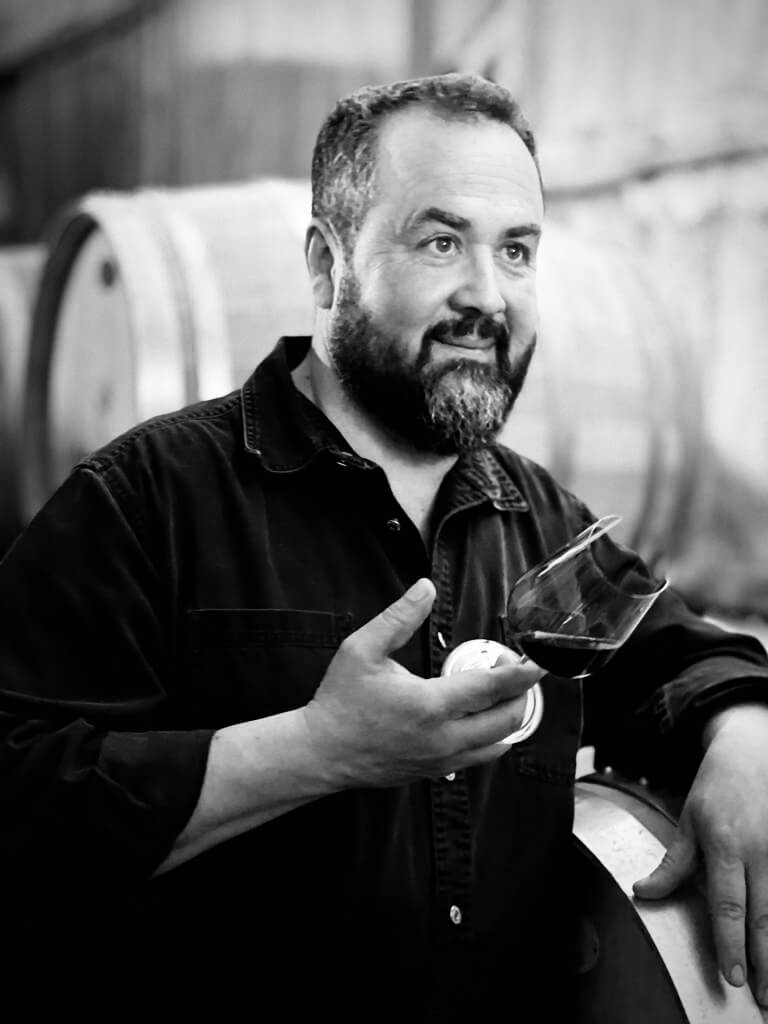
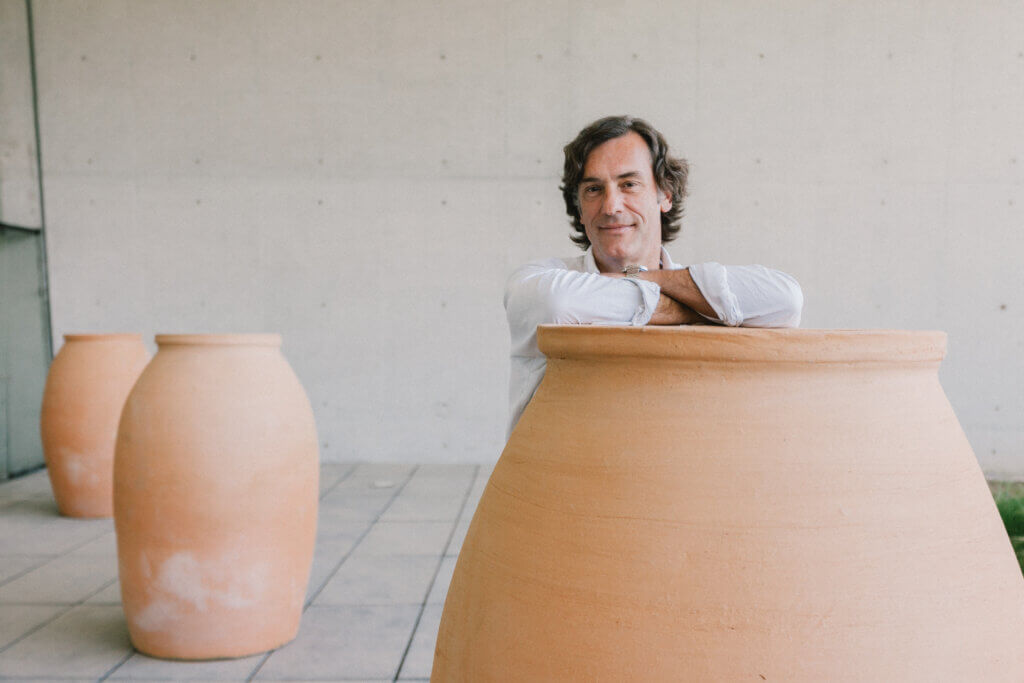
Starring
- Sebastián Labbé, Santa Rita
- Mariluz Marin, Casa Marin
- François Massoc, Atelier Massoc
- Cristián Vallejo, VIK
REPORT
What we don’t have time or space for in the podcast is to include all our Chilean Wines of the Year. That’s where this report comes in.
It’s a full listing of all these spectacular wines, together with tasting notes and scores.
But if that sounds boring, we’ve also made sure to pack in loads of opinion, facts and insights. And we’ve tried to keep the wine jargon to a minimum…
The report also includes a vintage report for 2025 together with a summary of previous vintages. This kind of information isn’t easy to find on Chile, even though these days vintage conditions are having more and more impact on the wines, especially the top ones. So we thought we’d plug that gap.
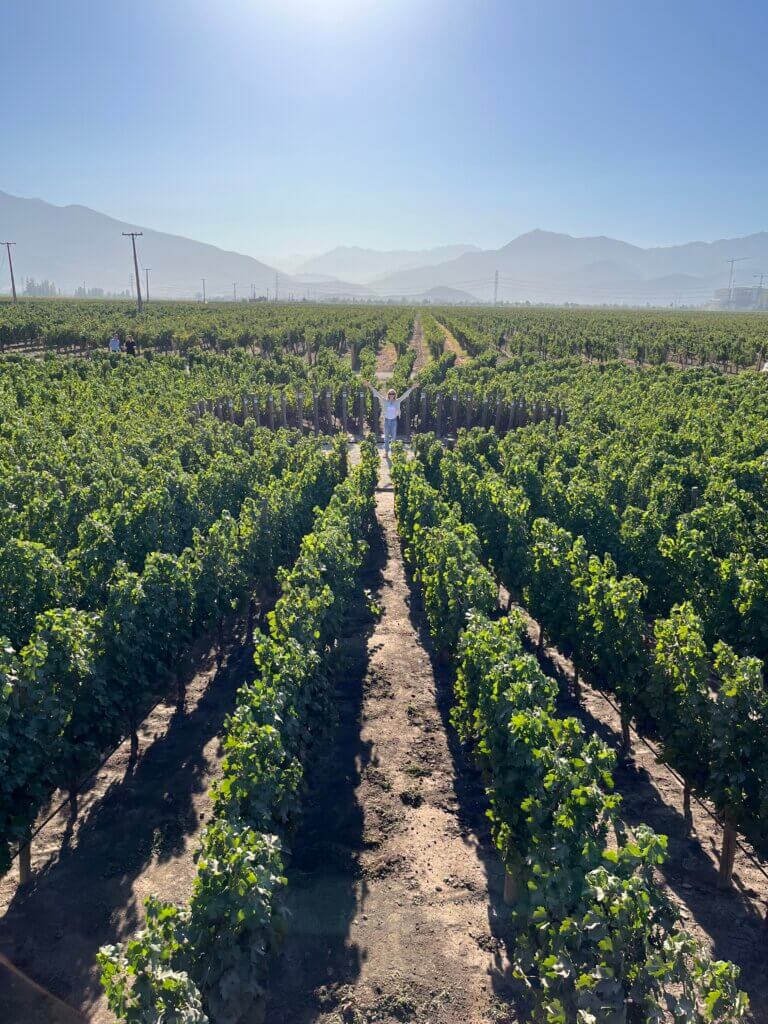
The report also explains how our Chile Wines of the Year initiative works. Essentially, we lined up nearly 200 pre-selected wines in June 2025 and chose our favourites (sometimes after quite heated discussions). Only wines scoring 93/100 and above made the grade, so this is a high bar. There are some epic wines and producers featured in our Wines of the Year and we commend every single one to you.
Based on these results we then chose our top awards. From Best Winemaker to Best Value, Best Producer to Innovation and Discovery. There are some great stories in there.
But enough chatter. Click on the link below to access our Chile Wines of the Year 2025 report.
Chile Wines of the Year 2025 Report
Links
- Here’s a link to check out our 2024 Chile Wines of the Year if you’d like to compare!
- You can find our podcast on all major audio players: Apple Podcasts, Spotify, Google, Amazon and beyond. If you’re on a mobile, the button below will redirect you automatically to this episode on an audio platform on your device. (If you’re on a PC or desktop, it will just return you to this page – in which case, get your phone out! Or find one of the above platforms on your browser.)
Subscribe
Sign up to Wine Blast PLUS to support the show, enjoy early access to all episodes and get full archive access as well as occasional subscriber-only content.
Just visit WineBlast.co.uk to sign up – it’s very easy, and we will HUGELY appreciate your support.

It takes a monumental amount of work to make Wine Blast happen. Your support will enable the show to continue and grow – and we have lots of fantastic ideas of things we’d like to develop as part of Wine Blast to maximise the wine fun. The more people who sign up, the more we’ll be able to do.
We currently have an 15% Early Bird discount on initial headline subscription prices – just use the Promo Code magnum25 when you pay. But it’s a limited time offer – so don’t hang around!
Get in Touch!
We love to hear from you.
You can send us an email. Or find us on social media (links on the footer below).
Or, better still, leave us a voice message via the magic of SpeakPipe:
Transcript
This transcript is AI generated. It’s not perfect.
PRE-ROLL Susie: Thanks for tuning in to Wine Blast! Sign up to Wine Blast PLUS to support the show, enjoy early access to all episodes and get exclusive subscriber only content. Just visit wineblast.co.uk or click the link in the show notes. We currently have a 15% early bird discount, so don’t hang around.
Susie: Hello, you’re listening to Wine Blast with me, Susie Barrie, and my husband and fellow master of wine, Peter Richards. Welcome! So in this episode we are exploring Chile: its intriguing people, sometimes surprising wines, and all round good vibrations.
Peter: Yeah, I mean, more on that due course. We’re all about the good vibrations on this show, aren’t we? Hello and welcome! This is our brand new Chile Wines of the Year 2025 show. We are so excited about this one and we’ve got a fantastic programme lined up for you. Here’s a taster of what’s coming up.
François Massoc: We’re really convinced that Itata is the future of Chilean viticulture and wine. And we are trying to work to prove it. I hope I can prove my point before I die. What makes a good winemaker? Making wine is thinking in other people and in happiness, in health. It’s for me, an act of civilization, of love.
Susie: Okay, so we’re not even two minutes in and we’re already going big on good vibrations, acts of civilization and love.
Peter: I mean, you can’t call this show boring, you know, so much drama, so much love, so much everything.
Susie: Well, beyond the drama that was Chilean winemaker François Massoc of Aristos and Massoc Freres, among other projects. And François isn’t just any old Chilean winemaker. He’s just won our Best Winemaker award in our Chile Wines of the Year 2025 report. So he’s actually a superstar, even though he rather shies away from those sort of labels.
Peter: He’s a total star, isn’t he? I mean, partly precisely because he denies it, you know. Anyway, we’ll be explaining more about our Chile Wines of the Year, including this award and others, in just a moment. Before that, we should say thanks to Wines of Chile for sponsoring this episode and initiative. Also to the wineries for supporting. As ever, though also all opinions and judgments are resolutely independent and entirely our, own. And we commend them to you.
Susie: We do indeed. Yeah, we have some, some fantastic wines, winemakers and wineries featured in our Wines of the Year, our Chile Wines of the year 2025. So in this episode we’ll be hearing from some of the stars in the Chilean wine firmament. Ah, François Massoc, who you’ve just heard, also Sebastian Labbé from Santa Rita, Mariluz Marin of Casa Marin and Cristián Vallejo of Viña VIK And you are definitely going to want to hear what they have to say.
Peter: Yeah. Ah, what we can’t do in this episode is list all of our Chile Wines of the Year. so alongside this programme, we’re publishing a full report on our website. it’s free to download, just use the link in our show notes. And in that report, you’ve got a full listing of more than 100 spectacular Chilean wines of, all shapes and sizes, plus our opinion insight, vintage reports, and a full explainer on our Chile Wines of the Year, project. So do check it out. Did I, did I mention it’s free?
Susie: I think you may have done. Anyway, so talking explainers, we should just recap on our Wines of the Year, initiative. If you caught our 2024 Chile wines of the Year, show, you’ll already know what it’s all about. But essentially, this was a project born out of frustration. whenever we go to Chile, we encounter a dynamic, intriguing, eclectic wine scene. But when we come home and look at the Chilean wine selections in restaurants and shops, it’s often limited to just cheap options or dull staples. So we thought there must be something we can do here.
Peter: with our Wines of the Year. We lined up 200 odd pre selected bottles from the best producers all over Chile and tasted, and retasted and argued. Sorry, discussed. we passionately, we jointly chose our consensus favourites from that lineup to be our Chile Wines of the year, 2025, which are the wines listed in our reports, which we’ll be showing at an upcoming trade tasting and masterclass. All of which, though, are brilliant and well worth trying.
Susie: Yep. So, based on the results of our tasting, we then went a step further and assigned some top awards, like, for instance, Francois’ Best Winemaker Award. And we’ll be hearing more about those in due course. If last year’s Chile Wines of the Year is anything to go by, this one is well worth checking out. after our tasting last year, Victoria Moore wrote in the Telegraph that our selection included some gorgeous wines. And Jancis Robinson, whose exclusive interview we’ve just had on the pod, wrote in the Financial Times,
00:05:00
Susie: it was wonderful to be presented with proof of the dynamism currently evident in Chile’s vineyards and cellars.
Peter: Yeah, well, thank you, Jancis. And thank you, Chile’s Vineyards and Cellars. Now, we’re aware that last year’s podcast was a biggie. I think we got overexcited.
Susie: We always do.
Peter: We know everything, so we’re purposefully not going to do that this time. We’ let the conversation flow, and pick up on key themes as we go along. but one thing we do want to do before we start is something we always enjoy doing, and that’s airing a couple of uncompromising opinions, right from the get go. so are you happy to kick us off?
Susie: It’s always me, isn’t it? It’s always me. Okay. So I’d say that Chile should be prouder of its fizz. You know, it baffles me why Chileans are so reticent to champion their sparkling wines. We visited Chile early this year, and occasionally we’d have a glass of sparkling pushed into our hands, slightly apologetically, or a bottle would be hanging around in the background at a winery. So we made a point of tasting or asking to taste these wines. And these were consistently delicious, you know, across a whole range of styles, from pet nat to characterful traditional method fizz, from north to south Limari to Chiloe. And as fizz lover, we were intrigued. But the Chileans themselves seemed decidedly reticent to push it, didn’t they? I remember one export manager saying, when it comes to putting Chilean fizz alongside champagne, we have lost the war before the battle has even begun. Well, we disagree. You know, there are some delicious chilli and sparkling wines. They’re often really good value, and they’re well worth discovering.
Peter: Yeah, well said. Well said. my turn? You mentioned our trip to Chile, and I have to say, wine people all over the country were really honest about just how hard the wine business is right now. You know, global consumption is stalling inflation, and the cost of living crisis means people can afford less. Geopolitical upheaval means shaky market confidence. One winemaker said, there’s a big frustration in Chile right now. We’ve got better wines than ever, but we can’t sell them. the result is that vineyards are being grubbed up. This is serious stuff. You know, one winery had reduced their plantings by half. You know, so Chilean wine is suffering. I’d, argue, though, that long term, this cycle and these things are cyclical, you know, may end up benefiting Chilean wine, sort of trimming the fat, encouraging growers to focus on what they do best. They just need to keep the Faith, as do we, the people who buy the wine. And the result, you know, could well be a leaner, better Chilean wine scene emerging in the future.
Susie: Okay, so now we’ve got all of that off our chests, we should bring in our first guest. Sebastian Labbe is head winemaker for Santa Rita’s top wines, including their Casa Real Cabernet sauvignon, the 2022 vintage of which won our very prestigious Top Red Wine award. That’s a big deal.
Peter: Yeah.
Susie: And this is a stunning wine grown in Santa Rita’s historic Alto Jahuel estate, which sits beneath the Andean foothills in Maipo Alto, not far from the capital, Santiago.
Peter: When we spoke with Sebastian, we wanted to home in on this singular Cabernet and how he works for elegance and complexity, something that is a hallmark of this wine. one of the things he mentioned as helping was the age of the vines. The Cabernet they used was initially planted in the 1970s, massal selection on its own roots. And then from that material they planted out subsequent parcels in the 1980s. So we’re talking 40 plus year old vines here.
Susie: So I started by asking Sebastian how exactly he goes about making a great Chilean Cabernet for the modern era.
Sebastian Labbe: I think it’s a lot about, listening and interpreting the place being very, in details in terms of what happens on the vineyard. Get that sensation and that, ability, I think, in listening to the nature through the plants and trying to express the season. I think actually in this particular vineyard there is a lot of experience in the old vines that are giving us some very good ideas on how to proceed in terms of, balancing of the vines. And it’s a veneer that I think it balance itself quite well and it has a lot of character and I think, and that helps a lot actually, to, you know, to craft Casa Real in the end. I mean, there’s two sectors which are divided in eight different blocks, and we’ve got around 24 different, very clear, picking lots which are basically the, the colours to do draw the final painting.
Susie: Given there is so much Cabernet in Chile, there must surely be a risk of people just getting a bit bored of it. So how do you keep people interested? How do you keep them coming back for more?
Sebastian Labbe: I think that’s a great question because, and one of the beautiful things about the Alto Jahuel Estate, it’s that diversity of different styles of Cabernet. I think Cabernet Sauvignon does not only have one, one face, it has different expressions. We’re probably a little bit more used to the classical approach that
00:10:00
Sebastian Labbe: we have actually, from the gravelly soils, but even planted in the hillsides, I see more reaction. I see wines that have probably more different fruit profiles. And I think it’s a variety that is much more versatile than when we try to encapsulate in one particular style. So I think it’s a fantastic, expression of different sites and exposures and different types of soils that give them different wines.
Susie: Now, beyond Cabernet Sauvignon and even beyond Santa Rita, what is getting you most excited about Chilean wine right now?
Sebastian Labbe: I think it’s a fantastic scene right now. It’s, new areas being established, probably because we talk about the Limarí for example, in terms of Chardonnay, which I’m super excited of everything that we’re doing up in the North. I’m very also, paying attention to what we’re doing with Carmenere which I think, for me, it’s a, fantastic variety. We’re being gifted with one of the treasures of the world. I think, actually, with all these old vines, Carmenere. And I think the potential of that, it’s massive. And I think also with Cabernet Sauvignon and that you were saying, Susie, that it’s basically classic. I think there’s still a lot to do with that variety in terms of having different styles and proposing new types of Cabernet for different consumers.
Susie: How would you say Chile has changed and evolved in wine terms over the past few decades?
Sebastian Labbe: I think there is more maturity and more understanding of the variety, soils, the way we work those vineyards. I think the concept of wine growing, it’s something that in Chile is much more, adapted to whoever is in the wine industry. So we’re not actually viticultures in one side and then winemakers on the other. Those two bits need to be very connected. I see much more vineyard people getting involved in the wine processing, in the winemaking processing, and I see more winemakers getting involved in the vineyard practises. And I think, it can only have positive results. And it’s the way that great wines are made and the wines are made in the vineyard and only finished in the cellar. And I think that’s something that really marks the new generation and what we see in Chile nowadays.
Susie: Sebastian, huge congratulations once again, and thank you so much.
Sebastian Labbe: Thank you very much, Susie I’m super surprised and very happy about the price. You know, that we do a lot of work and Casa Real takes a lot of our Time and effort and passion. So actually, to get this recognition for us, it’s super, super, important. So thank you. Thank you very much.
Peter: It’s a worthy winner, though, isn’t it? what a wine. You know, it’s been around for years, of course, but it feels almost new wave Chilean Cabernet in its elegance. It’s less about sheer power and more about perfume and poise. It certainly seems to be going that way with every vintage. And Chile needs its new wave cabs, because, as you say, as you said, there’s so much of Cabernet about that there are bound to be, you know, a few that are fairly steady just on that point. More than one in four Chilean vines is Cabernet Sauvignon. It accounts for a massive 28% of the entire national wine vineyard.
Susie: But just going back, you’ve tried elegant old Chilean cabernet from the 70s and 80s, and I’ve tasted it too. And, I think. I think what we’re starting to see is winemakers learning from the past, you know, reclaiming this heritage, working to imbue their wines with perfume and grace and lift as well as intensity. You know, if you listen to what Sebastian’s saying, he’s talking about the importance of details working across the vineyard and winery, the importance of old vines and listening to nature. That’s all very positive. And apparently their consultant, Eric Boissenot, who is involved in some of the top properties in Bordeaux, you know, Eric reckons the Casa Real 2022 is possibly the best they’ve ever made.
Peter: Interesting what you said, too, about being excited about Limari Chardonnay and also Carmenere you know, one of the treasures of the wine world. I could not agree more. You know, Chile has a huge asset in Carmenere, something it can major on in a way that nowhere else can. we’ve got some absolutely delicious Carmeneres across a range of styles in our wines of the Year.
Susie: Yeah, and just going back to the old vines, you know, good to touch on those because it’s something that Chile doesn’t really get enough credit for.
Peter: Totally agree.
Susie: Yeah. Now, though, we’re going to hear briefly from Mariluz Marin. Mariluz is a force of nature. This incredibly resourceful, determined, curious lady is Chilean wine royalty, albeit in the context of a tiny but mighty winery that is Casa Marin in Lo Abarca, just four kilometres from the chilly Pacific Ocean in coastal San Antonio.
Peter: Mariluz got into wine because her dad loved it. but she soon got the bug too. she Worked in various roles across the Chilean wine industry. Always keen to learn more, never satisfied with being stuck in a lab or a vineyard. A, trip to France saw her learn not just about sales and marketing, but also how different terroirs gave a profusion of, of different wine styles. Something she remembers contrasting
00:15:00
Peter: with the somewhat samey wines back in Chile.
Susie: Eventually, she felt moved to set up her own business to make wines with a sense of place. Characteristically, she didn’t do things the easy way. the spot she chose near a childhood holiday home close to the coast, was deemed by other experts at the time to be, amongst other things, too cold, too short on water and too steep. Not one to be easily deterred, however, Mariluz soldiered on. She says the place felt special and she had a strong connection to it. Plus, she pointed out, all the fruit and vegetables that grew there tasted delicious.
Peter: the early days of Casa Marin were hard. she remembers feeling completely alone in her own words. An, emotion no doubt compounded by being a woman in what was very much a man’s world. But over time, the wines have proved her critics wrong. today Casa Marin is one of Chile’s very finest wine producers, making wines of elegance, freshness and inimitable character. Mariluz has now taken a step back from frontline duties, having been joined in the business by her sons, Nicolas and Felipe, and daughter in law Jamie, with grandkids now pootling about the place too. I asked her if this was how she imagined or hoped it would all turn out.
Mariluz: I have to say yes, this is what I wanted to do. That was my dream and I, I, have to work to realise the dream because, I mean, you can have a dream, but you have to work it and to work it for not just one day or two days or month, for years and years. And I think that, you know, it’s been very hard. Peter, is a way that once you start and you cannot go back and you cannot stop. So that gives you the strength that you need to every single day. And if you are doing something that you really enjoy, that you really like every single day since I start this job, I have to say, Peter, for me it’s magic every single day, because it never stops. Every day, different news, different things, different challenges. And now that I am, with my second generation, because I never thought before, you know, once I am old, who is going to, to continue? I, I really, I never thought that. But in one moment I see, oh, they are here and, ah, they are working with Me. And not because I was pushing them. It’s because they just. They just love this, what I was doing. And, so for me, it’s. It’s fantastic. It’s fantastic. And I see that all my family, Felipe, Nicolas, Jamie, they are so happy. They are so integrated. And now I. I could die tomorrow. And I know that everything is already running, and it’s. Every time, it’s better.
Peter: Well, you’re not allowed to go anywhere soon, Mariluz Yeah. So you know, you know Chilean wine very well. You’ve seen it evolve over the years. You know, what have been the most significant changes in Chilean wine, let’s say, over the last two or three decades.
Mariluz: To your mind, so many different, things has been happening. They are such a fantastic wine now. before, it was good wine, but just average wine. Now we are the fourth country exporter of wine in the world. We have so many winemakers and even women winemakers at 30, 35 or 40%. Before, I was the. The first one working in the private business in the area. So for me, all these changes, and now with different varieties, we have so much, diversity. And now with the white wines, that is, you know, taking a lot of, priority now. So we are being known now not just because red wines, because very good white wines, and we have such a diversity of white wines because with our long, coast cool climate, the density that we have is such wonderful turning.
Peter: From white to reds, you make beautiful Syrah. But when we visited earlier this year, you told us, much to our dismay, that you’ve been taking out
00:20:00
Peter: Syrah plantings recently. why is that? And can you promise us that you won’t take them all out, please?
Mariluz: Well, we planted Syrah because people at, those times told me you will need to have red wines because otherwise any importer will not take you just white. And I said, well, which red can we have put here? And I decided for Syrah. And Syrah for me is fantastic, but has two problems, big problems. One is that we don’t have really, at that time, because now the changing of the climate, it’s different. At that time, it was very difficult that they. The ripe was very late, late ripe. And the other problem is that once we have this wine to sell it, sell, it was very difficult to sell Syrah from Chile, especially cedar. That is the way it is. Our cedar. no, very thin with a lot of acidity, vertical. Impossible to sell it. Impossible. So what are we going to do? Just cut it. And with a lot of, you know, I was so Sad, but we did it. And no, we, we left some grapes and some areas with the circa. Because I, I, I, I think. And we think that we really have to have to, continue with our Syrah.
Peter: Final question. What does the future hold for Chilean wine?
Mariluz: I think that the future is wonderful for not just good red or good wine, good whites, different varieties also. So I think that we have a good, good, good future because you will not have to put all the eggs in just one basket to have many, many baskets and good, good eggs.
Peter: Mariluz M, thank you very much indeed.
Susie: Good eggs and not all in one basket. Love that. Talking of good eggs, we should say that the reason we’re featuring Casa Marin is that they won the huge award that is Best Producer this year. This on the back of stunning wines, including their Cipreses Sauvignon Blanc 2024, Miramar Riesling 2024 and Miramar Syra 2015. If you haven’t tried these wines yet.
Peter: You really need to now. Their whole range is a joy to explore, to be honest. But, yeah, just to pick up on that discussion about Syrah, this is a tragedy unfolding right before our eyes. You know, Casa Marin Syra is stunning. Beautiful perfumes, cool climate. Syrah, refreshing and age worthy, packed full of floral, peppery, meaty, olive, savoury splendour. But they can’t sell it, you know, so they’re taking out the vines. You know, this is a tragedy, I tell you.
Susie: But you did, you did secure a promise, didn’t you? It won’t all go.
Peter: I did. Real heard that, didn’t we? That’s on the record.
Susie: I think they just need to hang on in there until the world realises what a gem this wine is and what a joy Chilean Syrah more widely can be. You know, give Syrah a chance, as one winemaker said to us with a smile. because this is an issue you encounter across the board in Chile. You know, the Syrah is fantastic, but people struggle to sell it. And I think you went into this, didn’t you, in your MW dissertation?
Peter: Yeah, actually, yes. yeah, the dissertation was on premium Chilean Syrah. And the key finding was that, you know, I started off by asking a top panel of judges their opinion of expensive Chilean Syrah. And to be honest, they weren’t too keen or frankly, didn’t know what to expect. Then, you know, I gave them a tasting of the best Chilean Syrah on the market and asked them the same questions again and their opinions had completely changed. You know, they were much more positive. So, you know, the key is to get people trying these wines because, you know, they can be sensational, you know, just like Casa Marin’s.
Susie: And on that note, I like the way Mariluz talked about the diversity of Chile and the wines being different as a real strength for the future. Right, we’re going to take a quick breath before coming back for more. To recap, so far, Chilean wine is not without its challenges, from selling Syrah to keeping Cabernet interesting. But growing maturity and confidence amongst producers are resulting in ever more diverse, characterful and elegant wines, a whole host of which we are proud to feature, in our Chile Wines of the year 2025.
Peter: On which note, I’d like to bring in our winemaker, ah, of the Year, François Massoc. Now, if the name sounds French, François blames his dad. he’s Chilean through and through, though, albeit with French heritage and sometimes what you might call a French sensibility, too. Is that fair enough to say? I think you could, he studied. François studied winemaking at Burgundy University. before doing a master’s in Dijon and working in
00:25:00
Peter: France and Israel before settling back in Chile.
Susie: Together with his wife, Noëlle, François runs a winery in Itata, down in Chile’s southern wine heartlands. Their atelier, as they describe it, is where they make their own wines, including Aristos and Masoc Freres, as well as wines for an impressive number of other brands, including an intriguing brand, Sabelle, where they work with inmates at the local jail or penitentiary to make a unique Moscatel, helping offenders upskill and earn some money from part of the profits.
Peter: Such a cool project. now, François has never been afraid of doing his own thing. he’s fiercely supportive of fellow wine growers doing a good job. He’s a vocal advocate of his local Itata region, with its precious stock of old vines. And old vine growers, too, actually, including Pais and Moscatel, grapes he feels have the potential to make wines just as fine as any Pinot Noir or Chardonnay.
Susie: And he’s not afraid of distilling his own grapes to make Brandy and Marc. And a cheeky bit of fortified wine, too. Why not? He currently makes two fortified wines, a red called Fortmidable, which is like a cross between a tawny and a ruby port. And then a white called Adorable or Adorable or just Adorable, made from barrel aged Moscatel, which won our White Innovation Award this year. When I spoke with François I revealed the awards he’d won, including Best Winemaker and this was his response.
François Massoc: That’s a surprise. I’m m very happy. I don’t know if I deserve. Because there’s many winemakers in Chile that I admire and I think they are much better than I. But thank you to give me that award. I’ll try to deserve it as long as my career continue. And thanks a lot.
Susie: well, it’s our pleasure and you really do deserve it. Let’s dive in at the deep end with your wines. Your fortified moscatel from Itata, winner of our white innovation award this year. It’s a wine like no other in Chile. Tell us about how and why that came to be and what your aspirations for it are.
François Massoc: It’s a kind of ah, research and what we think we can do in Itata with Noëlle. We try to do the best, the maximum and to give more value, more diversity to wines that can be done in Itata. We are really convinced that Itata is the future of Chilean viticulture and wines and we are trying to work to prove it. In fact, I don’t know if I can call it innovation because it’s exactly the same technique that port wines as I do with the formidable. But it’s another way to put in value the humble moscatel that people say it’s humble. For me it’s a great great. But you need to find the best way to express all its value. And we try to do the best way that it can be done with good barrels waiting all the time that it needs. And for us the result, it’s very nice. It gives a very good wine that can age a lot. And that’s another way to express the value of Itata.
Susie: Now you say you question the innovation because it’s similar to port, but actually I’d like to know a bit more about the process of making fortified wine in Chile. Because I think for example you don’t buy the spirit to fortify, do you? You actually make the grape spirit yourself.
François Massoc: Yeah, we have a winery with Noëlle, that is the atelier and it’s a winery that is a zero waste winery. we produce the electricity 50% more than the electricity that we use with solar panels. We recycle all the water that we use, cleaning rainwater, everything. And with skins, after the alcoholic fermentation of the reds, we made a very old process that was invented in France to do the piquette and that piquet that it’s a kind of dark rose, low Alcohol wine, it goes to 7 to 8 alcohol degrees. We distillate so we have our own pot still and we distillate and then we really take care of making a good quality product. So we did distillate two to three times. So a part of that goes to age in barrels, French oak barrels and other part of that goes to age in rauli tank, small tank. So we try to use everything so zero waste and making high quality.
Susie: Now historic grapes like Moscatel and
00:30:00
Susie: Pais are a, big focus for you in the South. These grapes aren’t often regarded as having really top quality potential like Chardonnay or Cabernet. Do you think they, they can make top quality wines and if so, how?
François Massoc: I really believe and I’m working on on proving. So I hope I can prove my point before I die. for the moment I don’t have time to die. I have my daughters and a lot of work to do. But we deeply believe in that and I’m sure I will prove my point. That’s my mission in life, having my family happy. And prove my point that you can make a great wine, if you take care of all the inputs, and the principal input is the grape.
Susie: And with País in your mind, what is the ultimate, the best quality, what would the wine look like, taste like?
François Massoc: For me the Pais and it’s not the best expression, the best way to say it, but for me the Pais is a, South American Pinot Noir. it’s a grape that even if it can give you big bunches, as we have very old plants, you can have finest structure and all that great wine needs. And my favourite wines in the world are the Pinot Noir and the Pais can give great wines great. And I think I’m making good Pais and I’m very happy to see other colleagues that are making great work with that and small producers that are serious. They are concentrated on quality. So I hope you find every year more real, world class pais.
Susie: And if you had to say, you know, this is Pais, this is Pinot Noir, what, what is? You had two great wines. What would differentiate the two wines is.
François Massoc: The kind of flavours? Because then it depends. winemaking is like cooking. You can have that input, the grapes and you can decide how you want to, to let the grape express the best of itself. So you can have to compare. You can have some very structured pais, very powerful that can go from for example to compare like a Pommard style in Pinot Noir. And you can have subtle, fine, fruity in the, in the silk Pinot Noir. And then you can go to a Vosne Romane. So that’s what is so wonderful in Pais. You can have different expression and it’s impossible to say which one is the better. It depends on what you want to drink in that moment.
Susie: And what makes a good winemaker.
François Massoc: What makes a good winemaker? Someone with common sense and someone who thinks in other people, not only in himself or staying with his, own ideas. we need open mind people. Making wine is thinking in other people and in happiness, in health of other people. It’s for me an act of civilization, of love. That’s why I refuse the term of natural wine. Wine is human, is civilization, is culture, is love. So we work with nature, it’s a fact, but we work for other people. And it’s a big act of confidence for someone else in other continent to open a bottle, to pay expensive for a bottle, and then to drink. We have a lot of intimacy with that person. So we need to be at, the height of, that confidence that that person give to us.
Susie: How would you define Chile’s identity in wine terms?
François Massoc: Chile is a teenager. We are learning we make different, mistakes, but we’re learning we are finding our identity. And I don’t know if I’m going to see it, but I’m, very confident that will come. I’m optimistic. So for the moment I define Chile as a teenager.
Susie: And what does Chile need to do to get the message out there that, you know, these lovely wines that you are making right now are exciting and unique.
François Massoc: I think that we need more patience to give the place to small producers that can make all those experiences, by themselves. We have so many wonderful people, we have a wonderful country to make great, wines because what we have, no one else have m in the rest of the world. So I think it’s just a matter of time. And it’s excellent
00:35:00
François Massoc: how we find every day, every day, wonderful wines all over Chile.
Susie: François what a lovely note to finish on. Thank you so much.
François Massoc: Thanks to you.
Peter: He definitely has a bit of French lyricism to him, doesn’t he? I love his summary of, of what makes a good winemaker. I mean we should have that on a T shirt or on a poster or what it should be on every wineries. Common sense, prioritising other people’s happiness an act of love. and he doesn’t want to let people down. I mean, you know, how cool is that?
Susie: And he’s such a, he’s such a collaborative guy too, isn’t he? You know, working with Noëlle, working with all the people he makes wine for and with, you know, he says he never takes a unilateral decision. He always wants works for a consensus, is always learning from the people he works with and he makes sure they all have a good time enjoying good wines along the way.
Peter: Yeah, he did mention that sales of Adorable, aren’t, the briskest yet, even though people like it.
Susie: I can understand that. I mean, it’s unique, isn’t it?
Peter: It’s kind of out there, you know, but he’s such a positive, optimistic character, you know, and we would definitely back this way, wouldn’t we? I think it’s just going to take time, together with many others from his stable, to go on and achieve great things. So our advice would be to buy it before it gets big, people.
Susie: Now, all this talk of innovation leads neatly on to our final guest. Cristian Vallejo is longtime chief winemaker at VIK, the Beautiful Winery and Hotel, owned by Scandinavian businessman Alex Vik and his wife Carrie. It’s based in Millahue, Western Cachapoal, and under Cristian has been building a reputation for obsessive attention to detail allied to a creative of innovation that sometimes veers towards the eccentric end of the spectrum.
Peter: That’s fair enough to say. you know, two brief examples of that. Barroir. I hope I’ve said that right. it’s quite difficult to get your mouth around, is a process they developed to make their own barrels using oak from France, but toasted with wood from their own estate forest and fashioned according to their own design. They now have 68 different types of toasting available, VIK apparently, when thinking about how they might incorporate flavours from all over their 4,000 hectare estate, they developed the Fleuroir technique of using tasteless dried flowers to bring different populations of yeasts into the ferments and thus sort of subtly enhance the flavours. All aimed at maximising, the expression of their local terroir.
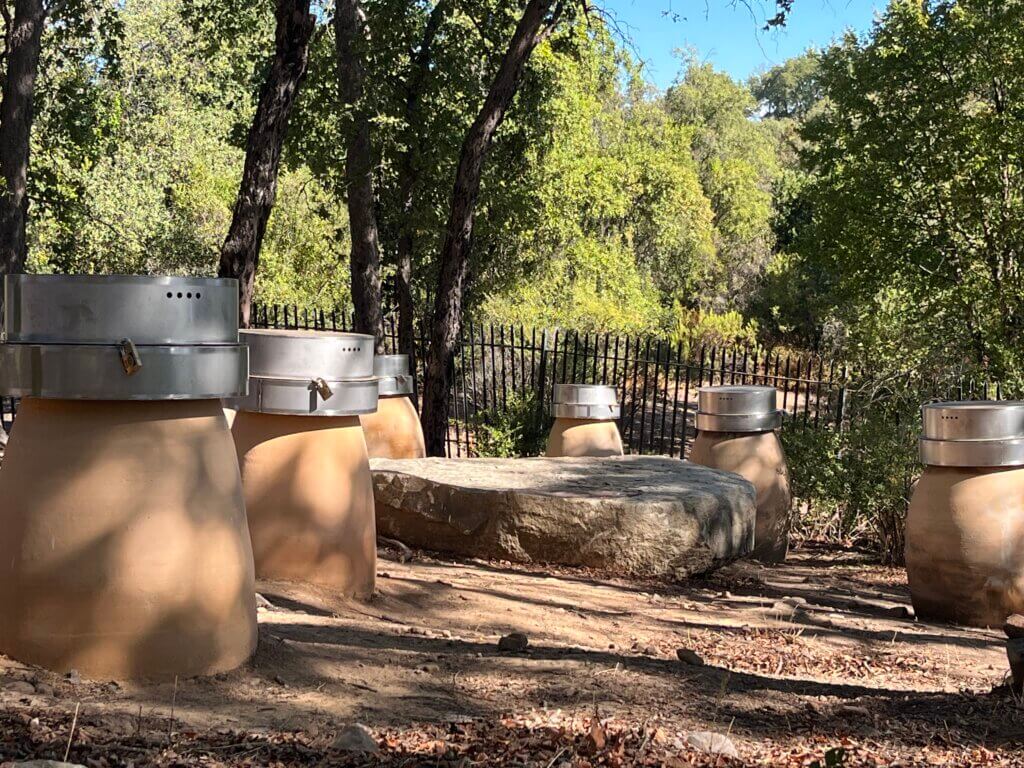
Susie: Finally, there’s Stonevik. Now, Cristián talks about this in our interview, but just to set the scene, at the top of the highest hill on the estate, in the middle of an oak forest, stand 14 clay amphora half submerged in the ground. If Stonehenge had been made by winemakers, this is what it would look like. Christian’s aim is for, as he says, circular winemaking to have Nature involved in the final part of the wine process. The first version of the Stone VIK wine was made in 2023, and the follow up, 2024, features in our Wines of the year.
Peter: Ah, yeah, no shortage of creativity here. Added to which VIK won the Red Wine Innovation Award for their Cabernet Nouveau, A, Cabernet Sauvignon made in the style of Beaujolais nouveau, as you do, deliciously fresh, upbeat, and joyous wine. So I asked him to explain briefly what this Cabernet Nouveau wine is, how the idea came about, and how he feels it’s all turned out.
Cristian Vallejo: Well, first. First is that, our terroir, it has a beautiful influence of the ocean in terms of the wind that comes cold into the. Into the property and that give us that beautiful fruit and beautiful acidity. And, then we. We found that there was a spot in the red wines that it was. It wasn’t filled by Cabernet Sauvignon. You know, it’s a way to show a different personality of Cabernet Sauvignon. Cabernet Sauvignon has a beautiful structure, and people relate Cabernet Sauignon with a strong, big wine, but also could be very gentle, very elegant, very fruity. it could surprise you like this one’s doing. You know, like, sometimes, people said, no Cabernet Sauvignon for me. It’s too heavy or too big. Well, this is the Cabernet Sauvignon. That could be an introduction for you to get into the Cabernet Sauvignon.
Peter: So creativity and an innovative drive is not something you’re short on at VIK tell us briefly about the concept behind Stonevik which, you describe as the ultimate natural wine.
Cristian Vallejo: It is the ultimate natural wine because, it’s 100% connected to nature in every single sense. Not only because we work organic in the fields, this wine, it’s really an expression of our terroir and our passion. In which sense, in 2018, you know, that we start with our, circular winemaking, which is a new concept, kind of a new category in terms of
00:40:00
Cristian Vallejo: a new way to create a wine, just from your property without having flavours from outside and very connected to nature. We make our barrels, we toast it with our own oak. We make our own, amphoras with the clay of the property. We collect flowers to bring the wild yeast all around the property to the wine. And in February 2023, I start to think, what happens if we create a circular wine and the idea was to connect the wine with nature, let the wine to age in nature, and not to age the wine at the winery where we have control the temperature, the humidity, everything. It’s in control by us, the humans. Let’s the. The nature to be the guardian of this wine lets nature to be aware about this wine and protect this wine. And, immediately we thought about our forest on the top of the hills. Because, you know, the forest is a very well natural, balanced place. You know, they are a community and they are connected all each other through the roots. So if we place the wine between, the forest will be protected by, but the forest. That was the beginning of the idea. So we went up there with the team and we found this spot where the trees were forming exactly a circle, which is weird in nature. When we found that spot and we get into that spot, you feel something different, like a connection with nature for everybody was something very unique. The idea was to call, geologists to understand with science what happens there. so he made a research and he found a fault crossed by a water table. And that generates a magnetic resonance, which is a pulse, in circles. That’s why the trees form this circle. And when he present us that immediately Stonehenge became an inspiration. Stonehenge, it’s in an energetic point. Machu Picchu is in an energetic. The pyramids in Mexico are in an energetic point. So we have this energetic point and we thought, okay, what happens now? If we place the amphoras in the same order as, Stonehenge and we connect the amphoras to the moon, the sun and the stars. So everything changed. It wasn’t just the forest now, it was the moon, the sun, the wind that come from the ocean. The soil and everything start to get connected together and the wine will be in contact and connected to nature in every sense. So once we design this and we place the amphoras, that wine, when we take out, we take the wine up there, it’s in contact with the trees, with the moon, the sun. Imagine that the trees there, they approach to the amphora with the roots. The amphoras are clay, right? So something go out and something go in. The oxygen that is going in under the soil brings all the flavour of that place, all the information that comes through the roots getting to the wine. And the other sense, the wine is going out as, a gas, you know, like, water or alcohol. And the roots are taking this and that will be part of the forest. So the forest is giving something to the wine. And we are giving something to the forest through our work in the fields with our grapes from our vineyard. So we connect the native forest and this oak forest, Chilean oak forest, to our wine and the wine to the forest. So this wine, really is an expression of, in every sense of this place that makes this wine super unique and super, super natural.
Peter: Any funky new projects you’re developing that we should know about, Cristian?
Cristian Vallejo: Well, now, this year we start with a new toasting, which is really unique because the Barrois, the toasting that we are doing with our oak, it’s to give the flavour of this terroir from 300 years ago. But now we are doing a, ah, toasting with our rocks. So, we did a research about the mother rock that we have. We found, more than five different rocks that we can heat to over 600 degrees Celsius. So we will toast the barrel with rocks and that will give a little bit more, the minerality of the place and won’t have any kind of, you know, and will be avoid any flavour of coffee, chocolate or nothing because we are not using flame. So that will be super unique.
Peter: Cristián thank you very much indeed.
Cristian Vallejo: Thank you.
Susie: Hard to know how to follow all that. I don’t know whether to make a joke about rock and roll, given the hot rocks, or something about Stonehenge, Machu Picchu and the pyramids. Whatever it is, it certainly isn’t dull.
Peter: Yeah, yeah, it’s bonkers, isn’t it? But in a brilliant way. you know, I pushed Cristian on what difference ageing the wine in this forest made to the actual taste. and he said, you know, that the natural vibrations of the place, together with the fact that it’s nearly a thousand metres above sea level, meaning less pressure, hence more convection movements in the wine, made for kind of more tannin polymerization, hence a softer, rounder feel to the wine. and to be fair, you know, the wine does indeed have a wonderful sort of roundness and lift to it, doesn’t it?
Susie: Just spare a thought for the team who have to schlep up the hill to clean the things, though? I mean, seriously. Anyway, on that thoroughly entertaining note, should we just do a quick rundown of our other top awards from our Chile Wines of the year 2025, before we draw things to.
Peter: Yeah, good idea. Okay, so in addition to the awards mentioned, top white wine is the Bouchon Granito Semillon 2023. Top rose wine is the Echeverria, No Es Pituko Rose Pais 2023 and the top sparkling wine is the Tabali Tatié Traditional method Brut NV.
Susie: Best value white is the Errazuriz Gran Reserva Chardonnay 2023. Best value red is the Mayu Gran Reserva Pinot noir Titon Vineyard 2023. white discovery is the Montes Outer Limits Albarino 2024 and red discovery is the Carter Mollenhauer Viñedo Truquilemu Carignan 2022.
Peter: You can recap on these, plus all our Chile Wines of the Year as well as plenty opinion, stats and info in our full Chile Wines of the year 2025 report, which is free to download now on our website. Just click the link in our show notes.
Susie: by way of closing Summary Chilean wine is a hotbed of innovation and experimentation where precious old vines, often in strange old places, meet brave, imaginative winemakers. Yes, there’s still too much boring Sauvignon and Cabernet, but no wine nation is without its faults or challenges and Chile is one of the fastest evolving wine scenes on the planet. As for what Chile’s identity and future will ultimately be, that will be a fascinating story to follow. To judge by current form, it certainly won’t be dull.
Peter: Thanks to Wines of Chile for supporting our, Wines of the Year initiative and sponsoring this episode. Thanks also to our interviewees Sebastian Labbe, Mariluz Marin, François Massoc and Cristián Vallejo. Huge thanks to our, WineBlast PLUS subscribers. If you’d like to sign up to support the show, get early episode and archive access as well as enjoy bonus content, sign up at wineblast.co.uk or follow the link in our show notes. Finally, thanks to you for listening. Until next time, Cheers.
POST-ROLL: Peter: Thank you for listening right to the end of the programme. you deserve some sort of medal or maybe a glass of fine wine, whatever. either way, if you’re a regular Wine Blast listener, you’ll know we do occasional sponsorships, both episodic and headline. you might not have thought of this, but if you’re involved with a company, brand or region who could benefit from exposure to a top notch global community of wine lovers, get in touch.
Susie: Wine Blast goes out to 200 countries and thousands of listeners. It’s won multiple awards and is regularly one of the highest ranking drinks shows shows in global charts with a knack of making national and international headlines despite being a totally independent production made with a lot of passion and hard graft. If you’d like to support the show and take your message to an ever growing global audience. Get in touch by emailing contact@susieandpeter.com that address is also on, our website. Show notes or you can find us on social media.
00:49:01