- Season 7 Trailer
- The Jancis Robinson EXCLUSIVE Part 1
- The Jancis Robinson EXCLUSIVE Part 2
- Chile Wines of the Year 2025
- SAN LEONARDO – The insider’s Guide
- The Story of The Billionaire’s Vinegar – Part 1
- The Story of The Billionaire’s Vinegar – Part 2
- Blind Tasting Top 2021 Super Tuscans
- Top of the Pops: Classic Fizz Beyond Champagne
- Rock and Rhône
- Our WINES OF THE YEAR (2025)
- Our BOOKS OF THE YEAR (2025)
- Hugh Johnson UNCUT
- McLaren Vale – Boxer to Ballerina
- McLaren Vale – The Grenaissance
- Peter Fraser – A Tribute
- New Zealand Wines of the Year 2026
- Sam Neill UNCUT
- Giveaway EXTRAVAGANZA + Game-changer Coravin
- Greg Lambrecht UNCUT
- The Story of Stalin’s Wine Cellar PART ONE
- The Story of Stalin’s Wine Cellar PART TWO
Summary
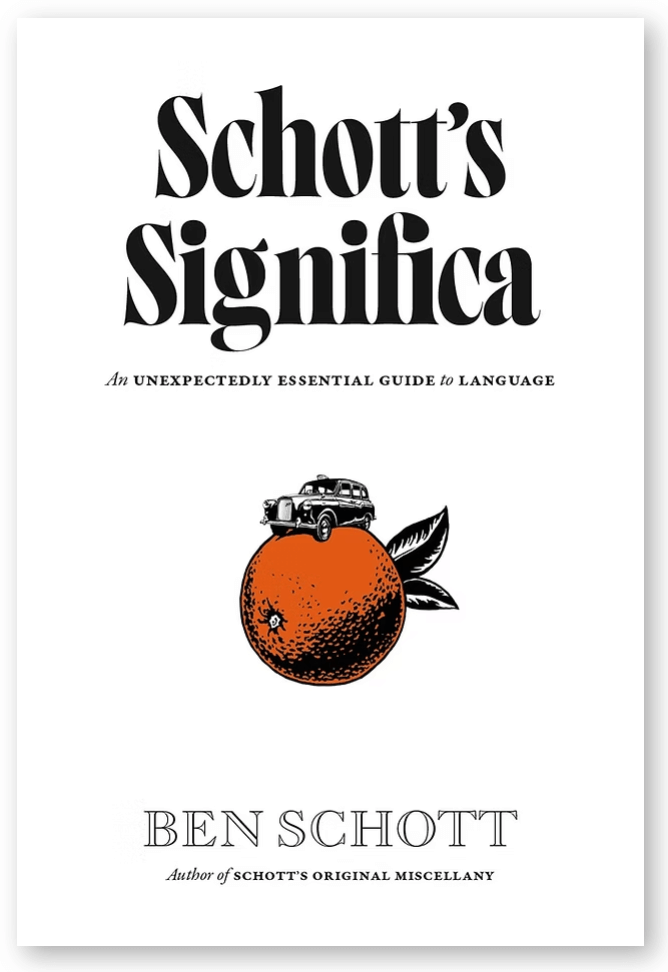
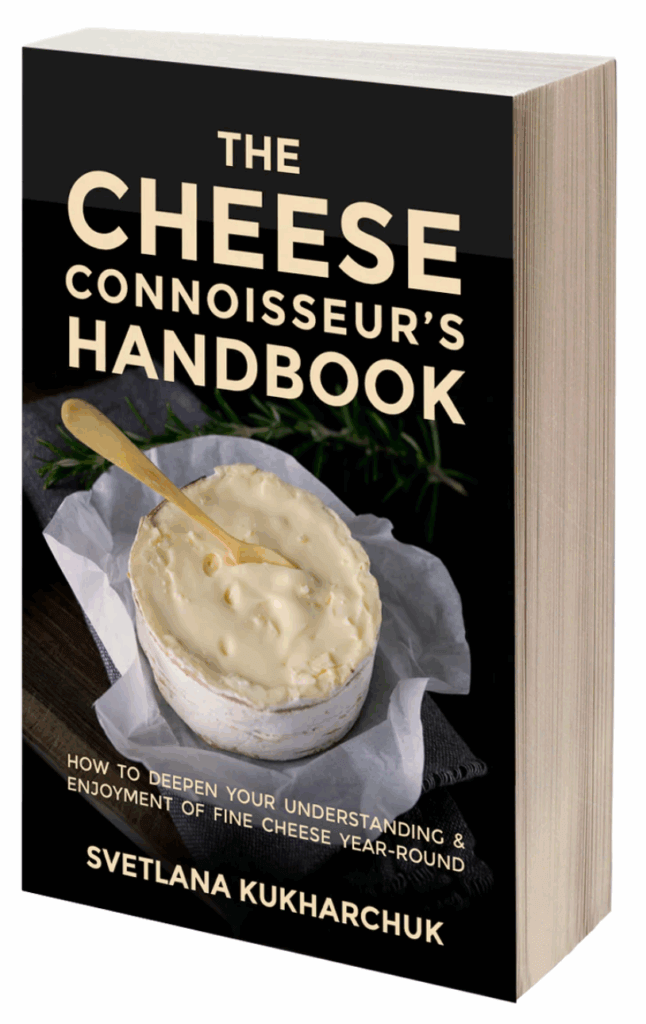
Books that caught our eye this year include Schott’s Significa (yes, ‘forbidden soup’ is as grisly as it sounds), The Cheese Connoisseur’s Handbook (yum) and Wine, Soil and Salvation in the Hebrew Bible and New Testament (biblical).

This is a show of generous proportions.
Partly to give you a chance for some extra listening indulgence.
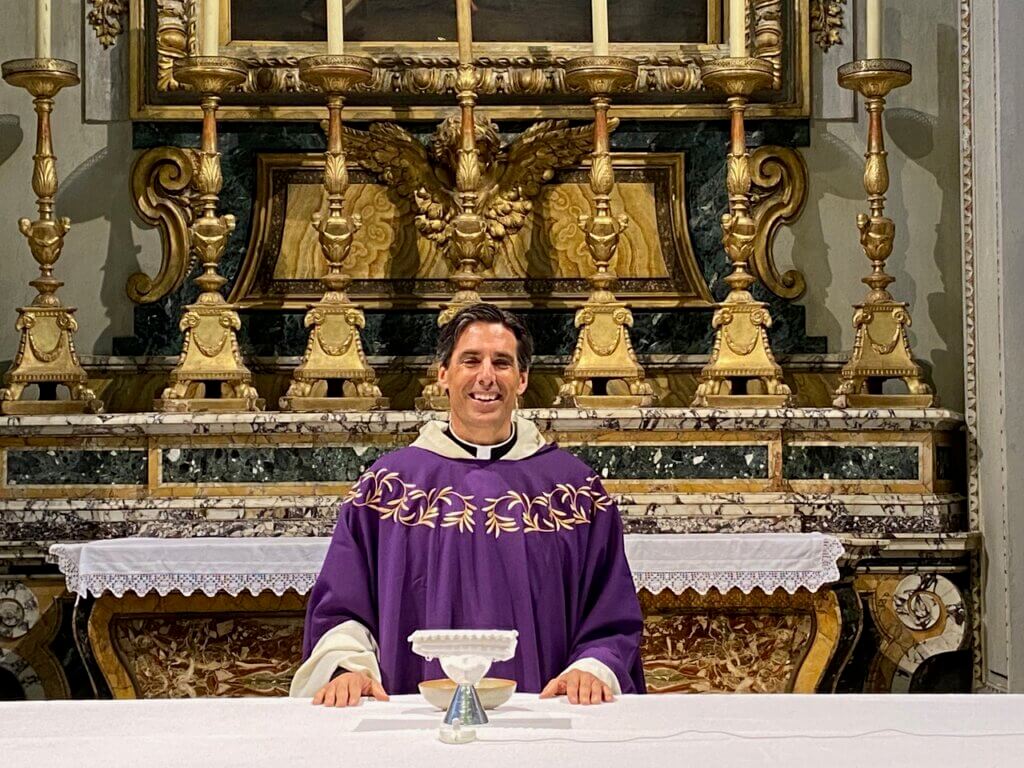
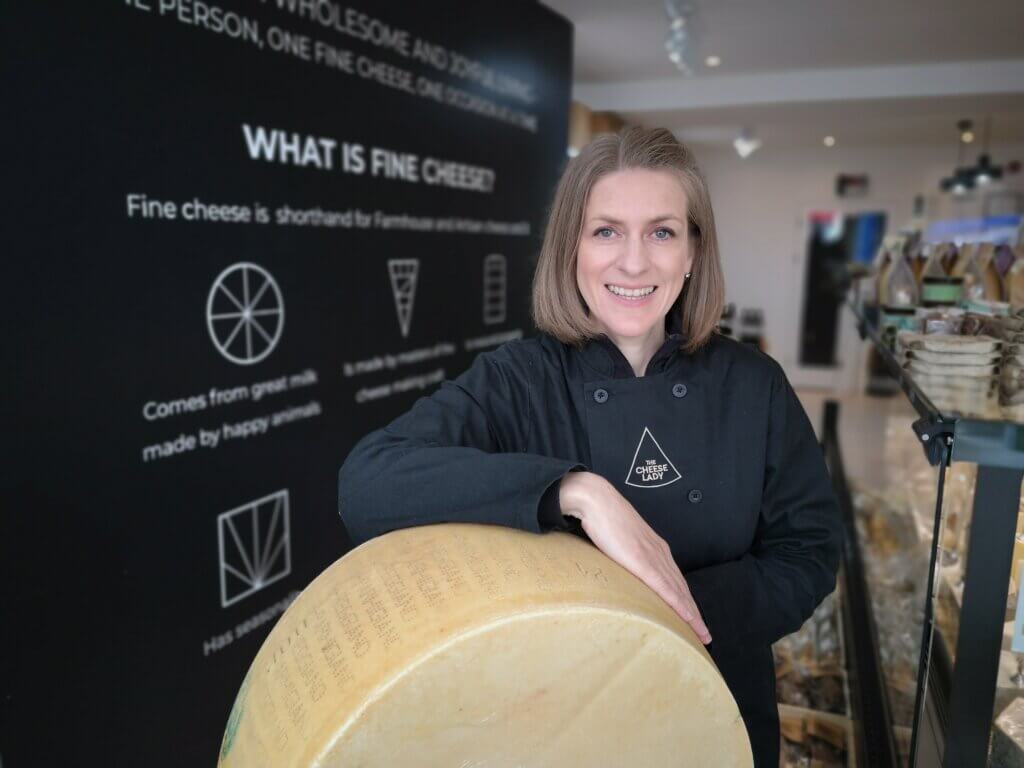
But also to allow us proper time to hear from best-selling author Ben Schott, ‘the cheese lady’ Svetlana Kukharchuk and priest and theologian Mark Scarlata.
Believe us, you’re going to want to hear what they have to say.
So don’t be a wet lettuce – pour yourself a glass and join us!
Starring

Books
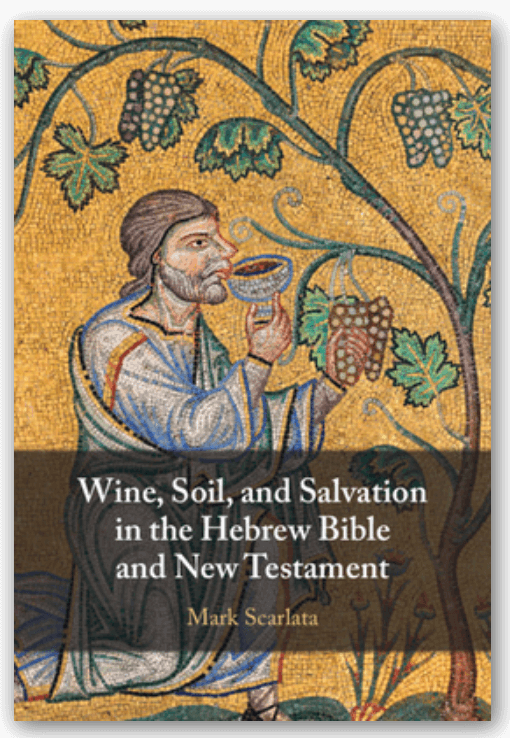
- Wine, Soil, and Salvation in the Hebrew Bible and New Testament, Mark Scarlata
- Schott’s Significa, Ben Schott
- The Cheese Connoisseur’s Handbook, Svetlana Kukharchuk
Subscribe!
Sign up to Wine Blast PLUS to support the show, enjoy early access to all episodes and get full archive access as well as subscriber-only bonus content. There are subscriber benefits coming soon, too.
Just visit WineBlast.co.uk to sign up – it’s very easy, and we will HUGELY appreciate your support.

It takes a monumental amount of work to make Wine Blast happen. Your support will enable the show to continue and grow – and we have lots of fantastic ideas of things we’d like to develop as part of Wine Blast to maximise the wine fun. The more people who sign up, the more we’ll be able to do.
Wine Blast One Million Giveaway
Please click here to access all the information our Wine Blast One Million Giveaway.
By way of brief recap, here are the prizes up for grabs:
- A set of six Jancis Robinson Original wine glasses and a Mature Wine Decanter, courtesy of the Richard Brendon Studio (RRP £408)
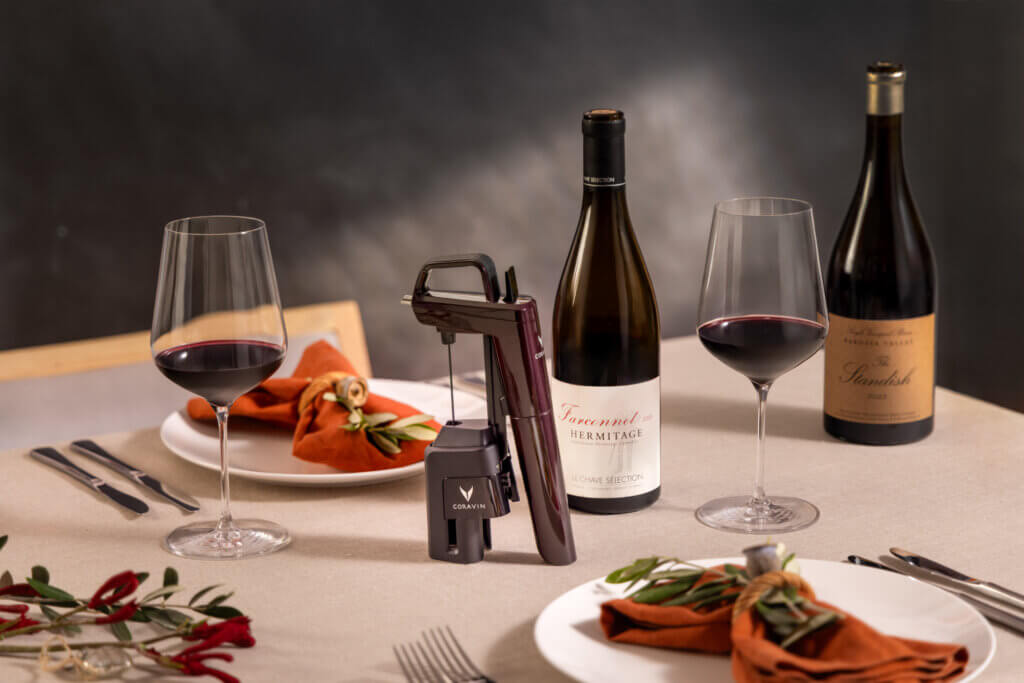
- A Limited Edition Hermitage Coravin Timeless Six+ (RRP £399.99)
- Five bottles of grower champagne (worth c. €300) together with a further €100 voucher to top up the case, courtesy of iDealwine (approx €400)
- Bespoke Academie du Vin Library book bundle including a signed copy of Hugh Johnson’s The Story of Wine (worth £270)
- A year’s subscription to Decanter magazine plus Premium online (worth £183), together with two VIP (Grand Tasting) tickets to either the London Fine Wine Encounter (7th Nov 2026, worth £310) or the New York Fine Wine Encounter (6th June 2024, worth $450)
So what do you need to do to be in with a chance of winning?
Tell us what your favourite Wine Blast episode is, and why.
Alternatively, tell us about a wine topic you’d like us to cover on the pod, and why.
Entries ideally by audio or video clip (MAX 60 seconds, nearer 30 better). Send it to us via Speakpipe or social media (see links below).
Over 18s only. Deadline 31st January 2026. Winners chosen at random. Good luck!
Speakpipe & Instagram links
You can send us a video via Instagram – here’s our profile: @SusieandPeter
Or just click the Speakpipe link below, record your winning entry, and boom, it’s done!
Wines
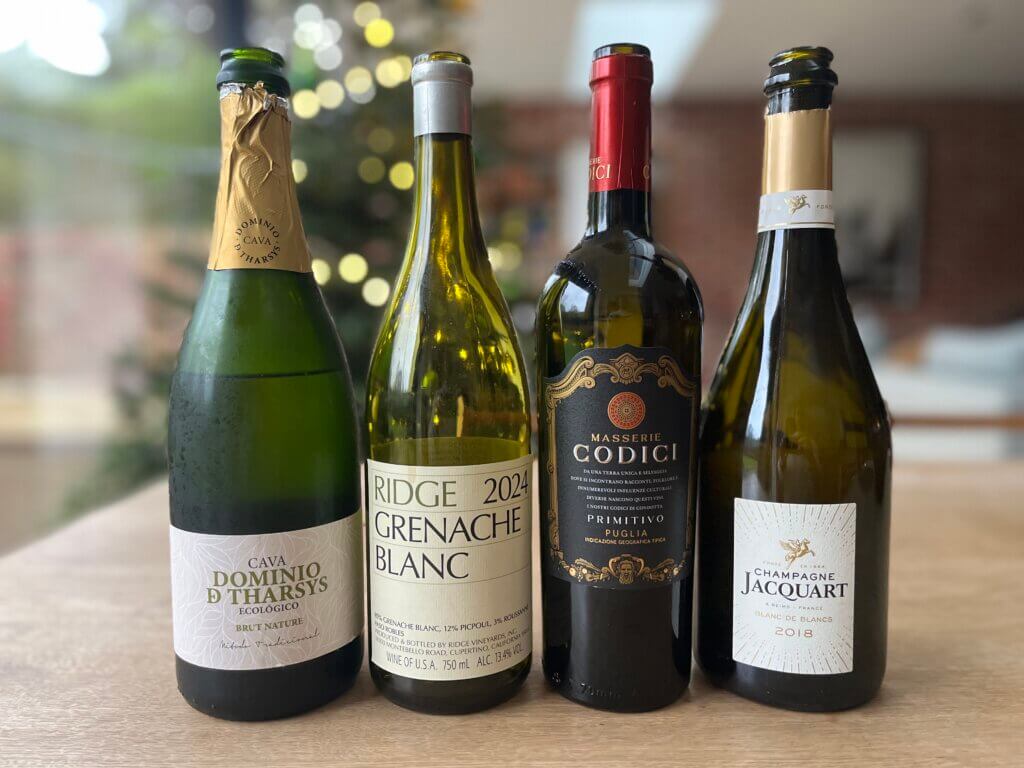
- Dominio de Tharsys Cava Brut Nature, Spain (£13.70, The Cheese Lady)
- Champagne Jacquart Blanc de Blancs 2018, France
- Ridge Vineyards Grenache Blanc 2024, USA (£42, The Wine Society)
- Codice Masserie Puglia Primitivo, Italy (£13.50, The Cheese Lady)
Get in Touch!
We love to hear from you.
You can send us an email. Or find us on social media (links on the footer below).
Or, better still, leave us a voice message via the magic of SpeakPipe:
Transcript
This transcript was AI generated. It’s not perfect.
Susie: Hello, you’re listening to Wine Blast. Welcome! An even larger cheers than usual, partly because this is a larger show than normal.
Peter: Yeah, it’s a super sized show. A giant BOGOF if you like. A generously proportioned show. just in case anyone fancies an extra bit of listening indulgence, which, I think we all do occasionally. Occasionally, yes. Well, hello and welcome to a special kind of Wine Blast episode where we’re diving into the world of books.
Susie: A very literary show and why ever not? Ah, we had great fun with our six Best Wine Books programme back in season five. So this kind of follows in the same vein. we get through a fair few books every year, so we wanted to flag up some of the most interesting, interesting ones for you and hear from the authors too.
Peter: Here’s a taster of what’s coming up.
Mark Scarlata: There’s something about wine that elevates an occasion and I think that’s a beautiful thing. I’ve got to imagine that you and Susie will be in wine heaven.
Svetlana Kukharchuk: Cheese is just an amazing way to slow down and savour life. Cheese makes us happy. Good cheese is good for your body and it’s good for your soul.
Ben Schott: The terroirist is one who seizes the wine list before imposing a bankrupting bottle on the table.
Susie: A proper smorgasbord of voices and views there from respectively, priest and theologian Mark Scarlata, the cheese lady Svetlana Kukharchuk and best selling author Ben Schott, all of whom have brilliant books out that we will be featuring on the show.
Peter: There’s so much to get stuck into, including some delicious cheeses we have in front of us. in addition to the usual bottles, of course. What a treat. but before we dive in, we just wanted to touch on our win. one million giveaway. thanks to everyone who’s Already entered. You are amazing. and if you haven’t entered already, why the hell not?
Susie: Yes, by way of brief reminder to celebrate Wine Blast topping 1 million downloads, we’re running an epic giveaway with amazing prizes including a set of Jancis Robinson glasses and decanter, a Coravin Hermitage Timeless 6, plus a case of delicious wines including grower champagnes from iDealwine, a brilliant book bundle from Academie Du Vin Library, and not just a year’s subscription to Decanter magazine and Premium, but also two VIP tickets to the Decanter Fine Wine Encounter in either London or New York.
Peter: Well over a thousand pounds worth of swag there. thanks to all our generous prize donors to be in with a chance of winning one of these prizes. Get in touch, tell us what your favourite Wine Blast episode is and why. or suggest a topic you’d really like us to cover. Sell it to us.
Susie: We’d love entries to be in audio or video format, maximum 60 seconds. Ideally nearer 30. the more spontaneous the better. You can send it to us on Speak pipe or via social media where you can easily send audio or video messages by using the microphone or video icon.
Peter: Deadline is 31st January 2026. The best entries will go into a hat and winners will be chosen at random. we will need your email and postal address too. Don’t forget that detail all the information and T&Cs are on our website. I will put a link in, show notes.
Susie: Right, enough giveaway frivolity on with a serious business of books. but the first one we’re going to feature, it’s quite fun, isn’t it?
Peter: Yeah, yeah, you’re well said. It’s, it’s not that it’s not serious, it’s just that it’s sort of quirky and esoteric and there’s real humour in there too. So this is Schott’s Significa the latest publication from author, designer, photographer all round, you know, creative genius Ben Schott and it’s fabulous.
Susie: So Significa is Ben’s 14th book. He’s ah, maybe best known for, for his original miscellany and various almanacks. He also did a food and drink miscellany back in 2003. Ben’s quest is to find the ungoogleable information in the world that unlocks subcultures and offers intriguing insights into the many tribes and groups we humans form. From Savile Row Taylors to Taylor Swift fans. he calls it pinning the thorax of the butterfly of language before it flies away.
Peter: Also that’s Quite a nice turn of phrase, in case you weren’t. He credits this interest to his father, a neurosurgeon with a tendency to, and I quote, follow the footnote. In other words, finding fascination in the minutiae of life, which can actually end up being more interesting than the main headline. He calls it taking an idea for a walk. just as he defines Significa as an exercise in empathy, not walking a mile in someone’s shoes, but talking a mile with someone’s words.
Susie: Significa is relevant to us winos because Ben touches on food and drink culture quite a bit. As we’ll hear. In essence, the book is a collection of quirky linguistic terms and definitions that bring subcultures to life, including the world of sommeliers, or ‘somms’, as they’re known in America, where Ben spends some of his time. And we thought it would
00:05:00
Susie: be fun to share some of the highlights.
Peter: To start, though, we wanted to get an insight into Ben Schott the person and his relationship with wine, of course. So I asked him, After 14 books, how does he celebrate when a new book comes out? And I said, I hope it involves wine.
Ben Schott: Well, I mean, it just involves better wine. I celebrate. I tend to celebrate by thinking, right, well, now what? Any kind of freelance activity, creative freelance activity, is feast and famine. You have everything to do, and then you suddenly have nothing to do. And so the trick is to, pick yourself up and say, right, okay, from whole cloth. What’s happening next? And I’d rather enjoy that process. but, yeah, wine does help.
Peter: Now, Ben, you also take a healthy interest in food and drink. You published Schott’s Food and Drink Miscellany in 2003. I believe. Where do you stand on wine?
Ben Schott: Never stand on, you know, it tends to increase the ullage. I’m a fan. I mean, I don’t know a huge amount. and what I tend to do on a wine list is I look for friends. you know, you’re like, oh, they have Musar. Well, that’s interesting. You know, never say no to that if you see it on a wine list. So I tend to. My. My palate is quite limited to sort of France and Italy just because of knowledge. And it’s a huge wide world out there of wine. I’ve come to know quite a few somms from writing and being in sort of New York and, you know, taking it. So the one thing I learned. So there’s a section in Schott Significa about the language of sommeliers, which I’m sure, we’ll come on to. But the one thing I learned from talking to like a dozen of the best somms: Aldo Somm and Dustin Wilson and Pascaline Le Peltier, I mean, these are just big names and they’re lovely and they shared their time and expertise. The one thing I took away from this is if a restaurant has a somme, you should never pick the wine yourself, ever. Even if you know a lot about wine, which you don’t. Even if you’re a sommelier, which you probably aren’t, you don’t know what they just got in. That’s not on the list. So, you know, and I think people are scared by somms because they think they’re going to be upsold. They think they’re going to be banged, as they say in the trade. And this is exactly what Schott Significa is about. It’s when you enter a world where you’re interacting with experts, but you’re not an expert. And they have a language and a mindset, and it’s really that moment of interaction that I find so pleasing. and that’s why, you know, somms are a great example, because they hold this knowledge that can totally change your meal. And I’ve been with soms, you know, if I’m dining by myself, they’re like, listen, I, you know, we got this bottle. They didn’t finish it. Do you want a glass of it? And you’re like, yes, of course. Always say yes. So that’s. That’s kind of the mindset is there’s expert knowledge. And rather than just kind of like, blank it out, if you dive into it, you really get to understand how people think and work.
Peter: And now. So let’s talk about the book then. Schott’s Significa on which congratulations You dive into 53 linguistic subcultures, some of which we’ve talked about, competitive eating to horse racing, Starbucks auctions, taxis, stunt performers, Taylor Swift, US Politics, the manosphere, influences, dog walkers. so what I suggest we do, if this is all right, is we just touch on. I’ve chosen a couple of subjects. and I would like to just go through them if we can, and maybe if I introduce the subject and then you can. You, can run through a few of the definitions. We can’t obviously include them all, but we could just do a, dip in.
Ben Schott: There are 6,700 definitions. I’ve got the time if you have.
Peter: We could speed you up really quickly on times five, but no, we won’t do that. So we’re going to start with boomerangs behind bars, if you can. Ah, so the bartender slang of some notable drinking establishments, which you’ve clearly done your research there. Could you just pick out some highlights from that section?
Ben Schott: So within the bar world there are certain terms that kind of everyone uses like 86, you know, you’re out of and whatever. But each bar I’ve discovered has its own language. So overstory. A very elegant bar in Manhattan just down the road from where I now have, has the phrase cranston, a guest who orders like they’re stuck in the 80s. So it’s like Long Island Iced tea. A mudslide, I’m sure. You know, you know, a long comfortable screw against the wall. I mean I’m not quite sure what that is. so, and then we have miladies also in Manhattan they have the term campers. Campers who are guests who have stopped ordering but show no signs of leaving. weather up. has startender, which is a bartender whose ego exhausts his jaded and expert colleagues. They also have Irish exit which is leaving the bar without saying goodbye or paying your tab, which I think is horrific. Slur against the Irish. Surely that’s the French exit, much safer. Bar Leone, which is number one if you, if you, if you believe the, the latest bar rankings. They have kk, which is their term for a nerdy barfly in the house. They also have the situationship I like, which is when a girl or a guy is hitting on, on a, on a team member.
00:10:00
Ben Schott: Ah, Brooklyn Social has the soul stealer, which is a barfly who comes in usually when it’s quiet and sucks out of the barman’s very core with his depressing, self centred chat. and they also have book club, a group of almost exclusively women who drink almost exclusively white wine excruciatingly slowly. but my favourite on the bar slang is actually the boomerang. So the boomerang is a real insider term. And a boomerang is when a bartender mixes a drink, puts it into a glass and wraps it with cling film or puts one of those rubber gloves over it and sends it with a guest to another bar. So say you’re at, ah, you know, Peter McManus M Bar and you’re going to go to PDT. The barman will create a boomerang, wrap it in plastic, give it to you. So bartenders can have a drink at work with other bartenders across the city, across the country. There’s storeys of people putting it in, like jars and sending it across the world. So they’re like ferrying cocktails in contravention of many, many laws and bylaw. and it’s just. This is a great little term and of course they send one back and hence the boomerang.
Peter: This is learning at the very sharp end of things. So let’s move on to somms then. So your chapter double decanting the tattle of the Somm, about sommeliers. Maybe pick out a few of those for us as well.
Ben Schott: Well, I mean, this was, this was, this was such fun because obviously you get to drink with them. so, you know, they have all sorts of terms for, you know, types of customers. So there are needy or high touch customers, people who need a lot of somm love. There are cork dorks who, you know, order the strangest, weirdest, most orange wine on the list. There are increasingly, you know, iParkers. So obviously Robert Parker was, you know, a certain. For certain people are kind of God of a certain type of big red wine. So the I Parker is one who like, checks out the scores on their phone and compares prices around it. My favourite story about the somm, by the way, is. So I originally wrote this. It started off as a piece for a newspaper. And, one of the terms is the. We have like the big ballers and the extra big ballers and the extra big ballers. The ebb. And it’ll be kind of. Maybe it’ll be in their reservation is someone who can spend, more than $100,000 on wine in a single meal. The fact checker for this piece emailed me and said, I think you mean 10,000. Obviously it’s just a typo. So I wrote back saying, no, 100,000. And they wrote back saying, I kind of don’t believe you. So I emailed one of the somms, who I’m not going to name and say, hey, can you confirm that people spend $100,000 on wine at a meal? And they wrote back, not infrequently. And I think I just, I think the fact checkers, you know, just brain exploded. It’s like, that’s what, double my salary on wine at a single meal. And it’s like, yeah. And that’s why they have these enormous wine lists, because people want to have, you know, the Sassicaia or the, you know, the big Burgundy, whatever. I mean, that’s what. And then it becomes a, you know, an ego thing and a show off thing. Anyways, there’s a whole other world. But, you know, this is what you discover. This is. This is. But, you know, and then on the. The other end of the scale, you have the. The. What they call the dolphin or the porpoise wine, which is like lesser wines that restaurants are obliged to buy in order to get an allocation of wine that they really want. So it’s just, like, they’ll serve it BTG or by the glass. So they’re like all. Ah, right. In order to get this really, really elaborate Burgundy, you know, the rep, I’ve got to buy this, you know, really obnoxious cougar juice or, you know, you know, like, tacky chardonnay. It’s like, fine, I’ll do that, and I’ll put that, you know, we’ll have that on our list for, you know, banqueting or big parties because, you know, no one really knows what they’re drinking at these events anyway.
Peter: right, let’s move on to terms of service, that chapter. The secret slang and customer codes of restaurants around the world.
Ben Schott: So, as I say, restaurant, light bars, restaurants. There is an enormous kind of universal language of restaurants. But then each language, each restaurant sort of has its own slang. So, you know, in London has all sorts of glorious terms. The wet lettuce is a grumpy guest. The king of the castle is a patron who needs a high chair, presumably a child. I don’t know. and, I mean, it was. I mean, you know, getting into the language of the pit, which is, you know, where the dishwashing happens. You know, the pot wash, the plunger, the scrub monkey, the dishy pig, the dish dog. And who talks about, you know, the forbidden soup, which is the murky dishwasher liquid that collects in upturned pans when you open. Open up the dishwasher. And of course, can we swear on this podcast we can. All right, so they, you know, then you chuck it in the fuck it bucket, which is just like, at the end of service, it’s just like, right, well, let’s let that for the next, you know, morning shift. The openers can deal with it. Chuck it in the fuck it bucket. And then by the time it’s congealed and, like, stuck to whatever, you’re like, okay. And then the openers are like, great, thanks, guys. You could have left it nice for us!
Peter: The fuck-it bucket. I mean, it could be a wine tasting spittoon that as well, couldn’t it? So many potential applications.
Ben Schott: Never drink from the spittoon.
Peter: Never drink from the spittoon. No, you never drink from it. But sometimes it does have an unfortunate way of exploding or leaking
00:15:00
Peter: all over you. Anyway, let’s not go there. the, final one, the Omnibores dilemma. I did like this one. This is the semi serious authorial neologisms for the first world dietary fads and foibles.
Ben Schott: So I took a bit of a liberty with this. This is the only section in the book that is essentially fictional. and it was a way of me, getting. Venting my spleen about some of the kind of more annoying, types of diner. you know, the, the. The omnibore. So the notion of the Omnibore is one who is so proud of eating absolutely everything. They become as insufferable those who eat absolutely nothing. It’s like it’s nose to tail. I know, but do we have to describe every single organ between.
Peter: And then the, detoxymoron.
Ben Schott: Well, this is one who compensates for unhealthy overindulgence with unhealthy abstemiousness. I think I might be slightly guilty of that every now and again. and there’s the notion of the teetotoll, which is teetotal but spelled T O L L. And that’s the penalty paid by non drinkers when they split the bill with booze hounds. I have several friends who don’t drink and I’m always straight to like, well, why don’t I pay for the wine? Because it’s. And then the tip on the wine. And anyway, yeah, I’m. I do feel guilty for people who just.
Peter: Yeah, we all. I think we all have to apologise for that, don’t we? Then the effects of it as well. But. And just. Just two last ones on this wonderful topic, which were, Which I did particularly like and particularly relevant to wine, which was a terroirist and a fannatyque.
Ben Schott: Well, yes, the terroirist is one who seizes the wine list before imposing a bankrupting bottle on the table. And I’ve been with people and the bill arrives and you’re like, wow, that was a $900 bottle of wine. And it’s like, it was great, wasn’t it? And I’m like, it was great. It wasn’t $900 great. but, yeah, and now I’m on the hook for 450 of that. So anyway, so there’s that and there’s this fannatyque is one who picks this unbelievably funky, barnyardy skin contact, you know, dark brown orange wine, and they’re like, wow. Yeah. It’s so organic and. Yeah, I know. But I can now feel my eyeballs. So, you know, you have to be careful. You have to be careful. I would trust you. I’m not sure I would. Trust me.
Peter: Don’t. Don’t trust me. Trust Susie. Don’t trust me.
Ben Schott: Okay.
Peter: Okay. as a parting Schott sorry for the pun, drawing on your food and wine. miscellany could you perhaps remind us how we should be saying cheers? in a couple of, your favourite but maybe slightly obscure ways.
Ben Schott: Well, obviously there’s, you know, Schkall or Schol, depending on where exactly you are. prost if you’re Dutch. Ge vaisano for the Esperanto speakers in your life. Count them. Yep. Still zero.
Ben Schott: Italians. You know, technically it’s salute, but I never met Italian who doesn’t say chin chin. Chin chin is the universal Italian, which I like. And of course, Maori, kia ora, which of course became the orange drink of our childhood. Kia Ora or is Maori for cheers. And, so, yeah, it’s also the orange drink that we had in the cinema.
Peter: There’s a. There’s a subversive layer in there somewhere, isn’t there?
Ben Schott: Well, I think cultural appropriation is the phrase you’re looking for.
Peter: It’s wrong on so many levels. How about we just say cheers?
Ben Schott: Exactly.
Peter: Chin chin.
Ben Schott: Chin chin always.
Peter: Ben, thank you very much indeed.
Ben Schott: It was a pleasure. Thank you.
Susie: I think I might call my wine spittoon a fuck it bucket from now m on.
Peter: It sounds so lovely when it comes out of your mouth. So elegant.
Susie: It was so much fun though, wasn’t it? And I did like his wider point about sommeliers, that, you know, if a restaurant has one, use them. There’s this sort of totally outdated notion of sommeliers as haughty, intimidating, inveterate upsellers. Whereas almost all the somms we know or come across are just very passionate people keen to help you maximise your enjoyment of wine.
Peter: Yeah, absolutely. Sort of like going into an independent wine merchant, isn’t it? You know, again, first rule there, ask for help, because you can. And that’s the way to get the most out of whatever wine you can end up buying. You know, it’s a win win situation. Why wouldn’t you?
Susie: And you don’t to be an extra big baller to find a delicious bottle, do you?
Peter: Well said. Never been an extra big baller. never gonna be. Anyway, I would highly recommend Schott’s significa. It’s really fun and illuminating. It’s, a great gift if you need one. the opposite of an omnibore. Right, let’s take a breath. coming up next, we’re talking cheese and we’re talking Jesus. By way of brief recap so far, you should never be a wet lettuce, a terroirist or a soul stealer. The Forbidden soup or the fuck it bucket is generally best avoided in life. And the Boomerang is a naughty but magnificent convention. Oh, and don’t forget to enter our Wine Blast 1 million giveaway.
Susie: Right, next up, cheese. And I’m so excited about this because I do adore, good cheese. I mean, we both do, don’t we? And I love it even more with wine. So this is very much my happy place.
Peter: It is, isn’t it? Maybe we should preface this all a bit, though. a short while ago, listener Svetlana Kukharchuk got in touch to let us know about her book, the Cheese Connoisseurs
00:20:00
Peter: Handbook, and her business, the Cheese lady, an independent cheesemonger based in Scotland selling farmhouse and artisan cheeses and delicious wines. Needless to say, this fell on very receptive ears at, Wine Blast hq. So we asked Svetlana to send us a couple of cheeses and wines ahead of our chat.
Susie: So just before we tuck in, we should clarify a few things. Svetlana defined farmhouse cheese as cheese made by people who have their own animals so the milk never leaves the farm. Artisan cheese is similar made by professional cheese makers on a local basis, but the producers don’t actually own the animals. And she draws a firm distinction between these and what she terms industrial or mass made cheese made in big factories with minimal human involvement, using milk, which often has to travel large distances, so will be pasteurised or sterilised, which can mean a loss of nuance, complexity, terroir. Ah, and nutritional value in the resulting cheese.
Peter: Now, whenever we’re talking cheese, there are always parallels with wine, aren’t there? Yeah, there really are. It really comes across. When you read her book, you’re always thinking, well, that cheese also applies to wine. But, Svetlana says supermarkets can stock similar cheeses to specialists, but they tend to be less complex and intense because they’re bought and sold very young. Plus, vacuum packing, which you often see in supermarkets, and I quote, sucks the life out of cheese. According to Svetlana, drawing the air out of the packages removes flavour and it’s especially bad for soft and blue cheeses. She says, in short, never buy Roquefort from a supermarket.
Susie: I mean chatting with Svetlana really does open up your eyes when it comes to cheese, as you’ll hear. And she’s a big fan of Roquefor and Stitchelton, which she describes as a great British blue and which she’d pair with Port, Banyuls or Amaroni. And Comté is one of her all time favourites as well as one of mine. She describes it as the Chanel of cheese. Such a classic and a cheese importantly that’s protected by law, so can only be made from two breeds of cow, each of which must have at least half a hectare to graze on. The milk can only travel a maximum of eight miles to the dairy and the minimum maturation period is four months. And she would pair a good Comté with either a vinge or a versatile.
Peter: Red to keeping it local. Yeah, and, talking of delicious cheeses and how to pair them, we’ve got a few in front of us here. Now we won’t dwell on this for long. We might sort of munch gently on these during the interview. and hang m on. That’s mine.
Susie: I thought you said we’re munching. I’m getting on with it.
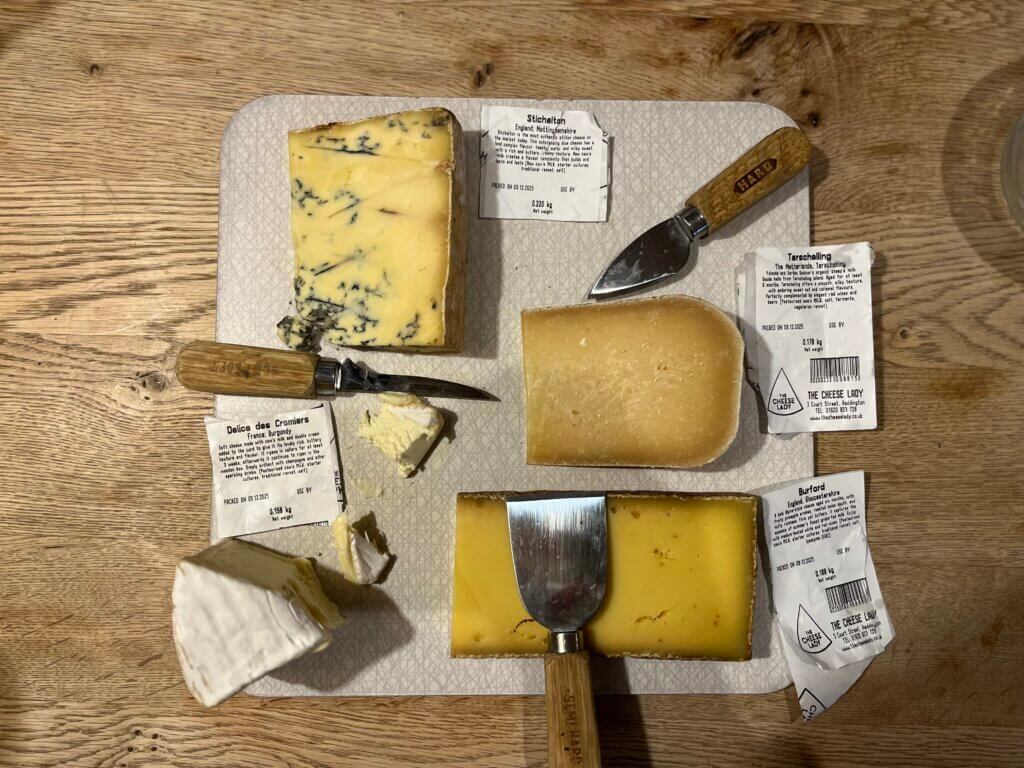
Peter: Anyway, we’d encourage you to do the same if you can. but we also have a bottle also looking at the wine. A bottle of Cava, the Domino de Tarsys Brut Nature. And a red, Primitivo from Puglia Masserie Codice. I think that’s the right way of saying it. And four cheeses.
Susie: That’s where we’re, we’re at, we’re at, we’re at. So, so the first is. First cheese is a soft cow’s milk cheese from Burgundy with double cream added to the curd. The Delice de Cremier. It is gorgeous. Ah, we said it’s a soft and creamy but almost pillowy, isn’t it? I think with the carver that the carver adds a touch of gentle fruit and, and works well because it’s not too heavy or rich. I mean you could put this with a sort of a lighter style of, of white too, like a Le. But in general, it is, oh, so good.
Peter: Heavenly. Heavenly. Then we’ve got a medium, firm cow’s milk cheese from Gloucestershire, the Burford, made from grass fed milk. it’s a bit like a younger Comté isn’t it? Quite delicate really, but also gently nutty and slightly fruity.
Susie: Fruity, yeah.
Peter: This one went really well with ah, our, ah, actually our wine of the year, the Ridge Grenache Blanc, didn’t it? A sort of quite a full body, but sort of subtle white, that sort of style. We all know those kind of wines because, you know, neither overpowered each other.
Susie: Now next up was a new one on both of us, the Terschelling organic used milk Gouda from Terschling island in the Netherlands. Now this one’s more mature and harder and with absolutely gorgeous earthy, mushroomy, yeasty, salty complexity. It works well with the Primitivo, which adds some sort of fruit richness to offset the saltiness. But it also worked well with some champagne. the Jacquart Blanc de Blanc 2018 we happen to have open and which was complex and evolved and that was enough to cope with all those yeasty, nutty flavours in that, in the cheese.
Peter: Gorgeous, gorgeous, you know, champagne. Such an underestimated partner for cheese, isn’t it? And then finally a blue, the Stitchleton, the, raw, which is raw cow’s milk from Nottinghamshire. Beautifully intense and salty and creamy. the Primitivo sort of just about held it its own actually, didn’t.
Susie: It didn’t do badly, did it?
Peter: Primitivo is quite a good red, isn’t it? It’s really quite versatile, fun that particular one, but really I think, you know, this does work best with a sweetie wine, doesn’t it? It works well like Madeira and M Tawny port and that sort of thing.
Susie: So absolutely stunning cheeses, proving Svetlana’s point about the quality of fine cheese. So I hope that has whet your appetite not only for fine cheese but also to hear from
00:25:00
Susie: Svetlana, the cheese lady herself. And I started by asking her a very simple question, what is cheese?
Svetlana Kukharchuk: Well, if we went down to complete basics, I would say cheese is firm milk. However, there are many things that happen in that transition, in going from milk to cheese, there’s a lot of chemistry involved, a lot of transformation. So cheese is a kind of a leap, for milk into immortality. I think somebody said, very famously so if you do a few tricks and things with milk, you can preserve it to last and you can actually develop a few fabulous varieties of cheese that are so incredible. And that’s what got me into cheese in the first place, because I wanted to know and understand how we can achieve such a wide array of different cheeses from something that, as simple and as bland looking, if you will, as milk. How does this happen? It took me on a journey of discovery and that’s where I am 20 years later.
Susie: And to get to the heart of what your book is all about. What makes a great cheese?
Svetlana Kukharchuk: Well, to make a great cheese, we need a great raw, material, and that is milk. We need to have fantastic milk that is full of microbiome and like, full of life inside. So to make a great cheese, we need grape milk is, kind of the short answer for that. And of course, raw milk is more preferable because we will have more complexity in that type of milk. However, having said that, there are pasteurised and thermized cheeses that exist in the farmhouse and artisans cheese world. They’re equally as complex and delicious.
Susie: Now, in your book, the Cheese Connoisseurs Handbook, you write that eating cheese can make us happy. I’m particularly thinking about the amino acid tyrosine. Tell us a bit more about that.
Svetlana Kukharchuk: Well, that is kind of the foundation of my philosophy on cheese. I do believe that a good cheese is good for your body and it’s good for your soul. There are so many health benefits that cheeses have. And of course we have to enjoy, like, all good things in moderation. but there are really, really great aspects about cheese. For instance, the proteins, the fats, the, vitamins and minerals and things like that. So that’s one aspect of that. But also, as you’ve mentioned, cheese makes us happy. There is tyrosine, which has been researched and shown to actually, increase your happiness. It’s, kind of a precursor to happiness, happiness hormone. But also another aspect of it is cheese is very communal. So if you think about a cheese, board, it’s best enjoyed, when you’re surrounded by your family, your friends, and that’s what brings you joy, actually brings you into the present moment, helps you to relax, forget about your worries. And especially if it’s enjoyed with a glass of wine, it’s all the better.
Susie: And you mentioned wine. Obviously, I’m thinking wine. In what ways would you say that cheese and wine are similar other than making us all happy?
Svetlana Kukharchuk: Well, they are products of, craftsmanship. So fantastic cheeses and great wines, they’re all a product of somebody’s care and attention. So they are made, as a craft product. There’s a lot of care and attention that go into them. And, they’re obviously also fermented along the way. There is a similarity in the making process, but also the outcome and what they make us do or how we enjoy them. There’s a similarity there as well. They bring joy, they make us, enjoy the moment. And of course, like I always say moderation is key here, but they’re also a, cultural aspect. So I think grey cheese and great wine, they’re part of eaten culture. So if you can enjoy them in a good way, they’re really, really great for you.
Susie: And I know you talk about, terroir expression in cheese, just like wine. How does that work for cheese?
Svetlana Kukharchuk: Well, especially with the old varieties. So if we go back to France and Italy, these, cheeses have such history and the way that they were born and just came about to be is a very clear example of how terroir works. So if we at, for instance, the Loire Valley cheeses, there’s a lot of goats, in the Loire that were left there by the moors. And, just the whole setup of the way of life there and the husbandry of animals created that, kind of atmosphere
00:30:00
Svetlana Kukharchuk: for having lovely goat’s milk cheeses. And another cultural aspect that went into creating them was that it was mostly housewives that were making cheeses. Therefore they were smaller and they could be enjoyed a lot quicker. But if we were to transport ourselves to something like the Alps and look at the cheese culture there, we’ll be finding massive wheels of cheese. And that also is explained by the culture and the way of life of the Alps, because in the Alps they, have harsh winters and they only have very short grazing periods. They could pull all of their milk from their cows when they were in the Alps and create these massive wheels which they could roll down into the valley for winter. And I love storeys like that because they explain how these cheeses came to be. And another great aspect about the Alpine cheeses especially is that you can taste that Alpine flora and the goodness that goes through the cow system and comes out as milk and then the cheese in the end.
Susie: And how does seasonality affect cheese
Svetlana Kukharchuk: Massively. When we are talking about farmhouse and artisan cheeses, because milk, changes with the seasons and with the animals are eaten. If the cows are grazing on grass or eating hay, that will affect their milk and the milk composition. And therefore it’s very, very important for the cheesemaker to know how to handle that milk. They will make little tweaks to the cheese making process to adjust for those variations. And it’s not something that machines can do. It’s really the work of the cheesemaker, who’s very experienced with these variations. And the resulting cheeses will be very different. And I encourage people to recognise that these things exist and therefore cheeses that are in a certain way in the summer May be a little bit different in the winter, for instance. A good example is I think one of the cheeses that you guys get to enjoy. Stitchelton, this particular wheel was made in the summer and in the winter it’s been matured for over five or six months. But very interestingly this year it’s a bit different than other it was last year. So there has, there has to have been some variation in the cow’s diet and we get to appreciate and enjoy the cheese just as it is now.
Susie: You say cheese has become a bit of a dietary outcast. Why is that?
Svetlana Kukharchuk: Unfortunately it is so sad for me. I don’t know where and why it happens, to be completely honest, maybe in the evening 80s, but I think we need to really change that. And I’m really inspired by the French nation and I think they have that right because they tend to enjoy cheeses same as a good glass of wine throughout the year. They don’t save that joy just for Christmas or for particular period of the year. And they just tend to enjoy cheeses and wines at the end of their week when they gather around with their friends. And I think we can bring more of that here to Britain. I think cheese is just an amazing way to slow down and savour life.
Susie: And how and where should we buy our cheese?
Svetlana Kukharchuk: Well, my best advice would be is visiting your local cheese maker or cheesemonger rather. there are plenty around the country and of course there are cheesemongers who also send cheeses across the nation. For instance, we have an online store and we do ship nationwide. But if you can go and visit a cheese longer, I think it’s just a fantastic experience because you will get to sample maybe some of the cheeses. You will be guided to, make the right choices and you’ll be maybe explain the cheeses that are in season at the moment and advised on what works with the wine that you’re going to enjoy. I think visiting in person is still a very fantastic, experience.
Susie: Now when it comes to serving cheese, how should we be serving our and enjoying our cheese? You know, I’m particularly thinking of things like temperature.
Svetlana Kukharchuk: Well, cheeses are best enjoyed at room temperature. I think it’s now kind of a more or less a well known fact, but I do like to highlight that. So do take your cheeses at least half an hour to an hour out of the fridge before you’re ready to enjoy them. Set them out on a board and if you have anything like a lovely cloche to cover them so they’re not drying out, that’s the best way to do it. But yes, I would say the best temperature is room temperature. Of course, if your room is very hot, maybe you won’t need as long as an hour. You can make those adjustments as needed.
Susie: And what are your basic rules when it comes to choosing the right wine for cheese?
Svetlana Kukharchuk: There are a few rules that I like to follow.
00:35:00
Svetlana Kukharchuk: Ah. And I like to think about the body of both the cheese and the wine that I’m going to enjoy and their intensity. So if something, if we start with a light kind of cheese. So let’s take a goat’s milk cheese as an example. It’s quite a light flavoured cheese, light bodied cheese on the palate. I would be thinking about a, light bodied wine, something nice and zesty. So we need to match them up on that basis. Another thing I would be thinking about is the flavour. Obviously if there is any fruitiness in the cheese, it would be nice to have a nice fruity wine to match that fruitiness. Or we can think in terms of contrast. So if we go back to our Roquefort or Stitchelton, because those are blue cheeses, they will be quite salty. What we would like to do to balance that salt is add a little bit of sweetness. That’s why blue, cheese works so fantastically with sweet wines.
Susie: And just a final question, it’s a very hard one for somebody who loves cheese. what is your favourite cheese and wine combination?
Svetlana Kukharchuk: Oh boy. Well, I would have to say that Roquefort and Sauternes is definitely up there. Another favourite if I may. I do love triple creams with champagne, so something like Delice de Cremier, Delice de Bourgogne because they’re so rich and buttery when you pair them with bubbles. And it doesn’t have to be champagne, it can be Cava or Prosecco. The bubbles can lift the texture up. and the acidity of the wine kind of cuts through the fattiness of the cheese and just creates a perfect combination. That’s another one of my favourites and I do love my alpine cheeses and I do love them because they’re very versatile and they’re actually a great choice whether you have a white or red wine. Of course it will depend on the maturity of the alpine cheese and, your body of the wine, so to speak. But I have think by and large they’re very easy and versatile cheeses to pair with wine.
Susie: And any final words about cheese?
Svetlana Kukharchuk: I would like to inspire people to remember to enjoy cheese and wine regularly because it’s a fantastic way to slow down and savour life.
Susie: Svetlana, thank you so much.
Svetlana Kukharchuk: Thank you. It’s been a pleasure.
Peter: We could just spend hours on cheese, couldn’t we? It’s, endlessly fascinating and. And delicious. Maybe. Maybe we should launch a Cheese Blast. Oh. As a sister show.
Susie: I think that belongs to Svetlana.
Peter: Maybe.
Susie: But she’s great, isn’t she? You know, and I love her accent, which is sort of Russian crossed with Scottish and then a faint hint of New York. And she’s got some great lines. You know, cheese is milk’s leap into immortality.
Peter: Love that.
Susie: And simply, cheese makes us happy.
Peter: Doesn’t m. It just doesn’t. It certainly makes you happy.
Susie: Made me very happy. I like kind of sweet things, but, you know, when you get great cheese. Delicious.
Peter: And I think wine lovers and natural cheese lovers as well, there’s such a big crossover. And I did just want to pick up on the points that Svetlana made about the terroir and the seasonality of cheese, which you don’t often think about, do you? but of course, it makes sense when you know what the. You know, where the animals are grazing and what they feed on, whether it’s grass or hay or whatever, you know, will impact the milk and therefore the cheese. I think in. In her book she says that experienced tasters can sort of tell which side of the mountain the animals are grazing on just from the cheese.
Susie: That’s amazing, isn’t it? And actually there’s a great little nugget there which I picked up in the book. The. The well known Vacherin Mont d’Or cheese was actually created as a work round because Comté producers in the past weren’t allowed to make Comté from animals fed on hay, which they need to do in the winter. So they created a totally separate cheese, Vacherin Mont d’Or which is paler and less intense, but still lovely. And that’s gone on to be a really successful product in its own right.
Peter: It’s really interesting, isn’t it? and she also gave us lots of very practical advice and she. Which was great, you know, for example, serving your cheese at room temperature, not fridge temperature, to get the most out of them.
Susie: Well, that’s the same as our, 2020 rule for wine.
Peter: Exactly, exactly. Another crossover there. and she also had some very good advice on storing cheese, didn’t she? Which we didn’t have time to increase include. But essentially she said soft and blue cheese will keep well for sort of 10 days to two weeks in the fridge, which I found interesting and firm cheese is up to about a month.
Susie: And she added, it’s best to keep them in their own drawer in the fridge if you can, ideally in duplex or cheese paper, which is what it will come in from the cheesemonger. Failing that, interestingly, foil is actually the best household alternative. Much better than parchment paper, which will dry the cheese out. Who knew?
Peter: Makes sense, I suppose. finally, you know, her advice on, on putting a wine and cheese board together was start with the wine and work from there, which I found really interesting.
Susie: I thought it was quite
00:40:00
Susie: generous of her to say that, given she’s just.
Peter: Yeah, well, maybe she’s just being nice to us. I think she’d be very nice. I suppose you can do both. Of course you can. But, you know, her, point about alpine cheeses, you know, like context you made, is interesting because she says they’re pretty versatile, so they can work with whites or reds. And I just think that from a wine lover’s perspective or, you know, all mature fizz thinking about it so often, you know, on our table, when there’s loads of bottles left after me meal, that’s the kind of cheese that will work well.
Susie: Yeah, there’s lots of bottles on our table, aren’t there? Anyway, right, on the subject of feasting and joy, let’s turn to our final guest. we originally heard from him via a speak pipe message as follows.
Mark Scarlata: Hi, Susie and Peter. My name is Mark Scarlata and I am a theologian and teach at a theological college in London called Saint Mellitus, and I’m also a priest at a church called St. Edwards in Cambridge. Cambridge. My recent book is called Wine, Soil and Salvation in the Hebrew Bible and New Testament. And I must say, I have listened to every one of your podcasts since I started writing the book several years ago, and you have provided a great amount of inspiration. The reason I’m getting in touch is just to say you have contributed so much to this book. if you ever want to do a podcast on wine and spirituality or something of that nature, please let me know. Once again, thanks so much for your podcast. It’s been a joy and was a great assistance in letting this book come to completion.
Peter: So this was immediately intriguing, including a book with a connection to Wine Blast. So, you know, this, this was a must read, wasn’t it? And it’s fascinating. Yeah.
Susie: So just to elaborate on Mark’s introduction, here he is senior lecturer in Old Testament at Saint Melitus. College in London. And he’s also the vicar chaplain at St Edward King and Martyr Cambridge and director of the St Edward’s Institute for Cristián Thought. And of course he’s a wine lover, so a very interesting chap.
Peter: Very interesting chap. So I had a lot of questions for Mark, I mean, had to ask about Jesus of course, and.
Susie: That famous passage in Genesis about Noah planting the first vineyard, getting drunk and naked, obvs.
Peter: Obviously one of our favourite bits of the Bible, but you know, but so much more came out. now we have edited this down but there’s still a fair amount here. And Mark is particularly good at linking biblical topics with modern day realities. It was funny because at some points he was talking about sort of divine intervention or God’s wrath, and it was absolutely pelting down with rain on his roof, which you can hear in the audio. So that was quite a nice touch there. Anyway, the first question I asked course was how does a priest come to write a book about wine?
Mark Scarlata: It’s a great question, I think. Well, I mean priests should be writing books about wine I suppose because if they’re celebrating the Eucharist every Sunday then they shouldn’t be thinking more about its qualities, and its importance in the life of faith. But my interest came from my research. So I’m an Old Testament scholar, a biblical scholar and I thought, wow, there must be somebody who’s done something on this kind of a full scale, you know, from the beginning at the book of Genesis to the end of the book of Revelation and this kind of study on the symbolism and the meaning of wine in the Bible and there weren’t many actually. Shockingly. so I set out to do just a really full scale. Let’s look at wine in the Bible and see what it means. And so as I got into it, more and more, once you begin to getting into wine, and I’m sure this is like your profession also is that all of a sudden you find yourself, you know, half buried in the soil and you were dealing with roots and you’re dealing with organic life and then you’re dealing with the you know, all of the elements of the earth and kind of all of this interconnectedness and then you realise that the soil is so critical there and all of these things, which, hence the title of the book, Wine, Soil and Salvation is, you know, you just see this, this beautiful interconnectedness and how wine and the fruit of the vine becomes such a powerful symbol of not only not only salvation in the Old Testament, but then obviously in the New Testament, you know, Jesus changing water to wine and. And then, you know, obviously the, the Eucharist and the wine from the Passover meal, the Last Supper and things like that. But I think what. What struck me so much was just how central it was to Israel’s life. Just didn’t. Just general everyday life in ancient Israel, but then how it was being used, whether through the prophets or through other writers in the Bible, to kind of symbolise this gift of salvation that expressed, kind of God’s own love for the land and love for creation and gifts from creation he gives to his people. People.
Peter: In the book you write about wine as a
00:45:00
Peter: potent symbol and metaphor in the Bible. What is it about wine that makes it so useful and meaningful in that context?
Mark Scarlata: You know, it’s a great question, because it, you know, it seems to stem back just to the ancient world in general. I mean, I think, you know, when you. When you go back and look at, you know, all these ancient cultures, whether Egyptian, Mesopotamian, Assyrian, whatever it was, all of them kind of bring wine into both their kind of religious life, into their kind of daily life, becomes just such an important agricultural product. And so I think one of the reasons why it’s so powerful was just because everybody knew about it. You know, everybody knew what it was like to harvest grapes or. Everybody knew what it was like to, you know, to plant a vineyard and to have pests, you know, that kill all your grapes and, you know, or have hailstorm that destroys your entire vintage, you know, for, you know, for the year. And, Yeah, so I think it’s. It’s just one of these products which is so fun. It’s. It’s so interesting. I mean, the main products, the main kind of agricultural products in the Bible are wine, oil and bread. You know, these are. These are kind of the triad of the, you know, the Mediterranean diet, as it were. And oil is always a symbol of kind of health. You know, you put. You would put olive oil on your face, or kings or priests were anointed with oil, bread, obviously, to sustain and strengthen us. but there’s that wonderful passage in the Psalms that says, you know, wine is given to gladden the heart or to rejoice the heart, you know, and it’s just such a wonderful way of kind of saying it. And it kind of, you know, Genesis, it eases the toil and that kind of thing. So I think. So I guess at the end of it, at, the end of writing all this, I guess my sense was, because wine is such a. There’s so much complexity and depth and layers to wine and what goes into making wine and all of, kind of the concepts, of terroir and, you know, and these types of things, that it becomes such a wonderful kind of organic symbol of not only our reliance on the interconnectedness of life in creation, but then what kind of our interconnectedness with the soil and with the land kind of produces for us, to bring us joy and to bring us, you know, to bring us happiness and all of those types of things. And so, and so that’s. Yeah, so I think that’s. That’s one of the reasons why it was such a powerful symbol, and why it was used and why it is used so, so often through the Bible.
Peter: And you say, you know, wine is obviously a simple thing and obviously an ancient life. It was everywhere and part of your life, your work. But you say in the book, you say wine, is a simple material substance, you know, the drink of crushed and fermented grapes. but it then becomes a symbol to express the heavenly kingdom of God being revealed on earth. You also write in a very. In your lovely last paragraph, wine offers a taste of salvation. that’s quite a lot of heavy lifting for your glass of plonk, isn’t it?
Mark Scarlata: Yes, it’s got to be a fairly good glass of plonk, doesn’t it? But I think this is it though. because there’s something about, you know, wine in the Bible. you know, and I think just wine in general. you know, there’s something about wine that, that elevates an occasion, you know, so whether it’s a meal, whether it’s a celebration, whether it’s a wedding, whether it’s a feast, whether it’s, you know, in the Old Testament, whether it was offering something at the altar. you know, we see this in Jesus turning water to wine and the wedding at Cana. all of these things are. And one of the things in particular, and this is one of the things that I note and why I include salvation in the title is because oftentimes, well, maybe throughout history, but Christianity can sometimes be. It can become kind of over spiritualized. you know, we just think of things on a spiritual level. And, and in our age, I think in our kind of technological and mechanical age, we have become very distant from the land. Most of us live in cities or urban centres. We’re not connected to the land, we’re not connected to the vine. And so we have little concept of what it means to be in relationship with creation. And so there’s something about wine that kind of brings us together as human beings. So whether it’s around the table and a celebration again, a wedding or whatever it is, there’s something about it kind of lifting us and cheering our hearts and cheering, our fellowship together, and then it kind of broadens out into this kind of experience of what I think for the Old Testament was God’s salvation. So to be able to celebrate. So I suppose this is the thing is to be able to celebrate, just to even have the possibility
00:50:00
Mark Scarlata: to lift a glass of wine, or in their case, it was probably a cup of pottery, something like that. The psalmist talks about the cup of salvation. To be able to lift that and to have a feast, was a sign that God had blessed you, that you lived in a time of peace where you could harvest your grapes, where you could, you know, kind of slaughter the fatted calf, and you could have, you know, this time sitting around the table, and you would rejoice in that. And I think in the Old Testament, that was. That was literally salvation, your life in the land. And to be able to. To produce wine without having war, you know, times of war and without having all these things were the gifts that God gave, that he promised. And so sometimes as I got through the book, I mean, I think this is one of the things, I talk about a little bit about in the book. but this kind of. We’ve lost in many ways this sacramental reality of living in a world that is inhabited by the divine, that God is present in this world. and so I think there are still some cultures that do have a more sacramental sense. And I think it’s like when you talk to vintners, oftentimes they will have, Even whether they know it or not, they will have kind of a sacramental sense of the world around them. it’s interesting. I mean, I have a different theological, kind of view on this. but when you did some interviews with, one of your podcasts, you did some interviews with some biodent, biodynamic, vintners or vineyards. they have this kind of, you know, there’s a spirituality there that they kind of see within the world. and I think for most people, we’ve kind of lost that. And, and so that’s, you know, to me now, you know, especially after writing this book, you know, when I sit down with a group of people. when we have a lovely bottle of, of wine, you know, there’s something about the, the presence and the sacredness of the moment that I think wine contributes to that. and I think that’s a beautiful thing. so that’s. Yeah, so I think that’s something that we’ve, we’ve lost a bit. And that’s what I hope to kind of bring out a little bit in the book in terms of this idea of, you know, salvation is not just something like you. You know, we’re not just going to heaven with our airy wings and our harps. you know, my greatest, if you read the New Testament chapter, I said my greatest hope for, the new Kingdom, you know, kind of for this Christianity kind of awaiting this new kingdom in Christ, is that, Jesus promises his disciples in the Last Supper that, you know, he will drink of the fruit of the vine again. So I always tell my students and anyone I talk to, I said there will be wine, you know, in the, in the new Kingdom when it all, when it all comes.
Peter: Now, one of the things I think you do really well in the book is linking biblical and ancient sort of thinking and words to modern day reality. and I’m going to paraphrase you here, so forgive me, but at one point you sort of talk about, you write about how wine can give sense of peace in a frantic world and of rootedness and connection in a disconnected world. Do you want to just talk a little bit about that?
Mark Scarlata: Yeah. So, in one of the chapters to talk about, there is. There’s a woman who is a French, kind of French philosopher, Simone Veigh. And she wrote some beautiful things on, on attentiveness and and this idea of comparison, comparing our attentiveness to something. And she goes on and says, attentiveness is a quality of prayer. It’s a quality that you cultivate in yourself to be able to kind of see things more deeply in the world. And one of the things I found with wine is that you have to be attentive. You and Susie have developed your palates, you’ve developed your sense of smell, all of these types of things. Because you sit and you drink and you know, your attentiveness to this, to this, you know, what someone has produced, it requires your entire effort. And I think there’s something, again about wine that brings, that cultivates a sense of prayer. you’re doing something that for many people in their lives, they don’t have an attentiveness. We’re so distracted by our screens and everything else. And so to sit down with a very well crafted wine and to enjoy it and to think about how it lasts on your palate and all of these different types of things is in many ways kind of cultivating, ah, a prayer like state. And so, so this is
00:55:00
Mark Scarlata: where I think wine, because of what it does in terms of, allowing us to kind of slow down to enjoy the moments. I mean hopefully if we’re kind of sitting around the table, gathering together as friends or even it’s just over a glass of wine or wine and cheese or something like that, it allows us to slow down and feel a sense of, I think feel a sense of rootedness again in, in the natural world or in the world of where this wine has come from. and again that requires our own efforts. We have to kind of appreciate it, we have to slow down, to appreciate these things. But I think when we do, I think there’s a sense that wine begins to root us back in our communities kind of as human beings. Which I think is exactly what wine is supposed to do. And that’s why what it does in the Old Testament.
Peter: You begin your preface by saying, I set out to write a book on the biblical understanding of wine. But what emerged was a larger story about humanity’s deep connection to the soil and the community of God’s creation. So I’d like to just home in on the soil if we can. We’ve talked about rootedness. Let’s home in on the soil. Tell us a little bit about the soil. And why was that important to you? It’s in the title of the book, the Soil.
Mark Scarlata: That was one that was kind of a surprise as I got going into this. So when you get into the very beginnings of creation, kind of in the Garden of Eden, you know, Genesis says that, you know, God took, from the dust of the soil, of the earth and formed this, this, this man. And, and you know, we call him Adam, but the, the wordplay here, in the Hebrew is, so Adam is his name, so he’s the, the earth person or whatever it is. and he comes from Adama. And Adama is just the word for, for soil. And so you have kind of this soil person coming from the soil. And what you see in this and what you see throughout kind of the rest of Genesis and even in the Scriptures is that our bodies, our physical bodies are connected or just intimately connected to the soil. And what you see in this is the soil and the land become kind of a participant in the story of salvation. So it’s not for many years and for scholarship and things like this, the land and the environment and the soil was always seen as a background or a backdrop to the real story about God and human beings. We’re very narcissistic and we’re very anthropocentric, in our thinking and in our interpretations. But what Genesis gives us is this idea of situating us as human beings kind of within the community of creation. So rather than being kind of lords or masters over creation, I think Genesis is very careful to help us understand that we are made of the same stuff as other creatures. And actually the soil is critical to how we are made. I know at one point, in the book I mentioned, that, that the, you know, in our microbiome, in our guts, you know, we share something like 80 or 90% of the same bacteria and microbes that’s in the soil. you know, and this is absolutely amazing, I think. but just to literally be connected in the same way, to, you know, with these little microbes living inside of us and helping us kind of get energy and. And all those types of things. And this is where wine also was. you know, is also seen as a, you know, as a medicinal drink, you know, and medicinal properties. Because, you know, this fermented fruit kind of being in our guts is so good for us.
Peter: So you link it into, you know, caring for the. The environment, being a responsibility of. Of people. And also you link that to sort of regenerative agriculture today.
Mark Scarlata: Yes, yes. And I love the, I got into regenerative. Regenerative agriculture. and that’s a. That’s. I mean, I think a fascinating place in our world. or kind of a fascinating place where people. And I think this. And. And they’re doing this in vineyards as well. And, and that, you know, there’s all sorts of creative stuff that you guys have talked about in the podcast as well. and I think that is, you know, that is something that gives me hope because what you see in that attitude of. Of kind of rest, restoration, of restoring the land, and not kind of, you know, polluting it with pesticides or, you know, kind of, you know, genetically modified, you know, organisms and things of that nature. what’s so critical about that is that, you know, we’re moving towards something where I think there’s a sense of we see the land Again, you know, we see the land as a. As a partner, as something that is living, breathing. you know, it needs to be, It needs to be cared for, it needs to be restored. And to me, I think that is, you know, one of the most critical, one of the most critical lessons that we have, you know, at this. In this day and age where, you know, we’re facing so many environmental crises and
01:00:00
Mark Scarlata: so many difficult things. and that’s where I think, you know, that’s where wine comes back into it, you know, because wine is so deeply tied into the soil, so deeply tied into, kind of the roots of the vines going down and, you know, and kind of the. And again, the terroir and, and. And all of these things contributing to, you know, the production of this beautiful, this beautiful gift. But I think that’s a. That’s a critical thing for us to remember because I think is, you know, we’re in such a strange world right now where, you know, technology is. Is kind of driving society and there are people who want to just kind of freeze their bodies and upload their brains to the Internet and kind of live this, you know, this kind of detached life from the human flesh. And I’m all for going back to the flesh and saying, you know, we are. We are physical beings, you know, created from the soil. And we have, you know, this responsibility to care for that soil and to care for, you know, things like the vines, flesh, soil and wine.
Peter: There’s a name for a wine merchant in there or something, isn’t there? Noah is a key figure in the Bible and also the history of viticulture. Now, the Bible says he planted the first vineyard and got so drunk he passed out naked in his tent and terrified his kids. What’s that all about, huh?
Mark Scarlata: Terrified his kids. I like that one. so the, the story that I won’t go into, the big story everybody hopefully knows, maybe knows the story of Noah’s ark. And so there’s a big flood and Noah lands on Mount Ararat. And it’s summed up in about kind of 10 words that Noah planted a vine. You know, he had a harvest. You know, it’s obviously very condensed in the Bible. had a harvest, made the wine, got drunk, seemingly all in one day, which would have been very impressive. but one of the things about Noah that’s so fascinating in that story is that before the flood, he’s described as one, you know, unlike anybody in the Bible almost. You know, he is Holy, he is righteous, he is pure. So there is this idea of, you know, of kind of, you know, his, his moral integrity and all these things being really critical because he becomes kind of like a second Adam. but then what’s fascinating is as he gets out of this ark and as he goes and plants the vine, one of the things it says is that Noah became a man of the soil. And that attribute isn’t given to hardly anybody. There’s only a couple other people in the Bible. And so there is this sense, again, going back to the soil. Part of this is that there was something about his moral and ethical and spiritual character that allowed him to kind of renew the relationship between human beings and the soil. And before Noah, comes out and before he plants the vine, there’s a little saying from his father, Lamech, who says, this one will give us rest from the toil of our hands and out of the earth, like he’ll bring something out of the earth to give us rest. And so this idea of wine in the very beginnings of the Bible is, is that it’s something that is meant to ease the toil of kind of, you know, agrarian life. You know, this is this wonderful gift. And in this wonderful gift, Noah drinks too much of it, passes out drunk and lays uncovered in his tent. Now, I’m sure that you could not relate to anything in that story as I’m sure in my university days was probably, probably, maybe, maybe I could relate that. But what’s fascinating about it is later on you have all these commentaries on this, you know, both Christian and Jewish, and some of them kind of criticised Noah. But the funny thing is, actually the majority of them, I think, say, that Noah wasn’t guilty for getting drunk because he didn’t know. If he was the first to discover wine, then he obviously didn’t know what its results were going to be if you drank too much of it. And so he’s given a power pass, on his drunkenness. Later in the Bible, drunkenness is not, you know, it’s fairly across the board, condemned. but Noah is one of the few instances in the Bible where, because he was the first one to make wine and the first one to get drunk, then, you know, we’ll give him a pass. It wasn’t his fault.
Peter: And then Jesus, of course, was a notable wine drinker. He was criticised as being a glutton and a drunkard, and one who drank wine with sinners. how important was it that Jesus’s first miracle was turning water into wine at the feast in Cana.
Mark Scarlata: Yeah, I think that is kind ah, of a fascinating story because you can look at it as you know, if you just read it on the surface level, you can think, hey, that’s a great party trick. You know, you can turn
01:05:00
Mark Scarlata: X amount of gallons into, ah, water into wine. but one of the things that, that was fascinating as I was reading and kind of researching is up until, you know, give or take, about 200 years before Jesus was born, so give or take 200 BC there were some Jewish writings, they’re called apocryphal writings, but these Jewish writings were, would talk about the time or the anticipation of the Messiah. and so this Messiah was the, it’s just the word in Hebrew for anointed one, this king or this priest who would come back and save Israel. and so they were looking forward to this time. But what’s fascinating is in some of these texts the sign of Messiah coming back would be that the vine would produce in absolute abundance. I mean talking like ridiculous abundance. So you get this sense of this coming one, this Messiah who’s going to come is somehow associated with both the fertility of the earth but also this kind of superabundance of wine. So in John’s gospel, so when Jesus changes water into wine, you know, he changes this, you know, this massive amount. And I think in the book I say, I think I kind of figure out the potential amount of glasses, you know, something like 6440 something glasses of wine he adds to this wedding. And so on one level it’s a miracle, right? You know, not many people change water into wine. But on another level, and I think this is maybe what John in the gospel is trying to get at, is this is a sign that points to the Messiah. This is the sign that points to. So it’s not, it’s not by accident, let’s put it that way, that Jesus changes water into wine and not into, you know, fig juice or pomegranate juice or, you know, something else. I mean this is a powerful, powerful symbol that relates to some of these ideas of anticipation of God’s presence and God coming back to redeem his people.
Peter: Now the famous quote from Judgments is that, is that wine cheers gods and mortals. And before he was crucified, Jesus said to his disciples, I’m not going to drink wine again until I drink wine with you in the new kingdom of God. now just to be clear, is this the same earthly wine we’re talking about here, which is drunk by gods and Jesus in heaven. Is this the same kind of wine that we’re sipping on a Tuesday night with our pizza?
Mark Scarlata: That is a good question. Well, I’m hoping it’s better than the Tuesday night wine that we sip with our pizza. so we don’t know. I mean, this is the thing. And you know, at the end of the book I talk about, the Book of Revelation is kind of the final book of the Bible. And it looks at the kind of what they call the eschatological and the kind of final end times when everything, when the earth is renewed and everything is renewed. And so I’ve got to think that there is going to be a physicality in the renewed world. And so that means that vines can still grow. but I’ve got to think that in this renewed world where we’re told that we kind of go. It’s like we’re going back to Eden in some ways know, back to the original garden, that the wines are going to be to die for. I mean, I can’t wait. I mean, I think that it’s just. But it’s just a wonderful, you know, just as you said, you know, Jesus was accused of being a drunkard and, you know, and kind of hanging out with sinners. And so it’s a wonderfully hopeful, you know, hopeful message that wine is still such an important thing, you know, in faith and in the Bible that, you know, that when we come into the new kingdom, you know, who knows? You know, maybe everything will be kind of a Chateaux Petrus or something like that. You know, I don’t know, M. But I’ve got, I’ve got to imagine it’s going to be good. And I’ve got to imagine that. That you and Susie will be in. In wine heaven when that, when that, when that happens.
Peter: Wine heaven, it’s. It’s a concept, isn’t it? Mark, thank you very much indeed.
Mark Scarlata: Oh, thank you, Peter. It’s great to be.
Susie: Gosh, a lot to digest there. But wine heaven, we’re totally on board with. Yes, what an interesting chat Mark is. You know, what comes through for me is this biblical message of wine as joy, wine as a blessing on humanity, wine as a relief from human toil, something to gladden the heart. Yeah.
Peter: And also this sort of more modern day take from Mark. Ah, that wine sort of roots us back in nature. roots us back in community. I mean, I thought. Yeah, I think we think, and we’ve talked a little bit about these Kind of things, haven’t we? But actually, it’s really nice to hear it in that sort of very clear form and through that perspective and that lens and, you know, whatever you feel about religion or Christianity, I think we’d all agree we have a duty to look after the soil,
01:10:00
Peter: the earth, the environment, which Mark makes that point very strongly. And wine can be a force for good in that sense. You know, if you look at what’s happening with regenerative agriculture and things like.
Susie: That, and I was struck, actually by the crossover with what Svetlana was saying, in the sense that, like cheese, wine can make us happy, bring us together.
Peter: Yeah, absolutely. Mark talked about wine elevating an occasion, which is. Which is spot on, mind you. By way of contrast, the preface to his book Mark suggests readers might like to pair wines with the various chapters when it comes to the, one on wine symbolising God, wrath, win us a curse. He told me that the back of his mind were really tannic southern French reds, like tannats, because he really can’t stomach those. I thought that was quite a funny. For God Wrath: Southern French Tannat.
Susie: Though he did also add, didn’t he, that he secretly wishes he lived on a vineyard somewhere in southern France or southern Italy. Don’t we all, Mark? Mind you, with climate change, there are vineyards popping up in Cambridgeshire, so you never know. We may even be recommending mending Mark’s wine on the pod.
Peter: Sometimes there’s a nice thought. That’s a nice thought. What about it, Mark? Ah, you’d never know. Okay, so this is a gargantuan show. It’s time to wrap things up. I’m not sure how we can best summarise this one, other than by saying the Bible tells us wine is a joyful blessing and should gladden our hearts. cheese can make us happy, and we should all aspire to be less wet lettuce and more boomerang, paying forward that gladness and joy.
Susie: Amen to that. Thanks to our interviewees, Ben Schott, Svetlana Kukharchuk and Mark Scarlata do buy their books. we’ll put links on our show notes. Don’t forget to enter our Wine Blast 1 million giveaway. And of course, thanks for listening. Until next time. Chin chin.
01:11:48