- Season 7 Trailer
- The Jancis Robinson EXCLUSIVE Part 1
- The Jancis Robinson EXCLUSIVE Part 2
- Chile Wines of the Year 2025
- SAN LEONARDO – The insider’s Guide
- The Story of The Billionaire’s Vinegar – Part 1
- The Story of The Billionaire’s Vinegar – Part 2
- Blind Tasting Top 2021 Super Tuscans
- Top of the Pops: Classic Fizz Beyond Champagne
- Rock and Rhône
- Our WINES OF THE YEAR (2025)
- Our BOOKS OF THE YEAR (2025)
- Hugh Johnson UNCUT
- McLaren Vale – Boxer to Ballerina
- McLaren Vale – The Grenaissance
- Peter Fraser – A Tribute
- New Zealand Wines of the Year 2026
- Sam Neill UNCUT
- Giveaway EXTRAVAGANZA + Game-changer Coravin
- Greg Lambrecht UNCUT
- The Story of Stalin’s Wine Cellar PART ONE
- The Story of Stalin’s Wine Cellar PART TWO
Summary
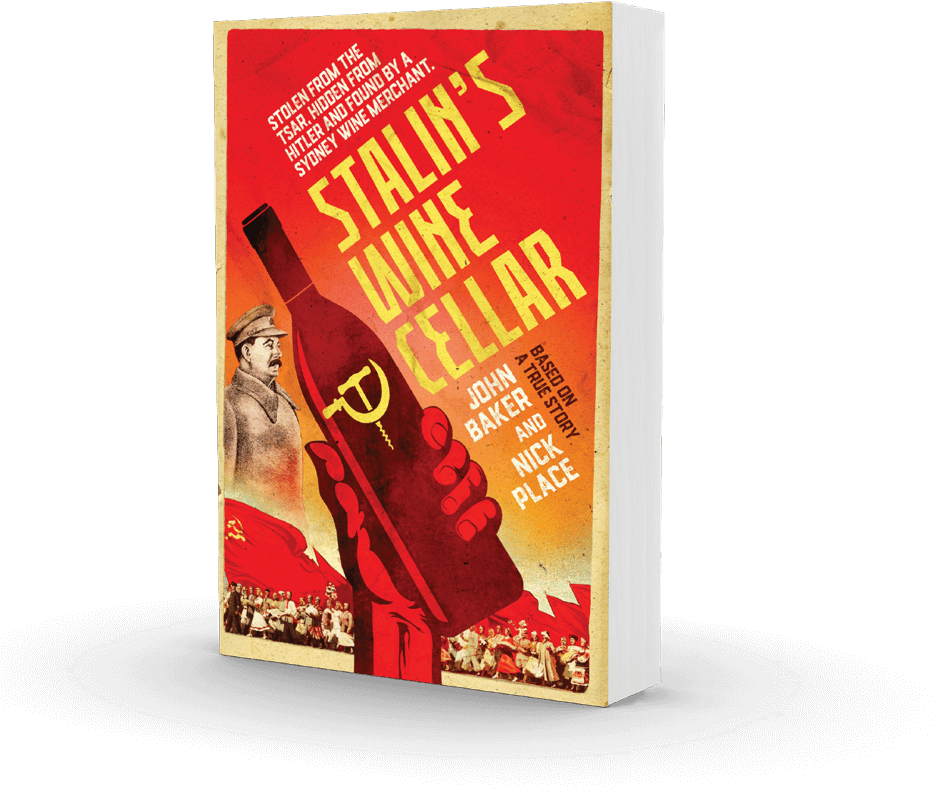
Meet John Baker, Sydney wine merchant turned Indiana Jones turned author of Stalin’s Wine Cellar, one of the most eye-opening wine stories you’re likely to hear.
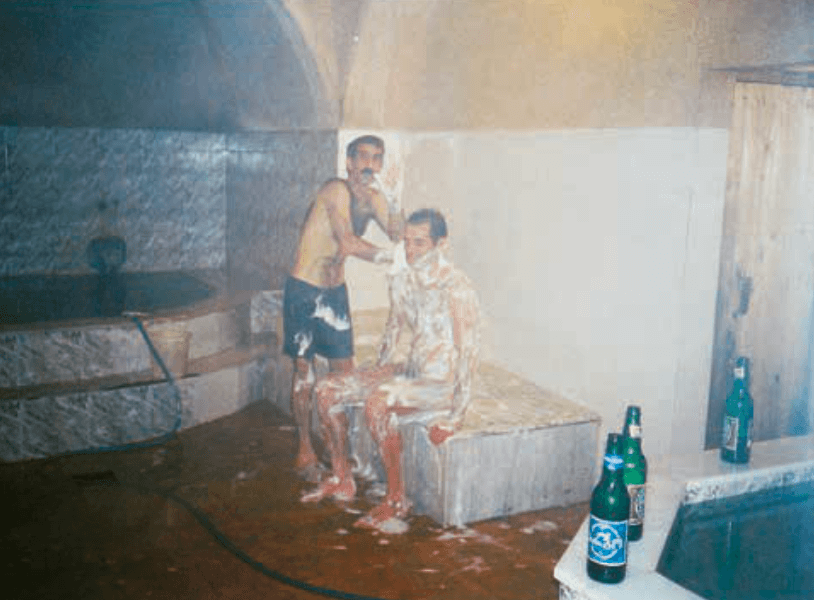
In the first part of this real-life account, John (pictured naked above, right) recounted how he’d got a tip-off about a mysterious wine cellar in Tbilisi, Georgia, apparently chock full of the greatest wines in the world, some more than a hundred years old.
What’s more, the cellar came with an astonishing story of provenance and ownership…
It was, in short, a wine lover’s fever dream.
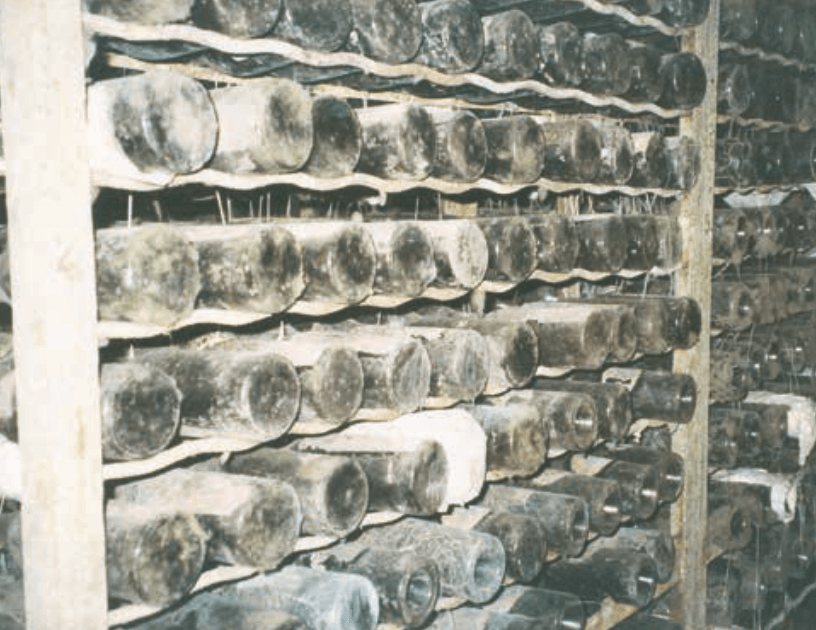
So of course John decided to investigate, soon finding himself in the wild west of wine: a world of cash and guns and high-speed races through the streets of Tbilisi.
Not to mention heart-rending breakages, the odd death threat – and unicorn wines aplenty.
In this second and concluding part of this narrative two-parter, John grapples with Georgian agendas and threats while attempting to investigate the authenticity of the wines, including a trip to Chateau d’Yquem that is memorable for all the wrong reasons.
As well as adding extra detail, context and humour, John adds a final piece of exciting news by way of conclusion.
Starring
Subscribe
Sign up to Wine Blast PLUS to support the show, enjoy subscriber-only bonus content as well as early access to all episodes plus full archive access, not to mention subscriber benefits and giveaways.
Just visit WineBlast.co.uk to sign up – it’s very easy, and we will HUGELY appreciate your support.

It takes a monumental amount of work to make Wine Blast happen. Your support will enable the show to continue and grow – and we have lots of fantastic ideas of things we’d like to develop as part of Wine Blast to maximise the wine fun. The more people who sign up, the more we’ll be able to do.
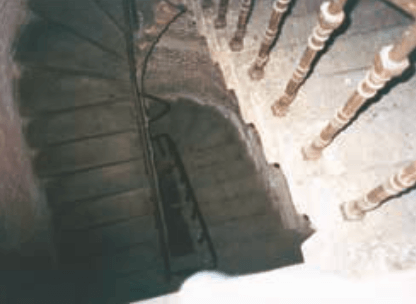
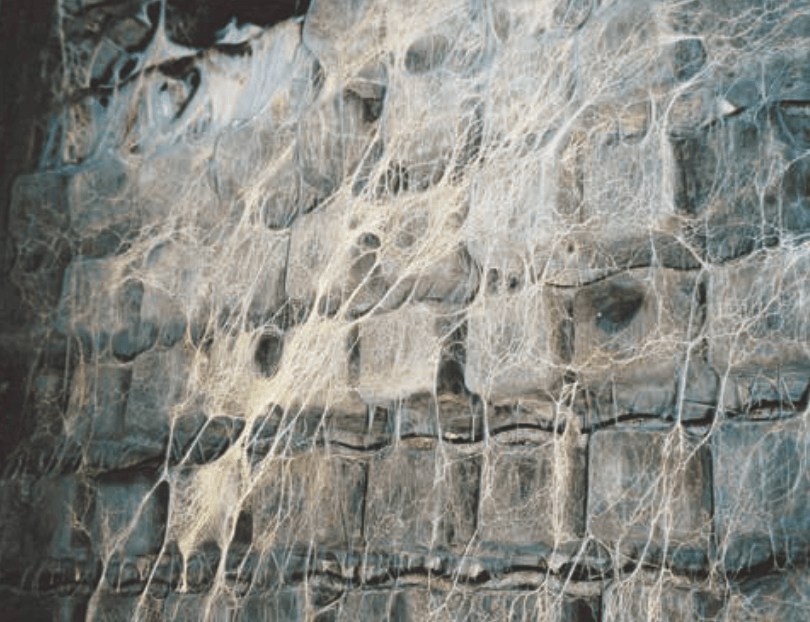
Photos
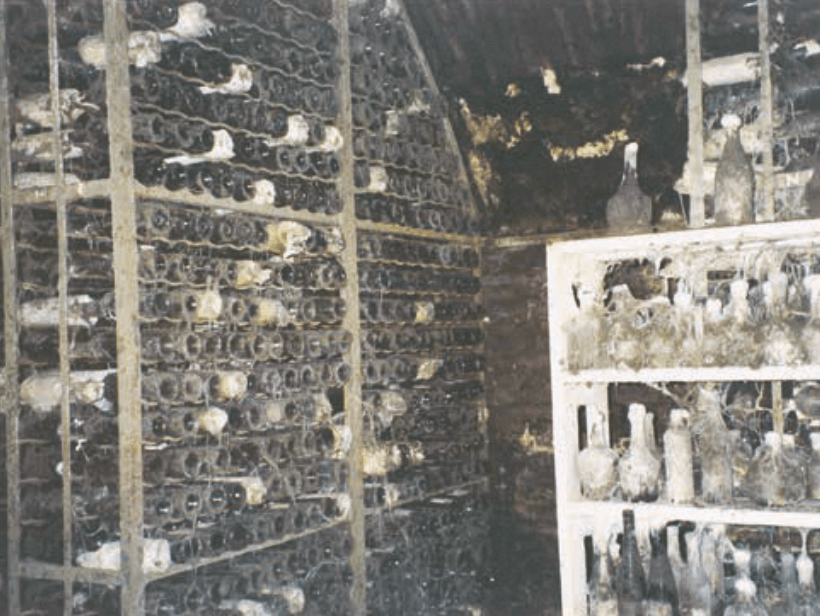
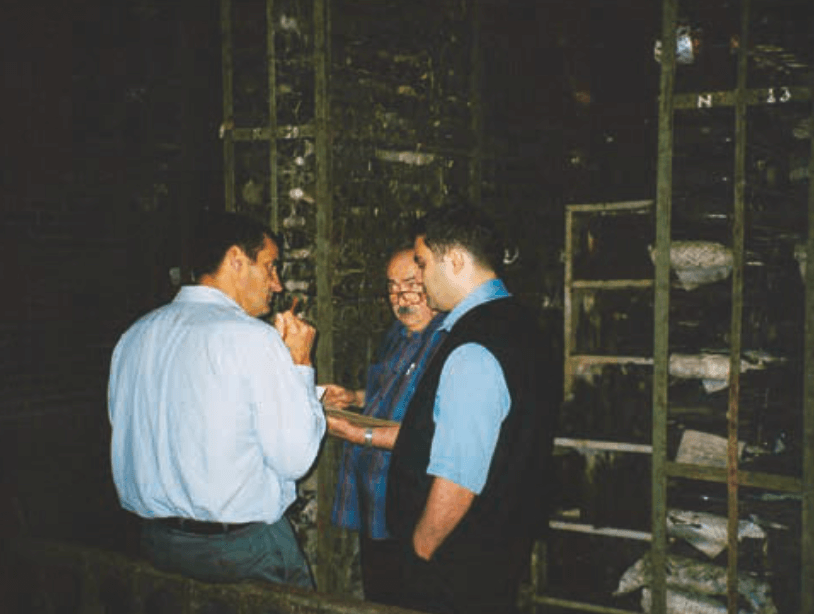
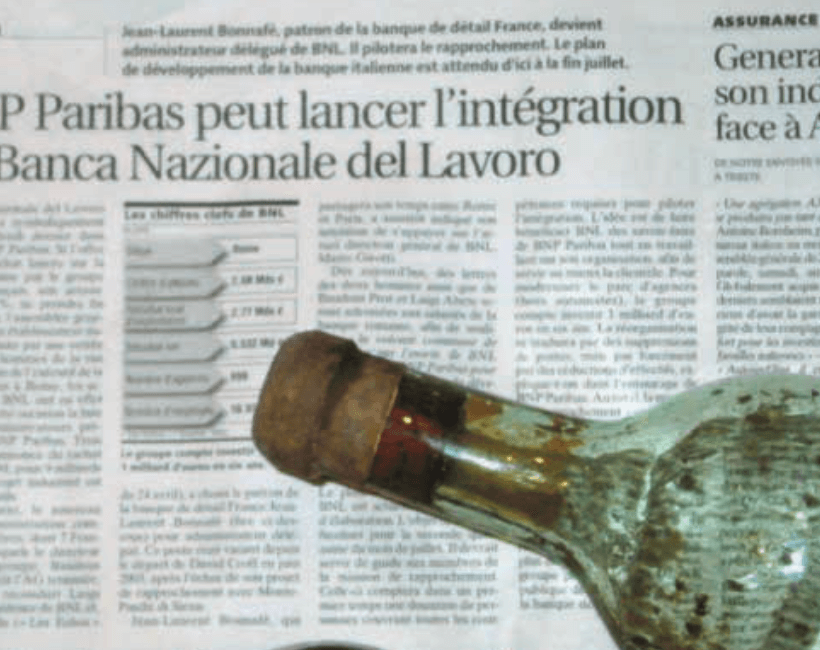
All photos here are provided by John Baker, and as featured in the book.
There are more on the show notes for Part One.


Get in touch!
We love to hear from you.
You can send us an email. Or find us on social media (links on the footer below).
Or, better still, leave us a voice message via the magic of SpeakPipe:
Transcript
This transcript is AI generated. It’s not perfect.
Susie: Hello, you’re listening to Wine Blast. And you catch us on tenterhooks, midway through the story of Stalin’s Wine Cellar. So far we’ve had guns, cash, mystery, hard men and achingly rare old fine wine.
Peter: And coming up, we’ve got all that plus naked antics too! What’s not to love about this story?! I mean, seriously, here’s some titbits of what’s coming up in this concluding part of the tale.
John Baker: These are monumental. You know, I’ve never seen any wines like this. George had this sort of smiling, assassin manner. You know, you’d almost, when you’re shaking hands with him, you’re thinking, this is the hand of the devil. I thought, you know, what else can I do besides having a heart attack? Which is just about what I was doing.
Susie: So that’s John Baker, Sydney wine merchant turned Indiana Jones and of course author of Stalin’s Wine Cellar, a book he wrote in conjunction with Nick Place. In the first part, we heard how John got a tip off about a mysterious cellar in Tbilisi, Georgia, containing thousands of bottles of vanishingly rare old fine wine, including the likes of Sauternes superstar Chateau d’Yquem and various Bordeaux first growths from the 1800s.
Peter: Not only that, but the cellar was rumored to have been the personal collection of the last Tsar of Russia, Nicholas II, friend of Rasputin, executed by the Bolsheviks in 1918 and then shipped by Joseph Stalin back to his homeland of Georgia to escape the clutches of the advancing Nazis in World War II. Hence the presence of these ultra rare, ultra valuable wines underneath a, mothballed Georgian winery.
Susie: John’s first objective was to authenticate the cellar. So he headed to Georgia with his canny lieutenant, Kevin Hopko. But all was not as it seemed. Their point man, George the Georgian, seemed to be working several angles. The head honchos at the winery clearly thought John and Kevin were going to buy the winery for a million US dollars in cash. John and Kevin wanted to inspect the wines to see if they might be worth a million US dollars in cash. And George, Well, George was surrounded by gun toting enforcers like Pyotr or Potra, as John has it, and remained positively mercurial. But Keen to get his hands on a million dollars in cash.
Peter: So John and Kevin were sticking grimly to their task of trying to authenticate. They had a faxed list of the wines. That was their template. They needed to check against the cellar. they’d come equipped with Flouros or fluorescent lights to check the condition of the wines, fill levels and sort of integrity. They’d even been able to taste one of the wines, an 1899 Suduiraut, after a bottle had been broken and it tasted good. Everything seemed legit.
Susie: What’s more, they’d done the rough sums ahead of time. And if they did indeed manage to pull this off, they could be in line to make something in the region of US$6m to US$7 million in profit from the sale of this unique wine cellar. So there was a lot riding on this.
Peter: Now, there are a fair few wines name checked in this part of the story, from Yquem to Chateau Margaux, Latour, Haut Brion, Cos d’Estournel, Lafite, Coutet. you’ll no doubt be familiar with these names, but suffice it to say, if you aren’t, that these are all impeccable historic Bordeaux producers, known for their fine, age worthy and valuable wine.
Susie: So let’s rejoin our story as John and Kevin are bus busy authenticating the wines in the gloomy, damp, basement cellar of Savane Number one Winery in Tbilisi, Georgia, with a bit of help from the locals. They’d previously agreed with George that they wanted to take away 12 bottles to do further checks before committing to the sale. But what were they finding?
John Baker: Okay, we had a very simple process and we’d used it before and we didn’t really want to deviate much in that. We had the fax list that came through to Australia and that’s what we were valuing the seller at a million dollars US based on this facts list. They had a cellar book, which is the original cellar book, written in Georgian, which we saw, which was amazing just to see it. And Pyotr, of course could read it. So I would have the facts list and I would have the list and I’d sort of say, okay, on, shelf number three, do you have any, do you have Chateau Margaux? And, Pyotr would go down the list. I think the chief winemaker explained how the cellar, book worked and how you could find the wines on the shelves in relation to sell a book or something like that. And then Kevin worked with, Pyotr. And Kevin’s quite sharp on this sort of thing. He tends to work things out. So he and Pyotr worked all this out. So I’d sort of say, okay, on shelf number three, why do you have Chateau Margaux? And Pyotr would turn the book to shelf number three. And he’d go down and say, I’ve got Chateau Margaux 1919. And I said, how many bottles do you have? I
00:05:00
John Baker: wouldn’t tell him anything that I had. I’d say, how many bottles do you have? He said, I’ve got seven bottles. And I said, okay, could you get the seven bottles out, please? So he’d go over and through the process, work out which ones, and he’d get the bottles out and put them on the table. And we had very bright fluoros to put behind the wines so that we could take a photo.
Peter: Sorry, fluoros, are lights?
John Baker: Yeah, bright fluorescent lights. And so we’d put those behind the, It’s like putting a white board behind, but they’re a bit stronger than that. so we’d put these behind the bottles, and so we could see the fill level, the color of the wine. And, we take photographs of these seven in that case. And then. Okay, put those back, please. And then I was obviously particularly interested in the Yquems, because that was really where the value lied for us. So I think we inspected just about all the Yquems at some stage. And the same way I’d say, okay, could you go shelf number one? he got Chateau Latour. And he’d go down and he’d find, okay, I got Latour. I can’t remember what the vintage wasn’t. but anyway, I’d sort of say, how many bottles you got? And he’d sort of say about 21 bottles. And, I’d say, okay, could you get the 21 bottles out? And I. I know that was. I thought, hope he doesn’t drop one out of the process. But I wanted to see 21 bottles, and I wanted to see what they look like, what the fill levels are like. And of course, one of the things we’re looking for are forgeries. So, one of the. Probably the tell tale sign of a forgery. It’s too full for its age. So anything that looked anything was all too full. We’d go, hang on, just. Let’s just be careful with this. But most of them. And the glass was the right shape. all of them had capsules, of course. And in most cases, we’d scrape a bit of the capsule off and shine our torch to read the cork. And I think that’s probably the most genuine way authenticating, a bottle, because you can replace the label on the capsule, but if you’re starting to play around with the cork, good luck. so anyway, that was our authentication process. An amazing thing to us was I don’t think there’s a bottle out from the fax list that we had. And I remember saying to Kevin at one stage, I said, kevin, I said, I can’t find a mistake here. I mean, he says, I know I’m looking for it, but I can’t find it either. So it was extraordinary how it all just added up.
Peter: And we’re talking about, I mean, just to talk about some of the highlights of the cellar. You know, 1847 Yquem, three bottles, 217 bottles of Yquem in all. I believe you had 1889 Haut Brion, Cos d’Estournel 1909, Chateau Margaux, 1919 These are vanishingly rare treasures in the world of wine, aren’t they?
John Baker: These are monumental. Oh, completely. You know, I’ve never seen any wines like this or heard of anyone. I’m sure people do occasionally drink them, but I don’t know who and I don’t know where they get them. And. And I saw the other thing is that, you know, the condition of the wine. I, think these are possibly as good a condition as you could get for these. For these vintages of these age, just from the way they’ve been handled and where they’ve been. They haven’t been to any auction houses, and they haven’t been sitting on any retailer shelves or sellers of questionable temperature or anything like that.
Peter: So you had these amazing bottles. Your fax list was proving to be pretty kosher. The condition of the wines look kosher, looked good. It didn’t look like they were forgeries. You must have been then thinking ahead, because you still didn’t necessarily know they were going to let you take any bottles away as you’d originally planned. Those 12 bottles you wanted to take away to be authenticated. And if they hadn’t let you do that, then that would have brought a pretty immediate halt to proceedings, I imagine.
John Baker: Yeah, but it also also would have brought a halt to them getting a million dollars. So, you know, they had a fair bit at stake to let us take these bottles. So I think on the third day underground, and we just laboriously went through the list and I just pick out wines and, you know, what have you got? But we had to do it essential. And next week we’re on the other side of the world. We can’t do it then. so I think on the third day, I said to George M. Those 12 bottles we want to take home, we just have to work out which ones. He said, oh, John, he says, this might be a problem, you know, because, you know, George had this sort of smiling assassin manner to him. Sort of very likable, very charming. But, you know, you’d almost. When you’re shaking hands to the people, thinking this is the hand of the devil, somewhat, maybe, maybe. And also, you know, I was skeptical about the whole thing, so I was certainly on guard.
00:10:00
John Baker: And he. So he indicated this, you know, might be a problem or, something. I said, well, George, you know, the deal was before we even came here, we wouldn’t have come here if we couldn’t take 12 bottles away and we’d actually taken some US dollars with us. I can’t remember how many thousand we’ve taken. A few thousand US Dollars. I just thought, I can. This is a country of cash and guns. We’re going to need some cash at some stage, even if it’s to get us out of the country. I don’t know. I didn’t think that, but I thought, look, no doubt it’ll come in handy. so I think we end up paying them a few thousand dollars. I can’t remember what. but we got in now, 12 bottles. There was two of Yquem, one 18. 1870, the one we ended up taking to the chateau to authenticate. And there’s another 1886 or something like that that we brought back as well. And also, you know, I was also mindful if this all didn’t work, you know, this would pay for our. Pay for our expenses. This would pay for. Give us all our money back anyway, if nothing, if we wanted to sell them.
Peter: But how can it sell a full of riches? How on earth could you work out which 12 bottles to take?
John Baker: no. Well, I was mindful of the fact that we actually didn’t have the bottles yet, so I had to be a little bit careful. And I, you know, I wish I had my time again because I took a few bottles of old Georgian wine, like I think a 1945 Muscat or something and some sort of cognac. And I think that was somewhat in respect of them and in respect to say, yeah, we aren’t just going to. I mean, I’d love to have taken an 1847 Yquem, but I think they were mindful of anything with low numbers. I couldn’t take. I Could only take things that had reasonable numbers of which, you know. Anyway, the important thing to me was to get some Yquem out and maybe a few others. I think I got a 1894 Branne Rothschild, which was Mouton’s name before it was Mouton, I think, something like that. I still actually got that bottle. I don’t know what I’m gonna do with it. You still got it? Yeah.
Peter: A bottle of Branne Mouton!
John Baker: Yeah.
Peter: I’ll put my invitation in the post. John, come and open it with you.
John Baker: It’s just below neck. It’s just a fill level below base and neck. So it’s pretty good. And it’s a. It’s a brick red color. So, yeah, great.
Peter: So in the midst of all these sort of tense negotiations and cash bribes and armed, gu. Valuable bottles, you managed to have time for a bath?
John Baker: Not by choice. George was a great one for springing evenings on us. And like, you know, George had a very flexible, idea of time. Like, George would take us to a bar and we’d have a bit of dinner, and he’d say, I’d be back in. I’d be back in 20 minutes. Okay, George. Well, two hours would go by and George hasn’t come back sort of thing. And this one night, we were at, I think, dinner somewhere. And Kevin and I were ready to go home, go to bed. And George says, ah, I think we now go. We go have bath altogether. I thought, oh, okay. but, you know, when in Paris, you do what the prisons do or something. But we weren’t in Paris. so we’re taken off to this. What I believe is quite a famous, sulfur bars that they have there. and it was extraordinary. These baths were, quite large. And they’d have a big wall behind them of stone. And the whole stone and the bath and everything was cut out of the one piece of stone out of the wall. I don’t know. Anyway, it was quite extraordinary. So we went off to have this bath in sulfur baths. And, part of it was you had to lie down on the slab of stone. And the. And the chap there would give you a good old scrubbing with something of some way between steel. Do you have steel wool?
Peter: It’s just a scrubbing wool type thing.
John Baker: But it was. It wasn’t steel wool. It wasn’t. But it was steel wool.
Peter: We didn’t do Brillo pads. Still. It’s that hard.
John Baker: No, it wasn’t that hard. But, boy, it was. I think it was some Sort of material, but, boy, it was. I would have scratched your plates in your. In your washing up sort of thing. Anyway, so, So we’re all in this and. Yeah, it was fun. It was. It was great because that’s part of Tbilisi.
Peter: And the photos in the book. From the photos in the book, you do look sort of, quite naked.
John Baker: Is that right? It was all naked. No women. All boys, of course. The guy scrubbing as a man, I mean. Oh, yeah, well, that was the way it was.
Peter: Adds to the color. so you, you, after much wrangling, you managed to get these. These 12 bottles out of the country. You flew back to Australia. Kevin had quite a funny interlude at the airport on his way home, didn’t he? Can you just tell us that story?
John Baker: Oh, Kevin. And Kevin’s the best at telling this story because he just says in such a
00:15:00
John Baker: dry way. But he was at the airport. I think I’d gone onto Bordeaux because I had a business Bordeaux shipper, so I was importing only Bordeaux wines to Australia. And Kevin was going back to Australia and he had. He had the 12 bottles in a. A polystyrene, pack. And, he went into the wine shop at Heathrow and was probably Berry Brothers or someone like that, I imagine, and just, you know, killing some time before he used to embark on his plane. And there was a, I think in 1985, Yquem, a few Yquems in a cabinet, all locked up. And Kevin said to the chap there, said, oh, dinner, you have some interesting older Yquem And the chap says, oh, yes, you know, very rare, very, very valuable wines. And Kevin said, would you mind if I had a look at the 1985? And the chap said, oh, no, I’m sorry, I couldn’t open the cabinet unless you really want to buy it. And Kevin went, oh, no, it’s okay. I think Kevin felt like saying, mate, you should see what I got in my box!! But of course, he didn’t say that because he had Yquem from the 1800s…
Peter: safely back in Australia with your stash of wines. What were you. What were you thinking? What were your. Maybe your concerns at this point?
John Baker: Very concerned about, who owned the wine, who was I going to, you know, who could give us title to the wine, who would handle Georgian customs if that needed being handled. And, you know, who am I going to give a cheque to?
Peter: So sorry to interrupt. You were concerned… You were slightly worried that, you know, even if you manage to buy the wines that you might get stopped at customs, saying, no, no, you’ve got no right to export these wines. Or when you were sort of standing, you know, ready to auction them off, that someone might turn up and say, no, no, hang on. These, these are not yours to sell.
John Baker: Well, that’s definitely, definitely a problem. And I could see that I wasn’t really going to solve this with George as easily as I’d like. So I came up with a bit of an idea, thought, well, yeah, I talked about this with Kevin, of course, because he’s quite good on these sort of, negotiations. I said, why don’t we, rather than give them a million dollars for the whole cellar, we’ll give them half a million dollars. And we’re 50% of the cellar. They retain 50% of the cellar, but their job is to handle customs title and sort of somehow get them to the board or something like that. I’m not quite sure exactly what, because the other thing in this, how are we going to. How are we going to take them out of the country? One, how are we going to sell them? I thought, well, you know, Sotheby’s and Christie’s, I guess, were that obvious, people to talk to about it. And I know sometime some years before, Sotheby’s had had, executed a quite an amazing auction of wines from the Massandra collection, where I think none of the bottles had labels on them. They put each bottle in a cellophane bag, tied the top and put a tag onto it what it was, and put each one in a box and then shipped the whole lot to London, had an auction. I thought, wow, that’s logistics of. That’s pretty interesting. So my idea was, you know, maybe this is how we’ll do this. And, you know, I didn’t know how my partners would like the idea of losing, half the cellar. But anyway, I put it to them. I said, look, these are issues that really need to be handled and need to be handled properly. Otherwise, one, we could spend a lot of money and be in a lot of trouble because I think Georgia signatories to the heritage or Antiquity list at the Hague or something. I’m not sure what it is, but a lawyer told me about that. So anyway, they agreed and because, you know, there was considerable profit in this anyway. So I thought. And I thought, well, I wonder if George will agree. And of course, when I explained it to him, he thought it was a wonderful idea because I said, you’re going to end up with More than a million dollars, George just, you can take my word for that. So he thought it was a good idea. And I thought, well, that’s good. That means. Because I think when I brought up the customs issue, George did one of his. Oh, don’t worry, my uncle, he’ll look after that. He’s in parliament, he’d look after that. I don’t know if they even had a parliament, but he said, man could look after that. I thought, okay, well, as long as you can look after that because, you know, we obviously weren’t going to be paying anything until all this was solved. So that was my solution to. And I was sort of, in a way, I was, I was quite pleased that they will end up with more than a million dollars. Although, you know, we forego some. But I think we’re in. I was, we and I were in. In that we just want to pull this off if we can, as opposed to maximizing our profit.
Susie: Okay, so they’ve returned unscathed from Georgia.
Peter: Unscathed, but m. Maybe sort of exfoliated as per that naked bath story.
Susie: Whatever the state of their complexion, they’re, ah, back in Australia with some of the wines. They’ve got a plan to solve the thorny issue of
00:20:00
Susie: ownership and title. So while things are sitting pretty, let’s take a quick break. By way of brief summary so far, John Baker travelled to Tbilisi, Georgia to check out a seemingly fantastical cellar containing untold wine riches once owned by the last tsar of Russia and Joseph Stalin. Incredibly, it all seemed legit. So he returned to Australia with a few of these unicorn bottles, ready for the next part of the adventure. Poised to make 6 to 7 million dollars profit in the sale of the century.
Peter: Which is the point at which things started to go a bit pear shaped. I’m not going to issue any spoilers, but one thing I will say is do look out for the pot of gold at the end of the rainbow. meantime, back to John and remember, Neville was the Sydney mining magnate with interest in Georgia who John, Kevin and Harry Zuckor had originally teamed up with to investigate and potentially sell this cellar.
John Baker: Yeah, so we’re back in Sydney and we of course got immersed in running our shop and other shop we had as well. And it was 2000, the Olympics were in Australia. So you know, everything, everything was busy and so we weren’t exactly rushing to make this happen because we thought, well, the wine’s been sitting there for, since the Second World War, it’s not about to go anyway. And so Neville, our partner in this or the person who first had the. Or had the idea of the cellar. He, I think he got a bit anxious or he got. Wanted things to happen quicker than happening. And he was the one, of course, speaking to George because they were talking about their gold mine and other things, I think. So the next thing I think we have happened was he. He said that he was going to buy the cellar on his own because we were taking too long. And it was all, it’s not going to work because you can’t pull it off. So I’m going to buy the cellar. And could you send me the 12 bottles that you brought back that are actually my wine? And, I think that was done by fax. And I replied. I think I replied to Neville with respect, Neville, I don’t have your 12 bottles, so I can’t give them to you. Kevin did, but I didn’t. And, as far as we’re concerned, we’re moving ahead with this. And he said, well, I’ve already bought the cellar and there’s, no point. And I went, okay. Anyway, this is obviously unraveling somewhat. So I thought, all right, well, if he’s bought the cellar, and I don’t know why I didn’t check with George, but I don’t think I did. And I thought, well, okay, if this is going to unravel. We were busy. I mean, if you. If it didn’t work, it didn’t work. And so I thought we’ve got to divide up these 12 bottles because I thought that’s the equitable way of doing it. So I think I just said to Kevin, you know, work out how to divide 12 bottles between four people. I think there was a bottle of 1875 Coutet with almost a complete label looking very intact and, you know, with the sort of fill you’d expect on a wine like that. And Harry Zuckor had sort of said, he’d like the old Coutet. So he said, all right, well, there’s yours. That’s your quarter. And then, I think we divided. We’d worked out three wines for Neville and since we weren’t talking to Neville, we gave those to Harry and said, harry, will you give those to Neville? Now it’s highly doubtful Neville ever got them, but anyway, that’s between them. And then Kevin and I kept six bottles, one of which was an, 1870 Yquem. And, some other wines which included some Georgian wines. But that’s why Kevin got the Yquem and I got Five bottles of mixed. And we had said, okay, we’ve got a pack that although we’ve divided them, we’ve really got six between us and we’ve got half of each other’s and all the rest of it sort of thing. So, so as far as we’re concerned, well, you know, we’re busy doing other things and. But I remember at the time we had, I had this conversation with Kevin. I said, well, okay, well if Neville wants to take on the cellar on his own, good luck. I mean, he doesn’t really know much about wine. He had a little winery in the Hunter Valley somewhere, a vineyard I think. And I thought, well, you know, he doesn’t know anything about really much about wine. He certainly doesn’t know anything about these wines. And if he wants to, thinks he can do something, well, good luck, off you go. But at this stage, we were the only ones that really knew what was in the cellar, what was what, what was good, what, the condition of them were and all the rest of it. So if someone else wanted to take our role, well, off you go. You have more or less going to have to do the same thing.
Peter: But then fast forward a bit further down the track, and you heard back from your old friend George, didn’t you? And Neville wasn’t on the scene anymore.
John Baker: Yeah, I remember I
00:25:00
John Baker: was driving back from Bondi beach one time and the Georgian flag was fluttering from, a mast because Georgia is a, rugby playing nation. The rugby World cup was to be in Australia. And I saw the Georgian flag and I thought, ah, I wonder what’s happened with those wines, you know, you know, temptation, all the rest. so I, I think I rang George or fax him or something. Oh yeah, I think I must have rang him because I remember. Oh, John, how are you, my friend? My friend. Yes, good to hear from you. I said, so, George, how are you? What’s happened with the wine? Have you still got the wine? Yeah, we’re still at the wine. I said, but Neville bought it. He said, no, no, Neville didn’t do anything. Neville’s gone, Neville’s out. So I went, oh, that’s interesting. So, I think Kevin and I had a conversation. What are we going to do? And temptation, gets the better of you, of course. And we started negotiating again. But, and we did. But it was different to last time in that George was less, he wasn’t as positive as he was before. And he’d take quite a long time to like, you know, you send him a fax and he’d take a week or two weeks to reply or something. So something wasn’t quite working. And I thought at the time, you know, I should just jump on a plane and go over there and just see if we can nail this in one go. and one thing led to another and I think, a few months went by and one of our shops, we had a shop at a suburb called Epping and we used to do these tastings at night where we’d put on some pretty exciting wines. And so we had one of these one night and had a lot of very good customers there and it was going well. And then this chap walked through the door and I remember looking at him and I thought, I didn’t run that shop. So I wasn’t sure of all their customers. He was chaps invited and he had a leather jacket and buzz cut hair, you know, and gold chain and a bit of a swagger. And I realized it was Pyotr, which you see someone completely out of context, you just don’t, recognize him. But suddenly I did realize who it was. Oh, John, hello my friend. Hi Pyotr! And what are you doing in Australia? And he says, oh, well, you know, George is changing now and it’s different and I want to see Australia and I love rugby, so I come for the World cup and all that. I went, okay. so that was okay. And then I said, you know, let us finish. We’ve got some people here running, doing this tasting and they’ll be going soon. Do you want to maybe stay and we’ll have a chat? So he did and we sat down when people gone, staff were cleaning up and we got talking and I said, oh, how’s George? And he says, oh, George is not in Georgia anymore. I went, really? I said, I’ve been emailing him. I spoke to him a number of months ago. He said, no, no. I said, and how’s we’re still talking about the wine? He says, forget the wine. I went, really? I said, but you know, we were moving along to buy the wine as we’d all agreed. And he says no. He says, don’t you forget the wine. George is not involved and I suggest you don’t come back to Georgia. And I went, oh, really? I mean, he was quite friendly. He wasn’t being threatening, although I don’t think he was sent to deliver a message. I think he probably was genuinely coming, but. And when we left, of course he was incredibly helpful to us when we were there. I gave him my business card and, I said, you know, if you’re ever in Australia, please contact me because you’ve been so hospitable. I’d like to return the generosity. Never thinking I’d ever see him, but. And here he is, he turns up. So anyway, he made it quite clear that there was no deal anymore. We weren’t going to be buying the wine. And, he suggested I don’t come back to Tbilisi because my safety can’t be guaranteed. I thought, well, that’s a pretty strong message and, I’m not likely to flirt with that. So, you know, we shook hands and off he went, and that was the end of the deal.
Peter: So I’m going to, yeah, we’re going to go from that sort of implicit death threat, to just to segue back briefly to, you wanted. In the midst of this, you wanted to, in parallel check out the authenticity of the wines, because you’d sort of gone down that to a certain extent, but you wanted to go a bit further. So us what the wine was, whose authenticity you wanted to check and why and how you decided to clear things up.
John Baker: When I was going to Europe one time, Kevin actually suggested, he said, why don’t you take the bottle of Yquem to Chateau d’Yquem and have them look at it, you know, because we need
00:30:00
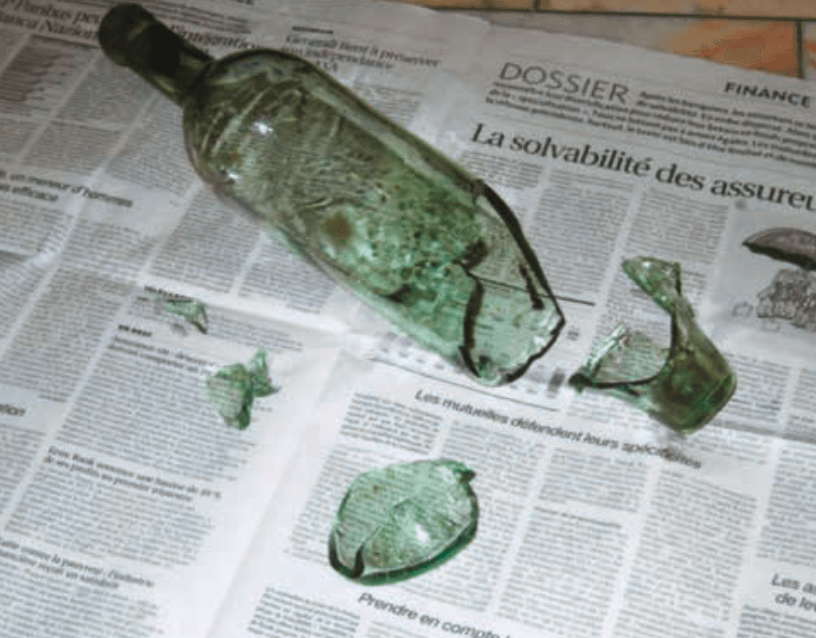
John Baker: to know. I mean, it was the key wine. There’s 216 other bottles there. and I was going to Europe anyway, so I said, okay, I’ll take it and we’ll. And I had a great friend in, in Bordeaux, Jean Francois, who, knew Pierre Lurton at Yquem. And I think he knew Sandrine Garbay, the chief winemaker at the time. And so he organized a visit for me to take this bottle along. And he told them what it was. It was in 1870. And one of the problems, we couldn’t read the fourth digit of the date. It was 187… And just with scraping it with a torch, we just couldn’t read the fourth digit. But that’s okay. We thought, well, when we pull the cork out, we’ll know it is an 1870 question mark. Yes, sir. Jean Francois organized a meeting at Chateau d’Yquem. I was with Jane, my partner, and we were in London. We had the night before and we had largest, ah, dinner with some friends there. I don’t actually drink a lot, but that night we had some pretty nice wine and we had a very. We had an early flight to Paris in the morning. Traveling from the airport into Paris. And they ran a taxi. And we got to our hotel and we had that. We had the Yquem packed pretty well. it was in a, like a wet seat wetsuit sleeve, like a tube. And then it was in a wine bag with some other bottles and had some other padding. And I remember being in a taxi to the airport, and I remember saying to Jane, just keep that wine bag on your shoulder. I’ll look after the other luggage. Just hang on to that. Because, And when we got to the hotel, and I think, you know, it was still 8-8ish or 9ish in the morning, and we’d got from London to the airport, and you know how early that has to be if you want to be in Paris earlyish. So hotel, A lot of those footpaths have been uneven because they’ve got trees growing and all the rest of it. And as they’re pulling all the bags out and putting them on the footpath, I noticed just out of the corner of my eye and I think sixth sense kicks in here. You know where the wine bag is? Well, you know, it’s sort of, your subconscious. Anyway, one bag fell over and I thought, that’s the wine bag. So I climbed over and grabbed it and undid the zipper. And it was moist, bit wet. And I realized it was the Yquem that had bottomed. The bottle had cracked across the bottom. And of course, this is old glass, it’s 1870s. And you know, in hindsight, I should have been far more careful. And. But, you know, you think you’re doing the right thing at the time. And, so the Yquem had broken, but all happened was cracked across the bottom. And because it was in this wetsuit, sleeve was still all held together. So I quickly turned it upside down. So I had most of the liquid still in the bottle. Here I am with another broken bottle. But I, you know, I can’t do anything about the broken bottle. And being in the industry for a long time, bottles break occasionally. You know, you certainly don’t want them to. And you do everything not to. But, you know, accidents happen. You’re dealing over, so many years to so many thousands of bottles that, you know. And so I thought, well, the important thing is I’ve got this important appointment at chateau d’quem and I had to get the liquid, the wine, to, Sandrine Garbay in the best condition I could. And I’m not bad at thinking quickly, you know, not a crisis. All this was a bit of a crisis. So I thought, I need to I need to get this into a screw cap bottle. So I raced down a little shop there and bought two little Perrier bottles and tipped the water out. And when we got up into the room, we carefully poured the Yquem into the little Perrier bottles and let a little bit run over the sides before we screwed the top on to try and stop the oxygen. And, I thought, you know, what else can I do besides having a heart attack? Which just about what I was doing. And, I remember saying to Jane, oh, how did this happen? And she blamed herself for it. She said, it was completely my fault. You told me. I said, yeah, but it’s my fault because the bottle was my responsibility. I was the one that’s to look after it. And she was in tears. I said, listen, don’t worry about this. Anyway, it’s only a bottle of wine, really. it’s not life or death or anything like that. So we came around and of course, there’s a little bit of a Yquem left, which, of course we thought, well, we might as well have a taste, mightn’t we? And to this day, I can remember what it tastes like because I’ve had older Yquem. Not that old, but I’ve had older Yquem. But of course, I should have sat down with a piece of pen and paper and done an organoleptic analysis of. Of the wine in the glass. But I was thinking I was busier, trying not to have a heart attack than worrying about the pros and cons of this wine, you know. So disaster struck. But this is another serendipitous moment. It’s like that bottle that broke in the cellar. if he hadn’t broken it, we wouldn’t have got to taste it. So we had this appointment at a Yquem. And I said to Jane, I
00:35:00
John Baker: said, I’m gonna have to deal with Jean Francois. And she says, oh, well, good luck. I said, I know. How am I going to tell him? I said, how am I going to tell Kevin it’s his wine? Said, oh, God, here we go. But I thought, well, look, you know, we’ll just proceed as we are and, see what happens. I think the next day we went to Bordeaux, and, Jean Francois met us, I think, went to his office. He’s on the Quai de Chartrands, along the quays, there’s. And he said, john, he says, you have the wine. I said, I, do have the wine, John Francis, you’re right. I says, but we have a little problem. And I think I pulled out the Perry bottles and explained it all to him. And he’s listening and he burst out laughing. He says, you know, I believe you. Because he knew me fairly well. He knew the. If I say, that’s it, that’s what it is, that’s what it is. So I said, but what are we going to do with a Yquem? He says, well, he says, you know, we have the appointment. We go anyway. Who knows? Maybe you’d be the first Australian to be thrown out of Chateau d’Yquem! I said, oh, whatever. So, I think the next day we had this appointment to Yquem and we went there and we shown around, had incredibly hospitable there, as I’m sure you know. And then a chap came and said, oh, Sandrine would like you to come to her laboratory. So I had my m. Pack over my shoulder of my show pack, shall we say. And, off we went to Sandrine’s laboratory and we met and she sort of looked at me as if, well, what are we here for? So I actually didn’t know how I was going to do this, but I thought, well. So I actually undid my bag and put my two bottles of a Yquem out and put the broken bottle, which I had, the broken bottle with, the bottom where they had quite a big punt, as I guess they probably did in those days. I had the bottle and then I explained to her what happened. I said, look, I’m really sorry, I, you know, breaking in one of your antiquities or an antiquity of your chateau. I mean, of course it was an accident. And I remember she sort of smiled, without laughing, and she says, oh, well, we taste the wine anyway. So I thought, yes, yes, that’s what I want you to do. So she, took the capsule off the bottom neck as best she could because remember, we still had the neck and the cork was in and the capsule and the whole bottle and just the bottom is missing. And so she took the capsule off as best she could to have a good look at that. And then I think she rang Pierre Lurton, because I guess not every day he tastes an 1870 Yquem. Well, maybe he does, but possibly not to come down. And so he came down and we all had a taste of the wine. And she asked me, you know, what did the wine taste like two days ago? And I said, I, think it was a little bit sharp, a little bit brighter, possibly not quite as caramel. That hint of sherry, I don’t think wasn’t there. so I think it just had a little bit more vigor to it, which I think would happen with those wines in that time. And she turned around with Pierre Lurton, and her assistant was there and the three sipping and talking. And she turned around and said, this is our, wine. This is Chateau d’Yquem. And of course, inside I was just about to explode sort of thing. But I was in fairly dignified wine company. And I thought I sort of have to behave myself. So I went, oh, thank you, Sandrine. That’s very good of you.
Peter: So you were ready to sort of leap for joy. But it actually did turn out you’d been lucky in breaking that bottle. Well, tell us why.
John Baker: Well, because I didn’t realize this, but a couple of things that Pierre Luton said that they no longer open a, bottle older than 1945. And at the time, I wish I’d have asked him. I think I know why, but I wish I’d have asked him why. So he. And he said, so, you know, if you hadn’t broken it, maybe we wouldn’t have tasted it. And, I was at a dinner one night, one of these dinners I’ve done, and the lady said to me, so if you hadn’t broken the bottle, and he said, they don’t open anything older than 1945, would you have opened it for him? And it’s not that often I get caught without an answer. And I thought I said, interesting question. I said, well, under the circumstances, I don’t have to answer it.
Peter: If I asked you the same question, now you’ve had a chance to think about it?
John Baker: Well, if they would have recorked it, yep, I guess I would have opened it, but I might not have had the option. I mean, if they don’t open anything before 1945, and they don’t, well, then they might not have.
00:40:00
John Baker: And the other thing, at Pierre Lurton, I’d met him a few times. Of course, we’d done some business. And he was. I think John Francois knew him quite well. And he, as we’re chatting, he used to turn around. He says, only you Australians would do this. I don’t know if he meant only we Australians would break his wine or only you Australians would be going into Georgia thinking, you can get this one. I don’t actually know what he meant by that, but he said it, as a joke. And. Yeah, in some ways, I think Australians will have a go at this. We’ll have a go at selling Georgia. I mean, a lot of people have said, you’re crazy. What do you think you’re doing well. Okay, maybe now.
Peter: I’m not going to ask if you’re crazy, so I think you’re absolutely not. And this is too good an adventure to pass up on. so you’ve got this verified old Yquem. You know, you’ve got these, tantalizing treasures at your fingertips. But we’re not going to issue any spoilers about how the story ends, partly because there may be a movie coming out soon. I understand. but suffice it to say, you’re still very much alive. That Yquem seemed to be very much, much authentic. Has anything else happened since that you can tell us about?
John Baker: No. With. With the wines. We haven’t seen any sign of, any of the bottles turning up anywhere in the world. And Kevin follows the auctions and, you know, follows what’s going on in that world. And we haven’t seen a bottle that could have come from that cellar. Now, for anyone to try and sell a bottle from that cellar, they’d have to tell the story because. And the provenance possibly doubles the value of the bottle, I don’t know. But certainly adds a lot of money. Adds a lot to it. And we would have heard about it. And, since the book’s come out, I think it’s been out now for five years. Yeah. there’s been, you know, certainly when the book first came out, there’s certainly a lot of talk on websites and social media, I think, in Europe and elsewhere about possibility of the wines and all that sort of thing. So, when I keep getting asked, I mean, I’ll have people come up to me in a restaurant or stop me in the street and sort of say, where do you think the wine might be? Well, I said, that’s anybody’s guess because, you know, people have read the book is. I mean, it’s not a Hollywood ending, the book. I mean, it’s. It’s a, what if and all the rest of it sort of thing. And I think that’s good because that’s just the way it is.
Peter: So. But there could be a part two. You never know. John, in the prologue to your book, you write, sometimes the only thing to do in life is embark on an adventure and see where it ends up. Ah. Looking back, are you glad you embarked on this particular adventure?
John Baker: Oh, yeah, completely. Absolutely. I mean, the number of people in the certainly Australian wine industry, the being in touch, saying, I would have given anything to have been with you doing that. Look, I think I said earlier, you know, in Life. If you get opportunities, you know, I’m a great believer. You take them. I mean, I’m a great believer that, you know, we live in a yes world. You can always say, oh, look, I’ve changed my mind, and I don’t want to go ahead with it, but, you know, I think you’ve got to embark on these things. And we. We knew what we’re doing. You know, we’re probably in Australia anyway. We’re the best equipped and best informed to do this. And yes, it was a matter of where is this going to go and where’s it going to take us? But it wasn’t going to cost us a lot of money unless it all blew up or something. But so we had an incredible adventure. we’d been to Georgia, which I probably would never have gone to otherwise, and under quite exciting circumstances, and being taken around by the Georgians and shown different parts of the country. And then, I mean, I had no interest at all in writing a book about this. but I remember when we were there, I said to Kevin, oh, you better take some photographs while we’re here, because no one’s actually going to believe this. And so all the photographs in the book are just happy snaps, the ones that we just took on the run. I think we end up with about 110 photographs. They’re all in an album, and the publishers just went through and just used the ones they wanted. I think there’s something like 20 or 24 photographs in the book. But I certainly had no intentions of writing a book. But one thing led to another, and a few friends said, you got to tell the story. You know, it’s a great story. You got to tell us. And then we wrote the book, and the book’s been a bestseller, and maybe we might end up with a movie, who knows?
Peter: I was going to say, you’re talking about it now, which is absolutely fantastic. So here’s to adventures in wine. John, thank you very much indeed.
John Baker: Thanks, Peter. Good to be with you.
Susie: What an adventure. That is just such a good story. And they might not have ended up with the wine, but John did end up with a brilliant book and now potentially a movie, too.
Peter: Not to mention a starring role on wine
00:45:00
Peter: Blast, of course, let’s not forget that.
Susie: But the highlight of his entire career.
Peter: You know, we may be seeing John on the big screen sometime soon, played, no doubt by Brad Pitt or Timothee Chalamet or someone similarly hunky. actually, the last I heard from John, it may be a small screen adaptation, but either way, we’ll be tuning in, won’t we?
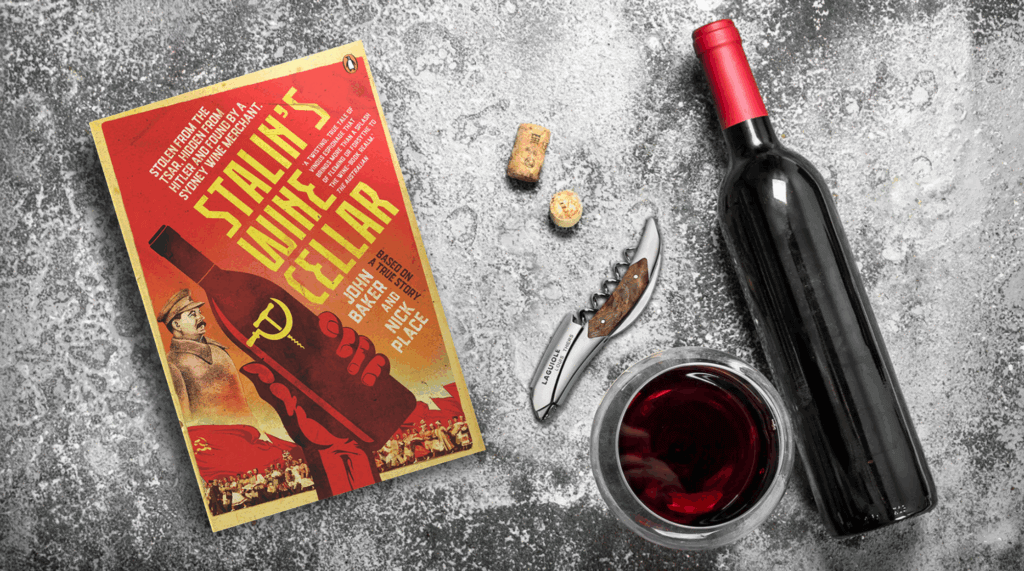
Susie: Yeah. Fabulous story. Here’s to adventures in wine. On which note, if you want to see some of the happy snaps John talks about of his time in Georgia, with firearms and centuries old bottles and naked baths, we’ll put some of those photos on our show notes. They’re well worth checking out. And, of course, do buy the book. Stalin’s Wine Cellar.
Peter: Yeah, it may be, difficult to get hold of these days, actually, depending on where you are. We bought ours a few years ago and I did have a quick check, but anyway, it is, And I know John is actively trying to expand the reach, as it were. Either way, do try to get hold of it. It comes highly recommended. Thank you to John Baker. And thanks to you for listening. Until next time – cheers!
00:45:59