- Season 7 Trailer
- The Jancis Robinson EXCLUSIVE Part 1
- The Jancis Robinson EXCLUSIVE Part 2
- Chile Wines of the Year 2025
- SAN LEONARDO – The insider’s Guide
- The Story of The Billionaire’s Vinegar – Part 1
- The Story of The Billionaire’s Vinegar – Part 2
- Blind Tasting Top 2021 Super Tuscans
- Top of the Pops: Classic Fizz Beyond Champagne
- Rock and Rhône
- Our WINES OF THE YEAR (2025)
- Our BOOKS OF THE YEAR (2025)
- Hugh Johnson UNCUT
- McLaren Vale – Boxer to Ballerina
- McLaren Vale – The Grenaissance
- Peter Fraser – A Tribute
- New Zealand Wines of the Year 2026
- Sam Neill UNCUT
- Giveaway EXTRAVAGANZA + Game-changer Coravin
- Greg Lambrecht UNCUT
- The Story of Stalin’s Wine Cellar PART ONE
- The Story of Stalin’s Wine Cellar PART TWO
Summary
We all know Champagne – but what if you fancy a wine like champagne but maybe less pricey, more fruity or just different?
The good news is: there’s never been more choice, as production blossoms in regions as diverse as Serbia, China and India.
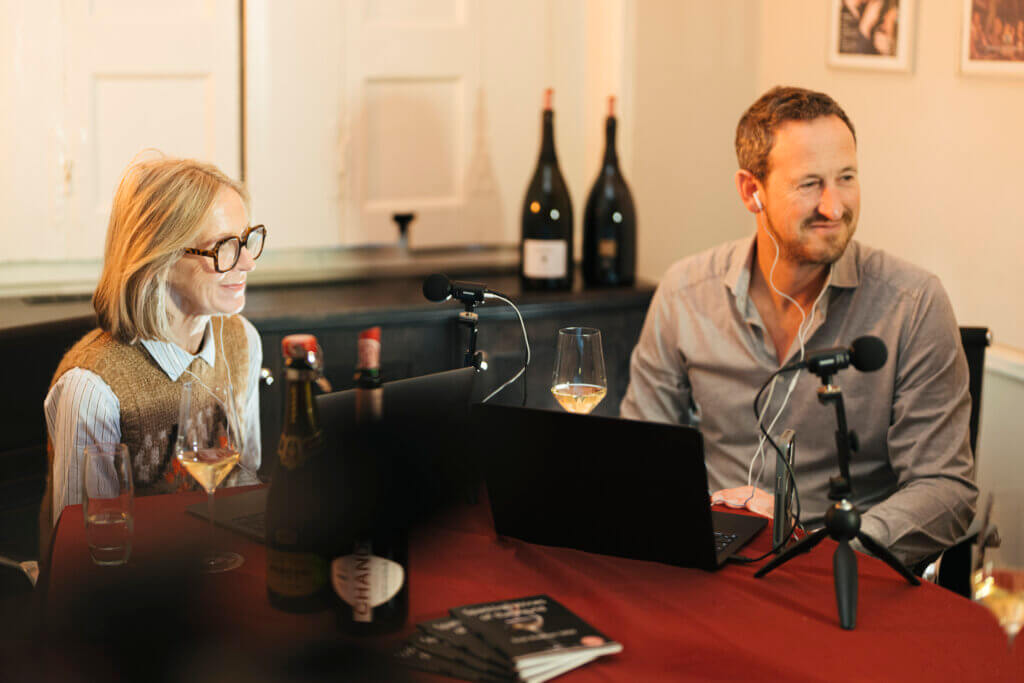
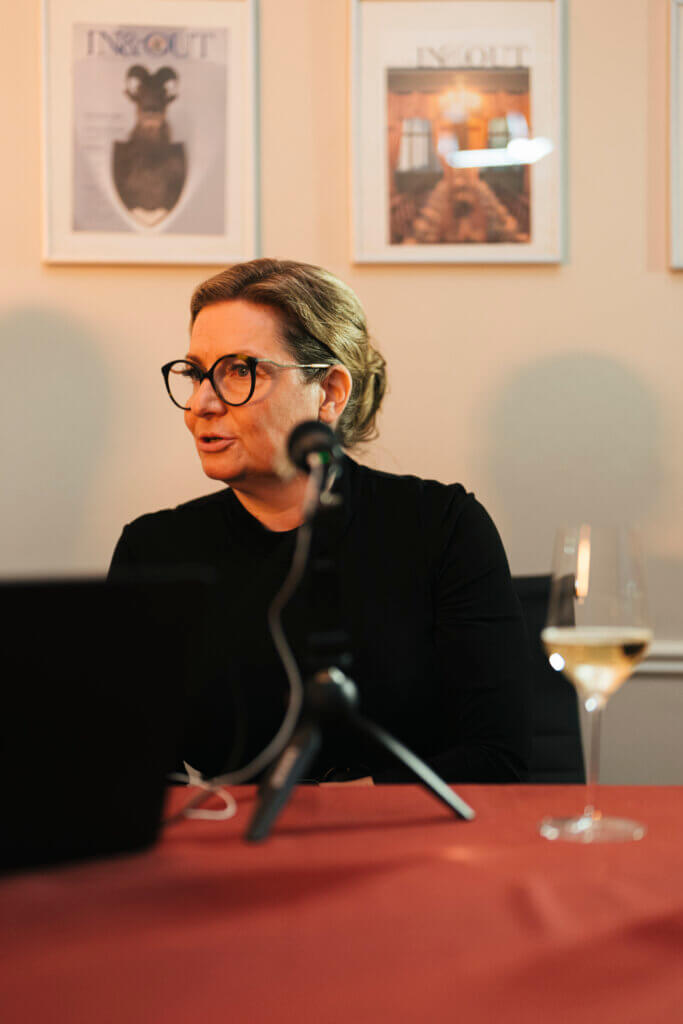
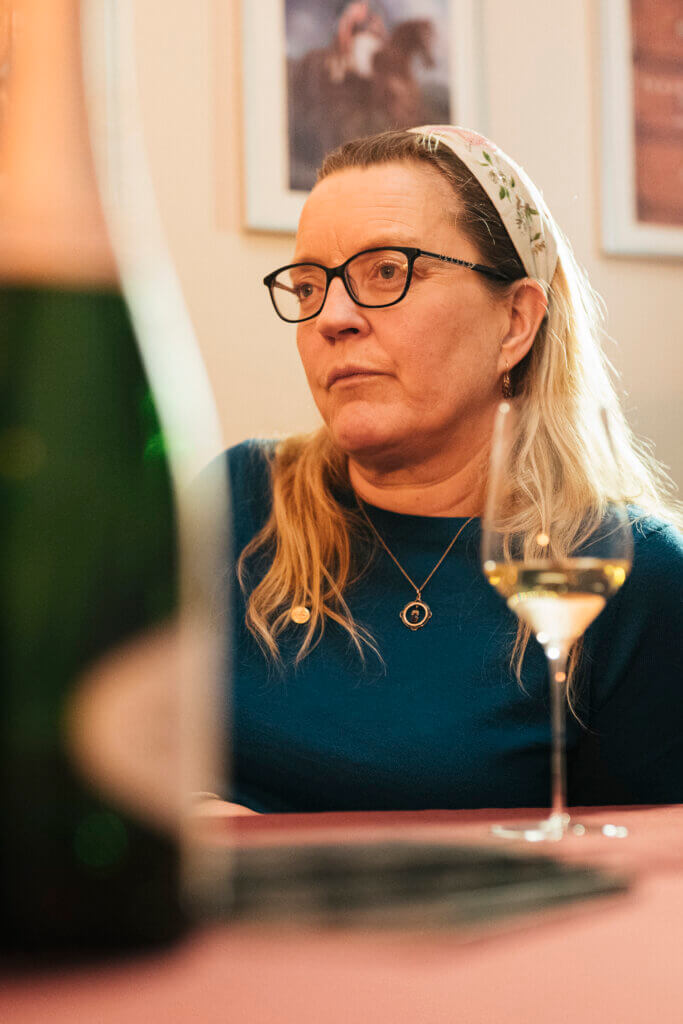
Our stellar guide to the intriguing world of traditional-method sparkling wine beyond Champagne is Essi Avellan MW, one of the world’s foremost fizz experts.
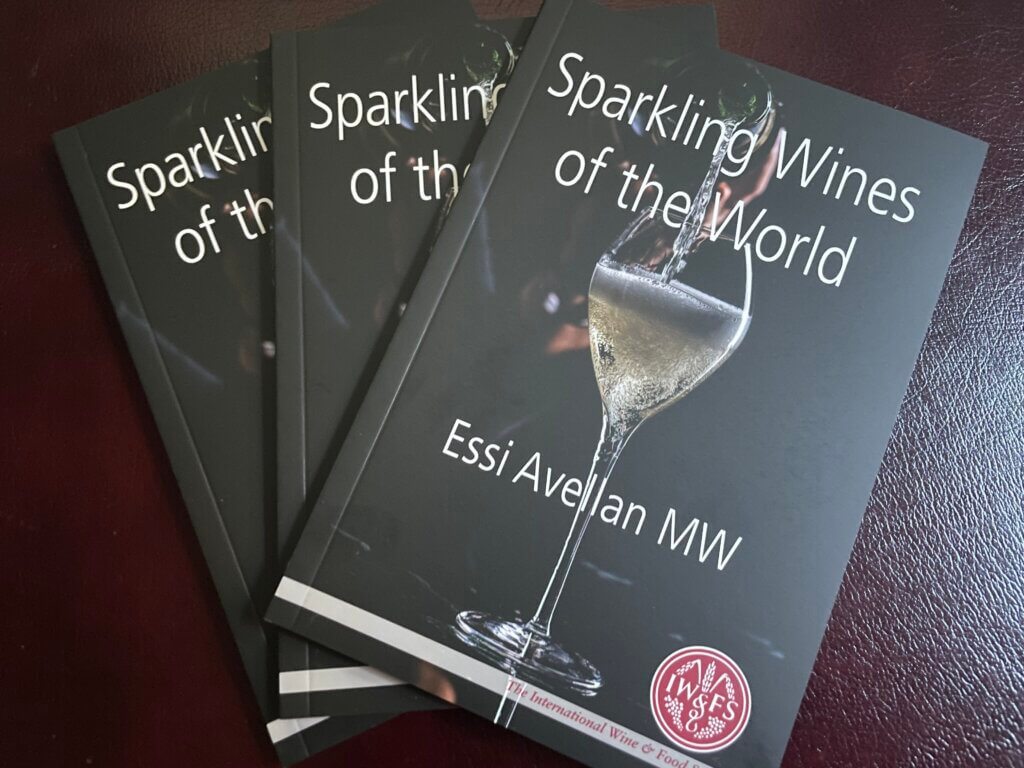
Essi has just published a brilliant monograph, Sparkling Wines of the World, in conjunction with The International Wine & Food Society (IWFS).
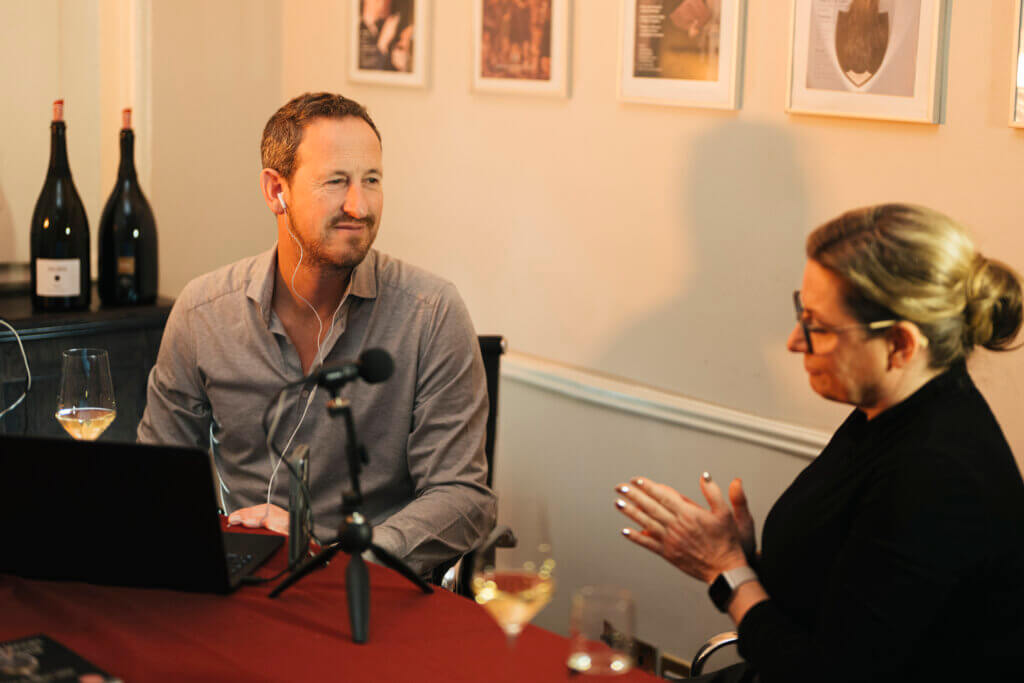
The IWFS are sponsoring this episode and offering Wine Blast listeners 40% off the headline price of Essi’s monograph until 31st December 2025 – so £6 down from £9.99. Don’t miss out!
Just head to the IWFS website – where you can also find out more about them.
The IWFS is the world’s oldest food and wine society, founded in 1933 by André Simon. Nowadays it has more than 6,000 members across the globe, with regular get-togethers, tastings, tours and events.
Also in this episode, we chat with long-time IWFS member and UK wine trade guru, Mimi Avery, recommend some decidedly different traditional-method sparkling wines, and reflect on the importance of deliciousness.
And big bottles.

Starring
Subscribe!
Sign up to Wine Blast PLUS to support the show, enjoy early access to all episodes and get full archive access as well as occasional subscriber-only content.
If you’re quick off the mark, you might sign up in time to qualify for a free copy of Essi’s Sparkling Wines of the World monograph! If you do sign up, let us know and we’ll put your name in the mix. There’ll be more subscriber benefits coming soon too.
Just visit WineBlast.co.uk to sign up – it’s very easy, and we will HUGELY appreciate your support.

It takes a monumental amount of work to make Wine Blast happen. Your support will enable the show to continue and grow – and we have lots of fantastic ideas of things we’d like to develop as part of Wine Blast to maximise the wine fun. The more people who sign up, the more we’ll be able to do.
We currently have an 15% Early Bird discount on initial headline subscription prices – just use the Promo Code magnum25 when you pay. But it’s a limited time offer – so don’t hang around!
Links
- Thanks to the IWFS for sponsoring this episode. They’ve kindly put a dedicated page on their website for Wine Blast listeners – and there’s also a link to the page where you can get 40% off Essi’s Sparkling Wines of the World monograph.
- In the episode, we mention a recent Wine Blast episode so here’s the link: Battle of the Bubbles
- Thanks also to Parker Photos Ltd for the beautiful photos and imagery produced for this episode
- You can find our podcast on all major audio players: Apple Podcasts, Spotify, Google, Amazon and beyond. If you’re on a mobile, the button below will redirect you automatically to this episode on an audio platform on your device. (If you’re on a PC or desktop, it will just return you to this page – in which case, get your phone out! Or find one of the above platforms on your browser.)
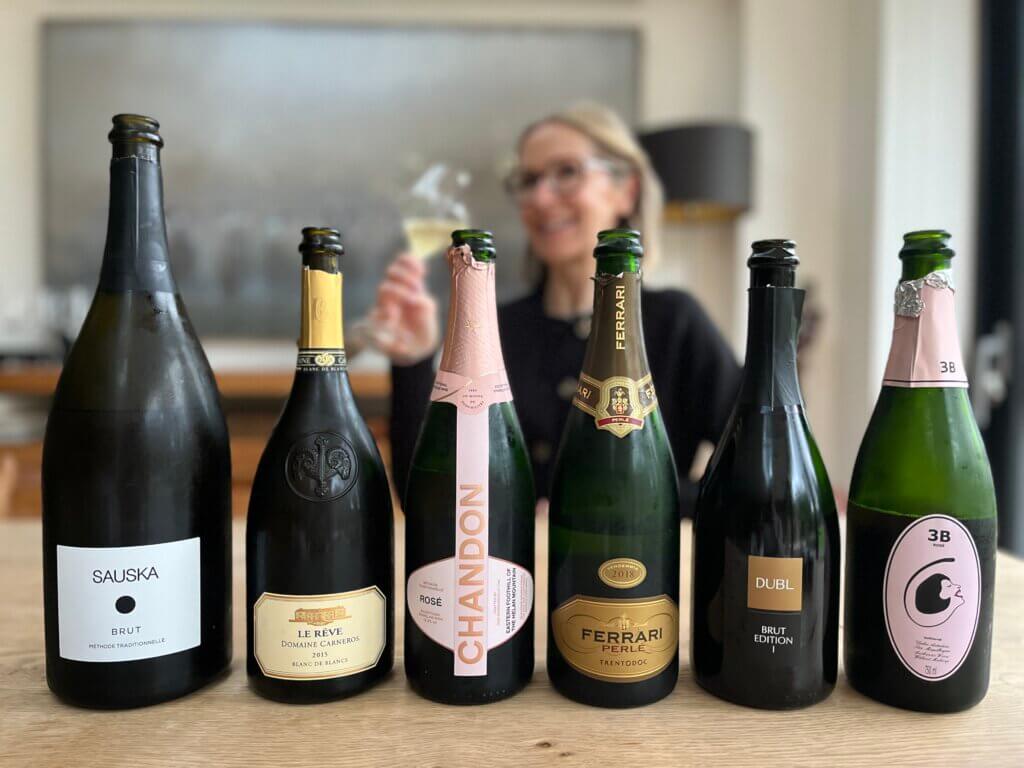
Wines
- Filipa Pato 3B Rosé Brut Nature Unfiltered, 11.5% (Portugal)
- Dubl Brut Edition 1 Metodo Classico, 12.5% (Italy)
- Ferrari Perlé Trentodoc Brut 2018, Trento, 12.5% (Italy)
- Chandon Methode Traditionnelle Rosé, Helan Mountain, Ningxia, 12.5% (China)
- Le Rêve Domaine Carneros 2015 Blanc de Blancs, 12% (USA)
- Sauska Brut Methode Traditionnelle en magnum, 12% (Hungary)
Get in Touch!
We love to hear from you.
You can send us an email. Or find us on social media (links on the footer below).
Or, better still, leave us a voice message via the magic of SpeakPipe:
Transcript
This transcript is AI generated. It’s not perfect.
Susie: Hello and welcome to Wine Blast! In this episode we are going to be on positively effervescent form because we are talking sparkling wine! One of my all time favourite topics…
Peter: It is, isn’t it? And I think the challenge is going to be keeping you from getting over excited here. I think we might have to strap you into your chair or something at some stage.
Susie: Promises!
Peter: Welcome, everyone! We’re talking all things fizz, with someone who answers our standard question of: what did you have for breakfast? (Which we do just to check microphone levels at the beginning of every interview.) In the following glorious way.
Essi Avellan: Oh, I actually had a glass of Cristal Rosé for breakfast. And it’s the truth!
Susie: Essi Avellan take a bow. Life goals right there. So, Essi is from Finland, a fellow Master of Wine and one of the world’s top authorities on champagne and sparkling wine. She’s just published a monograph or small pocketbook in conjunction with the International Wine and Food Society entitled Sparkling Wines of the World, which has as its main focus, and it’s quite a timely one, traditional method wines from outside of Champagne. So wines made like champagne, but not from Champagne. And as you can probably imagine, it’s really rather brilliant.
Peter: It is indeed, isn’t it? It’s fantastic. So this is a sponsored episode in conjunction with the International Wine and Food Society, or IWFS which brings wine and food lovers together all around the world in the name of education, conviviality and fun. They’ve got about 6,000 members worldwide and do many things, including organising wine and food tours, putting on delicious tastings and events, and of course publishing intriguing monographs. well, apart from one, decidedly dodgy one on English wine that came out a few years back…
Susie: May or may not have been written by us! Definitely was, actually. I think it was pretty good, wasn’t it?
Peter: It was, to be fair.
Susie: Anyway, the IWFS is well worth checking out. we’ll put links in the show notes, including a link that will give you a huge 40% discount on buying Essi’s monograph. So just £6, down from £9.99. Now that’s until the end of December 2025. So a, handy stocking filler or present for yourself, whatever. It’s a really good offer, so make the most of it while it lasts.
Peter: Absolutely. And that’s not all, because we’ll also be giving our Wine Blast PLUS subscribers the chance to get Essi’s IWFS monograph entirely free. How about that? if you are a Wine Blast PLUS subscriber, just check your show notes and there will be an email address to write into. the first 50 people to do that with their postal address will get a copy absolutely free. You know, how about that for a subscriber benefit?
Susie: Pretty cool. Yeah. And just to add, the IWFS does take data protection very seriously, so they will be deleting all your details after sending your special freebie out to you. Right, let’s get on with the sparkling stuff. so in this episode, we’re going to be hearing Essi’s unique and fascinating take on traditional method sparkling wines from all around the world. And I do mean all around the world, including places like India, China and Serbia, among others.
Peter: Yeah. We’re also going to be hearing from longtime IWFS member and UK wine trade guru Mimi Avery. Plus, we’re going to be, and you may have guessed this already, any excuse, we’re going to be tasting and recommending a couple of brilliant bottles, again with the theme of, delicious and different things made like champagne, but not from champagne, and indeed from some rather surprising places, in quite surprising ways. So this really is quite a fun one, I suppose.
Susie: I mean, thinking about it, it does tie in quite nicely with the Battle of the Bubbles episode we released fairly recently.
Peter: That’s true. Yeah.
Susie: Where in a tasting of some of the very finest, most vaunted names in fizz, including Bollinger, RD Krug, Winston Churchill, Comtes de Champagne, Dom Perignon, etc. Not only did two English sparkling wines emerge as the favourites, but also, in our opinion, two great value sparklers really shone too. The Roederer Quartet from California and Cloudy Bay Pelorus from New Zealand.
Peter: That’s right. So it’s well worth checking out that episode too. but we need to cut to the chase here and before we get into the monograph itself, we should introduce Essi properly. Ah, as well as being a master of wine and sparkling wine expert, she’s the co author of the monumental Christie’s World Encyclopaedia of Champagne and Sparkling Wine and longtime judge at the Champagne and Sparkling Wine World Championships.
Susie: Now, she’d been handing out the gongs at the latter’s big awards ceremony the night before our, interview. Which might explain The Cristal Rosé 2013 for breakfast. Or maybe that’s just a standard Essi thing. I don’t know. Anyway, we made sure to try to keep her awake and on her toes by asking her lots of
00:05:00
Susie: searching questions, including the following quickfire Q and A
Susie: Cava or Prosecco?
Essi Avellan: Cava.
Susie: Best value region for traditional method sparkling wine?
Essi Avellan: Trentodoc
Susie: Blanc de blancs or blanc de noirs?
Essi Avellan: Blanc de Blancs
Susie: Most memorable sparkling wine bottle or experience.
Essi Avellan: I think it must be the taste of the oldest existing bottle of champagne. 1825 Perrier Jouette with some very dear colleagues. And champenois
Susie: Best sparkling wine and food pairing.
Essi Avellan: There are so many. I must be boring. And say, white truffle with a super good blanc de blanc Champagne.
Susie: Not boring at all. Which glass is best for sparkling wine?
Essi Avellan: A tulip. shape, large enough glass.
Susie: Where will the limits of sparkling wine production be in 20 years time?
Essi Avellan: Well, I hope not in Finland. I hope the climate doesn’t warm, up so much that we could grow vines in Finland.
Susie: If you had an unlimited budget, where would you choose to make sparkling wine?
Essi Avellan: That’s an interesting question. Well, champagne, of course.
Peter: Okay, so I think that gives us a good insight into Essi the person as well as the fizz expert, with her predilection for 1825 Perrier Jouet and, white truffles, don’t you know. just off the back of that, though, if you, Susie Barrie had an unlimited budget, where would you make sparkling wine?
Susie: Oh, I don’t know. Maybe California. You know, there’s a good lifestyle, nice people, lovely food. or actually, to be fair, Tasmania. Such an amazing place. And it would also mean I could get some winter sunshine, which I would love. And they are making fabulous sparkling wines there right now, aren’t they?
Peter: Yeah. totally agree.
Susie: What about you?
Peter: I’d probably go England. The risk of being boring. Maybe we could do both. We could do both. You know, two hemispheres, England, Tasmania. Love that.
Susie: We’d never argue, would we? So far apart.
Peter: Anyway, let’s get back to Essi and her Sparkling Wine of the World monograph. I mean, it is an intriguing read, isn’t it?
Susie: Yeah, yeah, yeah.
Peter: partly because it’s such a concise publication. It’s really dinky and pocket size, you know, and only about 100 pages, but it packs in so Much information and informed opinion, doesn’t it?
Susie: Yeah, it really does. It’s very clever. There is so much in there. And she’s brilliant on things like winemaking, the history, grape varieties, glassware, food, the best bottle sizes for fizz. And there are also loads which I loved, of really useful tables and graphics to help explain and illustrate things. She does touch on champagne, but she mainly goes on a whistle stop global tour of exciting sparkling wine areas all around the world. And as you say, it’s done so concisely and eloquently.
Peter: Yeah. and I’m just thinking we should probably just have a brief explainer here about traditional method sparkling wine. So wine made like champagne, you know, what does it mean by that traditional method? We mean those sparkling wines that get their bubbles from refermenting in the bottle. So the base wine is made normally, but then it’s put back into the bottle with a bit more sugar and yeast, and refomenting within that closed bottle gives it the bubbles.
Susie: But the magic of this traditional method is not just the way the bubbles are formed. It’s what we call the infusion effect. Because once the yeast cells die off in this small fermentation format of the bottle, or slightly larger magnum, the. The yeast lees then infuse the wine with aromas and textures and character. A bit like, you know, an infusion with tea.
Peter: Yeah. And we’re also going to touch on dosage, in this episode, again, something we’ve looked at before on the pod, but after the second fermentation and ageing process that we’ve just described, the yeast lees are taken out of the wine and it’s topped up with a dosage which can include a bit of sugar or sweet grape juice.
Susie: And this is, of course, very much up to the producer and what style they want to make. in the old days, most traditional method sparkling wine was pretty sweet. And these days it’s the opposite, mostly pretty dry. And there has been a notable trend of late to go super dry with ultra low dosage levels, something we ask Essi about. And either way, all of this complexity in detail means traditional method fizz is endlessly fascinating.
Peter: And in her monograph, Essi doesn’t shy away from voice her opinion, which I think is great. you might not always agree, but it makes it so much more interesting. she busts a few myths and delivers quite a few top tips. at one point, she recommends banning certain bottles. That’s something we’ll come on to in our interview. And some of my favourite quotes from her monograph Include the, It is hard to think of a wine more cheerful than sparkling wine. And another one. My advice, skip the half bottles and opt for the larger formats.
Susie: Cheers to
00:10:00
Susie: that. So I began by asking Essi to tell us about her monograph.
Essi Avellan: Yeah, it was a great privilege, to be able to write this monograph booklet, for the International Wine and Food Society. Personally, I’ve worked with wine for more than 20 years today, and I’ve, specialised in champagne and sparkling wine for maybe, close to 20 years now. So a long time. So of course it was. It’s a very, you know, passionate, subject, for me. And it was really nice to make this rather concise book about it, because it’s such a dynamic topic and I think people don’t quite know what’s happening around the world now.
Susie: You know, sparkling wine inside out. What is so special about it?
Essi Avellan: Well, there’s many things that fascinate me about sparkling wine. when I, got into the wine world, the more I knew, the better I know it. You know, just start to understand the. The complexity of the sparkling wine world. By far it’s, the most, complicated wine style to make. It’s really the one where, you know, the human. The impact of the human hand is the greatest. And that to m. Me, sometimes, you know, people say that, okay, Champagne is not a terroir wine because there’s so much blending taking place, for example. But whereas to me, it’s. It’s really a human craft, that blending thing. And to me, it actually enhances the appreciation of, champagne. And the same goes with other sparkling wines as well. So I thought it was like sparkling wine was. Was a bit misunderstood, that it’s just the easy party drink, you don’t need to know much about it and, you know, just pop the cork and that’s it. Whereas actually there’s such, a great, you know, know how behind. And of course, just as vast terroir as for any other wine.
Susie: Just tell us about the market performance of sparkling wines, including Champagne in recent years.
Essi Avellan: Yeah, it’s fascinating. I mean, at this moment, you know, wines are facing quite challenging times, especially red wine. It’s actually quite worrying to look at the world consumption trend now. the trend looks luckily better for sparkling wine. I think for many reasons. One being that, we like lighter styles, fresher styles at the moment. And also I think a lot of it is impacted by women drinking wine, more wine, and also women being increasingly also, in control of what the household drinks. And I think women have, for some reason, I don’t know why there is this. This preference for sparkling wine. And that’s helping a lot. One thing, what I’m trying myself to encourage is to, drink sparkling wine throughout the meal, which to me, like, there’s so much more potential for consumption of sparkling wine if you take it away from just being an aperitif or a party drink to be an actual food wine
Susie: And do you think there is, in that sense, and maybe other senses too, room for further growth?
Essi Avellan: Yeah, definitely. And that’s happening right now. I think Prosecco is of course, the wine that has, ah, grown massively in the last, 10, 15 years. So I think, you know, sometimes, you know, many champenois or other sparkling wine producers, they consider this as a risk. You know, the, see Prosecco as a great competitor taking away market share from. From them. But I actually think, Prosecco is a good, you know, stepping stone into the world of more complex styles of sparkling wine. So I see it as a, positive trend.
Susie: So if we just go back a step from that, from where it all began, the history of the traditional method being created. It’s a curious one, isn’t it? And I know many people refer to Dom Perignon, but the truth is slightly different, isn’t it?
Essi Avellan: Yeah, exactly. I think in many places it still gets repeated that Dom Perignon invented sparkling wine. But actually, I think nowadays we believe that he actually fought against the bubbles. All his, career, he was trying to make still, wine. But of course, at that time, in the 17th century, they didn’t understand what is fermentation. so it meant that the wines, you know, when the cellars in Champagne when they got cold in the winter, the fermentation just, stopped. And if the wine had been bottled, the weather, got warmer again. In the spring, it started again. And of course, you know, the, bottles bursted and we got, those bubbles as an end result, which were considered as a fault in the beginning.
Susie: So we didn’t talk about Christopher Merret and his influence. Could you just talk a little bit about that?
Essi Avellan: Yes. So, in the beginning, the, Champenoir were really trying to avoid the wine bubbling. and it was actually illegal to sell champagne in bottles until 1728. so you couldn’t actually have sparkling, champagne in bottles in another country. So that was why an Englishman, at least the first recorded one was Christopher Merrit in 1662, that he deliberately, added Sugar and yeast to a wine of Champagne to make it ferment, here in England.
Susie: So
00:15:00
Susie: did it really start in England?
Essi Avellan: Yeah, exactly. The deliberate, one probably made by addition of sugar, probably did.
Peter: Okay, so I’m just going to jump in here, because I think it’s worth picking up on this issue of fizz in wines being considered a fault for a long time. And then the suggestion that the traditional method, sometimes referred to as the metod champenoise, was actually invented in England rather than in France.
Susie: Yeah, it is. It is worth clarifying a bit. Firstly, on the fault issue, when people, People didn’t understand the mechanics of fermentation and yeasts pre Louis Pasteur, they didn’t realise that yeasts could go dormant at, low temperatures. So if you still had sugar and viable yeast in your wine, but you put it in bottle and then it got cold, like in Champagne in autumn and winter, when those bottles warmed up again in the spring, the fermentation would restart, creating bubbles, hence pressure. And if your bottles weren’t strong enough, they’d explode on occasion, causing serious injuries. Which is why, as Essi explains in her monograph, sparkling wine was sometimes known as the devil’s wine.
Peter: The, devil’s wine. I mean, that’s the marketing strap line right there, isn’t it? I’d want a bit of that anyway. But, yeah, actually, when it’s, causing serious injury, that’s a different matter. But then the English, you know, who had stronger bottles and also insights from the cider making process, realised that you could put a base wine into a strong bottle, add more sugar and yeast and make it sparkling deliberately and safely. and this method was outlined in a paper delivered to the Royal Society in 1662 by Christopher Merret. So the evidence, you know, as he says, does indeed indicate that the English invented this traditional method. metod anglaise, maybe. I don’t know. Sounds a bit like custard, doesn’t it? But then the French. The French, of course, picked up that particular ball and ran with it and the rest is wine history.
Susie: indeed, going to go into this subject in a bit more depth in a future episode?
Peter: Yeah
Susie: So keep an eye out for that. In the meantime, I like Essi’s way of framing fizz as the wine where the impact of the human hand is greatest and to good effect, because we don’t always give enough credit, do we, to the importance of human skill in the winemaking process.
Peter: I think that is such a good point. Such a good point. I also like her way of seeing Prosecco as a sort of entry point to the wider category of sparkling wine too. You know, it’s sort of nice and friendly way of reframing that particular competition. Right, let’s take a breath before coming back for more fizzy wine fun.
Peter: By way of brief recap so far, sparkling wine is a fast moving, dynamic category. And an intriguing new publication by Essi Avellan offers an informative and opinionated insight into the world of traditional method fizz, busting a fair few myths along the way. sorry, Dom Perignon.
Susie: So we are, midway now through our interview with Essi and next up, I ask her where she stands on the low dosage debate.
Essi Avellan: for me, actually the amount of sugar is not that, interesting or the category where the wine, belongs to me, as long as the balance is correct. to me, it’s a good thing. I don’t like necessarily the trend, for the driest possible wine because often, at least the wines of Champagne or England or many other very cool corners of the world, the balance just doesn’t work. The wines are a bit, they’re of course high in acidity, because the sugar can rounden that feeling of acidity a lot. but where I think it often, makes, a negative impact is, the finish of the wine. So I feel like if the wine has the right amount of dosage, even very little, it really adds on the length and the deliciousness of the wine. And to me, deliciousness is very important quality criteria because I like wines where you really, as soon as you’ve swallowed it, you just want to take the next, sip. So this sort of drinkability is essential.
Susie: And I think I know the answer to this, but I’m going to ask it anyway. What do you consider to be the best bottle format for sparkling wine and why?
Essi Avellan: Well, I guess one could say that the bigger the better, really. but there’s a limit to that. So, I think the normal 75 centilitre is quite a small format for very, beautiful ageing of the wine. Whereas, the Magnum is, I think, very ideal in its ratio, ah, of oxygen ingress, over time. So I prefer a Magnum in a blind tasting, Basically, I’d say 99 times out of 100, I prefer the Magnum. The difference is so great.
Susie: So that’s. Now Champagne is obviously the global benchmark when it comes to traditional methods.
00:20:00
Susie: Sparkling wine. What’s exciting you about champagne right now?
Essi Avellan: Champagne is actually superbly dynamic at the moment, it’s really. There’s so much happening there. M. now, you know, when I started in the champagne world, you know, I was doing my Master of Wine at the time and my dissertation was about the single vineyard champagnes. At the time I could find less than 30 and now I can name more than 700. So that really explains like a big transition in what’s taking place. I think champagne is really considered as a wine nowadays. There are people who are super passionate about it, want to know about its terroirs as passionately as people do of Burgundy. And the single vineyard, Champagnes are really valuable, like shorthand devices in that because you can actually take taste wine from that particular, plot, and the next one, and then, you can maybe better appreciate, the complexity of the blend afterwards. To me, very seldom the single vineyard champagne would be the best, but they are really useful in understanding the region better.
Susie: There are of course many exciting areas beyond champagne when it comes to traditional methods sparkling wine. Which ones in particular would you highlight?
Essi Avellan: Well, of course, English sparkling wine is super exciting. Exciting. And there are a lot of people now asking about, you know, is it getting too hot in champagne? Will England be the next, next, source of this sort of very lean, fresh style of sparkling wine? And I think, now a couple of Champenois houses have established vineyards here. So I think that that speaks of the potential of England. I’d say overall Italy is the most dynamic country as a whole, for sparkling wines. So they have, they are a great champagne market. They love to celebrate and drink sparkling wine. But they have increasingly great sparkling wines themselves. Of course, Prosecco in the, tank Method, but more and more Franciacorta, Trentodoc, Alta Langa, and even all the way down to Sicily and Campania. They have great, sparkling wines.
Susie: If we want to find the best value for money when it comes to traditional method sparkling wines outside of Champagne, where should we be looking?
Essi Avellan: Well, I think, as I mentioned, Italy overall is extraordinary. what’s been really interesting in the recent years is the rise of Eastern Europe. As you might know, there was this big, tradition of sparkling wine there already during the communist era. But it was of course this big, government owned facilities. But I think they taught people to like sparkling wines. And now in many of the countries, Hungary, Bulgaria, Romania, Serbia, there’s actually great sparkling wines, coming and at very, very affordable prices.
Susie: You do talk quite a Bit about that in your book, don’t you? I know it’s a fascinating little section. Can you give us some examples of, you know, other more left field traditional method sparkling wines perhaps from other parts of the world that we are not so familiar with?
Essi Avellan: Yeah. What’s interesting is the rise in the new world. they would largely be using the Champagne grape, varieties. So it’s this sort of similar style to what we are used to. Australia especially Tasmania, it’s like technically they’re super sound, the wines and climate, is very suitable. New Zealand is something what I’d love to see more in Europe. But the best New Zealand sparkling wines tend to stay in New Zealand and in Australia. So we don’t get to taste them as much as, you know, before I started to look into it, I actually thought like, you know, that California would be a very hot place to produce sparkling wine. But actually when you are at the right spots like Anderson Valley, it’s actually a fabulous, area for sparkling wine. And I really, truly love, those wines.
Susie: And I know that you mentioned, Nova Scotia and Ningxia in China. What about those?
Essi Avellan: Yeah, absolutely. I mean, I think, think as I said before, if you understand what is needed, if you, you know, it’s not like people think, chalk is necessary for producing top quality sparkling wine. When we talk about English sparkling wine, you often bring up the topic of the chalk, but you actually don’t need that chalk. It’s, it’s about, you know, where you are and the, and the, you know, hydrology within the vineyard that what brings the best results. So you can actually, you know, India, it’s a tropical climate. They actually, the grapes grow, to harvests a year of which they only pick the spring one and make wine from that. In Ningxia, you have to bury the wines. It’s so cold, so continental. You actually have to bury the wines, the vines for the, for the winter. So you have very extreme, surroundings where you can make top quality sparkling wines. Both of those, for example, have won gold medals at the Champagne and Sparkling Wine World Championships. Raja.
Susie: So we may see more of those in the future?
Essi Avellan: Yeah, absolutely.
Susie: What’s the most unusual or unique
00:25:00
Susie: traditional method fizz you’ve ever tasted?
Essi Avellan: M. That’s an interesting question. I’m quite intrigued by these. Now in the world of wine, we have a big trend for autochthonous varieties all around the world. And of course they have also a lot to give in the sparkling wine, scene so like in Campania, of course we would be using the Fiano Greco, Falangina grape varieties. I was fascinated by Couvage, that makes a Nebbiolo Dalba, traditional method sparkling wine. An extremely good one at that. And of course you know, the red sparkling wines are always fascinating. The first time you taste them you think m. I’m not sure if this is good, but once you get used to them they actually can be super.
Susie: Good in the right context, I guess. In your book you mentioned the perils of light strike and something that we’ve cover covered on the pod and something to which traditional method sparkling wine is particularly susceptible. Can you tell us a bit about that and what your advice would be, on that front?
Essi Avellan: Yes, exactly. There is something in the method that produces a lot of these chemicals that make it especially prone to the destruction of light. Of course you should never keep any wine in clear glass bottle, in direct light. But the, the traditional method sparkling wines, they develop this what we call the light strike or Gout de Lumiere taste of light within minutes. You can easily test it at home. Just put a glass of sparkling wine, outside for five minutes in the sunlight and compare it to a fresh one and it’s a night and day. So they develop this sort of, I don’t know, cabbagey, yogurty, sometimes very, very pungent, even like soup, sewage like aromas, ah, very quickly. And the consumers are not aware of it and even the trade are very poorly aware of it. Which I think is a big problem because these bottles seem to be very attractive to the consumers. They really work commercially. And there are some wines that have become even very popular a lot because of the clear glass bottle. They look so stunning. And then of course other people ah, copied the recipe and we have more and more of them, them.
Susie: But would you like to see clear flint glass banned?
Essi Avellan: Yeah, absolutely. If I was champagne or some other area, I would totally ban the clear glass bottles. They are just complete insanity. Very often it happens that at the wineries they serve me the wines, tasting of ah, light strike. So if they cannot keep them proper at their own wineries, how could the merchants, how could the consumers ever do so? So, and there’s no, no way knowing it before opening the bottle. So it’s a problem.
Susie: And how do you see the future, for sparkling wine?
Essi Avellan: Yeah, I see the, the future, very positively. I think people are generally liking the style and it’s a dynamic world, still have things happening all around the world for that. But in this same moment, I might must say that I am a little concerned, also for sparkling wine, of this, today’s trend of drinking less wine and being a bit too healthy sometimes and not celebrating and not, you know, because what is wonderful about wine and sparkling wine is that it’s really, you know, something that brings people together. And this, to me, is very, very valuable.
Susie: So thank you, Essi
Essi Avellan: Thank you so much.
Peter: Cheers to the importance of bringing people together and celebrating and not being too serious all the time.
Susie: Oh, wholeheartedly agree with that.
Peter: Yeah, we totally endorse that sentiment, don’t we? But, you know, interesting that she’d advocate for banning clear glass bottles, calling them complete insanity. Something we’ve called for too. and also, interestingly, the Magnum effect.
Susie: Yeah, yeah, we didn’t go into too much detail there, but clearly Essi feels that Magnums are the best way to go when it comes to traditional method sparkling wine. Just because it seems to be the Goldilocks production zone for Top Fizz, you know, where the flavour development just works best, hence preferring them 99 times out of 100 in blind tastings compared to the same wine in a normal bottle.
Peter: Actually, she had a great story about a larger format, didn’t she? She did.
Susie: We were talking properly large formats like Jeroboams and bigger, and she ment mentioned that the rules in Champagne have changed recently to allow producers to referment the wines in smaller bottles. Then when that’s, all done, fill up the Jeroboam formats using a bunch of the smaller bottles. But she says she’s very anti this because you lose the all important flavour effect of maturing the wines actually inside those Jeroboams. Anyway, on that topic, she confessed she’d had a big birthday recently and
00:30:00
Susie: had served a nebuchadnezzar that that’s 20 bottles worth of Champagne Palmer, which is renowned as a producer who still makes these large formats in the traditional way.
Peter: That sounds like a very good party,
Susie: She said it was indeed a good party. Moving on, though, let’s bring in Mimi Avery, who worked for the International Wine and Food Society and actually met its founder, the great Andre Simon. She’s got a brilliant photo of her as a tiny, tiny tot perched on his knee and sipping white wine out of his glass. now, for many years, Mimi worked for her eponymous family firm, Avery’s of Bristol, before recently launching a solo business as a speaker presenter. I asked her to tell us about her experience as a long standing member of the IWFS and what she enjoys about it.
Mimi Avery: well, way back in the beginning when I joined it, it was lovely to meet all these amazing people who wanted to know so much about wine and food. but also, they do fantastic tours of various areas. And so for example, when they said, when they said they were doing a trip to Piedmont, I was out there going, oh yeah, I’m in, I’m there, I’m going. and then there was also, one of the newer branches, Valencia. within a year of setting up, they had us all there for a weekend. And they’re brilliant. Fantastic.
Susie: So beyond the trips, what are the main benefits of being a member?
Mimi Avery: Oh, the people. Absolutely the people. I mean you get out of it what you put in as with all sorts of things. so there’s a lot of stuff going on around the world and people visit each other. and yeah, you just get to meet lots of people and find out about lots of nice wines in nice environments with some pretty good food to go with.
Susie: I should hope so. Hope so. So we’re talking about sparkling wine, specifically today. So in what ways is sparkling wine important within the IWFS context?
Mimi Avery: Again, going back to the tours that I’ve done, you know, you go to Asti and you try Moscato’s there and it’s very different to trying them in England on a cold October day at lunchtime when you’re doing a tasting of 10 wines for quality control and it’s all a bit meh. but when you’re there and you’re experiencing and you hear about the history and how long they’ve been producing it and it’s just, just quite incredible. So there was in Valencia, we had all these different carvers. you know, some of them were those traditional Spanish varieties, but they were moving into the noble varieties.
Susie: So you talked there about the, some of the tours that you’ve done that involve sparkling wines. What about the sparkling wine tastings the IWFS has done?
Mimi Avery: So they have done. There was a tasting recently, where they put in, I think six or seven, the Grandes Marques and a special surprise. and in fact the special surprise was an Nyetimber wine. And, it got twice as many votes as the wine that came second. It was really incredible. But with the 1976 judgement, of Paris anniversary coming up next year, I know they’ve got in the pipeline some tastings of lots of different things, but one will be champagne and sparkling wines to See the, see the difference in how well they’re doing.
Susie: That must have been though, fascinating. Going back to that. I think it was February, wasn’t it, that this this tasting with the champagnes and the one Nyetimber wine, I mean they were proper stellar champagnes in that tasting, weren’t they? And then the Nyetimber came out on top, which is quite extraordinary.
Mimi Avery: But yes, I mean Nyetimber, you know, they were in of the modern era of English wine, as you guys well know. they were the, the first and they were really, really get. Setting their mark very, very quickly and very early on. I remember visiting and they had, they were quadrupling their plantings, and it was going to take something like 14 years for it all to come on board and go into vintages and everything. But it was heavy investment and yeah, I mean they’d gone from strength to strength.
Susie: So 2026, you’ve got various head to head tastings planned and one of them, as you say, marks the 50th anniversary of the 1976 judgement of Paris tasting when upstart American wines, best of the French classics. So that will involve, will it, a mixture of champagne and rest of the world.
Mimi Avery: They’re doing a set of of the tastings and there is going to be a sparkling wine one which to all intents and purpose is champagne versus the rest of the world.
Susie: How exciting.
Mimi Avery: Not quite sure you can say that anymore really though, because there’s such good sparkling wines coming out of everyone else that it’s, it’s almost which is going to be the best amongst equals. I realise you can’t really say that with champagne either but you know, I’m sure they’ll forgive me.
Susie: What kind of sparkling wines tend to feature though in IWFS tastings?
Mimi Avery: There doesn’t seem to be any real theme. they, you know, as I say, it can be anything from again, 1988, the journal that I was reading the other day, Belgian sparkling wine to start their evening. Evening. Now I then looked up in Essi’s book and yep, she clearly states Belgium. Been doing it for a while. I
00:35:00
Mimi Avery: believe over 100 years. so, you know, it shouldn’t be that unusual but there’s only so much that we can all know about and learn about. So actually that’s what I love, even being in the wine trade and yet going to these things is you always learn something.
Susie: And what do you enjoy most about sparkling wine, Mimi?
Mimi Avery: It’s just a bit of fizz. It’s just. I love it. I really like it. I didn’t used to like it as, when I was younger, but I do find it’s just a really light, refreshing, great acidity. You don’t have to have food with it, but it goes well with food. Goes, amazingly well with food. That’s what that. I remember when I first did a champagne, all through the meal, event, and that was an eye opener, the fact that it went with everything.
Susie: And what final message would you have to our listeners about the IWFS?
Mimi Avery: Find out your local branch and if there is one, I mean, you can always go along as a guest for the first couple of events, see if you like it or not. they’re great. You can also be a roving member. so if there isn’t a branch near you, but you go to London occasionally or you go to Bath occasionally, you can be a member without territory, shall we say. And so you can go and see what’s going on at all of them and pick when you’re in the area or a particular subject theme that you want to go to, or a particular restaurant you’d like to see. But, yes, it’s very fun.
Susie: Mimi, thank you so much.
Peter: Very fun. Love the sound of that. and of course, we’d emphasise the fact that the IWFS is a global organisation with hubs all over the world. big membership in the Americas, I think, for example, then Europe, Africa, Asia. And clearly they do some seriously cool stuff, including organising intriguing tastings, like the blind tasting you were talking about with Mimi there, where the English sparkling wine nightmare beats some pretty stellar grandma champagnes.
Susie: Indeed. Yeah. Yeah. And it sounds like they’re. They’re lining up a bunch of similarly fun tastings in 2026. And, to celebrate the 50th anniversary of the judgement of Paris. Paris back in 1976. And so, as we say, well worth checking out the iwfs. In the meantime, we need to recommend a few cool sparkling wines before we wrap up.
Peter: We do. We do. So we asked Essi for some tips from her, monograph for traditional method fizz from outside champagne. That’s a bit, I don’t know, different or good value or just interesting. we deliberately steered away from English sparkling wine because we talk about that a fair bit on the show already, as you will well know. Know. but we had some pretty fun stuff to taste, don’t we?
Susie: We did, yeah. So. So let’s kick off with something completely different. This is The Philippa Pato 3B rose, brute nature. unfiltered from Portugal. A blend of mainly the Baga grape with 16 Bical. It’s got nine months on the lees It’s about £20, so not, not expensive, not in the fizz context. And it’s a bit crazy, isn’t it? It is decidedly artisanal and fairly natural, I’d say, and feel. it’s got flavours of bruised apples, spiced black fruit, a slightly salty note on the finish. You know, it’s very dry but I really like it. You know, it’s something to have, I guess, with you know, a nice rustic pate on brioche or some charcuterie. Ideally in a low lit natural wine bar surrounded by uber cool people.
Peter: So not me then. I wouldn’t be invited to that.
Susie: I probably wouldn’t be there either. I’d like to think I would in my dreams.
Peter: It’s definitely fun and different, isn’t it? I think it wouldn’t be for everyone. And it’s definitely worlds away from your sort of squeaky clean fruit plus yeasty tones of classic traditional method fizz. But do you know what I mean? I think there is a place for this.
Susie: There is. It’s a low lit natural wine park.
Peter: That’s the place. The thing is, I know some people argue that classic classic sparkling wine, you know, traditional method shouldn’t be oxidative or funky. But I think there’s room for all styles across all wine categories. I think this is really important. As long as it’s clear what the style is, that’s fine. You know, we shouldn’t be closed minded in wine. You know, we should embrace diversity and risk and fun in wine, whatever the style. Do you agree?
Susie: Yes. Are you done with your soapbox?
Peter: I am. That’s. I’m stepping off.
Susie: Good. Because I’m afraid I want to get on mine.
Peter: Right, I see. That’s the way it works.
Susie: We can’t both be on a box together. now this is to talk about the issue of fizz with food. Both Essi and Mimi mentioned it and I get it. Good sparkling wine can make a very good match for some dishes or food. Of course it can. You’ve got fresh acidity, a fundamental help when it comes to food matching. And you’ve got savoury flavours as well as fruit. Where I disagree is the idea of having sparkling wine wine all the way through a meal. It’s fun to try it, but actually in practise I always find myself quite quickly feeling desperate for A glass of red. Because these wines, you know, as lovely as they are, tend to inhabit similar flavour
00:40:00
Susie: spectrums in a relatively high acid style. And within a meal involving a few courses, you want to change things up. You can do that with the food, which you obviously do, so it makes sense. Sense to do it with the wine too.
Peter: I completely agree. we’ve both done these sort of champagne only meals, haven’t we? And they’re really interesting. I mean, you feel privileged to do it. They’re interesting, sort of almost from an academic sort of perspective, intellectual perspective, but from a pure enjoyment point of view, you do find yourself gasping for a red or whatever.
Susie: Or whatever, yeah. Or still white.
Peter: I agree with you. Fizz can go well with food, but I don’t know, I think we would say enjoy it with a range of nibbles or perhaps to start, but then, you know, give me a good white or red or tawny port or whatever. After, that, you know, apart from anything else, you end up getting quite gassy, I think, from. From all that sparkling.
Susie: I mean.
Peter: Yeah, maybe that’s a personal. Is that a personal thing? Apologise. Maybe I’m just spilling too many secrets here, but it’s like lager and curry, isn’t it? It’s great in theory and, you know, we’ve all been there, but my word, you end up with a full stomach made even fuller from bubbles.
Susie: I can’t believe you. You’ve got onto beer and curry in a posh sparkling wine episode. Talk about, Anyway. Anyway, I’m gonna get things back on track with the Dubl Brute Edition one. And this is Dubla.
Peter: Or double.
Susie: Oh, maybe it’s double.
Peter: It could be either.
Susie: But it’s D, U, B, L. Yeah.
Peter: It could be either.
Susie: Whatever you fancy.
Peter: Let’s pronounce it however the hell we want to.
Susie: It’s Italian. I can’t do. Anyway, it’s made. It’s made from the Greco, which I think is the right way to pronounce it, grape in Campania. It’s about £35. Now, Essi mentioned the. This kind of thing when she was talking about the rise of autochthonous grape varieties. And you don’t really expect traditional method fizz from southern Italy either, do you? But it’s made by Feudi di San Gregorio, who apparently took advice from the brilliant Champenoir Anselm Selosse.
Peter: Two very good producers.
Susie: Two very good producers. Yeah, yeah, yeah. It’s, fairly long lees aged, And it’s impressively fresh and well Balanced with a herbal lime rind quality. And it’s not very autolytic or yeasty, but it’s pretty elegant, isn’t it?
Peter: It’s almost like a fine white wine with elegantly integrated bubbles, you know, as a bonus, isn’t it? It’s that sort of style. Maybe one for people who, who don’t want a super acidic sort of yeasty champagne style, but want something, you know, a bit more savoury and weighty perhaps, than Prosecco. anyway, moving on. but sticky in Italy, which Essi of course mentions as being a very dynamic country for traditional method fizz. I’ve got the, Ferrari Perle Trentodoc Brut 2018. Don’t know if I pronounced that right, but, this is 100% Chardonnay, made in the Centre DOC region in Northern Italy, aged at least five years on the Leeds. And you definitely get that sort of autolytic, bready, biscuity character here, don’t you? With a kind of honeyed, almondy apple and sort of lemon flavour spectrum too. It’s generous and savoury, isn’t it? the fizz is quite soft, but there’s lots going on on here.
Susie: Lots of people are talking about Trenta do and Franciacorta, aren’t they? In terms of traditional method fizz, this one is maybe not as refined as good champagne, but there’s plenty of wine there. Now, next up, something completely different. Chandon China rose from m the Helan Mountain in Ningxia. Now, Essi mentioned this as a relatively new frontier in fine fizz. And Chandon China’s Brut won a, gold medal at the 2024 Decanter World Wine Awards. It looks elegant in the glass. it has flavours of rich apple and sweet strawberry. It’s got nice, well integrated bubbles. The dosage is quite High at 22 grammes per litre, so you definitely get that off dry finish, but it’s, it’s not cloying. And do you know where I think this would were? At the risk of contradicting myself, this would go well with food, you know, with. Especially with slightly spicier Chinese dishes or, or ones that involve a little bit of. A little bit of sweetness.
Peter: Yeah, I totally see that. Totally. So it’s probably quite versatile in that sense, isn’t it? Yeah, and it’s really pretty well made in that style too. I mean, just. Just extrapolating further, you know, he did mention when we chatted how having champenoir expertise can help regions, new regions and Countries develop so much faster than if they. If they develop. They don’t, precisely because, you know, as, she says, this style is so complicated to make and, and tiny details make such a big difference. So, you know, experience really counts.
Susie: Yeah, I mean, obviously Chandon is part of LVMH, which owns Moet, Verve, Clico, Krug, etc. And they’ve helped fast track sparkling production from Argentina to India to Australia and China. You know, even Nyetimber, which we’ve mentioned, mentioned, had Champenoir help initially back in the day from Jean Manuel Jacquino. So it’s a collective effort, isn’t it?
Peter: Absolutely, absolutely. So, one wine left each, and we’re running short on time. and talking
00:45:00
Peter: of champagne expertise, I’ve got a more luxury option. It’s the Domain carneros le reve 2015 blanc de blanc. this is Champagne Taittinger’s outpost in California. And now this is not cheap. as I’ve said, it’s about 105 pounds retail. But it is pretty special. No, this is full on. You know, you’ve got lemon pith and roasted apple fruit. You’ve got nutty, toasty, bready, autolytic aromas. You’ve then got hints of tobacco and dried fruit and white chocolate from the maturity. It’s very long, very complex stuff. Maybe, maybe you could argue a bit obvious enough for up front. But there’s so much class and complexity here too, you know, and the dosage is spot on. Fabulous stuff.
Susie: A fizz to sink into IRO and talking California. This does also remind me of our battle of the bubbles earlier, earlier this year, the tasting we did. Now, Le Reve is expensive and wonderful, but at that tasting, the Roederer quartet showed really well up against Krug, no less. And that’s. I think it’s only about 30 pounds.
Peter: Ish.
Susie: Ish. So all this goes to show, if you weren’t already aware, how California can make really good traditional method fizz across a range of price points.
Peter: Totally. And of course, the other one we flagged, up in value terms from the battle of the bubbles was the Pelorus from Cloudy Bay in New Zealand, which was not only the official best value result from the whole event, but it also tasted better, than the Laurent Perrier rose for both of us in that little category. And that is, what, what, 26 quid, versus 80 quid for Laura Pere Rose. You know, and of course, Essi did mention New Zealand very positively too.
Susie: Yeah, we definitely endorse that. Wouldn’t we? Now, my final wine is a bit different.
Peter: It’s a bit bigger for a start. Why do you get a big bottle?
Susie: I like big bottles and. But it ties into Essi’s mention of not just Eastern Europe, but also the Magnum format.
Peter: Okay, fair enough. Fair enough.
Susie: Anyway, so we have got a Magnum of Sauska Brut from Hungary, the Tokaj region, where there’s some really good fizz being made. You know, this is a blend of Furmint, Chardonnay and Pinot Noir champagne. Winemaker Reggie Camus consulted. And it’s lovely. M. You know, precisely because it’s a bit different. You get these lifted floral aromas together with ripe apricot and orange rind notes. And there’s a delicate yeastiness to it. The dosage is well balanced. If you’re not looking for autolysis and structure and power and you want something a bit more lifted and refreshing and fruity, this is a very good option. And plus it looks great too.
Peter: It’s pretty cool. Yeah.
Susie: Magnum, lovely label. It’s. It’s really nice.
Peter: I’ve definitely got my eye on that for tonight. It’s gonna be a Magnum night tonight.
Susie: You in on your own?
Peter: I wasn’t envisaging you. Sharing anyway, I have to say. Anyway, you have to ask very much nicely. and of course, if you want any more tips, there, are loads of tips and recommendations in Essi’s monograph. Right. any last comments about traditional method sparkling wine before we sign off? I know this is a big.
Susie: You know, it’s. Yeah.
Peter: Favourite subject of yours.
Susie: Very close to my heart. I think I just agree with Essi that this is a really dynamic wine scene. So many exciting wines from an increasing range of origins and across a growing range, range of styles, which is great to see and I’d say it would be good to see more value wines that really major on the main asset of traditional method, which is the yeasty, savoury flavours. There are slightly too many so called traditional method sparklings that just don’t deliver much flavour or, or savoury complexity. And that’s always a shame.
Peter: Yeah, I agree. And. And just think about it. I’d pick up on a point that Essi made about delicate deliciousness, which I thought was a really good point and a lovely word. It’s so vital in any wine, but particularly with fizz, you know, and so the global trend to ultra low sugar levels is misguided to my mind, except in exceptional cases. And I know we’ve said this before on the pod, but I’d say it again here. It’s better to make a balanced wine that is truly delicious and will keep you going back not just for another sip, but also another bottle or another case, you know, so, you know, I think we should raise a glass to delicious in our fizz.
Susie: I sense another batch of T shirts being ordered. Right, time to wrap things up by way of closing. Summary Traditional method sparkling wine is a dynamic and ever more diverse scene from Hungary to China, via southern Italy and beyond. There’s so much to learn about and explore when it comes to sparkling wines, and one good way to do that is via Essi Avellan’s extra excellent monograph or indeed joining the International Wine and Food Society.
Peter: Yes, thanks to the IWFS for sponsoring this episode. do consider checking them out or joining head to iwfs.org or there’s a link in our show notes. there are also links to get your discount on Essi’s monograph or if you’re a Wine Blast PLUS subscriber, your free copy if you’re
00:50:00
Peter: among the first 50 to request it.
Susie: Another great reason to subscribe to Wine Blast plus right there. And we do have more benefits coming soon. Meantime, thanks to our interviewees Essi Avellan and Mimi Avery. And finally, thanks to you for listening. Until next time, cheers!