- Season 7 Trailer
- The Jancis Robinson EXCLUSIVE Part 1
- The Jancis Robinson EXCLUSIVE Part 2
- Chile Wines of the Year 2025
- SAN LEONARDO – The insider’s Guide
- The Story of The Billionaire’s Vinegar – Part 1
- The Story of The Billionaire’s Vinegar – Part 2
- Blind Tasting Top 2021 Super Tuscans
- Top of the Pops: Classic Fizz Beyond Champagne
- Rock and Rhône
- Our WINES OF THE YEAR (2025)
- Our BOOKS OF THE YEAR (2025)
- Hugh Johnson UNCUT
- McLaren Vale – Boxer to Ballerina
- McLaren Vale – The Grenaissance
- Peter Fraser – A Tribute
- New Zealand Wines of the Year 2026
- Sam Neill UNCUT
- Giveaway EXTRAVAGANZA + Game-changer Coravin
- Greg Lambrecht UNCUT
- The Story of Stalin’s Wine Cellar PART ONE
- The Story of Stalin’s Wine Cellar PART TWO
- Drop Stop: Wine’s Big Water Issue
- Missing the Point?
- Keep Calm and Sauvignon
- Yeastie Boys: Wine’s Modern Microbial Solutions
- Adelaide Hills: Lofty Ambitions
- Natural Wine RELOADED
- The Judgement of Paris 50 Years On
- The Greatest Chardonnay Showdown
- Pays d’Oc Part 1 – Land of the Free
- Pays d’Oc Part 2 – Future Proofing
- News & GB Wine Update
- Wine Travel: The Inside Steer
Summary
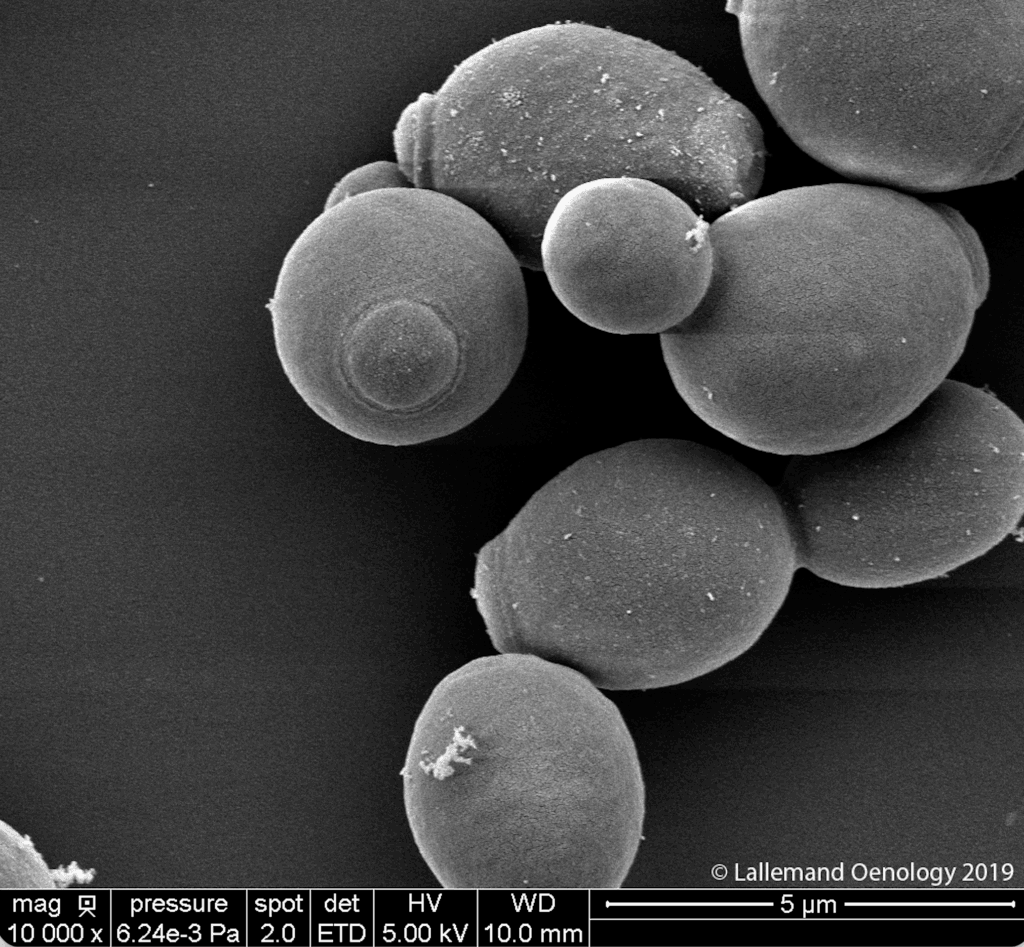
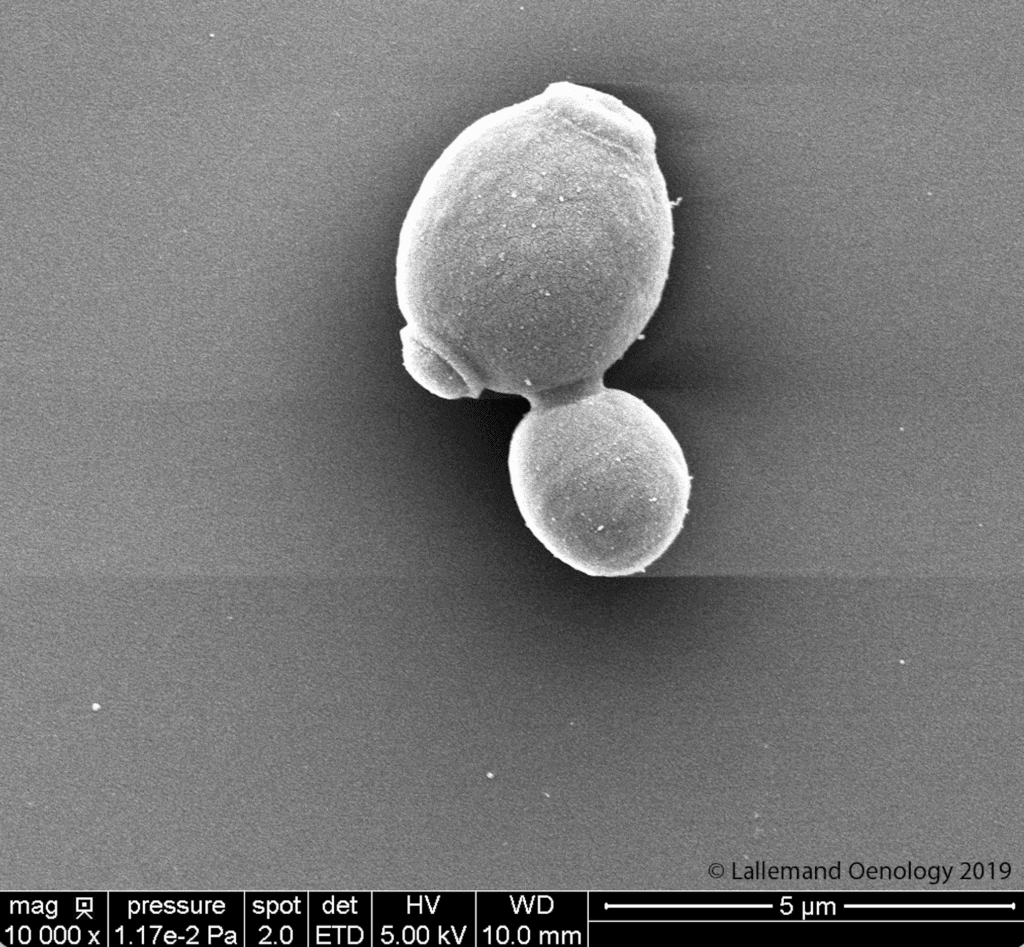
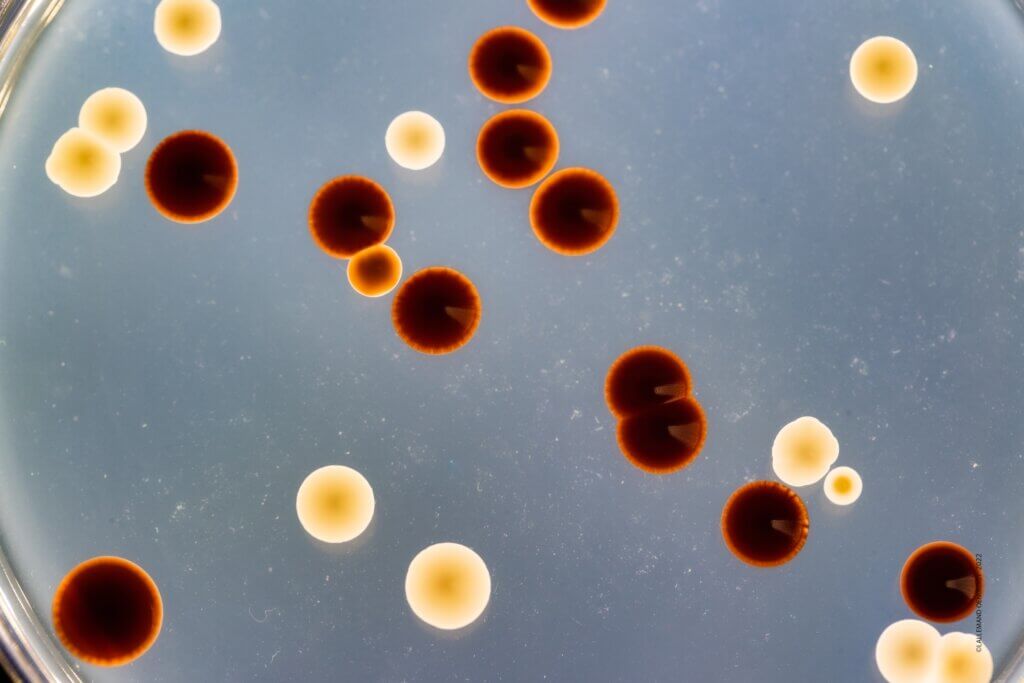
Grab your magnifying glass and white coat, we’re getting microscopic – but this goes well beyond fermentation.
We’re exploring the cutting-edge techniques whereby the power of yeasts is being harnessed in fields as diverse as viticulture, winemaking and shipping.
Even without the microscope, this is an eye-opening episode…
Wine is facing many challenges.
Climate change. The cost of living crisis. Sustainability targets. Shifting consumer tastes and trends.
But what if microbes can provide solutions to these issues and more, reducing the need for chemical inputs and putting winemakers for once on the front foot?
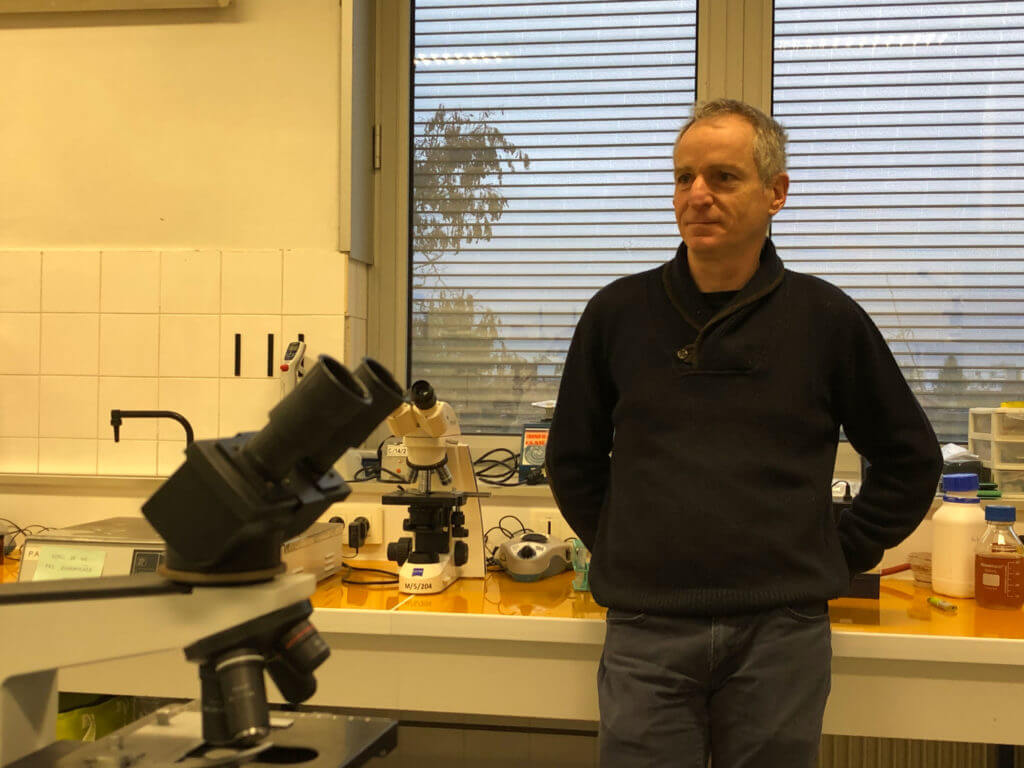
This episode is sponsored by Lallemand Oenology, who have granted us privileged access to their latest research and contacts in the field.
We hear from wine consultant Christopher Chen, yeast expert Professor Hervé Alexandre, and M&S winemaker Belinda Kleinig, who report on their applied experience testing these new products.
From helping vines survive drought to prevention of rot, reducing the need for sulfites and acidification, even ensuring your wine can arrive fresh after crossing continents – innovative microbial solutions are being applied to all these pressing tasks and more.
The term, ‘game-changer’ is used in this episode. Tune in to find out why!
Starring
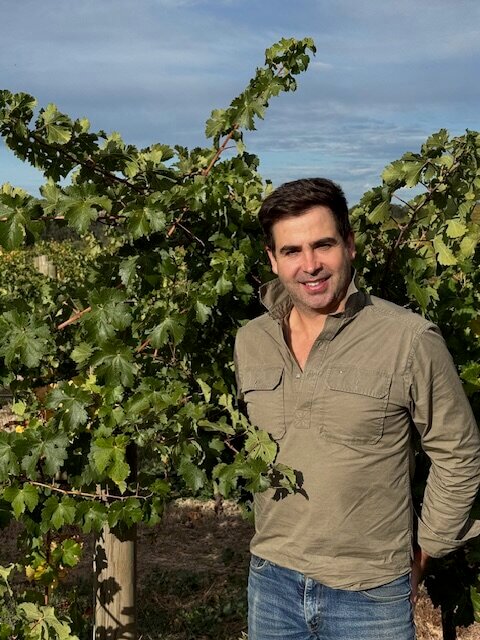
- Christopher Chen, wine consultant
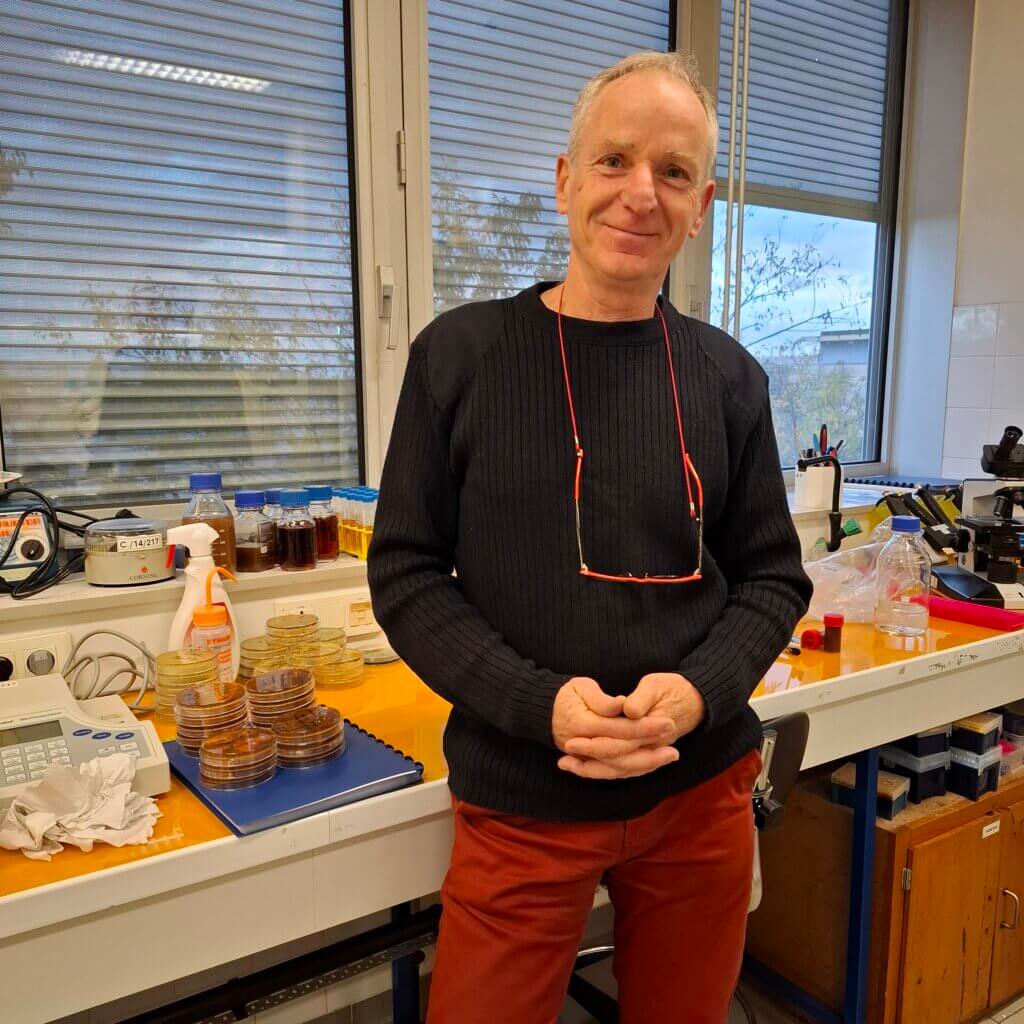
- Professor Hervé Alexandre, University of Burgundy
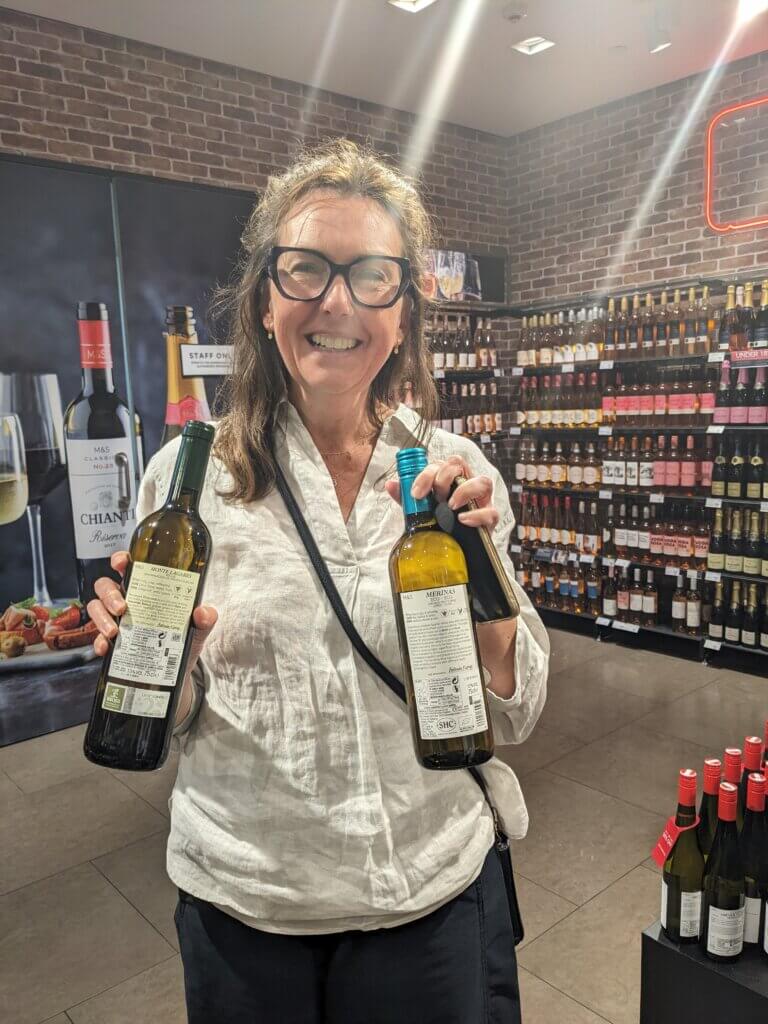
- Belinda Kleinig, Marks & Spencer
Subscribe
Sign up to Wine Blast PLUS for first-class subscriber-only content, to access our full archive, support the show and get every episode before it goes on free release.
You’ll also get subscriber-only discounts with the likes of Coravin, Jancis Robinson glassware and Academie du Vin Library.
Just visit WineBlast.co.uk to sign up – it’s very easy, and we will HUGELY appreciate your support.

It takes a monumental amount of work to make Wine Blast happen. Your support will enable the show to continue and grow – and we have lots of fantastic ideas of things we’d like to develop as part of Wine Blast to maximise the wine fun. The more people who sign up, the more we’ll be able to do.
Links
- You can find out more about this episode’s sponsor Lallemand Oenology via their website
- You can find our podcast on all major audio players: Apple Podcasts, Spotify, Google, Amazon and beyond. If you’re on a mobile, the button below will redirect you automatically to this episode on an audio platform on your device. (If you’re on a PC or desktop, it will just return you to this page – in which case, get your phone out! Or find one of the above platforms on your browser.)
Get in Touch!
We love to hear from you.
You can send us an email. Or find us on social media (links on the footer below).
Or, better still, leave us a voice message via the magic of SpeakPipe:
Transcript
This transcript is AI generated. It’s not perfect.
Susie Barrie MW 0:05
Hello and welcome to Wine Blast! It’s a joy to have you with us. Thanks for tuning in. And this one’s an intriguing one because we’re exploring how the power of yeasts is being harnessed in increasingly creative and sometimes surprising ways to serve the cause of wine.
Peter Richards MW 0:24
Yes, we’re brandishing our microscopes and donning our white coats, which we always keep handy. Don’t we?! Well whatever. So the idea being that we can get to grips with this busy and perhaps sometimes misunderstood microscopic world and how it’s helping wine cope with everything from climate change to new consumption trends. Here’s a taster of what’s coming up:
Christopher Chen 0:47
These are the tricks you’ve got to start using, but we need more and more and more of these, I guess, tools because the traditional applications that we’re putting out there are not going to cut it for the future.
Hervé Alexandre 0:57
So a lot of microbial solutions are very efficient. Yeast can also help to reduce the chemicals. So there are really many, many different applications of this yeast.
Belinda Kleinig 1:08
Oh, it was incredible. We were shocked actually. It’s a game changer. Yeah, I think it’s exciting and it’s really positive.
Susie Barrie MW 1:14
So, respectively, that’s winemaking consultant Christopher Chen, Professor Herve Alexandre, and shocked Marks and Spencer winemaker Belinda Kleinig, all talking about the power of yeasts.
Why yeasts? Why now?!
Peter Richards MW 1:26
Yeah, we’re going to be hearing more from them all in due course. But first, let’s get into why we’re looking into this, why now, and how it’s all going to work. So I think deep down, we all want to believe that wine is totally natural and artisanal and sort of bucolic. We come at it with rose-tinted specs, in short. It’s a form of cognitive bias. Uh, at least that’s my excuse.
Susie Barrie MW 1:53
You have excuses for many things, don’t you? But the reality, of course, is that in order to make wine, intervention is essential. Even if it’s just a human putting crushed grapes into a vessel where it hopefully won’t turn into vinegar. That’s intervention. And intervention actually happens all the way through the wine process from cultivating the grapes and ensuring a healthy harvest to then making and packaging and shipping the wine.
Peter Richards MW 2:19
Yeah, so given that intervention is essential for wine, the vital question then becomes: how much and what kind of intervention? This is a topical debate, of course, because at one end of the scale you have the more extreme end of the natural wine spectrum where producers go for zero additives and ultra-minimal intervention, which stands in stark contrast to a high-volume conventional branded wine, for example, with significant intervention.
Susie Barrie MW 2:47
Now, this debate can get pretty heated and shouty, but the reality is that the vast majority of wine sits somewhere in the middle of these two extremes, and drilling down into the detail of interventions can reveal all kinds of fascinating things, particularly when it comes not to chemical or physical treatments, but microbial solutions.
Peter Richards MW 3:10
Now, I don’t know about you, but we find the microbial world intriguing. It’s a realm that has been invisible and unexplored for most of human history. But now we’re just starting to realise how massive its impact can be on us as humans and in the natural world around us, including wine.
Susie Barrie MW 3:30
So we all know how wine wouldn’t exist without yeast. They convert the sugar in grape juice into alcohol, at the same time generating the flavours and aromas that make wine, wine. So far, so good. But these days the story doesn’t end there. What we want to get into in this episode is how yeasts are now being put to work in all kinds of ingenious ways, from the vineyard to global shipping logistics, to reduce the need for chemical intervention, help with sustainability, combat the effects of climate change, and adapt to changing consumer trends.
Peter Richards MW 4:06
To do this, we’ve teamed up with Lallemand, who are sponsoring this program and giving us privileged access to their latest research and their contacts in the field, as it were. So we can get a sense of how they’re working with producers to confront the many challenges facing wine these days and what exactly is happening on the front line of microbial innovation.
Susie Barrie MW 4:29
So just a quick word on Lallemand. They’re a family-owned company based in Canada which specializes in microorganisms in the agri-food world. They actually started out serving the baking industry and still do that to this day. But with a global team of over 400 R&D scientists, they now work across a number of fields, including brewing, biofuels, animal nutrition, probiotics, and plant care, and of course, wine production.
Peter Richards MW 4:58
Yeah, on the wine front they make yeasts, bacteria, and nutrients, uh, all natural, no GMO stuff. Uh many of these focus on the basic fundamentals of winemaking, the primary alcoholic fermentation or the softening melolectic fermentation and the bits and bobs around that. But what piqued our interest was when we found out about the other more adventurous purposes they’ve been putting their microbes to as biostimulants for bioprotection and bioacidification, even to help ensure your wine stays fresh while it’s crossing continents.
Christopher Chen on helping vines resist drought
Susie Barrie MW 5:31
So we wanted to find out more. First stop, Australia and respected consultant Christopher Chen. Chris was born and bred in Tasmania, now based in Adelaide. His work has taken him all over the world, including Switzerland, where his family has roots, France and beyond. He’s worked in everything from natural wine to biodynamic and organic projects, right through to large-scale conventional operations. He says he’s pinched the best bits from all of them.
Peter Richards MW 6:03
Chris has impressive qualifications and experience across a number of roles, but we wanted to talk to him specifically about viticulture. In particular, and touching on a theme from a recent episode about the challenges around drought and water availability for vines in an era of climate change. He says water security is absolutely vital. So I asked him what options he has to cope with water stress in the vineyard.
Christopher Chen 6:29
Um, well, no bad dirt is a is a really good one. Um we’re also dramatically trying to increase the organic material in soils across the various properties I work with. In a lot of respects, there’s not much you can do when you have high winds and high temperatures. You’ve just got to keep plowing the water on until this these events stop, and we’re seeing those increase rapidly actually. Um there are I think three or four instances in the last growing season in the Barossa Valley where we could not physically put enough water on to prevent damage. So I saw these sort of I guess weather events happen in Switzerland in the Rhone Valley, so the source of the Rhone River in the in the far east of southern Switzerland. They had no irrigation there, and they have the foehn, as they refer to it, you know, the hot the hot wind that comes through the valley there, and we would lose crop because we had no irrigation, and that’s also a very arid area. So the long and short of it is unless we’ve got an endless supply of water and the most up-to-date irrigation systems, there’s there’s very little we can do in the in the more extreme uh viticultural scenarios.
Susie Barrie MW 7:37
So this is a serious situation, an increase in extreme weather events, causing damage to the vines and the grapes, from Switzerland to the Barossa Valley. And as Chris says, very little we can do.
Peter Richards MW 7:49
Yeah, and he clarified that the damage can be as severe as complete defoliation. So the vines shedding all its leaves and the fruit raisining on the vine and essentially being totally lost as a crop. In the most extreme cases, perhaps where the plants are already weak or old or diseased or perhaps frail after multiple events of this nature, the vines, you know, can die. So this water issue can be existential.
Susie Barrie MW 8:12
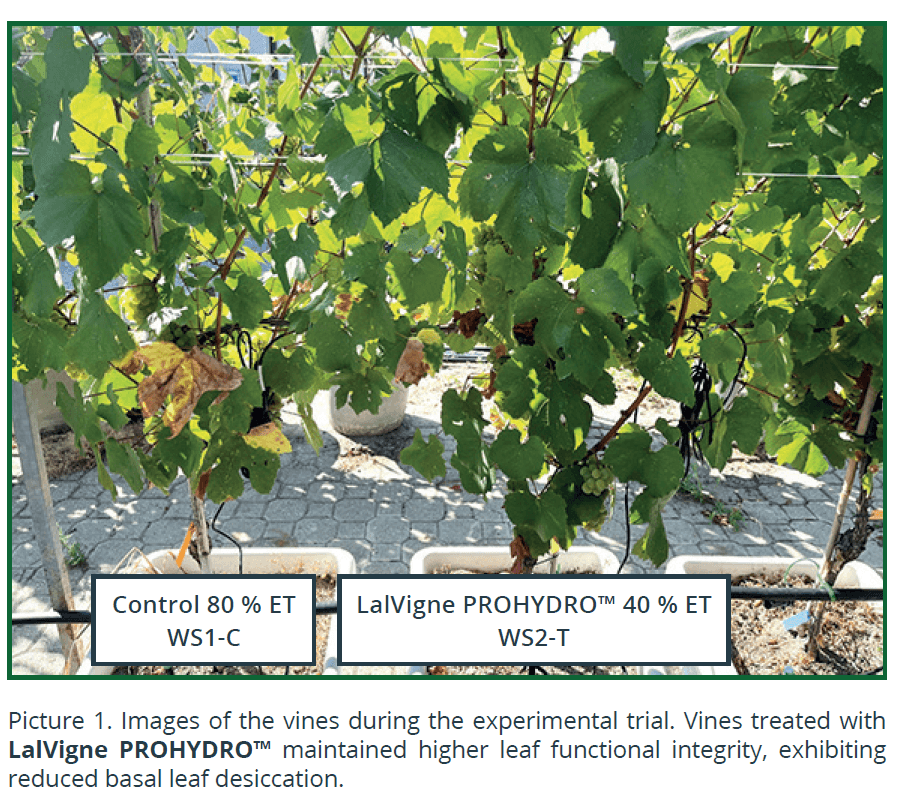
So the reason Lallemand put us in touch with Chris was that he recently trialled a new product of theirs called Prohydro with one of his clients, Greenock Creek, in the Barossa Valley. Now, this was during the 2026 vintage, which saw the kind of extreme events that Chris was describing.
Peter Richards MW 8:30
Now, Prohydro is an intriguing thing. It’s a natural derivative from wine yeast that contains a high level of proline, an amino acid that plants naturally produce when they’re stressed by heat or drought. Proline is kind of like a vine’s natural stress shield, helping maintain cell hydration, protecting leaves from heat damage, and keeping photosynthesis running even when water is limited. By spraying vines with prohydro, the idea is you essentially boost their natural stress coping capacity.
Susie Barrie MW 9:00
Now, early trials were promising, showing better leaf hydration, healthier vine canopies, and less oxidative stress. Basically, the vines behaved as if they had more water even though they didn’t. Researchers calculated that pro hydro could save between 170 and 340 cubic meters of water per hectare per year. And vines could give the same yield with 20 to 25% less water, a potentially huge win for sustainability.
Peter Richards MW 9:32
But trials are one thing. How would it stack up in Chris’s real life application?
Christopher Chen 9:37
Yeah, so this is my first year of using it properly, and I was extremely interested to see because I’ve explored the full gambit of the biodynamic preparations and the teas that you can prepare with hopefully having the same aim. So basically all about de-stressing the vines and actually giving it some for you know some strength. So we applied it only twice this year, and what we saw is that it tends to fortify the natural sort of I guess bloom on the berries and on the waxy surface of the leaf. Um we also noticed that the canopies really took off as well, so there was a better uptake of water. So we’re thinking that it actually has a more efficient uptake of water. We had far bigger canopies than our neighbours. We also have canopies now that are that are showing much more life post-harvest, and the vine seems to be still um transpiring quite a lot. Um, and when you look at it, it I guess it’s they’re very concentrated solutions of amino acids, so that makes a lot of sense from the science, I guess. Um yeah, it’s very I can’t put any numerical sort of figure on what we’ve seen, but we’ve definitely seen healthier canopies which have enabled us to ripen things earlier uh because we we believe there’s more efficiency in terms of the photosynthate going into the ripening process. Um, and additionally, we’ve been able to maintain denser canopies in a in a pretty fierce environment. I mean, it was the hottest year in 23 years in the Barossa Valley, so that’s it’s a pretty big staff. Um, for example, the Cabernet which we harvested uh three weeks ago still looks like it has uh there is not a single yellow leaf on it yet. So that was a big surprise to me.
Peter Richards MW 11:25
So you you’ve tried this for the first time, and I mean it sounds like the results have been fairly dramatic. I mean, very noticeable at least. Is that is that fair to say?
Christopher Chen 11:34
Yeah, I I think so. It’s sort of it’s it’s hard. I like to have things in numbers, but it’s very hard to put a numerical sort of figure on the success of it. But to put it this way, we’ve just come from I’d spent the last week, almost the last week, down in Tasmania. It’s probably one of the latest seasons on record down there, so we’ve haven’t even harvested anything yet for still wine. We had a frost of minus 2.1 on the on early on the early hours of Sunday morning. Uh, we will definitely be using Pro Hydro as a way of fortifying the the vineyard for events like this later on in the season. So hydric stress there is not such a big deal, but there are much other, you know, just as just as damaging um climatic events that occur down there. So it’s been a big discussion with the guys at Lallemand here about that as well. Um, so I am 80% of the way convinced that this is a must-do, so based on one season. So yeah.
Susie Barrie MW 12:30
So it worked in Barossa, things ripened well and the vines stayed healthy despite the intense heat, and he’s now looking to use it in Tasmania, and it could well become a must-do, as he says. Interesting, also his perspective, having used the teas, the kind of homeopathic, dynamised herbal solutions that are used in biodynamic viticulture.
Peter Richards MW 12:50
Yeah, yeah. He said he thought that while the biodynamic teas did help, uh, prohydro had a more definitive effect, was also easier to apply. Plus, you know, he quite rightly said that biodynamics isn’t for everyone. You have to really buy into the whole sort of philosophy of the farming system if that’s what you’re gonna do. Whereas something like prohydro could work anywhere.
Christopher Chen 13:07
Uh I had some conversations with some guys in Priorat just before Christmas saying that this and you should really check this out because you guys have got very old vines, you’ve got no water, these are the tricks you’ve got to start using. So that’s a discussion I’m sort of sprooking around. And I mean, I I’ve got no loyalty to Lallemand or anything like that, it’s just something that I saw work in a pr in a pretty tough season. But we need more and more and more of these, I guess, tools to be able to use because the traditional, I guess, applications that we’re putting out there are not going to cut it for the future. And that is something I’m pretty concerned about, especially when I’m talking to owners and boards of businesses where I’m saying that this is the risk that you have, and if you don’t address it now and have water security, then the the writing’s on the wall.
Peter Richards MW 13:50
And from what you’ve seen, this is you know potentially uh something that works, something you can use pretty much anywhere in the world, and it could be one of the solutions moving forward to to the challenges of viticulture.
Christopher Chen 14:03
I think it’s uh a nice tool to have in the workshop, that’s for sure. So it’s uh you’ve got to try it at least and incorporate it amongst other things into your your Vine Health programme for sure.
Peter Richards MW 14:16
What are the what about the downsides to using a product like ProHydro um cost? Any other things you you flag up?
Christopher Chen 14:23
Oh yeah, it’s it’s I mean you compare it to your sulfur copper regimes, it’s far more expensive, but when you spread that across the the cost of production per hectare, it’s you know it’s not prohibitive. We’re using a combination of in some of the places I work, a combination of contractors and own labour, even I’m driving the spray unit sometimes, and I had no qualms mixing it up, but I mean some of the contractors referred to it as snake oil, so you’ve got to get people over the line about new products. But that’s that’s not a big deal.
Peter Richards MW 14:51
I mean, as a viticulturist and winemaker, how important are tools like this to you in the modern wine world?
Christopher Chen 14:57
End of the day, I guess the health of the business is the bottom line, and the all these tools and being across all the I guess the technology out there, whether it’s AI or whether it’s a new product like Pro Hydro, you have to have everything in your repertoire and you’ve got to be across it, otherwise you you’re going to find yourself in a situation where you’re trying to keep up with the competition or or or create a saleable product at the end of the vintage. And if you sometimes they can be the be-all and end all of achieving that. So to answer your question, you’ve got to have everything on your fingertips and be across how to use it. Otherwise, I just see it getting tougher and tougher and tougher.
Peter Richards MW 15:33
Now, when you look ahead, Chris, how how do you see wine producers adapting and overcoming the challenges of the future?
Christopher Chen 15:40
Uh, it’s a really it’s a really tough question and a good question. I think water management is key. Um, making sure the vineyards are actually planted in the best place possible for vineyards for that particular style of wine. I think being across all the technologies and available tools, as I’ve referred to before, um, a lot of good luck having great people around you.
Peter Richards MW 16:05
Chris, thank you very much indeed.
Christopher Chen 16:06
Thank you, Peter. Uh fantastic chat, really appreciate it.
Susie Barrie MW 16:14
So it sounds like a battle being fought on many fronts. Uh, taking advantage of as many tools as possible, including things like Prohydro.
Peter Richards MW 16:22
Yeah, I mean, um being able to grow wine with less water by using a natural yeast-based product, that’s pretty groundbreaking, isn’t it? Um, you know, as we discussed on our drop stop episode, lack of water is going to be a huge issue for wine producers moving forward, and and this can work pretty much anywhere.
Susie Barrie MW 16:39
Now, there are other products for the vineyard too, like a fungal derivative called Botryless that can actually prevent rot, such as botrytis, which is one of the key challenges in wine growing, increasingly so with climate change. Apparently, crop losses in viticulture and fruit growing due to botrytis and related diseases are estimated to cost around 2 billion US dollars every year. And sometimes producers spray lots of chemicals trying to protect against that. But this botryless, which is a chitosan polymer made from Aspergillus niger, can be used in organic vineyards like prohydro can. It leaves no residues and can have pretty dramatic effects.
MID-EPISODE RECAP
Peter Richards MW 17:18
So microbes pulling their weight in the vineyard. Intriguing. Uh let’s have a pause before we come back to explore the winery and beyond. To recap so far, wine producers face many challenges in their aim to make delicious wine and pursue a sustainable business. And now they’re looking to enlist the help of microbes in their noble quest. Uh, we’ve seen how microorganisms are being put to work in the vineyard, but what about the winery?
Professor Hervé Alexandre on bio-protection, bio-acidification and the magic of yeast
Susie Barrie MW 17:44
Okay, so just a recap on the basics of yeast. They convert sugar into alcohol while creating aromas and flavour and texture. In fact, some of the hallmark features of our beloved wines or grape varieties are actually created by the yeasts, not the grapes. That is something to bear in mind.
Peter Richards MW 18:02
So you could think of grape juice as Clark Kent and the wine as Superman, uh, with the yeast providing his awesome superpowers. Does that work? Does that work?
Susie Barrie MW 18:10
I’m sure it does.
Peter Richards MW 18:11
I’m sure it does. Can’t quite get my head around it, but I’m sure it does. At least I didn’t try that one on our next interviewee, Professor Hervé Alexandre, uh Director of the Institute of Vine and Wine at the University of Burgundy, which also incidentally has its own little experimental vineyard. So he’s not only a renowned expert on yeast, uh, but also has hands-on winemaking experience.
Susie Barrie MW 18:30
And Herve’s good because he keeps things simple and understandable. He’s distinguished between two key groups of yeasts when it comes to wine. The first are Saccharomyces cerevisiae, the key yeast species for wine and bread and beer, actually. They do the lion’s share of the alcoholic fermentation. But then there’s also been a lot of interest and research recently into non-sacc species, of which there are a lot, including spoilage yeast, but some of which can do useful things, as we will come on to.
Peter Richards MW 19:03
Now, one perennial debate when it comes to wine yeast is ambient versus cultured. Some producers don’t add anything and allow ambient or indigenous or spontaneous yeast to conduct their fermentation. Others use selected or cultured yeast from a Lallemand packet, for example, which have been produced to give specific outcomes, like a healthy fermentation or to bring out certain characteristics in the grapes and wine. Herve said there was nothing wrong with using ambient yeast, it’s just more risky because you have no control over what kind of yeast are in your ferments, including spoilage ones. But selected yeasts don’t have to just be about alcoholic fermentation either.
Susie Barrie MW 19:43
Yeah, we’ll come on to that, won’t we? Beforehand, though, we should mention sulfites. Sulfur dioxide or sulfites are used in winemaking as a sanitizing agent and preservative. Some sulfites are produced naturally by yeasts during fermentation, but more SO2 or sulfites can then be added to grapes or must, which is grape juice or wine, at any stage of the process, and that helps prevent any number of faults from oxidation to bacterial spoilage. Its efficacy is impacted by pH, so the more acidic the wine, the more effective the sulfites.
Peter Richards MW 20:18
That said, lately there’s been a growing desire among winemakers and retailers to move away from sulfite use, or perhaps heavy sulfite use, maybe influenced by low-intervention winemakers, but also because of health concerns and the fact that sulfites can have a dulling effect on wine. But now bioprotection is entering the fray. I asked Herve in his busy university office what bioprotection is.
Hervé Alexandre 20:45
So bioprotection is the technique now that is has been used for many years uh by winemakers, and the idea is to uh decrease the amount of sulfites that you will use before the alcoholic fermentation. And so the idea is to bring a large amount of yeast, uh selected yeast, okay, and because you you have a large amount of the selected yeast, and because of the properties of the selected yeast, it will prevent the development of indigenous yeast and especially and specifically also some spoiled yeast. So you decrease the sulfite compounds or you don’t use any sulfite compounds in this condition, but you protect your must and prevent the development of uh of the indigenous yeast by bringing a large amount of uh of yeast, selected yeast. And among these selected yeasts, so there are some stars like Metschnikowia pulcherrima, for example, but you have also Torulaspora delbruekki, and more recently you have uh Suhomyces pyralidae.
Susie Barrie MW 21:54
I’m glad he said those things so I don’t have to. Um but basically we’re talking about non- Saccharomyces yeasts that crowd out other dodgy microbes and mean your must or juice is cleaner, so you don’t have to bung in so many sulfites.
Peter Richards MW 22:08
Yeah, yeah. Herve said they they don’t really know how Metschnikowia works yet. Um, but it can outcompete other microbes and it works as a more natural solution to sulphites, especially given that sulfites will stay in the wine, whereas the yeasts won’t, they get removed or filtered out. And, you know, there’s a demand for that, isn’t there? Um and it doesn’t change the fundamental character of the wine in the process.
Susie Barrie MW 22:30
He also mentioned Suhomyces. Now that’s intriguing because it specifically targets Brettanomyces, a yeast which can ruin a wine when in excess, by destroying its cell wall. But it leaves Saccharomyces cerevisiae untouched. So it’s like a tough guy patrolling the wine, zapping the bad guys, but leaving the good guys. Again, without the need to reach for bucket loads of sulfites.
Peter Richards MW 22:54
Yeah, Chris Chen said he’d use both of these. Uh, he said, don’t get me started on Brett. Um but one other thing I wanted to ask LV about was bioacidification involving Lachancea thermotolerans. Given global warming can often mean lower natural acidities at harvest time, leading winemakers to add things like tartaric acid. How does bioacidification work?
Hervé Alexandre 23:17
Bioacidification it’s um it’s it’s a way to have more acidity in a wine, but without using chemicals like tartaric acid or malic acid or lactic acid or even fumaric acid. So the idea is to uh use yeast that are able to produce some of these organic acid during the fermentation, for example. So we already know that for for example for saccharomyces cerevisiae, some saccharomyces cerevisiae are able to produce some acidic compounds like a bit of lactic acid or a bit of citric acid and so on. But usually it’s not enough to change the acidity of the of the wine, which is not the case with Lachancea thermotolerans, because Lachancea thermotolerans is able to produce high amount of uh lactic acid. And so this is an interesting strategy for winemakers in order to uh correct the acidity of the of the must end of the wine using Lachancea thermotolerans. So usually what the people do is they will do um a tank with Lachancea thermotolerans, and then they will blend the wine made with Lachancea thermotolerans with other wine without Lachancea thermotolerans in order to reach the acidic equilibrium they are reach they are uh they want. Okay. And so this is what they are doing. And in this condition, you you have the uh more complexity because it’s not only the production of lactic acid, Lachancea thermotolerans also produce aromatic compound, which could be interesting and change your sensory profile.
Susie Barrie MW 25:04
So rather than adding acid, winemakers can use this yeast to produce extra acidity in the form of lactic acid, which is that softer kind of acid, think sort of milky acidity rather than the green apple acidity of malik. That’s really interesting.
Peter Richards MW 25:20
Yeah, that does sound like you have to apparently be on top of the technical details to make it work. And you wouldn’t want too much lactic acid in the mix. Um, hence what you said about a Lachancea tank typically being one part of a bigger blend. But it does sound like it can be a useful tool. Apparently, there have been 70 winery pilot trials on 16 grape varieties in five countries since 2018 with this, and and winemakers consistently describe the wines as more aromatic, balanced, smoother, and more vibrant.
Susie Barrie MW 25:48
So, moving on to a more general question. You asked Herve how useful microbial solutions are in today’s wine world.
Hervé Alexandre 25:58
So a lot of solutions, uh microbial solutions are very efficient. So we know this for the alcoholic fermentation, we know this for the malolactic fermentation because you have selected bacteria, you have selected yeast, you have now uh yeast for bioprotection, you have yeast for acidification. Uh so you have a many different solutions. Uh you can even have uh some yeasts that are in alginate beads, like schizosaccharmises pombe, for example, in order to do the malolactic fermentation partially or totally if you want. So there are really many, many different uh uh applications of this uh of these yeast and um and which are used by winemakers. So this means that if winemakers are using this solution, this means that they are efficient, otherwise they won’t use it.
Peter Richards MW 26:53
Can can they help reduce the need for chemical or systemic sort of inputs?
Hervé Alexandre 26:58
Yes, yeast uh can also, as we said before, uh help to reduce the chemicals. So it’s a kind of bioprotection in wine. But I’m sure that other solution with the microbe will uh arise later to uh for bioprotection in wine, for example, in order to reduce again the sulfite addition during ageing.
Peter Richards MW 27:23
Now some people don’t like the idea of any intervention in wine who say, you know, whether it’s microbial or chemical, who say wine shouldn’t need any products at all, it should be entirely natural. What do you say to them?
Hervé Alexandre 27:34
I will say that uh it is their own decision, but of course the risk when you don’t do anything, when you so you take a lot of risk, okay, and you are quite sure that you will have a problem at at some point. Okay. For these people, uh when they have a problem, they can’t do anything. Because the the the the the nature is is there, the microbes are there, and if you don’t prevent their growth, they will grow. And and they will spoil the the wine. And you can objectively see that because uh when you drink natural wine, some are good, but some present some uh are spoiled. This is a fact, it’s not uh a story or whatever, it’s a fact.
Peter Richards MW 28:18
This comes back to y Chris’s point about the importance of being across the latest techniques because you never know when you might need them. That’s not to say a less interventionist approach isn’t possible, but it can be a risk.
Susie Barrie MW 28:29
And if you are going to intervene, then microbial solutions can work in an efficient way, reducing the need for chemical interventions. The next question for Herve was how good are we at mastering the power of microbes in wine these days?
Hervé Alexandre 28:45
So people are working at the moment to try to discover new functionalities of uh of yeast. So there are still a lot of work of the use of different species of yeast that could help the winemaker to have different wine, to preserve the quality of the wine, to uh produce more aromatic compounds. And we didn’t speak about uh yeast that uh could decrease the alcohol content of the wine, also, because uh some yeast also are able to do that. But uh for the moment it’s not high level of uh of decrease of alcohol content. But I’m sure that uh in the next few years we could do um wine with a low alcohol content just by with yeast, not with uh technical use of uh equipment that are that uh it’s a lot of money, but just uh just using biological uh microorganisms. I think even lactic acid bacteria and other kind of micro, we could reduce the uh the alcohol content of the wine more naturally and uh than the techniques that that are used at the moment. Yeah.
Peter Richards MW 29:59
How far do you think that that could go in terms of alcohol reduction? Obviously, everyone wants a gold and silver bullet when it comes to alcohol reduction.
Hervé Alexandre 30:06
So at the moment there are some yeasts that could uh reduce by one or two percent uh uh the alcohol of wine. But I’m I’m sure that we will uh find solutions that could uh allow to do uh wine with uh low level of alcohol. I’m not sure we could reach the zero percent of alcohol, but with low alcohol, yes. I’m sure that we we could do something in the next few years, yeah.
Peter Richards MW 30:34
So the future uses of yeast are uh when it comes to wine are are manifold. Is that fair to say?
Hervé Alexandre 30:40
Yeah, exactly. Yeah.
Peter Richards MW 30:42
Herve, thank you very much indeed.
Hervé Alexandre 30:44
You’re welcome.
Susie Barrie MW 30:50
Now that is exciting. If Herve thinks that lower alcohol wine could be produced just through the power of yeast, rather than, for example, the spinning cone or other quite invasive techniques that are used at the moment, that could potentially be a real game changer, couldn’t it?
Peter Richards MW 31:04
It really could. Uh, yet another role for microbes. Um, he sounds quite bullish about the time frame, too. What did he say? The the next couple of years, sort of thing? It’s quite soon. So watch this space. Uh now we’ve looked at the vineyard and winery. The final area we wanted to explore is getting that bottle to a shelf or wine list near you. In other words, shipping.
Belinda Kleinig on a ‘game-changing’ product for shipping wine
Susie Barrie MW 31:24
So we got in touch with Belinda Kleinig, in-house winemaker at UK supermarket Marks and Spencer. Now, M&S is unusual in many ways. Firstly, because it’s quite a upmarket, known for the quality of its food and drink, and also because it tends to focus on its own labels. In wine, this means sourcing and blending most of its wines, hence needing in-house winemakers who can be involved pretty much all along the wine chain from vineyard to shelf.
Peter Richards MW 31:53
Belinda is originally from South Australia and has been a respected member of the M&S team for 16 years. I seized the chance to pop into M&S HQ, all work as ever. Just that’s me. All work.
Susie Barrie MW 32:05
Uh you get any Percy Pigs while you were there?!
Peter Richards MW 32:08
Up in London, uh, I was loitering, I was to be found loitering outside the test kitchen. Sweet. Delicious smells sort of wafted out. Uh, but we then retreated into a nearby wine room away from the hustle and bustle. I asked Belinda how she sees the current state of the market and the biggest challenges that major retailers like MS are facing.
Belinda Kleinig 32:28
I think it’s yeah, it’s challenging at the moment on in several different ways. I think for us as a big retailer, um, consistency, maintaining consistency and protecting our, as a we have a strong brand, M&S, protecting that brand is critical for us. And so maintaining consistency for our customers. So if there’s wines that they like, they want to continue buying them, we want repeat purchases, we want to build trust with our customers. Achieving that consistency, I think, is getting harder and harder with climate change, achieving sustainability, cost pressures, you know, keeping quality with cost pressures involved. Um I think for us are probably our main one is, and that that that’s the point of having winemakers at M&S. We we help to achieve that consistency.
Susie Barrie MW 33:10
So the way they make their wines with in-house winemakers helps them achieve consistency in their wines. But it sounds like it’s hard to do that, and increasingly hard, what with climate change and customers expecting sustainable sourcing and production with the corresponding pressures on costs.
Peter Richards MW 33:27
Yeah, and M&S have been a bit of a pioneer in championing sustainability among big UK retailers. Its Plan A has been going nearly 20 years now, which is quite a thought. Um, reducing carbon footprints with its suppliers has been a key part of that initiative. And given that shipping heavy bottles around the world is a major part of wine’s carbon footprint, they’ve been looking at doing things like bulk shipping, especially in their cheaper lines. So apparently something like 20% of their range under £10 is now shipped in bulk and then bottled in market.
Susie Barrie MW 33:56
Now, Belinda explained that bulk shipping has improved a lot in the last 10 to 15 years. Uh, they use big flexi bags, uh, 24 to 26,000 litres, like a massive bag-in- box, if you like, you know, party size. Um because of the moderating effects of the size, the wines are less likely to suffer from heat damage en route compared to a bottle, for example, which can heat up very quickly. But if there is jeopardy, it comes from the risk of oxidation when filling the bag and then emptying it.
Peter Richards MW 34:26
And of course, if the wine were to oxidize, that would be catastrophic. Uh the entire batch would be lost. In this case, what, you know, 24,000 litres. There’s a lot of wine. There’s no coming back from that. Uh one solution, the normal one, is to use lots of sulfites, which remember act as an all-purpose preservative. But another one, courtesy of Lallemand, involves using specialist inactivated yeast cells, essentially dead yeast, which retain their oxygen scavenging properties. Something called Pure Lees longevity. And M&S was some of the first to use it.
Speaker 35:00
We started a project with Lallemand several years ago, um, where we trialed using a product called Pure Lees Longevity, PLL, um, into bulk-shipped tanks from New Zealand, actually. Sauvignon Blanc from New Zealand. It’s it’s mimicking um having a wine on lees in tank. So, for instance, the Loire Valley has always done this, and countries around the world always do this now. It is known as the best way to store your wine for a long time is on the lees. And the lees is the yeast lees left over from fermentation. Exactly. Yes. So no longer fermenting, no longer doing anything, however, very um active in scavenging oxygen um and giving texture, providing protection. So we we trialled this Sauvignon Blanc. We had a control tank, so we shipped two tanks basically, a control one with nothing added to it, normal, normal sulfur levels, normal everything. And then the second tank, we added the pure Lees longevity first, then the wine into the flexi bag, and the same sulfur treatment as the control. So the only difference was the fact that the second one contained some pure Lees longevity. And it’s, you know, we started out, we wanted to do this trial because we were worried about sulfite levels in wines creeping up for bulk shipments because everyone was very nervous about shipping a wine in bulk and wanted to protect it. So everyone was adding a lot of sulfur, and we were aware of it, and we were aware of the fact that once it got to this end in the UK or France, we were all adding more sulfur to get the free sulfur back up to kind of 30, 35 parts per million. So there was a lot of sulfur being thrown at these bulk tanks, and that worried us.
Peter Richards MW 36:41
Um so, um, firstly, just can you just give us a very quick rundown of what sulfur does, why why you add it, and then secondly, why it was worried, why that worries.
Speaker 36:48
So sulfur is the main preservative in wine. We we need it. We we we’ve dabbled with sulfite-free ones, and it’s not it’s not reliable at all. There’s a lot of bottle variation. So it’s it’s universally understood that we need to preserve wine with and and the best way is sulfur dioxide. But so shipping and bulk when we’re adding more and more. I think we’ve got a few, we’ve had a few customer complaints, we get them occasionally, of people with sulfite allergies. So it is it is an allergen, and it’s a serious one if you’re allergic. And if you’re allergic, you will avoid wine, you will avoid dried fruit, all sorts of food products that contain sulfites. Um, but so we were just aware of the fact that, and I think we had a couple of um people in the team who were more sensitive to sulfites and were, you know, getting red face or a runny nose, and I don’t know whether it was the sulfites or not, but it was in it was on top of our mind that there was potentially an allergen type issue with having too much. And why would we have too much if we could keep it lower?
Peter Richards MW 37:42
And just to finish off on this, I mean could there also be a quality issue of sulfur dioxide sort of subduing a wine? A
Belinda Kleinig 37:50
Absolutely, yes. So I think we’ve all seen that in wines that have just been bottled. It’s there’s a there’s a dulling of flavours until the sulfur has has dissipated or um integrated into the wine better.
Peter Richards MW 38:02
So just back to the results of using this this PLL pure lees longevity with with the sulfur dioxide in these two shipments from from the other side of the world, New Zealand to French. From New Zealand, um you noticed a big difference.
Belinda Kleinig 38:15
Oh, it was incredible, Peter. So we um we did a tasting here um a few months after. So the wine was bottled in France with Paul Sapin, um, and we bottled it in both 75 seal bottles and also a 1.5 litre pouch. So we have a big customer base buying wine in pouch, and the Sauvignon Blanc is one of the most popular. So we did it in two formats, just out of interest to see. Um, and we were shocked actually. We’d done it to to see if we could um avoid having to add more sulfites when they arrived here, which and we didn’t, we didn’t have to add any sulfites because the wine hadn’t basically not changed from where it left to arriving in France. So that was that was perfect, that was what we wanted. But what we didn’t expect was the difference in freshness, in flavour, in longevity. So we noticed the longevity, particularly in the pouch, because as you all know, it has a shelf life. It doesn’t, unlike bottles, well, the bottle also has a shelf life, but the pouch is more pronounced, you notice. So we kept tasting at three, six, nine, twelve months, and we doubled the shelf life on those pouches by shipping it with PLL. So that was an un unexpected benefit that we didn’t we didn’t foresee.
Peter Richards MW 39:27
So it really was a bit of a game changer.
Belinda Kleinig 39:29
It’s a game changer, yeah. And and for the wine and bottle as well, the flavour profile is just fresher and it almost brought out more flavors, um, more expressive, more just fresher, greener flavours, but that’s what you want in Sauvignon Blanc.
Susie Barrie MW 39:45
So a potentially game-changing technology from dead yeast. And it sounds like it really did make quite a dramatic difference. And if it then also extends shelf life in alternative packaging, which may help the move away from heavy glass bottles, that’s potentially really positive too. And again, a natural non-chemical solution.
Peter Richards MW 40:06
Now it’s interesting because M&S aren’t currently using uh PLL because they had to change supplier in New Zealand and also move their bottling to the UK. Implementing this kind of innovation isn’t easy, Belinda said, because you need a supplier who’s not afraid to take risks and be interested to learn. And then most bottlers are terrified of having anything called yeast anywhere near a bulk shipment because the risks of refermentation. So I asked Belinda what the downsides are.
Belinda Kleinig 40:32
I guess the downside is having uh partners that are willing to try new things, and it is a risk, it’s always a risk when you you’re trying something new. We had a challenge when we moved our bottling from our partner in France, we moved it to the UK, and the contract bottlers in the UK aren’t as equipped with filtering equipment, so there was no cross-flow filter or tangential filter. So that was a challenge for us. Um and equally at the other end, having someone that’s willing to load load their tank with with lees in it, uh, because it’s it’s it’s not the norm. So I wish it could become the norm.
Peter Richards MW 41:11
I was gonna say, what do you think, you know, objectively speaking, the potential impact of something like this could be?
Belinda Kleinig 41:16
Yeah, well, uh to be honest, as the trial was happening, I was when we looked at the wines on the bench, I was very excited and I immediately thought, I immediately thought this is probably the way forward for bulk shipping wine across the world. Because why would you not? Why would you not do that? Um, so I guess it’s it is still a I thought all the bottlers would be, wow, okay, we can really make a make a go of almost selling bulk wine as a as a feature. Like you know, you’ve got free shipping on Lees for eight weeks. I don’t know, there’s there it could have been someone could have grabbed it. Someone might still grab it. I hope someone will grab it and run with it.
Peter Richards MW 41:53
So it could be the future or part of the future.
Belinda Kleinig 41:55
I think it’s really yeah, I think so. I think it’s exciting. I think it’s um a piece of control that um hasn’t been there in the past and it’s really positive.
Peter Richards MW 42:04
It’s funny in wine, isn’t it? Why it’s quite a traditional product. Um and do you think sometimes there’s a bit of a fear of innovation, or is it just we take longer to get there?
Belinda Kleinig 42:13
I think there’s some conservative thought around it. Because we’re dealing with such big volumes, there is it’s a big risk, and not that many people are willing to take the risk. Because if something does go wrong, someone at the end of the day has to be the fall guy.
Peter Richards MW 42:28
Yeah. I mean, do you think we might we might get there? It’s just a process.
Belinda Kleinig 42:31
I think if more people talk about it, yeah. If more customers go to them and say we’d like to ship our wine protectively on Lees, um then it would happen very quickly, I think.
Peter Richards MW 42:41
Because the upshot is for not that much more effort, you get a fresher, more consistent product, you have you can use less sulfur dioxide, less risk involved.
Belinda Kleinig 42:50
The o I guess the only other challenge is there is a cost to it. It’s not a massive cost.
Peter Richards MW 42:55
How much per litre, would it?
Belinda Kleinig 42:57
Oh, do you know what? I’m not even sure. It was a in the region of a couple of cents per litre. Not that.
Peter Richards MW 43:02
So that can make a difference at certain price points.
Belinda Kleinig 43:04
It can make a difference, yeah.
Peter Richards MW 43:06
Um Do you think it’s a worthwhile investment though?
Belinda Kleinig 43:09
Absolutely. Yeah, yeah.
Susie Barrie MW 43:10
You do get a sense of how difficult it can be to innovate in wine. Um but when you asked her how important tools like this are for her, she said, and I quote, really important and becoming increasingly important, especially in this challenging environment she talked about at the start.
Peter Richards MW 43:26
Yeah, we did uh then end up discussing changes in wine consumption, the move to moderation and lower alcohol wines. And she said, we need all the tools we can get to keep the younger generation engaged and enthused. So, what about the future of wine in an era of rapid change?
Belinda Kleinig 43:44
I think it’s gonna have to change. I think making sure that consumers have a range that they want, and not I think this industry’s always been led by tradition, which is lovely, but it’s not necessarily going to save the people that are drinking less or or not youngsters that aren’t coming into drinking at all. I know I have a couple of sons, I’ve got three sons, one of them’s heavily into drinking. So the other two are my body’s my temple, they know that it’s bad. They so that you know to have some options to to bring that customer in in a gentle way. Or in a way that we we’re all in wine because it’s fantastic, isn’t it? It’s an artisanal product. It’s no two wines are the same. How you know we’re talking about consistency, but it’s true that no two wines are the same and that’s the joy. That’s why we all got into it and that’s so somehow we need to keep that enthusiasm enthusiasm around for future future customers, future generations.
Peter Richards MW 44:45
Belinda, thank you very much indeed.
Belinda Kleinig 44:47
Thank you, Peter.
Susie Barrie MW 44:53
And I think this is kind of what Chris and Herve touched on too. You know wine has to face up to many challenges right now from climate change to the importance of sustainability to fast evolving consumer trends and it needs all the help it can get to do that.
CLOSING SUMMARY
Peter Richards MW 45:09
The perfect note to end on. So by way of closing summary, wine is benefiting from the hitherto hidden power of microbes in ways that go well beyond simple fermentation. Microbial solutions are helping vines resist drought and rot, enabling winemakers to reduce sulfite use and naturally acidify, and preserving freshness during bulk shipping in the bid to reduce wine’s carbon footprint. Whisper it, but we may even be close to developing yeast that can lower alcohol levels significantly. All of which are helping wine face up to challenging times and changing tastes.
Susie Barrie MW 45:45
Thanks to our interviewees Christopher Chen, Professor Herve Alexandre and Belinda Kleinig and of course thanks to Lallemand for sponsoring this episode. If you have any questions or feedback do send us a message via Speakpipe or find us on social media. Links are in our show notes. Meantime thanks for listening and until next time – cheers!