- Season 7 Trailer
- The Jancis Robinson EXCLUSIVE Part 1
- The Jancis Robinson EXCLUSIVE Part 2
- Chile Wines of the Year 2025
- SAN LEONARDO – The insider’s Guide
- The Story of The Billionaire’s Vinegar – Part 1
- The Story of The Billionaire’s Vinegar – Part 2
- Blind Tasting Top 2021 Super Tuscans
- Top of the Pops: Classic Fizz Beyond Champagne
- Rock and Rhône
- Our WINES OF THE YEAR (2025)
- Our BOOKS OF THE YEAR (2025)
- Hugh Johnson UNCUT
- McLaren Vale – Boxer to Ballerina
- McLaren Vale – The Grenaissance
- Peter Fraser – A Tribute
- New Zealand Wines of the Year 2026
- Sam Neill UNCUT
- Giveaway EXTRAVAGANZA + Game-changer Coravin
- Greg Lambrecht UNCUT
- The Story of Stalin’s Wine Cellar PART ONE
- The Story of Stalin’s Wine Cellar PART TWO
- Drop Stop: Wine’s Big Water Issue
- Missing the Point?
- Keep Calm and Sauvignon
- Yeastie Boys: Wine’s Modern Microbial Solutions
- Adelaide Hills: Lofty Ambitions
- Natural Wine RELOADED
- The Judgement of Paris 50 Years On
- The Greatest Chardonnay Showdown
- Pays d’Oc Part 1 – Land of the Free
- Pays d’Oc Part 2 – Future Proofing
- News & GB Wine Update
- Wine Travel: The Inside Steer
Summary
Buckle up, we’re heading back out into wine country, this time to the intriguing Adelaide Hills wine region in South Australia.
It gets talked about a lot – but what’s it really all about?
Is it all about piercing, textural Chardonnay? Or fine sparkling wine? What about the perfumed Pinot Noir, the scented Shiraz..?
And let’s not forget the likes of Gruner Veltliner, Nebbiolo, Gamay, Barbera, Riesling, Sauvignon Blanc and all those natural wines.
There’s a real buzz around the Adelaide Hills – but how to get our heads round it all?!
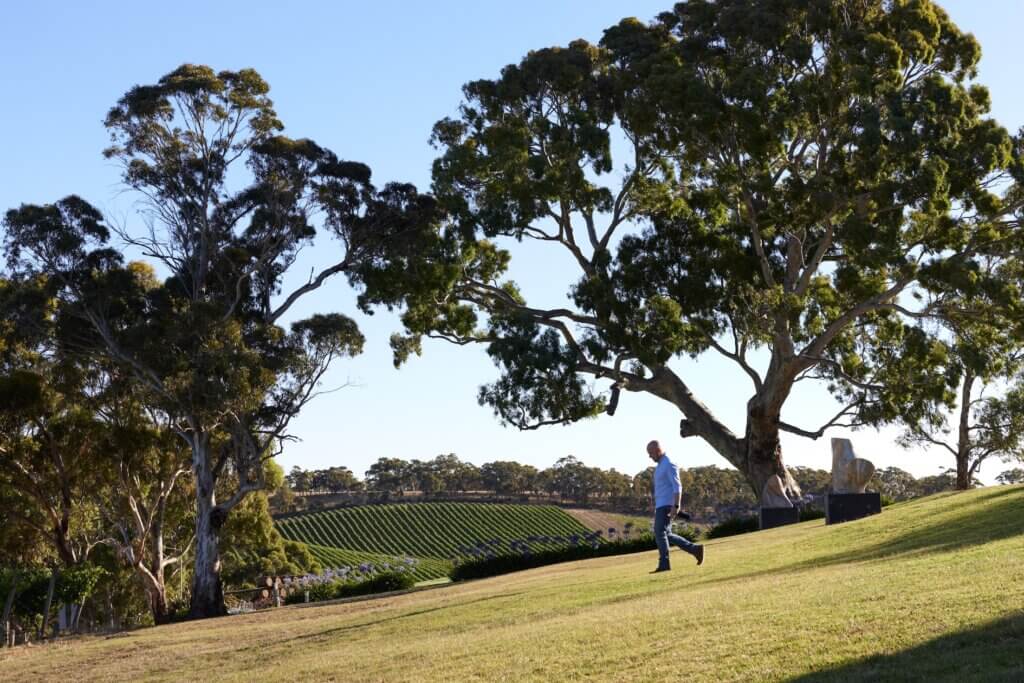
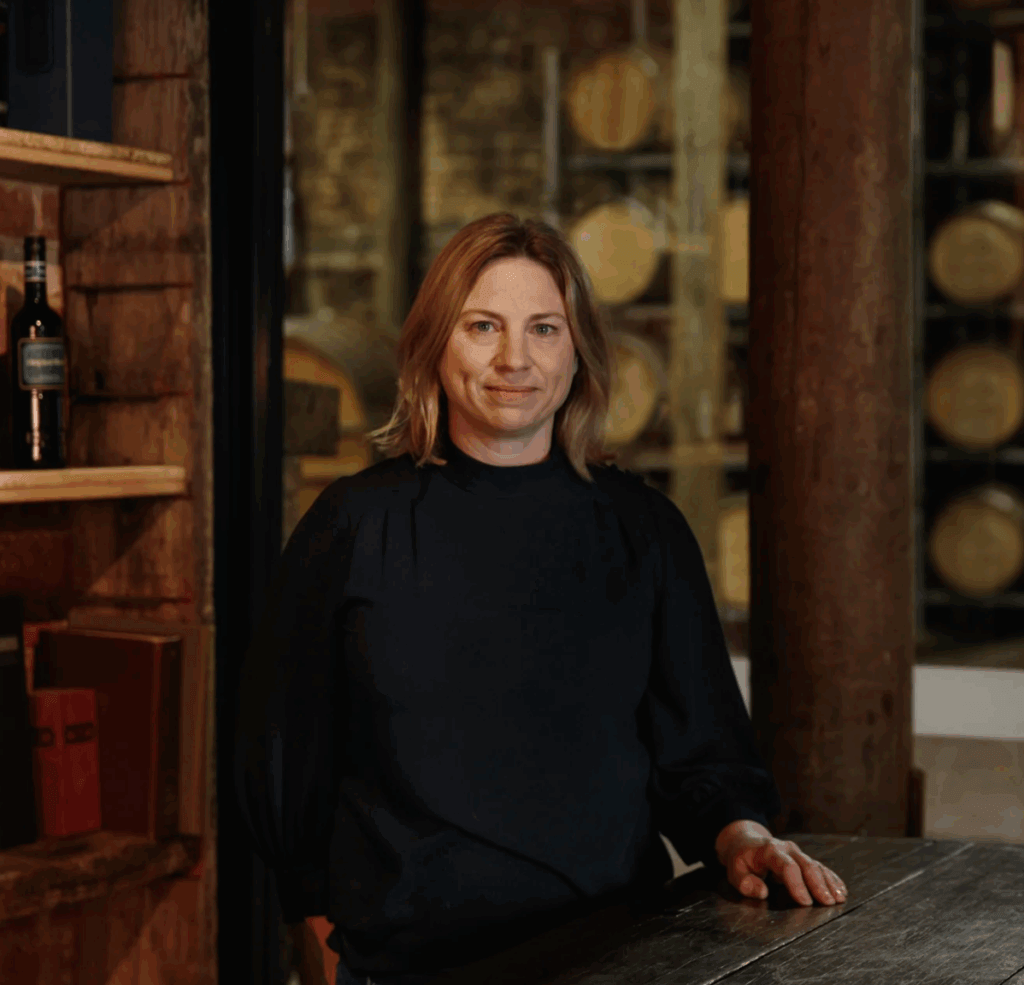
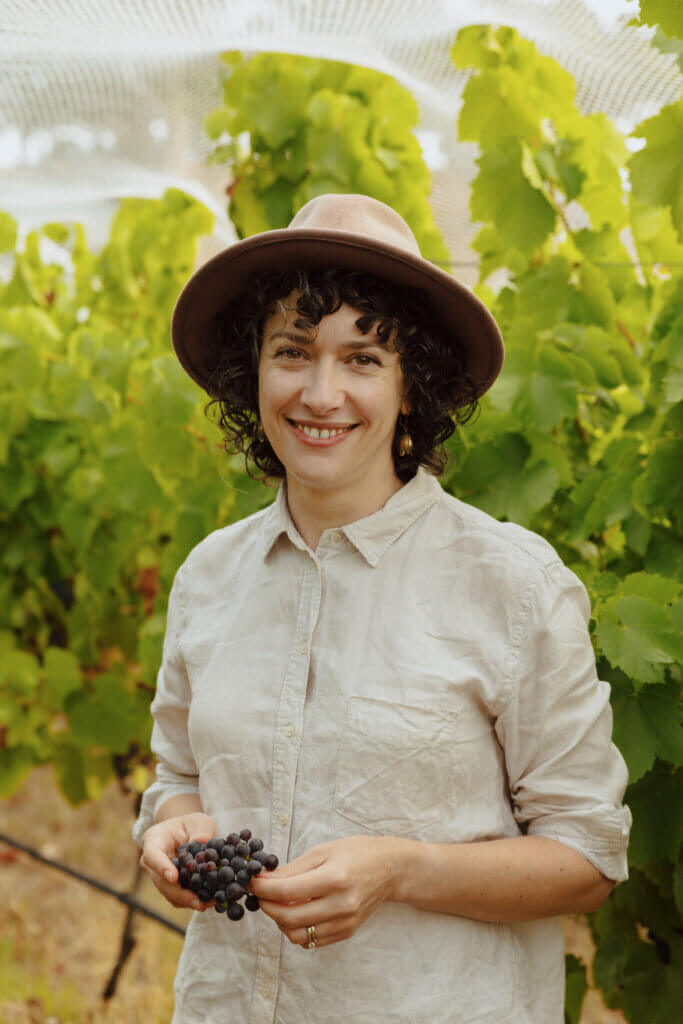
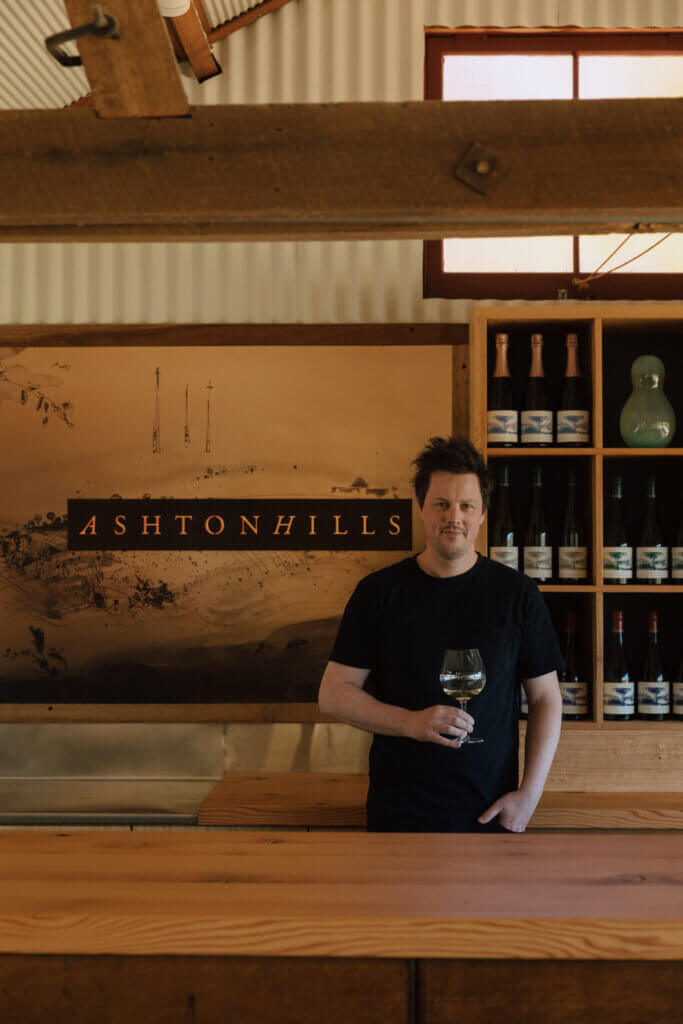
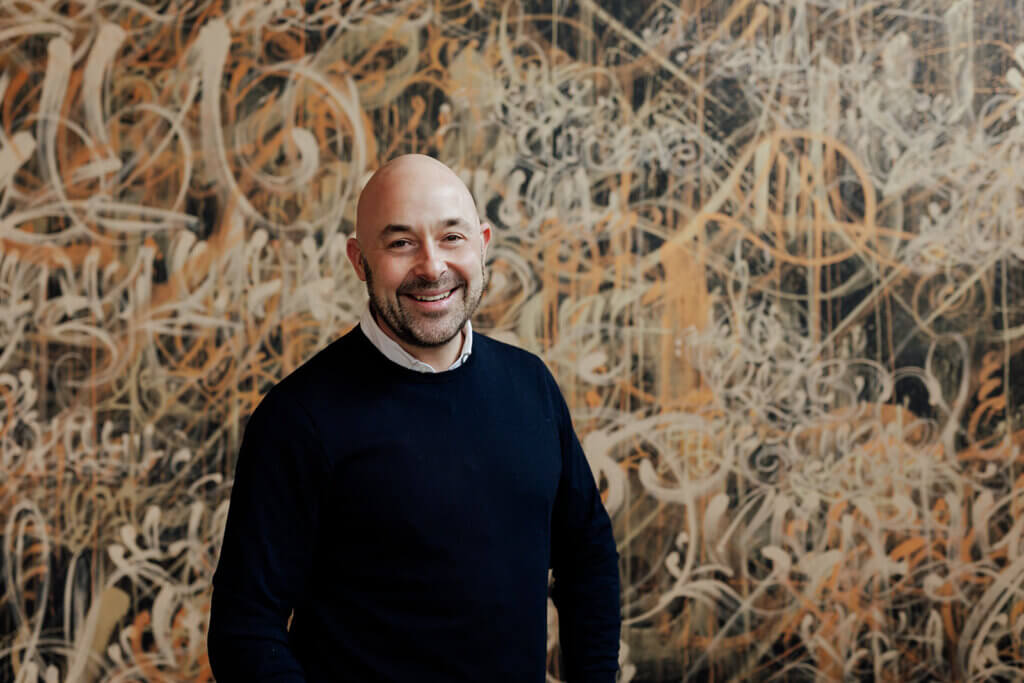
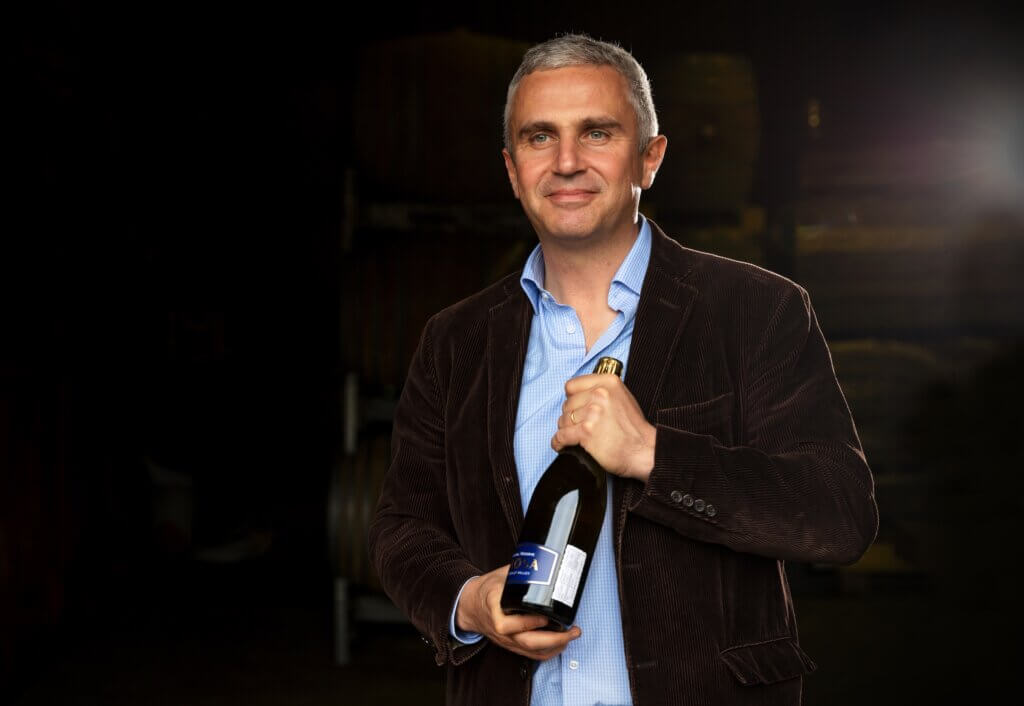
Happily, we have some brilliant guides in the shape of Brian Croser (Tapanappa), David LeMire MW (Shaw + Smith), Emma Wood (Wirra Wirra), Kelly Wellington (Hahndorf Hill), Liam Van Pelt (Ashton Hills), Pete Saturno (Longview) and Xavier Bizot (Daosa/Tapanappa).
(Thanks also to the Adelaide Hills Wine Region for making this sponsored episode happen and giving us access to such great producers.)
They talk us through things like altitude, rain, field blends, magic, wine tourism, French arrogance, organics and ‘thoughtful’ wines.
There’s even the odd bold claim (about Chardonnay) and intriguing revelation of a long-held secret (a ‘subterfuge story’ no less!)
Oh, and we touch on why, ‘people don’t want to drink like their dads.’
Starring
- Brian Croser – Tapanappa
- David LeMire MW – Shaw + Smith
- Emma Wood – Wirra Wirra
- Kelly Wellington – Hahndorf Hill
- Liam Van Pelt – Ashton Hills Vineyard
- Peter Saturno – Longview Vineyard
- Xavier Bizot – Daosa
Subscribe
Sign up to Wine Blast PLUS for first-class subscriber-only content, to access our full archive, support the show and get every episode before it goes on free release.
You’ll also get subscriber-only discounts with the likes of Coravin, Jancis Robinson glassware and Academie du Vin Library.
Just visit WineBlast.co.uk to sign up – it’s very easy, and we will HUGELY appreciate your support.

It takes a monumental amount of work to make Wine Blast happen. Your support will enable the show to continue and grow – and we have lots of fantastic ideas of things we’d like to develop as part of Wine Blast to maximise the wine fun. The more people who sign up, the more we’ll be able to do.
Wines
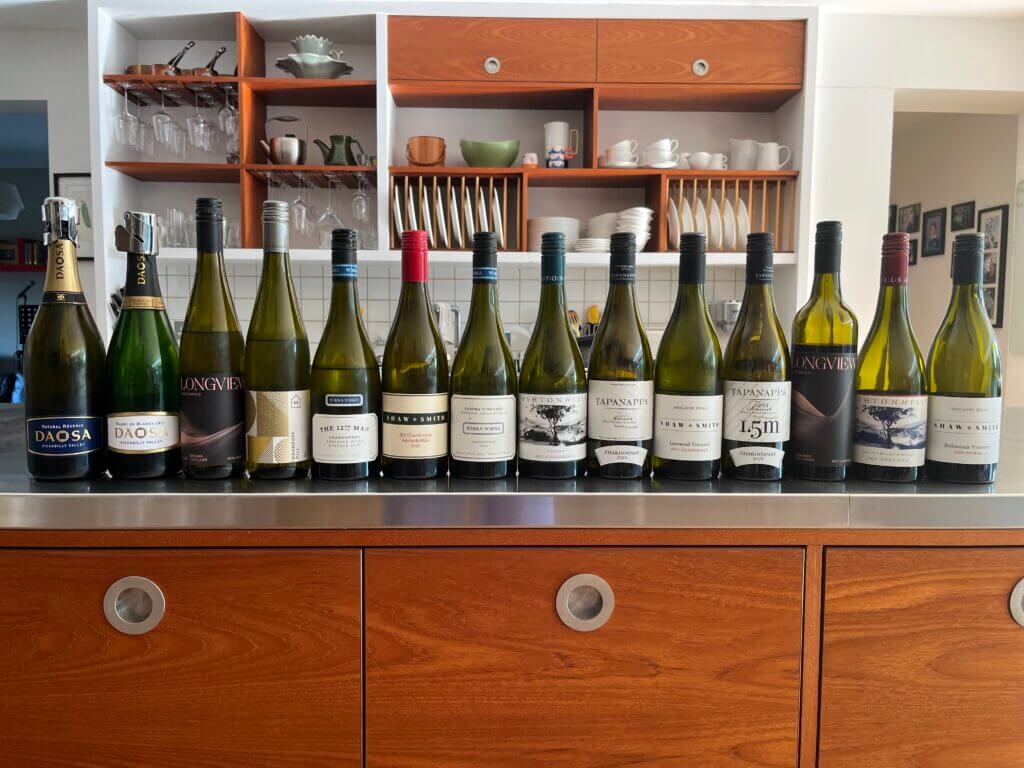
The following are wines from the Adelaide Hills we tasted in April/May 2026 in the UK and would happily recommend.
They’re listed roughly in ascending order of price.
More details (eg brief tasting notes) are in the podcast episode.
- Longview Gruner Veltliner 2025, Macclesfield, 12%
- Longview Cabernet Sauvignon 2023, Macclesfield, 13.5%
- Hahndorf Hill GRU Grüner Veltliner 2025, 13%
- Wirra Wirra The 12th Man Chardonnay 2025, 12.5%
- Daosa Natural Reserve NV, Piccadilly Valley, 12.5%
- Shaw + Smith M3 Chardonnay 2024, 13%
- Wirra Wirra Yandra Vineyard Chardonay 2025, Lenswood, 12.5%
- Ashton Hills Single Vineyard Bowhouse Pinot Noir 2025, Piccadilly Valley, 13.5%
- Ashton Hills Reserve Chardonnay 2025, Piccadilly Valley, 12.7%
- Daosa Blanc de Blancs 2021, Piccadilly Valley, 12.5%
- Tapanappa Tiers 1.5M Vineyard Chardonnay 2025, Piccadilly Valley, 13.6%
- Shaw + Smith Lenswood Vineyard Chardonnay 2023, 13%
- Shaw + Smith Balhannah Vineyard Shiraz 2022, 14%
- Tapanappa Tiers Vineyard Chardonay 2025, Piccadilly Valley, 13.7%
Video taster
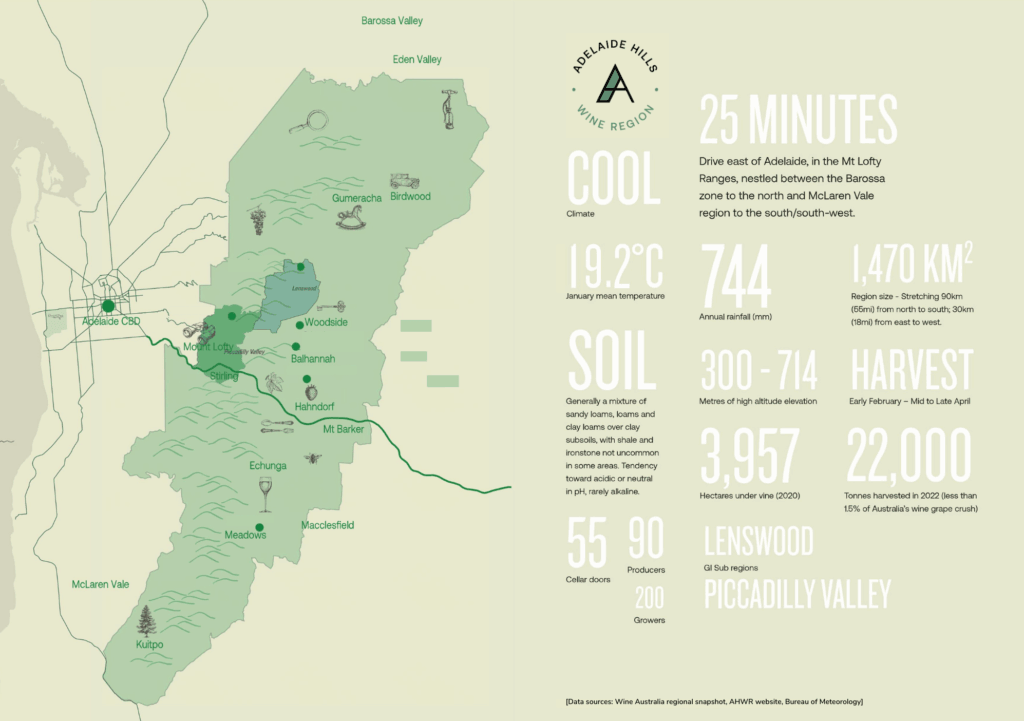
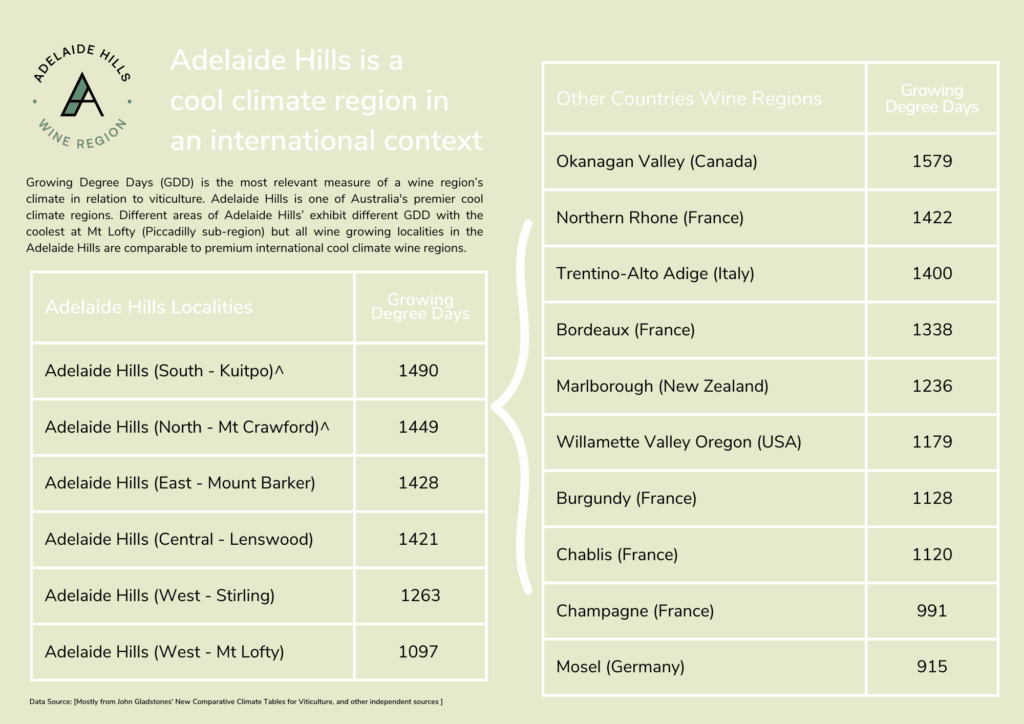
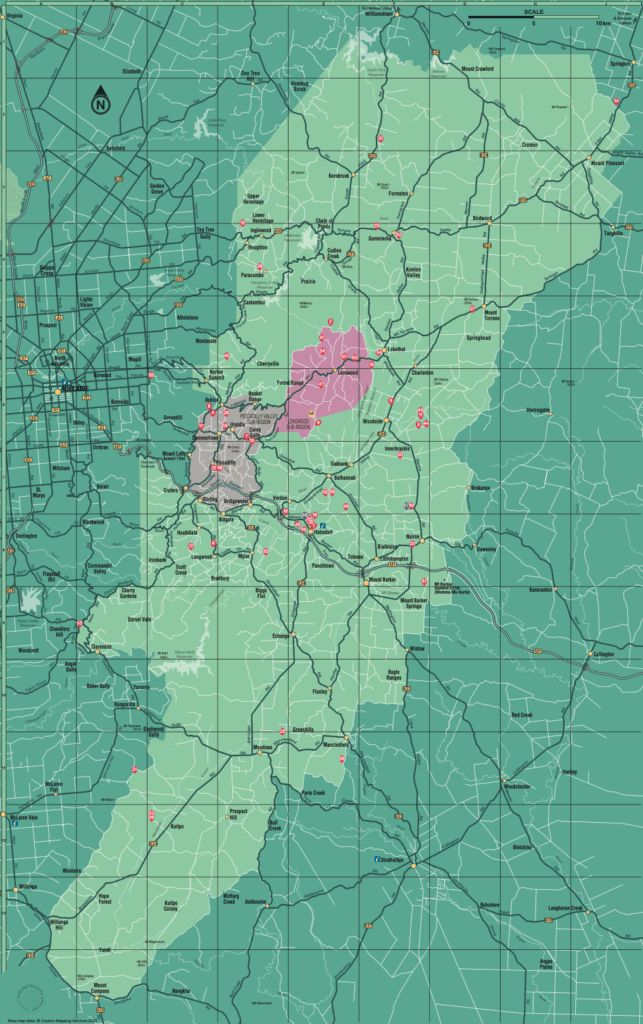
Maps & Stats
Peter’s favourite section!
Links & Notes
- Here’s a link to more information on the Adelaide Hills Wine Region
- To clarify, Ashton Hills and Hahndorf Hill are owned by Wirra Wirra
- You can find our podcast on all major audio players: Apple Podcasts, Spotify, Google, Amazon and beyond. If you’re on a mobile, the button below will redirect you automatically to this episode on an audio platform on your device. (If you’re on a PC or desktop, it will just return you to this page – in which case, get your phone out! Or find one of the above platforms on your browser.)
Get in Touch!
We love to hear from you.
You can send us an email. Or find us on social media (links on the footer below).
Or, better still, leave us a voice message via the magic of SpeakPipe:
Transcript
This transcript is AI generated. It’s not perfect.
Susie Barrie MW 0:05
Hello, you’re listening to Wine Blast with me, Susie Barrie, and my husband and fellow Master of Wine, Peter Richards. And we all need to buckle up because we are heading back out on the road. This time to visit the intriguing Adelaide Hills wine region in South Australia. It gets talked about a lot, but what is it really all about?
Peter Richards MW 0:26
Yes, hello, welcome! Thanks for joining us as we go on another Wine Blast jaunt into wine country. You may need to bring a jumper because we’re going cool climate, uh, and you definitely need to ready a glass or two because these are some seriously exciting wines. Here’s a taster of what’s coming up.
Peter Saturno 0:43
There’s a discovery around every corner. Every pocket tells its story in a way. I think people they don’t want to drink like their dads. They want to try new things.
Kelly Wellington 0:52
It’s too good not to go. It’s too um, look, it’s too accessible, it’s too beautiful, it’s too diverse. You can’t not go.
Brian Croser 1:00
There is this place called the Adelaide Hills, and it’s producing these wonderful, um thought-provoking wines.
Susie Barrie MW 1:07
Too good not to check out! Uh, Pete Saturno, Kelly Wellington, and Brian Croser there. We’ll be hearing more from them as well as other leading Adelaide Hills wine producers in the course of the programme. We’ll also be recommending some pretty tasty bottles.
Peter Richards MW 1:22
Yeah, so we should start by thanking the Adelaide Hills Wine Region for making this sponsored episode happen, giving us access to some fantastic producers and insider information. As ever with Wine Blast, the sponsorship is about airtime, not uncritical opinion. So we’ll all be making up our own minds as we go. But we’re quite excited about this one, I think it’s fair to say!
Susie Barrie MW 1:43
We really are. I mean, you know, we’ve obviously known about Adelaide Hills for ages, and we’ve tasted various wines over the years, talked to winemakers, but I’m not sure it ever really came together in my mind until we had this chance to focus in on what it’s actually all about. You know, compare a range of wines from across the region, chat with the producers, and really get under the skin of the place.
Peter Richards MW 2:03
Yeah, yeah, yeah. It’s funny how it goes with some places, isn’t it? I mean, when I was over in South Australia last year, I kind of skirted round it and it was this sort of enigmatic wine country up in the cooler, rainier hills above Adelaide City and the other major wine regions around it. Sort of like a magic wine garden. Everyone kept kept talking about it. And I tried a few wines that really made me sit up and pay attention. Um, one was a remember, sort of beautiful, very perfumed, but also chalky Nebbiolo. And then we also together, didn’t we, tried a Chardonnay that was incredibly invigorating and saline and elegant. And I thought, you know, huh, this is, you know, this seems like fun.
Peter Richards MW 2:43
Setting the scene
Setting the Scene
Susie Barrie MW 2:43
Okay, well, let’s have some fun. , And I think we should start by maybe setting the scene. Um the Adelaide Hills lies east of Adelaide City in South Australia, and we will put some maps in the show notes to keep you happy, Mr. Richards. Um it’s quite a big wine region, isn’t it? You know, stretching around 90 kilometres from the north to the south and 30 kilometres east to west. So it’s far from uniform. But the key to the Adelaide Hills, as the name suggests, is altitude. All its vineyards are over 300 metres above sea level, and it sits in the shadow of Mount Lofty. So while it may lie geographically between McLaren Vale and Barossa Valley, the style of the wines are worlds apart.
Peter Richards MW 3:28
Why are we setting the scene? Um, there are far more qualified people to do that with us. So here’s Kelly Wellington, winemaker at Hahndorf Hill Winery.
Kelly Wellington 3:38
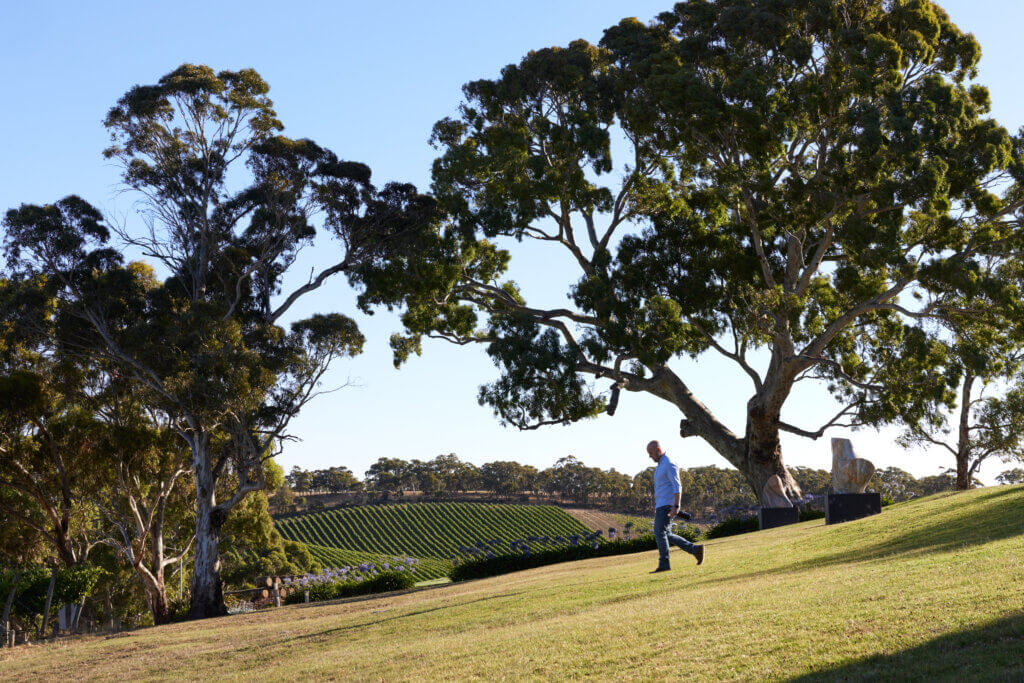
Oh my goodness. Um, it is a beautiful place. So in the Adelaide Hills, as you come out of the Adelaide City, um, you rise up into the hills and suddenly you’re surrounded by trees by nature, you have elevation, you have cooler temperatures. And in South Australia, um, where you’re spoiled with beautiful red winemaking country like the McLaren Vale, the Barossa Valley, Clare Valley, um, to pop yourself up into the hills and find somewhere that is just divine for making beautiful, crisp, aromatic whites. Um, yeah, it’s something special.
Susie Barrie MW 4:08
And here’s how Pete Saturno, CEO of Longview Vineyard, puts it.
Peter Saturno 4:13
Uh Adelaide Hills is a lot of things. Uh, and I’m a little bit biased, but I think it’s probably one of the most exciting regions in Australia right now. Um, and uh it’s a cool climate region um and able to do lots of things very, very well. So we are able to do uh new and exciting varietals, uh new to new new to Australia, um, and um and the traditional varietals uh extremely well, even though we’re a very young region. Um and the region itself is about 70 kilometres long, so it’s a big GI zone. And so what we like to say is it’s sort of there’s a discovery around every corner, every pocket tells its story in a way.
Altitude and diversity in Adelaide Hills
Peter Richards MW 4:56
A discovery around every corner. Um does sound a little bit like a bumper sticker, doesn’t it? But you know, um it’s a good one. It’s a good one, yeah. But I don’t know, I think the uh the key point is that you know, while the Adelaide Hills is quite large and diverse and has a range of grapes and styles, it’s fundamentally a cooler climate region. So, you know, these are wines with with freshness and brightness.
Susie Barrie MW 5:17
Yeah, and and just to drill into this altitude and what it means for the wines, here’s Brian Croser of Tapanappa in the Piccadilly Valley subregion, a man central to the Adelaide Hill story.
Brian Croser 5:29
It’s a laughable altitude, really. I mean, Mount Lofty is all of so named 720 metres high. But between South Africa and uh Mount Lofty, there is nothing, any anything higher. So all of the weather systems coming from the west hit Mount Lofty and rise up and dump their rain in the Piccadilly Valley behind Mount Lofty on the eastern side, the Sydney side of the mountain. So it has a 1.2 metre rainfall and has a climate uh temperature summation about the same as Burgundy. It’s quite a special environment.
Peter Richards MW 6:06
So the Adelaide Hills is cooler, rainier, and higher altitude than the South Australian norm. And Brian explains that the cool is good because it pushes ripening into the autumn, giving the grapes longer to hang and develop complex flavours while retaining freshness. And the rain is good because it prevents excess stress or evapotranspiration in the vines, as long as you manage your vines and canopies properly to prevent disease.
Susie Barrie MW 6:32
Now, Tapanappa and its famous Tiers Vineyard is based, as we’ve said, in the Piccadilly Valley subregion of Adelaide Hills, which has some of the region’s highest, wettest, and coolest vineyard land. As you move east and north, particularly within the hills, the rainfall drops and the temperatures rise as a very general rule of thumb. Climate is very localized within the Adelaide Hills, and vineyard sites can vary quite a lot depending on exact exposure, aspect, and altitude. But this is how Brian Croser sums up the general picture.
Brian Croser 7:07
Adelaide Hills is a very varied environment. It’s all cool climate, but you go from uh low temperature, high rainfall, as we are in the epicentre of the Adelaide Hills, out to the edges in the north, south, and um uh east, and they are much drier, much warmer, sort of Rhone Valley Hermitage type temperatures, and Bordeaux temperatures um north and south. So you really go from almost Champagne to Burgundy in the centre and out to those more red wine-suited areas. So the Adelaide Hills is huge diversity and it’s and it’s gradually filled in. But what it doesn’t have is those mass vineyards of uh the Barossa Valley or McLaren Vale or Napa Valley or um Willamette Valley. All the vineyards are scattered and they’re um in discrete places surrounded by forest and uh on the appropriate slopes.
Peter Richards MW 8:10
Okay, so we’re talking a patchwork of vines across a pretty varied landscape, generally small-scale viticulture, but all cool climate in a general sense. Uh, and we haven’t gotten to great varieties and wine stars yet, um, but it’s already sounding like quite a smorgasbord. s
Susie Barrie MW 8:28
A proper salmagundi! Now, here’s Ashton Hills winemaker Liam Van Pelt on the Adelaide Hills.
Liam Van Pelt 8:34
Uh, it is a pretty special place. Um, you know, it’s probably uh South Australia’s premium wine-growing uh region um and one of the larger regions in South Australia. Um, and we just have a huge diversity in in sort of climate and soils and topography that really allows sort of quite a lot of varietals to be to be planted across the Adelaide Hills. Um so you’ve got everything from you know sort of the newer varieties in Italians, um, you know, sort of emerging things, um, and then you have uh sort of fairly traditional varieties, Pinot Noir, Chardonnay, um, and Syrah as well. So um it’s a beautiful region to uh to work in and to visit.
On the history of the Adelaide Hills
Peter Richards MW 9:13
Okay, but before we get into all that grape variety melee, and before people start throwing Salmagundi around, um I think we should just look briefly at the history of the hills, uh, because I think that’ll help finish off the kind of context bit. Um and it’s sort of a two-parter, isn’t it?
Susie Barrie MW 9:31
Yeah. So so this is originally Peramangk and Kuarna Country. The first vines were planted in the Adelaide Hills in the 1840s by European settlers. Apparently, John Barton Hack sent his Adelaide Hills wine to Queen Victoria as a gift. h wine then made itself a home in the hills with French-trained Edmund Mazure pioneering sparkling wine, both traditional method and sparkling burgundy, as it was known, which was fizzy red made from Shiraz.
Peter Richards MW 10:00
Apparently by 1900 there were more than 200 grape growers in the central Mount Lofty Ranges. But changing markets, taxation, and an economic depression meant that by the mid-20th century almost all of the vineyards had made way for dairy, beef cattle, sheep, fruit orchards, and veg fields. But that’s just the end of the first part.
Susie Barrie MW 10:21
Part two, The Hills Strike Back, began in the late 1970s when Brian Croser and his wife Ann planted the Tiers Vineyard in Piccadilly Valley. Told you he was important to this story. But how did Brian and Ann come to plant this vineyard in this place, which was by this time something of a wine wilderness?
Brian Croser 10:41
When I came into the industry in 1970, uh the industry was just the modern industry was just starting. And uh I ended up at the University of California at Davis and learnt that cool climate was really where you had to be if you wanted to make the best wines in the world. Um, and that’s what I intended to do. And Chardonnay had piqued our interest in California, it wasn’t it didn’t exist in Australia at the time, and we decided to come back to the Adelaide Hills and begin a and plant Chardonnay because it’s the coolest and wettest place in South Australia, one of the coolest and wettest places in Australia to grow Chardonnay.
Peter Richards MW 11:24
So the next logical question is why Chardonnay? Uh what’s so important about Chardonnay that would make the Crosers bet the house, uh as it were, on this variety? Well, it turns out the Crosers had fallen in love with it in California. And brace yourselves for a big opinion.
Brian Croser 11:41
Chardonnay was a very different variety to all other white varieties and probably different to all red varieties. It had a texture and a presence that other varieties didn’t have. And um I’ve just made the declaration yesterday, which I’ve put off for a very long time, in my vintage report for 2026, that I think Chardonnay, Chardonnay is the most interesting best variety of all.
Peter Richards MW 12:08
I love that. So Chardonnay is the best great variety for you for wine.
Brian Croser 12:14
Mm-hmm. That’s my opinion. Other people will argue, of course.
Susie Barrie MW 12:18
I can feel the listener comments streaming in already, especially given I may well agree with him. But others, of course, will definitely not.
Peter Richards MW 12:26
Yeah, yeah, interesting. So uh I think either way, let’s move swiftly on. It’s probably the best thing. Uh, because there’s an even better admission coming up. Uh a bit of background first. When the Crosers were pioneering modern Adelaide Hills wine production, it was for Petaluma, a brand they’d launched, but which was later bought by booze conglomerate Lion Nathan. Uh, some histories relate that the original aim was to make sparkling wine in the Adelaide Hills. But the truth is there was some canny manoeuvring going on. Here’s Brian Croser.
Brian Croser 12:57
Um, it’s a subterfuge story because Petaluma, the company I started, was making Chardonnay and Australia’s best Chardonnay and some of Australia’s only Chardonnays in the mid-70s through the 80s, from what I would now say quite unashamedly, was unsuitable fruit from hot areas like Cowra in central New South Wales. And I had this dilemma, which I was in the Piccadilly Valley planting vines, knowing I wasn’t going to produce a Piccadilly Valley Chardonnay for another 10 years. And in between now and then I had to produce from these hot areas. So I came up with a story of making sparkling wine. So we planted the Chardonnay and Pinot Noir to make sparkling wine, but the real issue was I was waiting for enough Chardonnay and mature vines to make a proper cool climate Chardonnay. First time I’ve ever admitted that.
Peter Richards MW 13:53
Well, that’s we’re uh we’re we’re privileged, Brian, and I love that. I love that we we love a good subterfuge story. Um but so really you were always focused on premium still Chardonnay?
Brian Croser 14:03
Exactly. Yeah, very much so. And and good sparkling wine. Yeah.
MID-EPISODE RECAP
Susie Barrie MW 14:07
So here we are, rewriting history on Wine Blast! Has ever, as ever, now admission. Um Brian did add that his aim at the outset was to make a wine to rival the 1978 Domaine de la Romanee Conti Le Montrachet. So top-notch white burgundy. Um but we’ll talk a little bit more about uh his Chardonnay and sparkling wine more generally in a bit. For now, let’s take a quick breather.
Peter Richards MW 14:34
To recap so far, the Adelaide Hills is a cool climate wine region where there’s a lot going on, despite its modern renaissance only starting in the early 1980s. Altitude is the key here, giving cooler temperatures and higher rainfall than surrounding areas. Chardonnay was the grape variety the hills were re-founded around, both for sparkling and still wines.
On Adelaide Hills’ various grape varieties
Susie Barrie MW 14:55
So what’s happened since? Quite a bit, I think it’s fair to say. But let’s start by focusing on grape varieties, which we touched on earlier in the context of Adelaide Hills being a relatively diverse, cool climate region. David LeMire is a fellow master of wine and joint CEO of Shaw and Smith, which was set up by former Petaluma winemaker Martin Shaw and his cousin Michael Hill Smith MW. Their first vintage was 1990, when David says the Adelaide Hills was an exciting, dynamic region, still finding out what worked best where. I asked David what grape varieties are currently working the best in the region.
David LeMire MW 15:38
There are a few, and we’re, you know, we are blessed with a variety of sites, elevations, aspects. Um but there are there are uh two or three that have really risen to the top, and it’s hard not to uh mention Chardonnay first because the reputation of Chardonnay in the hills just goes from strength to strength. We’ve got a great combination of of terroir that suits Chardonnay very well. We’ve got mature vines, we’ve got a lot of expertise both in the growing and the making now. Um so Chardonnay is particularly exciting. Shiraz is a bit of a dark horse in the in the Adelaide Hills. It uh it does beautifully well and uh a cooler climate style of Shiraz. We’ve also had success with Pinot Noir just in the particular sites that Pinot loves. It’s it’s finicky, as we know. And Sauvignon Blanc has has also become this variety in the hills where it makes something that is its own its own style. It’s a you know, it’s a new world style of Sauvignon Blanc. It has this varietal definition and vibrancy, and it’s somewhere in between that that that sort of New Zealand uh you know impact of Sauvignon Blanc and the Loire Valley restraint. So uh it’s a lovely style.
Susie Barrie MW 17:03
So you’ve mentioned Chardonnay, Pinot, Sauvignon. Are there any other varieties that you would flag up as being particularly exciting or potentially exciting in Adelaide Hills?
David LeMire MW 17:15
Um yes, um we are playing with Gamay, which which we think has got some some really good potential. It’s quite uh quite interesting for us. And um but there are also plantings of Gruner Veltliner that people have have uh been working with in the hills for more than a decade now, and that’s quite exciting. But um Shaw and Smith, we’re we’re a little bit more focused on the classics in in our region, but it’s it’s great to see a region with people experimenting and uh and and having a go with different things, yeah.
Peter Richards MW 17:47
So just to bring in a few stats, uh you know me, I can’t help myself. You love your stats. I was wondering when we were gonna get some stats, but uh here we go. Here we go. Not too many, not too many. So there are 3,671 hectares of vines in the Adelaide Hills. Um so pretty small, I think we’d be fair to say, compared to, you know, for example, 11,000 hectares in the Barossa Valley. 58% of the vineyard in the Adelaide Hills is white, and the biggest plantings are in order Sauvignon Blanc, Chardonnay, Pinot Noir, and Shiraz.
Susie Barrie MW 18:20
Now I think most people recognise Chardonnay as the standard bearer in the Adelaide Hills, particularly from the Piccadilly Valley, and also Lenswood, which is the other official GI subregion within the Adelaide Hills, slightly warmer and less rainy than the Piccadilly Valley, so gives more generous styles. Here’s Xavier Bizot, who’s originally from a Champagne family, but now runs Terre a Terre and Daosa sparkling with Lucy Croser, his wife, and Brian’s daughter. He’s also co-manager with Lucy of Tapanappa, whose centrepiece is the Tiers Vineyard.
Xavier Bizot 18:55
I think the hero of the Adelaide Hills, and includes Piccadilly Valley, is Chardonnay. And Chardonnay, you I think, but I’m biased in saying that. I think we grow the best Chardonnay in the Adelaide Hills in the Piccadilly Valley. There are some very good Chardonnay made in Lenswood as well in the Adelaide Hills, some very good Chardonnays made in Balhannah, in um and in other parts of the hills, which are you know close to where we are, so slightly warmer, but it’s really the hero for table wine and production.
Peter Richards MW 19:25
How would you define a great Adelaide Hills or Piccadilly Valley Chardonnay? Um, talking about still wine.
Xavier Bizot 19:32
Okay, so I have a benchmark which is the Tiers Vineyard, which I’ve been I’ve moved in Australia in 2005, and being the arrogant Frenchman arrived in my preconceived ideas about the fact that the French were making the best wine in the world, and there was actually no way that uh new world winemakers could do anything. Uh they could they they they’re just contenders and outsiders. But then very quickly, you know, I changed my mind tasting the Tiers Vineyard Chardonnay uh immediately, and uh and especially tasting it against um a French uh Chardonnay. The main thing that strikes me is consistently a fruit expression in the Tiers Vigneyard Chardonnay and in a lot of the Piccadilly Chardonnay, which really dominates, so there’s no you know, kind of grassy cabbage-y characters which you can have in Burgundy. Burgundy has, I think, sometimes even in Grand Cru level, can have wines that are a bit tight, too tight and too green, and and so that there’s your answer for me, and and it’s then it doesn’t, it’s not limited to Tapanappa, it’s all the very good Adelaide Hills Chardonnay. You see the fruit for for the Tiers Vineyard, you see, um uh, as you would have seen tasting it, um, the white peach, stone fruit, very, very good, um, a little bit of um grapefruit, um uh citrus. Um, but mostly it’s the length and the texture, which I think is uh is winning for me for this wine. And um, so I’m not spending too much money buying Grand Cru Burgundy anymore.
Peter Richards MW 21:22
I’m not entirely sure who is buying Grand Cru Burgundy, not us, to be honest. Lots to go around. And we have indeed been tasting the Tiers, uh, and we’ll report back shortly. Um so we heard their what makes Tiers or prime Piccadilly Valley Chardonnay special. Um so what about a different kind of Chardonnay from the Adelaide Hills? I asked this of Emma Wood, head winemaker at Wirra Wirra, which is based in McLaren Vale, but sources Chardonnay from the Hills, including the Yandra Vineyard from Lenswood.
Emma Wood 21:54
I think because of the diversity in these individual sites, I think you can. get quite a lot of complexity and don’t have to just rely on whether it’s clone alone or um rainfall or any one particular thing. I think it’s a real combination. And I guess if you have the opportunity to blend that, I think that’s really interesting how you can get you can get flavour, you can get beautiful acidity, you can get different paths from across the hills.
Peter Richards MW 22:23
And talk to us a bit about Lenswood. What is it that makes Lenswood itself special and different within an Adelaide Hills context?
Emma Wood 22:31
I guess for me it’s all about the sites within that. So it’s the second coolest sub region of the hills but for me the sites that we work with have a particular aspect and I guess there’s something special about them. So one in particular is our Yandra vineyard and that is east facing. So not only is it the second coolest part of the hills it also faces east. So it’s the morning sun for us down here in the southern hemisphere. And I also love it even more because of the high natural acidity so that helps my job. But it’s not a fancy clone it’s not a fancy setup. It’s nothing like close planted it was planted in 1998 for sparkling but I think true sites really deliver quality. When it’s the right site with the right variety I don’t think some of those things matter if it’s managed to its potential.
Peter Richards MW 23:24
So you’ve worked in in Tasmania you’ve worked in Victoria some pretty exciting cooler climate Australian regions. How would you compare Adelaide Hills to to to in in that cool climate context of of Australia?
Emma Wood 23:37
It’s probably slightly uh slightly warmer than than those ones but I think what it delivers is I guess what I’m striving to do is pick it before that heaviness from the fruit comes in. So that is its challenge. But I also think with the evolution of Chardonnay particularly in Australia I was part of that for so many years where we sort of went and made skeletal Chardonnays and now we’re coming back into the middle and I think Adelaide Hills plays exactly where we want to be. It has flavour and texture but complexity so I think it’s I think I’m hopeful that everyone loves it as much as we do.
Peter Richards MW 24:16
So less extreme Chardonnay winemaking more moderate Chardonnay winemaking.
Emma Wood 24:21
Yeah or maybe more thoughtful perhaps less formula.
Susie Barrie MW 24:24
Thoughtful Chardonnay making I love that and apparently Emma is with Brian on Chardonnay being her all-time favourite grape variety too. So there are a few of us. There are like Xavier she also calls Chardonnay the hero of the Adelaide Hills. And it’s interesting how she talks about how the hills give freshness but also flavour and texture.
Peter Richards MW 24:45
Yeah I mean she refers to skeletal Chardonnays just to put that in context back in the day Australia was criticised for making big rich buttery sickly Chardonnay. So then producers kind of went to the other extreme apparently picking even before sparkling bases and the wines were sometimes just really lean and austere which is what Emma’s talking about.
Susie Barrie MW 25:06
But it seems that the hills offer kind of a thoughtful less formulaic alternative as she said okay so Chardonnay appears to be the star of the show in the hills but it’s far from the only grape in town. Pinot Noir is used alongside Chardonnay for sparkling wines but it’s also made as a red the pioneer being Stephen George who founded Ashton Hills in the northern end of the Piccadilly Valley in 1983 on a south facing slope. I asked current winemaker Liam Van Pelt how it all works.
Liam Van Pelt 25:38
You know the the climate that we have um cool climate lots of rainfall you know quite humid it’s it’s perfectly suited to to Pinot Noir. There’s also an element of it is sort of this cross section where everything just aligns. The fruit that we get off the vineyard just has you know superb sort of density in its flavour profile. The wines have lovely aromatics and purity to them. They always seem to have a beautiful texture and a real sort of heart and soul to them. And that has to be I’m not religious at all but it there just has to be something about that site being you know just where uh where everything sort of sort of meets and and becomes perfect. Yeah there’s just uh an element of magic in there I suppose.
Susie Barrie MW 26:24
And so what is then the secret to making great Pinot Noir at Ashton Hills I wish I knew because then I could do it every year.
Liam Van Pelt 26:33
I I think it’s a sense of of trusting the process and and knowing when to step in and interfere and when to just let things go. We we very much like to sort of play our hands off off role and that that doesn’t mean that we we’re not watching things um or we’re you know we’re not sort of carefree or laissez faire about anything. We are intently watching you know all our ferments and the fruit on the vine and things like that but you know I think to make great wine that has a sort of heart and soul you have to let the fruit sort of take its journey and you know we’re just there to sort of gently guide it if if things go awry. And I know you make a range of Pinots but is there and they’re all different, but is there something that sort of links them all together I think the thing that I would like to see thread them together and I hope that that comes through is that they all have a beautiful texture about them and that they all have you know a lovely sort of set of tannins amongst them and you know I think that the thing that sort of we historically see with the the wines that come from the Ashton estate is that you know with a bit of age there’s often this beautiful sort of um sort of bone broth or umami sort of character mushroom that comes out quite strong in the wines that that sort of threads those wines together. But yeah ho I think for me the you know the most important thing on on on the set of Pinots is that they all have a sort of beautiful texture and tannin profile.
Peter Richards MW 28:03
Interesting we’re talking about texture with both Chardonnay and Pinot Noir.
Susie Barrie MW 28:07
Yeah yeah yeah and they’ve they’ve trialed um a lot of different clones at Ashton Hills 26 in fact over the years apparently and Liam says it’s important to have clonal diversity in order to build that complexity in Pinot Noir. I think Vine Age also helps he’s another one who’s making Gamay incidentally his first vintage was 2022 and he he says he’s aiming for a kind of cru beaujolais style with fragrance but also weight and density.
Peter Richards MW 28:36
Interesting interesting he also if if I remember rightly flagged up Italian varieties as being exciting in the hills including Nebbiolo and our one producer that specialises in Italian varieties is Longview Vineyard in Macclesfield in the east of the hills the Saturno family having northern Italian heritage. They also grow Gruner Veltliner, a variety more closely associated with Austria. Here’s CEO Pete Saturno:
Peter Saturno 29:00
o yeah um gruner veltliner was was one that um we uh we came about with uh with the rest of the region and now um we have more well the Adelaide Hills has as much Gruner planted anywhere outside of Austria in the world and um it just uh we started this with with Hahndorf Hill who has the original plantings and uh those guys really wanted to to build up Gruner and so we came together they they said we want a southern uh vineyard and a northern vineyard to be um you know to be involved and next thing you know we had a you know 10 or 15 growers and we came together with those growers to talk about how to market it how the style is and how we’re going to educate people on it now you know it’s uh it’s a very impressive but important variety to the Adelaide Hills.
Peter Richards MW 29:57
And you talk about exciting varieties maybe slightly alternative varieties um how is it on the one hand making them and on the other hand selling them?
Peter Saturno 30:06
That’s a great question. It’s uh it’s always exciting making them or you know if you’re looking at a variety like Barbera it’s a pain in the arse! It’s sorry you know we did we what all of our research you know I mean it is such we thought Nebbiolo was difficult and it is and then Barbera just knocks it out of the park. And I think it’s it’s it’s one of those things it’s it’s always seems very exciting to plant a new variety but you have to have a plan for it. And that’s also because it’s hard to educate the consumers it takes a long time and you know we’re very lucky that we’re warm enough to grow Nebbiolo and and um you know it’s just too cool in those high sites and um you know it is a it is a unique little spot. But um you know we we grow fantastic Riesling you know in fact and so it’s quite different to the Clare Valley and um in fact you know uh the most famous wine uh Riesling maker uh in Egon Müller um chooses to make his Riesling from the Adelaide Hills so that’s a good one.
Peter Richards MW 31:11
Egon Müller indeed uh perhaps one of the biggest names in Germany and Riesling uh now making wine in the Adelaide Hills. So yeah um a lot to get your head round. Um Nebbiolo is really interesting because you know as we know many dreams around the world have been sacrificed at the altar of Nebbiolo over the years. But you know whisper it the Adelaide Hills may be cracking it.
Susie Barrie MW 31:31
That would be quite something wouldn’t it? And another thing of course is Gruner Veltliner which Pete mentioned alongside Hahndorf Hill and a producer that was founded with the aim of specialising in Austrian varieties. Now Gruner is something of a speciality for them as winemaker Kelly Wellington explains.
Kelly Wellington 31:50
Yeah well um it’s an interesting niche to be in it’s very exciting and we certainly find that with the you know the couple of aspects that we have at the Hahndorf Hill site and the few clones that we have there’s quite a lot that we can do. So imagining that that site has been particularly chosen to suit Gruner and knowing that we’ve got those cool nights and those sunshiny days, you really have a good scope for chasing varying degrees of ripeness and different types of flavour expression within the one grape. So Gruner Veltliner can be very fruitful, very primary super aromatic and it’s known to have its own spice and pepper as well. If you can chase a wine that has that sort of freshness um you’ve got an opportunity as well to build something that has a bit of structure and body. So with the fruit that we have on our property we can do different things like chase purely aromatic. So we’ve got a wine called White Mischief that’s almost styled like a New World Sauvignon blanc it’s that fruitful. We have CRU which brings in elements of texture and fermentation savouriness as well and it can see a bit of old oak so the wine handles all those things really well but in that package of something that has freshness and structure from natural acidity and then we can do a reserve style as well which can be left on the vine for a little bit longer. It’s a little bit more rich and powerful in its baumé m and its alcohol but because of that enduring acid profile um you can ferment it in barrel and do some great things with it too much you know much in the the style of a Chardonnay I guess just with a different varietal start point.
Susie Barrie MW 33:34
Now you also have a field blend of I think 12 interplanted white varieties um which is quite fun. You can tell us about that.
Kelly Wellington 33:42
Yeah absolutely um it’s truly unique it is yeah it is 12 varieties they’re set up in um two or three panels so it’ll change from Riesling to Gruner to Pinot Gris to Harslevelu to you know to Riesling. There’s a bit of everything in there it’s wild. And I think truly the beautiful idea of it is that once you add all those varieties in together, you know there’s this idea that they’re all communicating under the soil. So they’ve got shared mycorrhizae they’ve got shared soil and they’re experiencing the same climate and aspect and the you know the communication between vines and the sharing of resources actually brings them closer together in their ripening than they would be as individual blocks. Once you have so many varieties there in a blend and it’s a field blend and a true field blend so it is all harvested together once you have so many varieties in there together you’re no longer looking at variety you’re looking at site. It’s an expression of site and it is it is wonderful the the features of the field blend the the freshness and some of the aromatics and even the textures I I find it’s a really amplified expression of the things that I see you know else elsewhere in the vineyard. It is it’s such a wine of site. It’s yeah it’s a thing to behold.
On sparkling wine in the Adelaide Hills
Peter Richards MW 34:59
So many intriguing things going on in the Adelaide Hills. On which note one other thing I wanted to pick up on is sparkling. As we said it was part of the Adelaide Hills history and refounding story and it remains important in the region. Daosa is Xavier Bizot and Lucy Croser’s project. They make a range of different styles in the Piccadilly Valley. They’re all traditional method so in the champagne mould. I asked Xavier to tell us more about sparkling wine in the hills.
Xavier Bizot 35:28
Piccadilly Valley is um a very cool uh climate area we source fruit from vineyards that are between 450 meters altitude and 600 meters altitude Piccadilly Valley climate is slightly warmer than champagne but very marginal cooler than burgundy and it’s the perfect um area to grow sparkling wine and then why did I choose it um I didn’t choose I just followed my wife and uh and then uh I’ve been happy to live here ever since and I wouldn’t move back to Champagne to be honest I think it’s such a great the more I stay here the more we make wine the more I’m convinced of the huge potential of Piccadilly Valley for high-end sparkling wine.
Peter Richards MW 36:17
So turning to the actual style of sparkling wine then what you know when when you taste it when we taste these wines these sparkling wines of yours what what makes the taste or the style unique or different in a in a global sparkling wine context?
Xavier Bizot 36:30
Well I’ll use the um overused word in the world of wine the world terroir so it’s uh very different soils very different geology to champagne so we make wines our style especially in the Chardonnay and um and the Pinot Noir we make three tier styles uh three tier uh uh sparkling base wines and but we have very good acidity because of the climate and because of the rainfall so and the other thing is in terms of differences we tend to harvest later than um we really try to get rid of because we’re we’re very small small region um you know we source fruit from um still 40 different blocks but not not we have control on all those and we harvest them at full uh ripeness um we are not guided by logistical uh constraints we really harvest at optimum ripeness and getting rid of all the green characters and really focusing on on ripe fruit characters and uh and and all that retaining a very good acid so it’s quite a unique space uh a place to grow sparkling wine
Peter Richards MW 37:45
so characterful sparkling wines with pristine ripe fruit but also good freshness um and no going back to champagne for him um that’s off the menu as well as Grand Cru Burgundy I mean you know we’ve got Adelaide Hills we’ve got to we do we do he does uh and you know I I think quality sparkling wine is definitely a strong feature of the Adelaide Hills portfolio.
Creativity and natural wine in the Adelaide Hills
Susie Barrie MW 38:08
Now talking about the different wine styles from the Hills one thing we have to flag up is the vibrant natural wine scene in the region. It ties into the the pioneer spirit and creative flair of the hills and it took off in the noughties around an enclave in the western hills called Basket Range. So you asked Pete Saturno about the hills reputation for being trendy and creative.
Peter Saturno 38:34
I think it’s it’s a dynamic region that people can really express themselves in and and and and also there’s there’s no preconceived ideas about it as well. So we’re not locked into um what people just assume and that was really driven by um you know the the natural wine movement and the guys in basket range and whether or not you like their wines or not you know um they’ve done a fantastic job of putting the Adelaide Hills on the map and as as has more with the conventional wineries like Shaw and Smith and um n The Lane and whatnot. So you know we we’ve got it we’ve got it all here and it’s really it’s a really exciting place to be as well.
Peter Richards MW 39:13
I was going to say I mean how did did do the natural wine and conventional wine scenes sit happily alongside one another? How does that dynamic work? Because sometimes they can be in sort of direct opposition, can’t they?
Peter Saturno 39:21
y absolutely um I I actually think early on it was probably um you know a a a little more uh disjointed uh but I think now as as everybody uh is has been in the game for such a long time and we’ve crossed paths then like things in the wine industry everybody gets on well with each other regardless of style or or whatever they think and so yeah it’s it’s uh I think there’s a you know there’s a mutual respect there and um you know I think everyone’s doing some exciting things regardless of what style you make.
Susie Barrie MW 39:58
And here’s what David LeMire had to say.
David LeMire MW 40:00
Yeah I think we’re pretty lucky we’re not far from the city you’ve got the main winemaking school in Australia there you’ve got young people you know who are keen to experiment and try different things and that might be different varieties it might be more lo-fi winemaking but there is this culture of small batches experimentation and that’s a really healthy part of it I think. I think it’s been you know a a positive driver that that has driven interest in in the region and you know we’ve seen people coming and again that sense of how can we do things a bit differently and push the boundaries and and you know natural winemaking has been a part of that. So yeah I think it’s it’s part of this tapestry in the hills which um you know it does have diversity to it.
Susie Barrie MW 40:54
Talking to winemakers in the hills they do often admit that the natural wine scene has not only broadened their audience it’s also prompted them to reassess their own winemaking reducing intervention and and pushing boundaries as David says so that’s positive.
Our tasting recommendations (and gripes)
Peter Richards MW 41:09
Yeah yeah uh so we’ve talked about varieties and styles uh
Susie Barrie MW 41:13
before we move on should we just briefly flag up a few wines we’ve tasted yeah very I think very briefly I think we should um I think we’ll put the bulk of our recommendations in our show notes um because we’ve we’ve still got quite a bit of ground to cover but in terms of the wines um I loved the Daosa Natural Reserve Fizz. It’s Pinot dominant and really characterful. The Tapanappa Tiers 1.5 M Vineyard Chardonnay 2025 very toasty bright intense Ashton Hills I loved their reserve Chardonnay 2025 which was a bit more smoky steely citric and also oh gosh their their Bowhouse single vineyard Pinot Noir 2025 I love this gamey sort of elegantly bittersweet style. Two wines from the Lenswood sub region I really enjoyed were the uh the Wirra Wirra Yandra Vineyard Lenswood Chardonnay 2025 that was savoury and mealy and very classy and the Shaw and Smith Lenswood Vineyard Chardonnay 2023 it was a bit more nutty mineral restrained um but finally last but not least for me I loved the floral meaty Shaw and Smith Balhannah vineyard Shiraz 2022 it had those firm tannins but bold syrah flavours oh lovely smoky bacon style
Peter Richards MW 42:38
yeah yeah really really nice I’m just sort of juggling bottles here pass too well um so you know that’s quite a rundown well done um I’d flag up the Handorf Hill Gru Gruner Veltliner 2025 uh really nice texture and succulent quite foody I also like the Longview Gruner uh 2025 which has this sort of similar sort of roasted lemon leesy character again good value um I also like the Longview’s Cabernet Sauvignon 2023 it’s a fresher style of cabernet maybe not for everyone but sort of earthy and bell pepper style but I really like that freshness uh in terms of the Chardonnays uh whereas Yandra was excellent I cream and I also like their sort of toasty appley sort of good value 12th man Chardonnay 2020 that was that was that was a really good value channel yeah I did like the Shaw and Smith M3 2024 I mean that’s been a perennial favourite of ours hasn’t it but um yeah it’s a sort of creamy leesy smoky style um but then the Tapanappa Tiers Chardonnay 2025 was just epic um how to describe this wine it’s quite erudite I think it’s mineral it’s lean it’s vivid it’s intense is what it is takes no prisoners yes the acidity is electric but give it time has sensational gravitas and intensity yeah is a wine you have to sort of take time over. Yeah absolutely and then uh but what can Great wine isn’t. And then finally, I marginally preferred the Daousa Blanc de Blancs 2021. Very classy, pithy, sort of chiseled and elegant fizz.
Susie Barrie MW 44:10
So what didn’t really work for you? Anything at all?
Peter Richards MW 44:14
Yeah, um, I had to admit, I had a bit of a question mark about the Pinots for me, personally.
Susie Barrie MW 44:18
Um In general, yeah?
Peter Richards MW 44:19
Yeah, I I just found there to be a sort of slightly underlying jammy character in there sometimes, lacking sort of real focus for me. I I kind of found them a bit diffuse in the palate. Now, I I’m aware other people might find that you know they might appreciate a more generous style of Pinot. Um I personally have a hunch that other reds may prove better in the Hills ultimately.
Susie Barrie MW 44:38
I was I was pretty impressed with the Pinots…
Peter Richards MW 44:39
I was gonna say I know that you were impressed with some of the Pinots. So I may well be wrong on this. What about you? What would you say?
Susie Barrie MW 44:45
Well, I think some of the more esoteric styles just didn’t quite land for me. Um, you know, I I love people being a bit crazy with wine, but um I think some of them were just a bit either too simple or or a bit too weird, frankly. Um I I totally agree it’s good to experiment and push boundaries. Um but I think some of these wines and styles really do have a limited shelf life in the hills. Um I just think you look at the the quality and the Chardonnay and the Shiraz and the sparkling, and you think, you know, that’s the future.
Peter Richards MW 45:16
Okay, well, that’s quite enough of our tasting notes. Um we’ll put a list of recommendations on our show notes so you can see those, you can go and uh check those out.
Susie Barrie MW 45:23
You can indeed. Um but it’s it’s interesting doing a tasting like this because it ties into what we were saying about the diversity across the Adelaide Hills. You know, Sean Smith’s Shiraz comes from Balhannah in the lower part of the hills, which proved a bit too warm apparently for their Pinot Noir, so they replaced it with Shiraz. And you get this beautiful, as I’ve said, you know, cool climate, spicy style that’s just gorgeous. I mean, David says, you know, it’s the dark horse in the hills, but I could see this cool climate style being really successful.
Peter Richards MW 45:55
Yeah, and keeping with Shaw and Smith, uh, M3 Chardonnay is also a blend, um, not just Piccadilly Valley and Lenswood, but also Lobethal or Lobethal, which gives extra density. Um, so you do get a sense of this sort of complexity coming from diversity of sight, as it were. I mean, Brian Croser says that Australia is much more focused on vineyard wines rather than winemaker wines these days. And that’s why, in his um modest view, Australian Chardonnay is the best New World Chardonnay. There you go.
What will win out in the Adelaide Hills?
Susie Barrie MW 46:25
Never knowingly understated, Brian. Anyway, we talked about diversity, didn’t we, and touched on that in our tasting too. But one of the challenges in the Adelaide Hills that people flagged up was that it’s hard to convey a simple message or easily communicable summary about a region that has so much diversity from Chardonnay to Pinot to Shiraz to Sauvignon to Gamay to Gruner to Nebbiolo to sparkling to natural. You know, it’s just not straightforward, is it? Um, not like Burgundy with Chardonnay and Pinot or Margaret River with Chardonnay and Cabernet.
Peter Richards MW 47:01
No, but you know, the simplicity is overrated, I find, in life. No, I don’t know, but you know, maybe it’s all just part of a process, you know, an evolution. As we’ve said, you know, this is still a relatively young region, um, but with tremendous potential. Um I asked Brian Croser what he thought would be successful in Adelaide Hills in 50 years’ time.
Brian Croser 47:20
Well, it’d certainly be Chardonnay number one, and only out of the cooler parts. Um, it’ll be sparkling wine out of those cooler parts from Pinot and Chardonnay and Pinot Meunier. Uh, but the rest of I think there is a real opportunity around the fringes of the Adelaide Hills on the edge of the Murray Plain to grow some of Australia’s best Shiraz. So I think it’ll come, it’ll be a bipolar thing. It’ll be, and in the end it may not even all be called Adelaide Hills. It may be called the Mount Barker Hills and the Mount Lofty Hills. Um, but the Mount Lofty certainly suited to sparkling wine Chardonnay. And then on the outer edges of the hills, I think Shiraz and Viognier are really, really uh very special.
Susie Barrie MW 48:08
Some heavyweight backing for Adelaide Hills Shiraz there.
Peter Richards MW 48:11
Yeah.
On organics and sustainability
Susie Barrie MW 48:11
And maybe a further subdivision of the region in the future. That’s interesting, isn’t it? Um now, talking of the future, we did touch on sustainability and things like regenerative viticulture, which Hahndorf Hill are adopting to build soil health and vine resilience.
Peter Richards MW 48:28
Yeah, I don’t think it’s the easiest area to be organic or biodynamic given the climate. But Shaw and Smith are going down the organic route. You asked David how that’s been.
David LeMire MW 48:38
The vineyards that we’ve owned for the longest, which are Balhannah and Lenswood have fully certified organic and the others on the way. It’s been great, it’s been a really good learning process. And for us, it’s about, you know, it it adds to what we’re trying to do, which is to really prioritise soil health and vine health. And by doing that, that’s flowing through to wine quality. So, you know, organics is not an end in itself for us. For us, it’s a tool to help us achieve better, better, better soil health. That’s where it really all begins. So um, yeah, it’s an important uh important pursuit for us.
Susie Barrie MW 49:17
I mean, as you said, this is quite a wet region. What are the challenges of organics?
David LeMire MW 49:22
It can be challenging in some of the wetter years. You do really need to be very detailed with the work in the vineyard. I think seeing things before they happen and you know keeping the vineyard in in good shape for when things are wet is is really important. But it’s a pretty, you know, it’s a pretty cool thing in a challenging re region to to work in this way. It’s it’s it’s early days, but um there’s also a lot of interest in uh regenerative farming, and we’re really um interested in that. So I think we’re we’re trying not to be too dogmatic. We like that discipline of certification, but it’s not the be all and end all. We’ve we’ve got to be um farming sensitively and uh and and sustainably, and that’s just one part of it.
Susie Barrie MW 50:11
Another producer said it’s not easy going organic in a region where, for example, fruit producers can be quite wedded to conventional practices. That’s just the culture. But the key is, I think, to show how it can be done, lead by example, try to make that kind of approach mainstream.
Wine tourism in the Adelaide Hills
Peter Richards MW 50:29
So maybe something that will change in the future. Um, something else that’s helping producers be sustainable, this time in a commercial sense, um, but also tied to the importance of place, is wine tourism. Um, this is a big thing in the Adelaide Hills. Kelly Wellington sums it up quite nicely.
Kelly Wellington 50:46
It’s too good not to go. It’s too um, look, it’s too accessible, it’s too beautiful, it’s too diverse. You can’t not go.
Susie Barrie MW 50:53
And actually, if you look at somewhere like Longview, it has quite the visitor setup, you know, with luxury accommodation, a spa, cellar door, and restaurant. Anyway, here’s Pete Saturno’s take on wine tourism in the hills.
Challenging times for Australian wine – and looking to the future
Peter Saturno 51:05
Yeah, it’s it’s very important to us. And you know, we we come from a family of uh hospitality, and we’re a big wedding venue, and it’s been a really important part of our business to to to ride through the tough times. However, you know, um it takes a lot of work, it takes the right people, and and uh you know, it’s um it’s not easy. And so in this day and age, um where it really bodes well for us uh and people with great restaurants and cellar doors in the Adelaide Hills and and the surrounds is people want a place, they want a sense of place, uh, and that’s what we have, and that’s why we love people coming up and experiencing the site. It’s because uh it makes sense when they’re there, and um you know it’s um and I think that’s what consumers want now. It’s not just the you know, go to the supermarket, get a bottle of wine. Um, they want a story, they want to know where it comes from and how it’s growing. Um, so that’s I mean, that’s more that’s what I think as well, and that’s what I’m passionate about.
Peter Richards MW 52:10
Interesting that Pete touched there on tough times, um, because these are challenging times for wine producers, aren’t they? The world over. And neither Australia nor Adelaide Hills is immune. Uh, we asked people for their views on the future, and quite a few said that Australian wine will probably shrink in volume, uh, especially at the lower end, but should focus on the good stuff, which of course plays to Adelaide Hills’ strengths. Um Brian Croser said the future for Australia is to be more fine wine oriented. Less volume, more dollars. Uh, I asked him about the future of wine in general, as consumption trends and health advice is seemingly turning against wine.
Brian Croser 52:48
Wine has been a cultural adjunct to life forever. It it brings geography and culture, different cultures, to life in your living room, dining room, around friends and meals. Um I don’t think that’s gonna alter. But if you want to drink something intrinsically interesting, complex, fascinating, make your brain work over time, um then drink fine wine.
Peter Richards MW 53:22
What’s the future for the Adelaide Hills, Brian?
Brian Croser 53:25
That! I think its future is to provide the the very highly varied stories and um present the Adelaide the varied Adelaide Hills geography in a glass. So people in London, in New York, wherever can understand there is this place called the Adelaide Hills, and it’s you know has these varied environments and various varied wine makers and different attitudes, and that it’s producing these wonderful um thought-provoking wines.
Susie Barrie MW 53:57
The Adelaide Hills in a glass. I have that right in front of me, and I can confirm it is indeed wonderful and thought-provoking.
Peter Richards MW 54:05
And conversation provoking as we’re rabbiting on about all this stuff. Uh I asked Pete Saturno about the future of the Hills.
Peter Saturno 54:12
I think the future is certainly a lot of tourism, but um, you know, I I think it’s some of these exciting new varietals that that we’re we’re doing, you know, better than anyone else in the country. Um, and and it’s not to say that they’re better than the old world styles, they’re different, and that’s what we love, you know. And give you an example of Nebbiolo, there’s wonderful Nebbiolo all over Italy, and they’re different styles, you know, they’re not just like Barolo, uh you know, the Valtellina, the Alto Piemonte doing exceptional wines, and they look very, very different, and they tell a different story, and so that’s what we’re doing. We’re just telling a different story um and uh and making things as varietally specific as possible. Um, and I think that’s exciting. I think people uh they don’t want to drink like their like their dads, um, they want to try new things, and and I think that’s where we’re moving into now.
Peter Richards MW 55:07
I don’t want to drink like my dad, do you? Uh do we all? I don’t know. I know what he means, basically. I know what he means. Uh, and I guess that’s the interesting thing about the Adelaide Hills. You’ve got all this classical stuff like the grown-up Chardonnay and Shiraz and Fizz, but then you’ve got all this new wave crazy kids like the Nebbiolos and the Gruners and Cool Climate Shiraz and natural and field blends, and and that’s really exciting, you know. Uh a final word on the future from Xavier Bizot.
Xavier Bizot 55:32
I think Adelaide Hills has has a great future. I think both because it has pockets like Piccadilly Valley and um and Lenswood as well, and and a couple of other places that have found their voice, that have found their um that um working, they are definitely on the road of fine wine and trying to perfect what they’re doing. They’re on the long voyage of centuries of perfecting viticulture and understanding how to improve.
Susie Barrie MW 56:05
So a region finding its voice and on the path of perfecting a fine wine formula. I think that’s a fitting note to end on. The road ahead. Do you want to give us a closing summary?
CLOSING SUMMARY
Peter Richards MW 56:18
Sure. U there’s a lot going on in the Adelaide Hills, and taking time to appreciate the diversity of styles and excitement in the wines is well worth it. From finely etched, invigorating Chardonnay to spicy, elegant Shiraz and complex sparkling, these are cool climate wines that benefit from the mitigating effects of altitude and a multitude of different terroirs to bring complexity and nuance. A region known for being dynamic and where people can really express themselves, to quote one producer, is always going to defy easy categorisation or summary. Better to say, check it out. See what you make of it and its wonderful, thought-provoking wines.
Susie Barrie MW 57:01
Now there’s an invitation. Thanks to our interviewees Brian Croser, David LeMire, Emma Wood, Kelly Wellington, Liam Van Pelt, Pete Saturno, and Xavier Bizot. Thank you to the Adelaide Hills Wine Region, and thanks to you for listening. Until next time, cheers.