- Season 7 Trailer
- The Jancis Robinson EXCLUSIVE Part 1
- The Jancis Robinson EXCLUSIVE Part 2
- Chile Wines of the Year 2025
- SAN LEONARDO – The insider’s Guide
- The Story of The Billionaire’s Vinegar – Part 1
- The Story of The Billionaire’s Vinegar – Part 2
- Blind Tasting Top 2021 Super Tuscans
- Top of the Pops: Classic Fizz Beyond Champagne
- Rock and Rhône
- Our WINES OF THE YEAR (2025)
- Our BOOKS OF THE YEAR (2025)
- Hugh Johnson UNCUT
- McLaren Vale – Boxer to Ballerina
- McLaren Vale – The Grenaissance
- Peter Fraser – A Tribute
- New Zealand Wines of the Year 2026
- Sam Neill UNCUT
- Giveaway EXTRAVAGANZA + Game-changer Coravin
- Greg Lambrecht UNCUT
- The Story of Stalin’s Wine Cellar PART ONE
- The Story of Stalin’s Wine Cellar PART TWO
- Drop Stop: Wine’s Big Water Issue
- Missing the Point?
- Keep Calm and Sauvignon
- Yeastie Boys: Wine’s Modern Microbial Solutions
- Adelaide Hills: Lofty Ambitions
- Natural Wine RELOADED
- The Judgement of Paris 50 Years On
- The Greatest Chardonnay Showdown
- Pays d’Oc Part 1 – Land of the Free
- Pays d’Oc Part 2 – Future Proofing
- News & GB Wine Update
- Wine Travel: The Inside Steer
Summary
Wine travel is a BIG THING right now.
It typically accounts for around a quarter of your average winery’s revenue these days.
It’s predicted to generate US$138 billion by 2033.
One producer says it’s going to ‘save’ wine.
People are excited – and intrigued. So what’s the story?
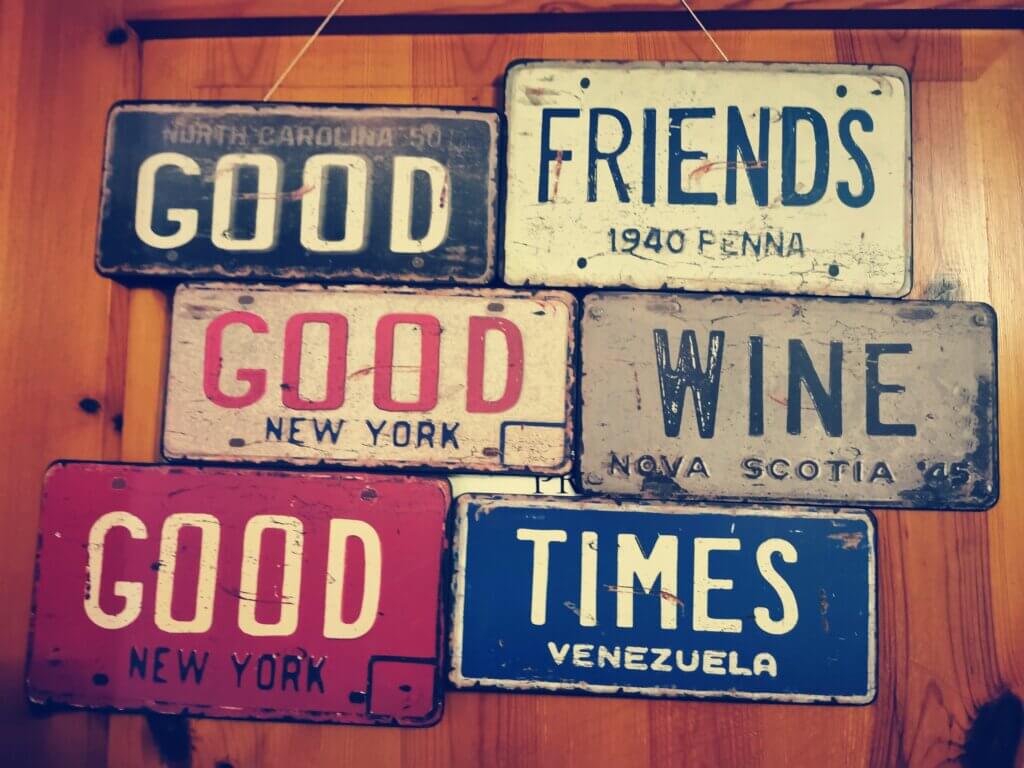
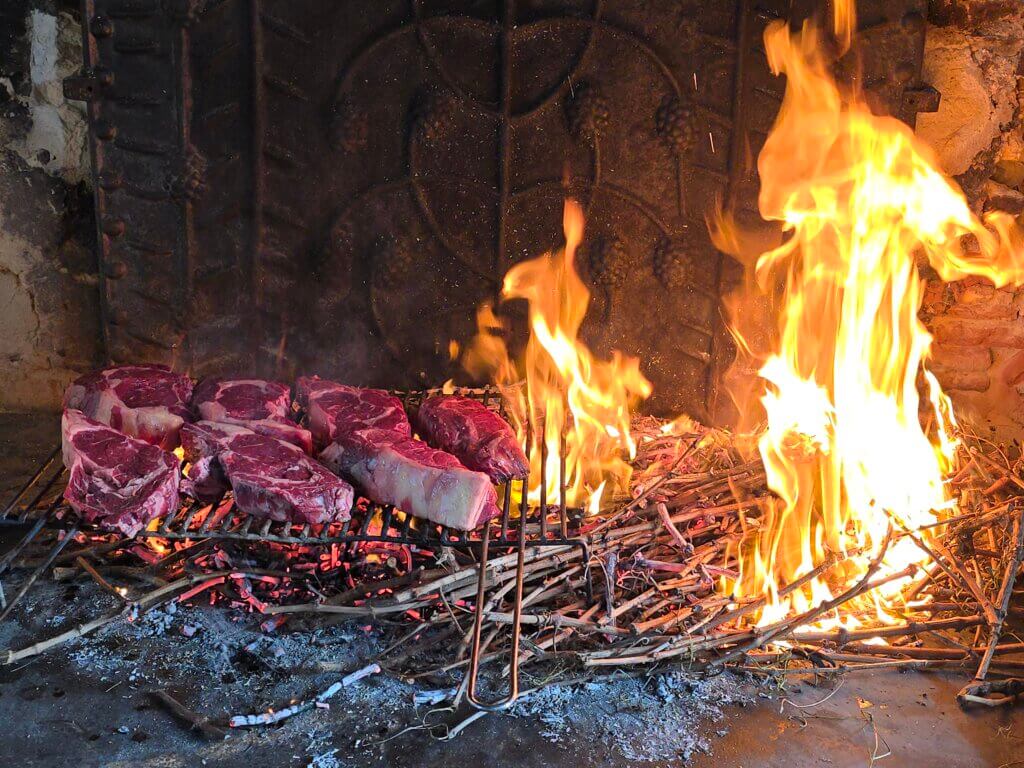
This episode is your inside steer on how to do wine travel right.
First things first: where best to go, from headliners like Napa, Douro, Stellenbosch and Rioja to lesser-known gems like Slovenia, Elqui and Aosta.
And then there are questions like: how to wangle your way into iconic producers who aren’t normally open to the public?
How to avoid falling asleep in your soup and falling out with your travelling companions?
What are the best wine festivals and events?
What’s the proper visiting etiquette and wardrobe?!

Providing fascinating answers and all kind of useful tips (not to mention plenty of photos on this page) is wine travel guru Cindy-Marie Harvey of Love Wine Food.
We throw our two cents into the pot, plus we seek advice from an anonymous source inside an ‘iconic’ wine producer. Cloak and dagger!
This is our Season 7 finale. We appreciate you tuning in – and look forward to your company for Season 8, which is looking very tasty indeed!
Starring
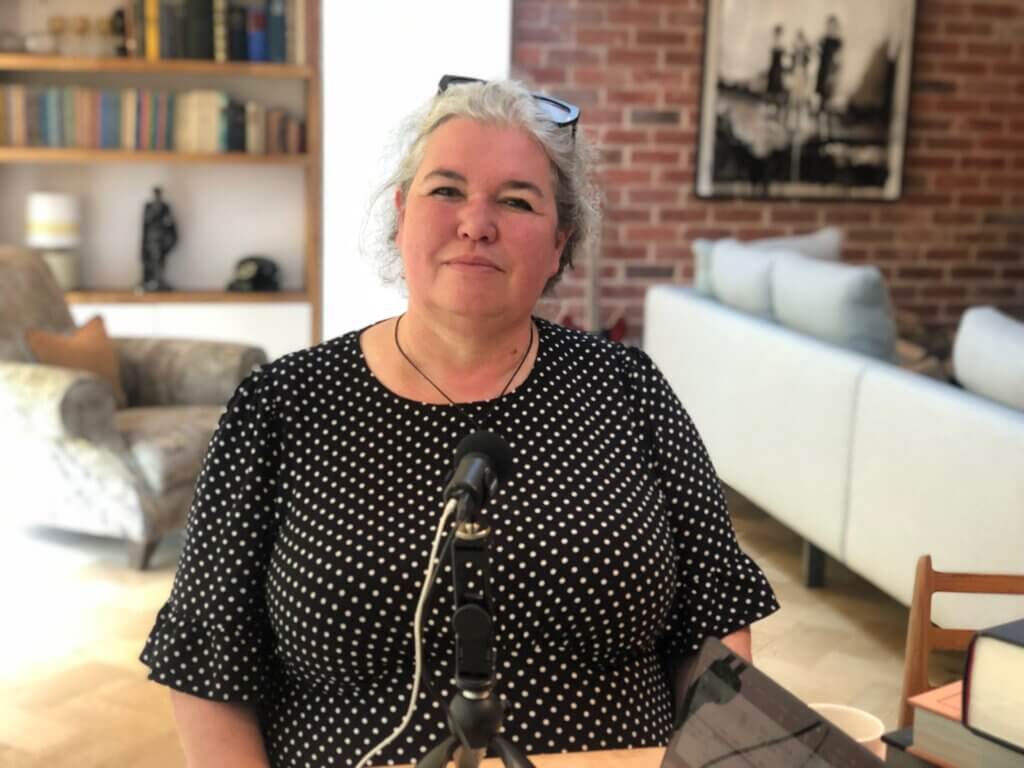
- Cindy-Marie Harvey, Love Wine Food
- Susie & Peter
Subscribe
Sign up to Wine Blast PLUS for first-class subscriber-only content, to access our full archive, support the show and get every episode before it goes on free release.
You’ll also get subscriber-only discounts with the likes of Coravin, Jancis Robinson glassware and Academie du Vin Library.
Just visit WineBlast.co.uk to sign up – it’s very easy, and we will HUGELY appreciate your support.

It takes a monumental amount of work to make Wine Blast happen. Your support will enable the show to continue and grow – and we have lots of fantastic ideas of things we’d like to develop as part of Wine Blast to maximise the wine fun. The more people who sign up, the more we’ll be able to do.
Top Wine Travel Destinations
Here’s an incomplete but hopefully thought-provoking listing of what our, to our mind, some of the best wine travel destinations around the world.
Wine tends to be made in all kinds of interesting and scenic places, so choosing the ‘best’ destinations seems like a fool’s errand.
But this is our stab at suggestions – and if you have any you think we should add, please do get in touch!
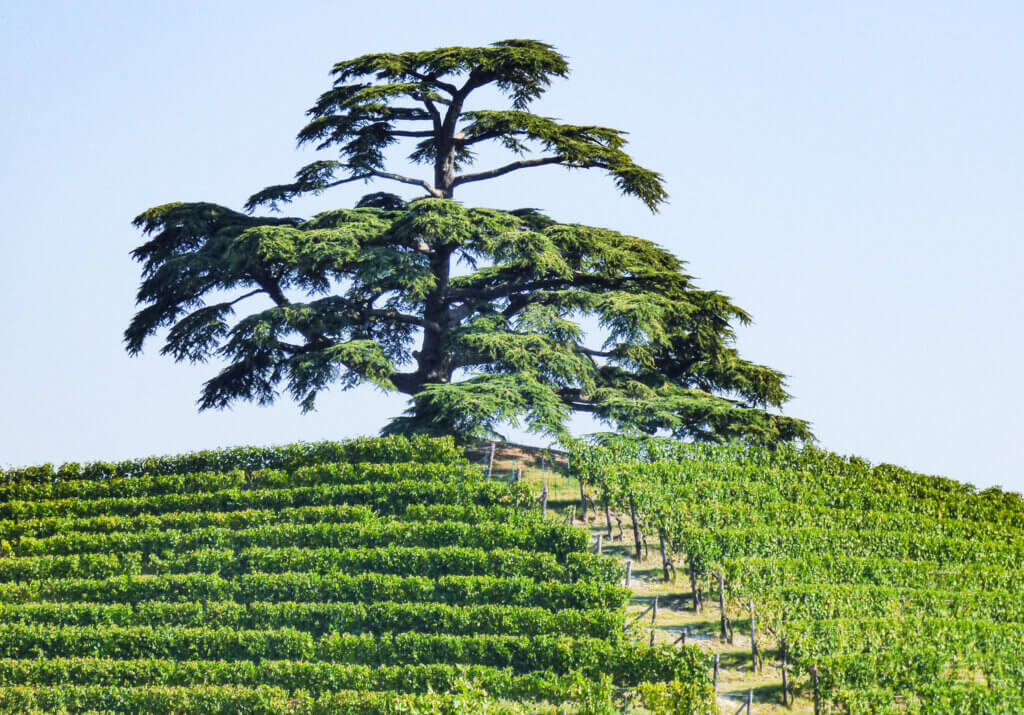
The obvious candidates
- Beaune & Burgundy
- Champagne
- Douro & Porto
- Napa Valley
- Piedmont
- Prosecco
- Rioja
- Santorini
- Stellenbosch
- St Emilion
- Tuscany
- Western Australia inc Margaret River, Great Southern
The lesser-known options
- Alsace
- Baja California, Mexico
- Banyuls and Collioure, Roussillon
- Cape South Coast, South Africa
- Central Otago, New Zealand
- Elqui Valley, Chile
- Etna, Sicily (& Aeolian Islands)
- Georgia
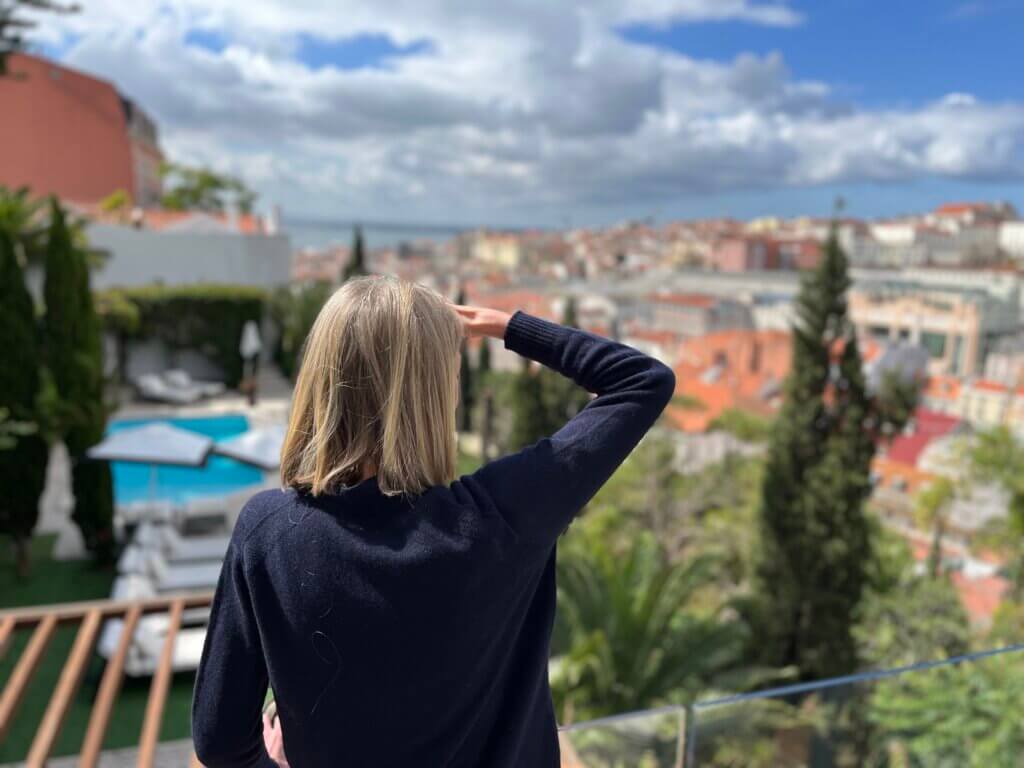
- Lisbon, Portugal
- Slovenia
- Italy: Trentino/Alto Adige + Aosta
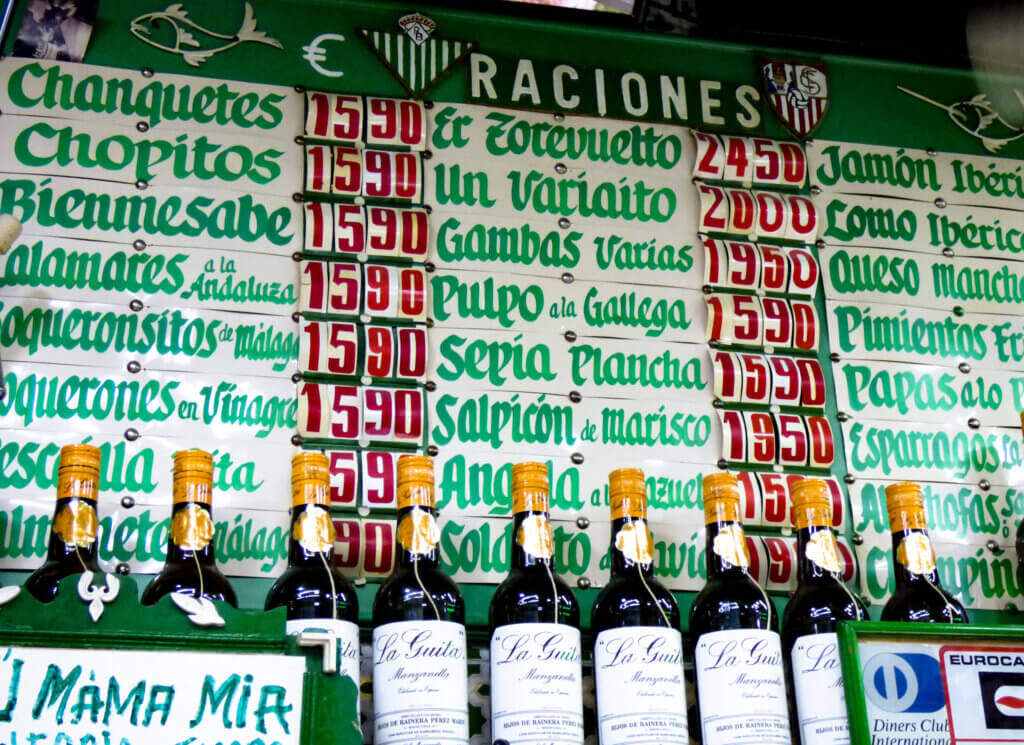
- Spain: Sherry country + Galicia + Catalonia
- Tasmania
- UK: Kent, Sussex, Hampshire, Essex, Cornwall
Global Wine Events
These are a few wine events around the world that have come to our attention (or which we’ve attended). Please do get in touch to suggest more, we’d love to expand this listing!
- Batalla del Vino (Rioja)
- Chapel Down Magnum Festival (Kent)
- Douro & Porto Wine Festival
- Harvest Festival (Mendoza)
- Fizz Fest (Hampshire)
- International Pinot Noir Celebration (Oregon)
- L’Hospitalet Jazz Festival (Languedoc)
- Pair’d (Margaret River)
- Radda nel Bicchieri (Chianti)
- Rheingau Wine Festival (Wiesbaden)
- Stellenbosch Wine Festival
- Sulafest (Nashik)
- Toast (Martinborough)
Wine Runs
Again: not a definitive listing of wine runs but rather some that have come to our attention, including the odd one we’ve run and experienced over the years.
Most runs involve multiple formats (eg if it’s nominally a half-marathon, often there’s a 10K or fun-run as well). Many are fancy dress! Check them out.
- Brunello Crossing (February, Italy)
- Cyprus Wine Run (March)
- Marsala Sigel Marathon (April, Sicily)
- Beaune Half (November, Burgundy)
- Cricova (underground) 10K (February, Moldova)
- Denbies Bacchus Half & 10K (September, Surrey)
- Douro Valley Half Marathon (May, Portugal)
- Lanzarote Wine Run (June)
- Sancerre Wine Trail (June)
- Hunter Valley Winery Run (July, Australia)
- Medoc Marathon (September, Bordeaux)
- Sherry Maratón (April, Cádiz)
- Vale dos Vinhedos 21K Wine Run (October, Brazil)
- St Emilion Half (April, Bordeaux)
- Wachau Marathon (September, Austria)
- Barbaresco and Alba White Truffle Eco-Marathon (October, Italy)
- Chianti Classico Eco-Marathon (October, Italy)
- Beaujolais International Marathon (November, France)
- Marathon Deutsche Weinstrasse (April, Palatinate, Germany)
- Willamette Valley Run (September, USA)
- Half Corked Wine Run (May, British Columbia)
- Wicked Wine Runs (USA, various locations and dates)
- Disney Wine & Dine Half Marathon (October, Florida)

Links
- Cindy-Marie mentioned the Vanguard Valise wine suitcase in this episode
- You can find our podcast on all major audio players: Apple Podcasts, Spotify, Google, YouTube, Amazon and beyond. If you’re on a mobile, the button below will redirect you automatically to this episode on an audio platform on your device. (If you’re on a PC or desktop, it will just return you to this page – in which case, get your phone out! Or find one of the above platforms on your browser.)
How to Spit
In this pod, we talk about the etiquette of spitting. Here’s a video Susie did on the subject (a while ago now!)
Get in Touch!
We love to hear from you.
You can send us an email. Or find us on social media (links on the footer below).
Or, better still, leave us a voice message via the magic of SpeakPipe:
Transcript
This transcript is AI generated. It’s not perfect.
Hello and welcome to our Season 7 grand finale!
Susie Barrie MW 0:05
Hello and welcome to Wine Blast, and more specifically to our season seven grand finale! And it’s a really enjoyable one because we’re talking wine travel, getting away from it all, you know, tasting beautiful wine in great places with fabulous food and fun people, which is, I hope, all of our happy place in the Wine Blast community.
Peter Richards MW 0:29
Yeah, yeah. I mean, when you think about it, just drinking wine is a form of vicarious travel. The best wine can transport you to a time and a place like few other comestibles can. But you know, in this episode, we’re talking actual wine travel, getting out into the wilds of the wine world, ‘travelling with a corkscrew rather than a compass,’ as Gerard Bertrand so memorably said in our recent Pays d’Oc IGP episode. Here’s a taster of what’s coming up:
Cindy-Marie Harvey 0:53
Be open-minded. Be prepared to like that rosé, having avowed all your life you hate rosé. Be prepared to try something completely different. Generally, make friends with your spittoon. I think a lot of people are a bit wary about spitting in public. So if you really are worried about that, sit in your bath at home and try and aim for the taps.
Susie Barrie MW 1:14
Aim for the taps! Wise words there from Cindy -Marie Harvey, who leads tours as part of her Love Wine Food business and is a proper wine travel guru with decades of experience. And she’s who will be mining for information in this programme. Plus, we’ll be throwing our own two cents into the pot as ever. And we’ll share an insider steer from an anonymous source at the kind of wine producer everyone wants to visit.
Peter Richards MW 1:41
Oooh, cloak and dagger! Anonymous sources! As long as it’s not ketchup… So uh the think of this show as your handy podcast guide to wine travel. It’s a fabulous thing to do. We can’t recommend it highly enough. It’s also a booming sector, uh, projected to generate more than $138 billion by 2033, according to data from Persistent Market Research, with predicted growth in the US, for example, of nearly 13% annually from 2026 to 2033.
Susie Barrie MW 2:12
Talk to wine producers, beleaguered by climate change and plummeting consumption, and many believe that wine tourism is one of the few bright spots on the horizon. Um, French wine producer Morgane Le Breton said in our Pays d’Oc pod, wine tourism is going to ‘save’ the industry. Um it’s clearly a subject that’s generating a lot of interest. So we’re going to be looking into it over a number of programmes, with this being the first. After this, we’re going to focus in on individual countries and regions in future episodes.
Listener question from Ian Lindsay
Peter Richards MW 2:44
Yeah, and actually part of the reason we’re covering this subject is down to you, our lovely listeners. Uh, this, for example, was a message from listener Ian Lindsay:
Ian Lindsay 2:52
Hello, Susie and Peter. I’m a big fan of the pod. I’d love to hear an episode focused on wine travel. We all listen to Wine Blast because we love hearing about regions, producers, and great bottles. A mix of wine education and market intelligence, if you will. But actually turning up at the cellar door and getting the most out of the experience is not always as easy as it seems. How do you plan a great wine trip? What are the practical do’s and don’ts? When are the best seasons to go? What’s the best way to meet producers respectfully, taste well, and travel sustainably? You’ve travelled the wine world more than most. So an episode that gives Wine Blast listeners practical guidance, insider tips, and inspiring ideas for their next wine adventure would be pure gold.
Susie Barrie MW 3:46
Now I’m just thinking of gold taps, and I’m not exactly sure why. But thank you, Ian, for such an excellent idea. Your wish is our command. And so this is exactly what we’re going to try to do in this show. Focus on helpful practical tips as well as insider ideas for wine adventures.
Peter Richards MW 4:04
Indeed.
Some Wine Blast announcements before we start!
Peter Richards MW 4:05
But just before we get started, there’s a few things we need to say on the general Wine Blast front. Yeah. There are. There are indeed. First and foremost, uh there’s a number to choose from. Um before we launch into season eight, uh, we will be having a brand refresh. How exciting! Um, that doesn’t mean we’ll just be drinking lots of cool white wine or chillable reds. It’s actually a proper professional thing. We can maybe do two at the same time. Uh so if you notice our logo or podcast tile looking a bit different, please don’t be perturbed. Uh, it’s a good thing. It’s still us, it’s still Wine Blast, still Susie and Peter. We may just look a little bit different…
Susie Barrie MW 4:42
Yeah, I mean it’s not a massive change, is it?! But it is a change. Uh both the Wine Blast and Wine Blast PLUS. And we say this because we know it can be a bit weird when podcast branding or logos or tiles change, even subtly. And you know, you get so used to finding the image you’re used to that when it changes, it can be a bit disconcerting. But the main thing is, we hope you like it.
Peter Richards MW 5:03
Yeah, fingers crossed, uh, it’s all in the interests of continuous improvement. And of course, the ultimate aim of total world domination by Wine Blast eventually.
Susie Barrie MW 5:12
Maybe wine world domination…
Peter Richards MW 5:14
On which note, we’ll also be republishing short taster episodes of our archived seasons between the end of season seven, i.e., after this show, and the start of season eight.
Susie Barrie MW 5:24
Yep, so you’ll uh you’ll see those popping up in the free feed. Uh Wine Blast Plus subscribers, of course, already have full access to our entire archive back to season one. So these tasters won’t appear in the Wine Blast Plus feeds. Either way, it’s a good incentive to go back and check out what are some intriguing time capsules from five or six years ago. And if you do want full access, just sign up to Wine Blast PLUS at wineblast.co.uk.
Peter Richards MW 5:50
Yeah, link in the show notes as ever. And this leads neatly on to our final announcement, which is good news for Wine Blast PLUS subscribers and potential new subscribers, uh, that we have plans to improve the subscriber benefits even further. Uh, some of these we’ll be announcing in due course and may involve in-person activities… Uh, but a couple of things we can trail beyond more archive going behind the paywall are a tasty new newsletter and delicious recipes and wine matching suggestions going live very soon.
Susie Barrie MW 6:20
Continuous improvement. Um, that’s the phrase, isn’t it? Always striving to serve you better and have fun along the way, of course. On which note,
On wine travel – and the Michelin Guide
Susie Barrie MW 6:29
Back to wine travel. Now, this is a subject close to both our hearts. In fact, the first book you wrote was a visitor guide to the vineyards in Chile, wasn’t it? Um I mean, I think that’s that’s how you got into wine, wasn’t it? It was, yeah. Yeah, and one of my first books was on wine travel in northern Spain. Uh so we’ve been wine travel champions for quite a while, haven’t we?
Peter Richards MW 6:49
Yeah, and and we’ve worked with hotel and travel companies over the years as well. Um because wine travel, I don’t know, it’s it’s just a great way for people not just to get into wine, like I did, as you said, travelling around the wine lands of Chile, but also for wine lovers to to enjoy themselves, you know, get to know their favourite producers even better and discover new things. I mean, seeing, you know, people’s eyes light up when they’re doing this because of wine travel, it’s it’s a very special thing.
Susie Barrie MW 7:14
Now, interestingly, just turning to topical matters, the Michelin Guide recently launched its new grape selection, focusing on wine producers in Burgundy. And listener Andrew Zucker in the US quite rightly asked about this and what its impact might be on wine tourism. The short answer, Andrew, we think not much, probably.
Peter Richards MW 7:35
It’s a funny one. Uh, to my mind, Michelin is about recommending restaurants you want to visit, right? The ‘worth the detour in your car journey’, as it were. That’s the idea. Uh so there’s a travel or visiting element baked into the concept as far as I’m concerned. But this new kind of grape selection initiative doesn’t seem to be about travel or visiting at all. It seems to be primarily about the wines, and the viticulture and winemaking. But I just find it all a little bit baffling, isn’t it?
Susie Barrie MW 8:00
I mean, yeah, especially when you consider that the Michelin Guide owns the Robert Parker Wine Advocate, which covers kind of similar territory. I mean, I don’t know, maybe they’re thinking that the latter brand is fading and so Michelin will take over. Um, but I’m I’m not convinced this is a particularly compelling way to do it.
Peter Richards MW 8:18
Yeah, I totally agree. Plus, it seems like there’s already pushback from some of the wine producers included in this initial Burgundy rating. Uh, apparently Arnaux Lachaux in Vosne Romanee have requested they be removed from the rating, given they deliberately don’t submit their wines for press reviews of ratings and haven’t received Michelin.
Susie Barrie MW 8:34
I mean, it would make wouldn’t it have made much more sense if Michelin had recommended the best wine producers to visit? 100%.
Cindy-Marie Harvey interview Part 1
Susie Barrie MW 8:41
Anyway, I don’t get it. Interesting tangent, but let’s move on. And bring in someone who does know all about the best producers and regions to visit, Cindy -Marie Harvey. Cindy- Marie has been working in wine for 30 odd years and organising and leading wine tours for much of that time. She currently runs Love Wine Food and says her favourite wine regions to visit are Piedmont, where she used to live, as well as the Aeolian Islands north of Sicily, and Uruguay.
Peter Richards MW 9:08
Now we’ll come on to some of our favourites in a bit, but you asked Cindy- Marie how she’s seen wine travel evolve over the years and what the current trends are now.
Cindy-Marie Harvey 9:17
I think it’s been a fascinating sort of trajectory for wine travel. When I very first started, there were very few people who would have a specific cellar door. Um they would see people, but there wasn’t anyone standing there waiting for them. Um the New World definitely have been ahead of the curve on restaurants. I mean, I think we’ve all been to a million wonderful ones in certainly South Africa and New Zealand. I mean, just amazing restaurants, to the point that they are businesses within their own right. They just happen to be on a vineyard. So people go there, they’re not going to a vineyard, it just happens to be on a vineyard. When I first went to Chile back in 1997, the wines of Chile map, I think, had five different regions on it. Of course, now that’s expanded, Atacama, right down to Chiloe in the south, and with that has come tourism, not only from outside the rest of South America, but also within its own country. And I think going ahead, people wine has to be a bit more inclusive. So it’s not just it’s an experience. I hate that word, but it is true. So when people come to you, they may want to be doing I don’t know, going for a little self-guided walk around a vineyard. They don’t want to be talked at, they don’t want to be lectured, maybe they feel they don’t understand enough. So it’s a good way of getting people in. So look at what you have on your premises, don’t make it too fake, don’t make it all kind of like, oh, we can do send you up in a hot air balloon. Just do something that fits with your philosophy. And that may even be cooking. It may come in and just doing cooking with a couple of people, three people, whatever. So I think the world of wine tourism is just going to continue to grow as it works, what it’s what works best. What else goes with wine? I mean, you know, opera and wine, brilliant. Golf and wine, equally brilliant. Marathon’s, well, marathon de Medoc, you guys know very well. So anything that takes people into it with their another interest will mean that they’ll feel comfortable in the world of wine and they’ll expand into it. So something that brings a little bit extra.
Susie Barrie MW 11:19
So could you recommend some wine destinations for a range of interests? So, say somebody who’s really super keen, somebody who has medium interest, and then someone who’s sort of less serious about the world of wine?
Cindy-Marie Harvey 11:32
I mean, I think if you are the super keen, or what the sort of my like my inner geek would be, um, I think you need to be going to a region that is requires a bit of focus. So thinking of fragmentation. So go to Burgundy, because you can really dig deep and look into the terroir so between one row and another. Go to Etna, same reasoning. I think if you’re middle range, you want to go somewhere where there is a diversity of grape varieties, because you don’t want to be doing all of the same thing. So, for example, Sudtirol / Alto Adige, that would get my vote because you have everything from sparklings to world-class Pinot Biancos through to some beautiful reds, and even some amazing sweet moscato rosa. So that’s the thing. I think for people who are either just coming into wine or maybe just want a bit more of a relax and a bit more fun, go somewhere pretty, you know, go somewhere where you can actually enjoy, have a late start, get up, and to be honest, although I’m not a big Prosecco fan, Prosecco ticks a lot of those boxes. It’s exquisitely pretty. There’s some great hotels, some lovely restaurants. It’s fun if you like drinking it, it’s great fun. Um, and yeah, I think don’t it’s UNESCO, you know, it’s been approved by UNESCO’s World Heritage. How gorgeous does it have to be? So you don’t want to be looking at too many barrels, you don’t want to be looking at too much stainless steel, you just want to be having fun and drinking some nice wine.
Susie Barrie MW 12:54
Now Prosecco’s also quite warm, I seem to remember, because I got there and my case didn’t arrive for three days. Um and then I came home. Um so uh that was that was uh a sweaty, sweaty time. And what about some regions or places that we could maybe class as hidden gems, you know, places off the mainstream radar that you would particularly flag up as good to visit?
Cindy-Marie Harvey 13:16
I think there’s several. I mean, one that comes to mind definitely would be Slovenia. Um we took sort of three groups of people to Slovenia last year, but I went there first in 1998, and I think most people just know, well, actually, a lot of people don’t even know where it is, they think it might be Slovakia, that just the name itself confuses. But there are unbelievable wines, both white and red. Ljubljana, obviously, as a city to stay in, is stunning. Um, and then over to Brda up in the hills, you know, it’s right on the border with Italy. So if you love Italy and you love that kind of northeast part, you’re gonna love Slovenia. It’s so green. The food is unbelievable. I have to say the food scene in Slovenia is phenomenal. Um, I’d also think maybe look at Aosta, staying in Italy, smallest Italian region, um, right up on the borders. So you’ve got mountains all around you, but the white wines there absolutely blew my mind, and it’s very pretty, and because it’s mainly known for skiing, if you’re going out of season, then it’s lovely because there’s actually not that many tourists around. Um, so that would definitely also be on my list. Um, other than that depends. I mentioned earlier the Aeolian Islands, and I think so many people go to Sicily, but they know they’re gonna go to Palermo, they know they’re gonna go to Catania or whatever, they know they’re gonna do Etna. But actually taking that little ferry just across their archipelago and you go down, it’s relaxed, the life is a different style, the wines are lovely, they’re never gonna be mega world class, but you can have a great time and eat some good food. So, yeah, look at things a little bit outside of the normal.
Susie Barrie MW 14:49
And how is it best to plan a great wine trip? You know, is it best to start with the wines you love, uh, or the region you love, or your budget, or or what do you think?
Cindy-Marie Harvey 15:01
Yeah, I think it’s one of those things, it’s a bit like a toppling tower of Jenga. You don’t think it’s ever going to come together and then it suddenly does because you take one out and it all falls down, so you start again. So start with what is important to you. Um very often I would say is, well, do you want to discover something new or do you want to go somewhere where you know you’re going to like the wine? That’s the kind of premise to start with. Then I would say what is important. So if you are happy to go and stay in a tree hut in a vineyard in the middle of Sussex, wonderful. If you’re that person who goes, No, I need my lovely, sort of wonderful bed in a five-star hotel with a very helpful concierge called Giuseppe who will do everything for me. So yeah, think about what’s important to you before you even start thinking about the wine thing, because the wine will just be one small part of your holiday. So once you’ve got all of those in place, then you can start looking around and saying, Well, do I want to taste mainly red? Do I want to taste mainly white? Do I want to go to Italy? Do I want to go to Virginia? Do I want to go to Texas? Anywhere. So there are so many elements to bring into it as to what’s important. The only one thing I would say, never try to cram too much in. That is the one thing that anyone who does their own wine tour will always fall forth of. I’m here, I’ve got to do it, and you will end up drinking too much, not appreciating the last two wines, and basically wanting to lie down in a darken room somewhere. So yeah, that would be my one advice.
Susie Barrie MW 16:29
A really, really good tip. Um, and what are the pros and cons um of you are a specialist tour operator? What are the pros and cons of going with a specialist tour operator like you versus the DIY approach where you’re setting it up for yourself?
Cindy-Marie Harvey 16:43
I think they both have their places. It’s not that one is better than the other. I think it’s just it there are, well, the majority of people who come on my tours, the first thing they will always ever say is, I don’t do group travel. And then we have 98.7 repeat business. So they obviously discover they do do group travel. If we are looking at going to places that are not usually open, I think that’s one of the reasons for going with a specialist. Um, because if you are a very important wine producer, you want to have who’s walking through your door pre-validated so they know they can trust me after 30 years. If, however, you like the more flexible approach, then doing it yourself is equally just as possible. There are a lot of cellar doors out there now, people who even ones you can just rock up with. In Europe, it’s still always better to have an appointment, um, but certainly in the new world, there are lots of you know, cellar doors, be it Australia, America, you can just come along, get on your bike, and go. Um, so it’s not this one or best or the other. About one thing I think definitely is best is the whole point of having a driver who takes you around because nobody wants to be the designated driver.
Susie Barrie MW 17:54
I was just about to ask you that. I was saying, well, how do you get over that issue of um, you know, not wanting to uh well, you want to try the wines, but you obviously can’t drive afterwards.
Cindy-Marie Harvey 18:02
Yeah. I mean the thing is that most wineries, most vineyards rather, at least are in beautiful places, but they’re not always the easiest to get to with public transport. So I would say definitely if you are doing it on yourself, then talk to your hotel and actually therefore be a responsible tourist and put some money back into the local economy by hiring yourself a private driver for the day, you’ll enjoy it so much more. You’ll still be talking to your partner at the other end because n neither one of you has had to be designated driver. Um, and it makes the whole economy go round. So, yeah, that would be my advice. If you’re gonna do it, get a driver.
Susie Barrie MW 18:39
And if it’s not a uniquely wine-focused trip, if not everyone travelling is a wine buff…
Cindy-Marie Harvey 18:46
Do we know any of those?!
Susie Barrie MW 18:47
We’re all wine buffs, aren’t we? But where might be the best places to go to to cater for different interests and activities on a trip where you want to include wine?
Cindy-Marie Harvey 18:56
Yeah, I mean this we did a lovely one for a family which was in Tuscany, and we just basically took over an entire village for the whole extended family. And we had in obviously nannies for the children, so the adults could go out for the day, and we arranged them, the children had the pool, everyone was happy, and then they went off and did, you know, various touristy things like Siena or whatever. Um, I also think Lisbon is actually a good one, um, because Lisbon is central, you can get to vineyards very quickly, but it means there’s a lot for everyone to do. There’s the essential retail therapy, which is what everyone seems to want. Um, but yeah, depending on if you have a mixed bag of people, there’s lots of things that you can do, not wine every day. It can be wine related or it can be no wine at all. Um, and I think when people see what they want to achieve, just be honest and say, right, I actually only want to go to one winery in that region, and then I’m happy, and I’ll drink the wines at a meals. Um, and you can choose lots of other things for people to do.
Susie Barrie MW 19:56
I think that’s a really good point. When it comes to wine travel, you should think of wine as an important part of the trip, but only one element. You know, a trip’s always bigger than that. You’ve got to think about the actual travel, the accommodation, the food, your travelling companions, the budget, you know, lots of other things beyond wine.
Peter Richards MW 20:14
Yeah, at the same time, it’s not trying to cram too much in. Yeah, that is quality, quality advice. I mean, real guilty definitely of trying to do that. It’s such a hard balance to get right, isn’t it?
Susie Barrie MW 20:24
Yeah.
Peter Richards MW 20:24
You’re excited about doing these things, but there is a limit to what you can do. I mean, I remember one trip to Spain where my notebook just ends halfway through the trip. I couldn’t, I literally, I was done. I was done. I was exhausted. I was just, I was just absolutely out on my feet. So I think it’s better definitely to err on the side of not overdoing things. Then you can always sort of backfill, you can then you do do do more. And also that that tip about hiring a driver if you’re doing it DIY.
Susie Barrie MW 20:48
Yeah, that is so important. Um, right. So I think what we’re gonna do is take a breath, uh, then come back with some of our personal recommendations and thoughts on this fabulous topic.
MID-EPISODE RECAP + our top wine destinations
Susie Barrie MW 21:00
To recap so far, wine travel is booming, and we’re here to give you the inside steer on how to do it right and get the most out of it, from hiring drivers to not overdoing things, and even lifting the lid on the hidden gem destinations.
Peter Richards MW 21:16
Now, Cindy Marie has given us some fantastic insights and suggestions so far, uh, with more to come. Uh, but what about our two cents, particularly on where to go? Um, perhaps in addition to Cindy Marie’s brilliant suggestions.
Susie Barrie MW 21:28
Yeah, I mean, I think the first thing we’d say is start with what’s important to you and then do your research. You know, some regions just make for a fabulous visit, but each region is different. And so you need to work out what’s going to work for you, as it were. And my advice would be to think just as much about the things to do that aren’t wine as the things that are wine centric, if that makes sense.
Peter Richards MW 21:51
Yeah, um, very good point. So, shall we just run through a few of our personal favourites? Um, I’m gonna start with Sherry Country, uh, where I took you. For a significant birthday, not that long ago. It’s amazing, particularly in spring and autumn, because summer can be really quite hot. But just delicious food, beautiful countryside, so much to see and do around the likes of Seville, Jerez, Sanlucar, Cadiz…
Susie Barrie MW 22:16
Oh yeah, it was so much fun, wasn’t it? So I’ll go straight in with Santorini, where we’ve been a few times, including for a wedding anniversary when we stayed in Oia. And it’s a stunning island with sensational restaurants and then so many great wineries to visit, farming these ancient vines in barren, rocky, windswept landscapes. I mean, the big irony is that vineyards are being lost to tourism infrastructure. So it’s hard to get the balance right. Being the right kind of tourist is the way to go. And there are so many other wonderful Mediterranean islands you can visit from a wine perspective, aren’t they?
Peter Richards MW 22:53
So ready, so ready. Now there are a fair few very obvious global wine tourism hotspots, like Napa Valley in California or Stellenbosch in South Africa, or the stunning Douro Valley, all of which are well worth visiting. But the more obvious one that I’d vote for would be Rioja. Staying in Haro or nearby, visiting the likes of Lopez de Heredia or La Rioja Alta, popping into the Dinastia Vivanco Wine Museum, checking out Frank Gehry’s Marques de Riscal Hotel or Santiago Calatrava’s Ysios, the San Millan Monasteries, even the Batalla de Vino, where you get soaked in wine. Yeah. t
Susie Barrie MW 23:28
Yeah, I mean there are so many other places as well in Spain you can go, aren’t there? You know, Rias Baixas, and all over Galicia you can find hidden gems and great seafood. And Catalonia is wonderful from Priorat to Terra Alta and the Costa Brava, including over to Banyuls and Collioure on the French side. It’s such a gorgeous part of the world, isn’t it? Yeah, yeah. But I think for my ultimate obvious one, I’d be between Burgundy and Tuscany.
Peter Richards MW 23:55
That’s two. Two ultimate obvious ones.
Susie Barrie MW 23:57
I said I’d be between Burgundy and Tuscany…
Peter Richards MW 23:59
Having your cake and eating it…
Susie Barrie MW 24:01
Well, Cindy Marie mentioned Burgundy, didn’t she? I mean, Beaune is the town every wine lover just has to visit. You know, the smell of wine virtually seeps up through the cobblestones. And then Tuscany, you know, the food, the landscape, the people, the lifestyle.
Peter Richards MW 24:15
Yeah, and I suppose Saint Emilion would be another more obvious one to throw it. And you can check out if you’re there, you know, things like the Cite du Vin, uh, the Darwin development and the famous quais in Bordeaux City. Um, looking further afield, though, because I think it’s slightly more interesting to go for the less obvious, slightly more esoteric ones, I put in a vote for the Elqui Valley in Chile. Later than Elqui, uh, one of my favourite places to get away while I lived in Chile. It’s just so unbelievably tranquil. I mean, you have never seen stars like you see in Elqui. There’s also, you know, pisco and poetry to keep you going too.
Susie Barrie MW 24:47
Sounds like a pretty potent mix, doesn’t it? Um I think my far-flung option would be either Tasmania and such exciting wines and some really cool things to see, too, like the Mona Museum, the Bonorong Wildlife Sanctuary, and and tons of top wineries.
Peter Richards MW 25:05
I’d love to go there.
Susie Barrie MW 25:06
Or Western Australia. Margaret River is just the most awesome place to visit and and taste and eat and surf if you can, um, and and chill out. Um but you can then also head over to Pemberton or Great Southern.
Peter Richards MW 25:20
Yeah, it’s a great trip to Western Australia. Um, I mean, there’s there’s so many places in Australia full stop, aren’t there? From Yarra to the McLaren Vale to the Adelaide Hills, to Barossa. And then, you know, you shouldn’t overlook Central Otago in New Zealand, for example. Bungee jumping and wine. I mean, what could possibly go wrong? Maybe thinking about those lines, the adventurous sort of theme. Georgia is really cool. Very cool. Uh, we talked about that on the pod a bit for the history. Also, somewhere I’ve been, um, Baja California in Mexico is a bit different and really cool.
Susie Barrie MW 25:47
I mean, I mean, the problem is we could just keep going on forever, couldn’t we? There are so many good places to visit from a wine point of view. Um, but I will just finish by mentioning Alsace, somewhere that can get overlooked, but is so chocolate box pretty and with really intriguing wines. Um, and then also something that Cindy Marie touched on, which is English and Welsh vineyards, and which in the last five to ten years have done great work on the wine tourism front. You know, Kent, Essex, Sussex, Hampshire, Dorset, Cornwall, Wales, Yorkshire. I mean, you can go and visit excellent vineyards all over with increasingly good restaurants, hotels, activities. So they’re all well worth checking out.
Peter Richards MW 26:28
Yeah, I mean, so much of wine tourism is about that infrastructure, isn’t it? Having good restaurants, having good hotels, you’re really good. You need that in order to be able to do it. Sometimes wine trails as well. And I think uh England England and Wales is doing doing really well there. So we are actually gonna do an episode focused on UK wine travel soon. So keep your eyes peeled for that one. Uh, and in topical news on that front, we hear Chapel Down in Kent are launching a Magnum Festival. Um, they’ve definitely sold me on that one. Just putting Magnum in the title on the on there. I’m sold. They’re gonna have obviously big tunes. T-shirts. Yeah, right. I’m in for merch, everything. Uh, big bottles as well. So it’s it sounds like fun.
Susie Barrie MW 27:02
Yeah, indeed, indeed.
Cindy-Marie Harvey interview Part 2
Susie Barrie MW 27:04
Now, we do have more tips and thoughts to share, plus that anonymous source input. Uh, but before that, I think we should hear again from Cindy Marie. Um I asked her if there were any wine events or festivals around the world that she’d particularly flag up as being worth experiencing.
Cindy-Marie Harvey 27:21
There’s there’s quite a few. I mean, I like the more localized ones. There’s one called Radda nel Bicchieri, which is in Radda in Chianti, so it’s about, I don’t know, half an hour away from Siena. Um, and they just basically, the whole hilltop village gets shut off. You take your glass and you wander around, and all of the producers from around there are there. This being Italy, there’ll be lots of salami and lots of cheese and things as well. Um, that’s quite a fun one. I think Toast in Martinborough, down in New Zealand, that’s a great one as well. Mainly because uh it’s surrounded by so many great wineries. So, and the focus is not just wine, it’s lots of live music. So it’s a good festival thing to do. The one that’s still on my list that I haven’t actually done yet, which is the International Pinot Noir Celebration. That is everyone who I know has gone and said it’s absolutely phenomenal. So that would be one that I would say, yes, have a look at it. I still haven’t done it, but I really, really want to. But have a million ways to do Pinot Noir with salmon, it’ll be great. Oh, and of course we’ve got FizzFest just on our own doorsteps. Of course.
Susie Barrie MW 28:24
Think of that. Um now say I know I’m going to I I want to go to Rioja or I want to go to Mendoza in Argentina. How do I choose the best producers in a given region?
Cindy-Marie Harvey 28:37
Assuming you drink that style of wine at home, that would be my first place to start. Um, but if you want to discover new ones, then there’s lots of things online. I mean, things like, you know, your guys’ reviews of the Wines of the Year, things like that. Look at lists of people you trust. I tend to find that people coming into the t wine world as a consumer go, I don’t know where to start. Literally find yourself a journalist or a wine person that talks about wine, taste the wines they recommend for a couple of weeks. If you will find you like them, follow that person. So if you’re a consumer coming in, just find somebody whose palate echoes yours. Read what they said about that region. Um, don’t get carried away by all the clickbait, there’s lots of those clickbait um articles, and they go the ten best whatever’s they’re not always going to be the best, they’re gonna be the people who’ve paid for that to be in that article. Um, and if you’re doing certainly Italy, you’ve got one brilliant book, which is The Wines of Italy to read, very easy. Um, but also if you’re going on your own, maybe don’t plan everything and just go around and talk to the person in the bar in the village in Chassagne Montrachet, and they’ll go, Oh, would you like to come to my winery? Or would you like to go to my friend’s winery? That doesn’t happen that much in Chassagne Montrachet, but it does happen in in Haro and it does happen in Rioja.
Susie Barrie MW 30:00
Now, you’ve talked about getting special access when you’re with a specialist tour operator, but what’s your advice when it comes to iconic producers that probably everybody wants to visit? People adore their wines, but they only do visits by appointment. You know, how is it best to maximise your chance of getting a visit?
Cindy-Marie Harvey 30:18
Um I think the basics of life in general, be humble, be polite, and have good manners. Um, I wouldn’t go in all guns blazing saying, I have 12 vintages of your wine in my cellar. You can put that third paragraph down as a kind of I am serious. Um, if you buy that person’s wine from an independent wine merchant, even if they don’t have necessarily a big distributor, but someone’s bringing it in, ask for an intro so that when you send that email, you’re sending it to a person. You’re not just saying, hello, I’d like to come to your vineyard.
Susie Barrie MW 30:53
And when you do visit, um, what’s the best etiquette on that kind of visit um and on wine visits in general?
Cindy-Marie Harvey 31:01
General, yeah. I think be aware that you’re going to be standing around quite a lot. Don’t show that you’re too bored. Um, I think that things in wine cellars generally cost a lot of money. Each piece of kit costs them a lot of money. They want to show you that piece of kit, and that could be a filter, it could be a press, it could be a very new stainless steel barrel, uh stainless steel vat, it could be a barrel from Stockinger from Austria, whatever.
Susie Barrie MW 31:28
Bottling line…
Cindy-Marie Harvey 31:29
Bottling line. They love their bottling lines. They do love their bottling lines. I can understand why, you know, but these things are happening. So I think etiquette generally is just show interest and you know, make sure. And you’re never gonna like all the wines. Obviously, you’re not gonna like all the wines you ever taste, but just taste everything, be open-minded and and be respectful of your hosts who’ve given their time to you.
Susie Barrie MW 31:53
And what about advice on how to taste well across a number of days? You know, how do you stay focused, alert, attentive, not look bored, and be able to enjoy a wine trip without fizzling out after the first day?
Cindy-Marie Harvey 32:07
I think generally make friends with your spittoon is a very good thing. I think a lot of people who are consumers are a bit wary about spitting in public, mainly because we’ve been taught it’s not a terribly nice thing to do. Um, so if you really are worried about that, sit in your bath at home and try and aim for the taps. Literally just spit water at the taps. Um, but spitting, obviously not at the table over lunch or whatever, but spitting during tasting is a good way because it really does focus your brain. Um, and it comes back to what I said earlier, try not to fit too much in. I mean, I think two two winery visits a day for anyone who is not trade is more than enough if they’re done well. This idea of coming in, I’m doing a tasting, I’m gonna do 12 wines in half an hour, and then I’ve got an extra appointment. No one’s going to enjoy that. Not you, not the winemaker, not the person talking to you. So, yeah, just know your limits. And then when you get to that restaurant that evening, you are no longer tasting, you’re drinking, you’re sitting down, you can enjoy it. You want to be able to get to that point, and to get to that point, you need to spit.
Susie Barrie MW 33:12
Not fall asleep in your exactly. What about practicalities of what to wear or what not to wear?
Cindy-Marie Harvey 33:18
Well, I would have said that was quite a clear, easy one until this week. Um, because if you’re going to be going up and down steps in a cellar, very often they have great big holes in them. Um, if you’re standing in an uneven vineyard, wear decent shoes. I don’t care if they’re fashionable, but wear decent shoes. However, I did this week have a lovely lady who I adore. She can walk in heels that would terrify me. And we walked up a hill in Piemonte, and she did it far better than I did in flats. I mean, it’s so no know your own limits, but I would say generally the most key thing would be comfortable footwear.
Susie Barrie MW 33:54
And cold, um, because I I get cold, you know, and I think cellars can be surprisingly cold, can’t they? Even though you’re in a hot country.
Cindy-Marie Harvey 34:01
Yeah, and especially because you’re going into ones, the majority of ones now that are actually built back into cliffs or built under earth or whatever. And so they’re actually cold all year round. So a wrap is always a good idea. So even if you don’t want to take like a full coat, but just something to throw around your shoulders is always always a decent idea.
Susie Barrie MW 34:20
How do you avoid what I think it’s Professor Charles Spence calls ‘the Provençal rosé effect’? Um, that thing of loving a wine when you’re travelling, buying lots of it, and then it sort of falling flat when you get home and realising it’s not as great as you thought it was.
Cindy-Marie Harvey 34:36
Yeah, I think that comes back to the whole thing of like for a meal, food is only a small part of a meal. It’s actually the whole atmosphere of being out at a restaurant to the service and everything else. The same goes for wine. So, you know, when you were having that lovely Provencal rosé overlooking, you know, the wonderful glistering blue sea, it’s not going to taste the same in Chelmsford on a wet Tuesday evening. So, uh two ways you could do it. You can either try and recreate where you had it at home. Good luck with that. Not sure how you do that, but apparently you’re supposed to put your flip-flops on and put your shorts on and give it a go. Um, alternatively, I would just say think about where you are. So if you are drinking a cold, chilled wine in a really hot country, it is going to taste very different. If you are in a really cold day and you’ve got a lovely big red, you’re looking forward to that anyway. So think about how you drink wine at home before you go crazy. And if you are really convinced, just buy two bottles. Don’t go mad, bring that home, have it on that wet February evening, and then you can always order some for delivery.
Susie Barrie MW 35:41
And you’ve got your two bottles potentially, but um, what about tips for buying in general um when you’re on a wine trip and getting it home, if particularly if the producer say doesn’t have an importer in your home country, so you can’t sort of just buy it at home?
Cindy-Marie Harvey 35:56
Yeah, it’s a bit of a difficult one because you always do want to be able to enjoy and share with your friends ones that you’ve had while you’re away. Um sadly, increasingly, due to the chaos of customs deliveries of wines coming into the UK, there are quite a lot of wine estates who they’ll deliver to Kathmandu, but they won’t deliver to the UK because of the paperwork that’s now requested. Um, so I would say two things either focus on buying a couple of very nice bottles while you’re there and take those flat pack um bubble wrap things that you can just stick in your stick suitcase and and go with it, or invest in a um Vanguard Valise, which I love. There’s a suitcase which is takes 12 bottles of champagne. Oh, 12 bottles of wine, but it’s it’s fitted for champagne. It’s foam inside. There’s even a room for a little bit of clothes if you want to just take one suitcase, and therefore you can bring home something really interesting. It’s brilliant if you’re doing sustainable travel and going by train, because on the Eurostar you just drag it along behind you. Um and they’re not cheap, but they’re they are worth their weight in gold, literally, if you want to bring bring back some interesting stuff.
Susie Barrie MW 37:06
And just thinking about sustainable travel, how can people travel as sustainably as possible?
Cindy-Marie Harvey 37:12
Well, I think it’s there’s several ways of looking at it. When you’re there, perhaps just base yourself in one place, don’t suddenly keep hopping away all the way around. Um, for example, we did uh the Veneto a couple of weeks ago and stayed in Verona, but every day was dramatically different. We went to the mountains in Trentino, we went out to Lake Garda, we went up to the valleys of Valpolicella. I just wanted everything was very different from one base, and there are quite a few places you can do that. Um, my other big thing obviously would be take the train. If you can humanely take the train, please do. Um once you get to Paris, it’s easy because there are so many now new sleeper trains that you can take and go all over Europe. So yeah, take the train.
Susie Barrie MW 37:55
Any other insider tips on how to get the most out of wine travel?
Cindy-Marie Harvey 38:00
Be open-minded, be prepared to like that rosé, having avowed all your life you hate rosé. Be prepared to try something completely different. Um, and listen to listen to the winemakers when they’re chattering away about what brought them into it. There’s all kinds of wonderful stories. It’s never just about the taste of the wine, it’s about the people and it’s about the relationships, and that’s the thing that people remember. I mean, doing wine tourism is a great way of building the brand, for one of a better word, loyalty. Um, but it’s the human aspect that people remember, not the actual liquid in the glass.
Susie Barrie MW 38:36
And just looking at it from the other side, what would your advice for wine producers be when it comes to wine tourism?
Cindy-Marie Harvey 38:45
Decide why you want to do it. Um, if you’re a small independent winery who can’t afford to have, you know, the girls in the pretty red jacket standing all day at the cellar door, um, why do you want people to come and taste your wine? Because as a winemaker, you have to go to so many trade fairs around the world, your time is limited because otherwise, at a certain point, you have to be in the vineyards and you have to be making wine. Um, so I would say realise that not everyone who comes to see you is looking for the same experience. So if that means making sure they’re pre-validated, if you like, that they already drink your wine or that they have a level of wine knowledge, it’s not about wine snobbery, it’s about an interest level. There is no point sending somebody to a top producer if they’re never gonna drink that wine. What’s the point of being there just to say tick box they’ve done it? So as a producer, as producers, I would say focus on who you want to come and see you and don’t be afraid to say no. Never that and that’s the problem with so many Italians, they don’t like saying no because they want to be so welcoming and then they want to do some people, especially the French, want to do the same visit. It’s like but that’s fine if you’re only doing one cellar, if you’re doing eight cellars in a week, you don’t want to see another barrel. You don’t want talk to me about something else, talk to me about what makes you special. So if producers just need to work to understand what they need to offer, and that may be different things to different people.
Susie Barrie MW 40:13
And how do you see the future of wine travel?
Cindy-Marie Harvey 40:16
Well, it’s exploded, hasn’t it? I mean, it really from where I started, you know, people I would regularly be sending requests and people going, sorry, why are you coming to see us again? You know, there wasn’t that concept of it. I mean, it’s it’s in you know, Napa, it’s been there for a long time. Very much, you know, you go along the Silverado and you come out of one gate and you go into the other. Um, but there are so many new regions and sub-regions now that it’s only going to explode even further. I mean, I think Bulgaria and Romania are both both of them trying to really promote it. I know that Slovenia definitely is, Croatia, obviously, all of that kind of area that people perhaps don’t know very much. And also, given the price of wines at the top end, having some actually what I would call Tuesday night wines to taste is actually quite a nice thing. Um, so yeah, I think it is gonna just get bigger, and especially in the UK. I mean, here we’re surrounded, aren’t we, by vineyards, and people are one good thing that came out of COVID, people discovered the vineyards on the doorstep.
Susie Barrie MW 41:16
Cindy Marie, this has been such a pleasure. Thank you so much.
Cindy-Marie Harvey 41:20
Thank you so much. It’s an absolute joy.
Our final wine travel tips inc wine runs and events, and etiquette
Peter Richards MW 41:27
Wine tourism really is exploding, isn’t it?
Susie Barrie MW 41:29
Yeah, it really is.
Peter Richards MW 41:30
Um, and all over the place too, which is why it’s hard to just recommend a few places to visit. Um, everyone’s developing their offering and you know it’s exciting. Time was, of course, you know, the angry French wine dude would threaten you with a shotgun if you tried to sample his wines. Um now it’s sort of arms open, you know, tractor rides for fun, that kind of thing.
Susie Barrie MW 41:47
Yeah, I mean I think I think what we’re seeing is is so much more than just the taste and buy model. You know, producers are realising they need to offer different things, uh, not all necessarily highbrow, and that also goes beyond the individual producers to more generic or or regional activities like festivals and events. And I mean, Cindy Marie mentioned the Marathon du Medoc, uh, which we’ve done and uh and would highly recommend. Um I I I think I would highly recommend it. Um the overall experience. Overall experience. I mean, when else do you see the run? When else do you see Pauillac throbbing with thousands of fancy dress runners singing and dancing? Um but there are so many more, aren’t there?
Peter Richards MW 42:25
Yeah, you’ve got to focus on the fun aspects rather than the gruelling aspects of a marathon in 30 degrees or whatever. You know, the experience, the all-round experience was amazing, wasn’t it? And and I think this is one great way into wine travel if you like this kind of thing. You know, it could be the Batalla del Vino in Haro, where everyone throws wine at each other, or it could be the Harvest Festival in Mendoza, in Argentina. Um there are, thinking about it, actually, quite a few wine runs if you’re into running beyond the Marathon du Medoc, which you’ve mentioned, uh is it Denbies in Surrey, which we’ve also done. Uh, there are runs in Wachau in Austria, Sancerre, which you’ve done, haven’t you?
Susie Barrie MW 42:59
Well, I didn’t actually do the run, I was there to watch.
Peter Richards MW 43:01
Oh, okay. I thought you told me you’d done the run.
Susie Barrie MW 43:03
No, isn’t it? No, no. I was going to, but I see. I think that’s the one.
Peter Richards MW 43:07
So it was an injury, was it? Okay. There’s one in Beaune, Brunello, Brazil. Uh there’s a Barbaresco and white truffle eco-marathon, apparently.
Susie Barrie MW 43:14
Oh, I like the sound of that.
Peter Richards MW 43:15
Oh, I love the sound of that.
Susie Barrie MW 43:16
Does eco-marathon mean we we narrow it to shorten it down a bit?
Peter Richards MW 43:19
Maybe. Whatever. I mean, I won’t get past the first truffle. Uh you know, that’s me done. Uh, there’s there’s runs in Douro, in Marsala, Hunter Valley, Santa Emilion, Willamette, uh, Fredericksburg in Texas. There’s the Lanzarote wine run. Wow. I really want to do that. I mean, the Canaries are, of course, another great wine place to visit. Of course, of course. As is Madeira, we’ve got to stop, we’ve got to stop. But there’s even, and I want to finish on this, an underground 10K that goes around the vast cellars in the Cricova winery in Moldova. And apparently headlamps are de rigueur for that one. Am I selling you? Am I selling that one?
Susie Barrie MW 43:52
There are so many events around the wine world. Um, I think we’ll just put a list on our show notes, won’t we? Um, and if you guys have any cool suggestions, please do let us know and we’ll add them to the list. But a couple of top ones to mention would be Pair’d in Margaret River, Fizzfest in Hampshire, a little closer to home, the Jazz Festival at Chateau L’Hospitalet in Languedoc, and Sulafest in Nashik, India, which looks mad.
Peter Richards MW 44:20
It does, doesn’t it? It looks so fun. One other thing we did want to touch on was advice in terms of the before, during, and after a wine visit. I know Cindy Marie mentioned this, but what we’d say is try to set up visits as early as possible. Email as far in advance as you can, giving as much information as you can, and being as flexible as you can. Do your research, as we’ve said. Maybe talk to their importer as well if it helps.
Susie Barrie MW 44:43
So during the visit, I loved Cindy Marie’s advice to be open-minded and focus on people, the people as much as the wines, which you can probably taste later or elsewhere anyway. You know, listen to what those producers have to say, allow plenty of time so you’re not rushing off. Dress appropriately, comfy shoes. You also may be thrown around in a muddy jeep on a vineyard visit, or find yourself in a freezing cold cellar. I’ve been there too often. You know, so practical kit and outdoor stuff. I mean, essentially you’re visiting a farm, aren’t you?
Peter Richards MW 45:18
Yeah, I mean Rachel Signer, who we chatted to in our natural wine pod recently, had a few recommendations in her book, including learning a few key phrases in the local language, which always shows uh willing and goes down well. Ask if there’s a fee to visit, and if not, maybe bring a small gift from your home region like jam or chocolate or something like that. Take photos, but ask permission to post on social media, which is usually not a problem, but it again it’s respectful. But of course, don’t spend all your time head down over your device, she she says that. She says, be present, is her advice.
Susie Barrie MW 45:49
Yeah, good tips. Um, if you like a wine you’ve tasted, we’d say buying the odd bottle or two where feasible is always appreciated, of course. Um, and then afterwards, you know, make sure to write a personal thank you with perhaps a comment on what impressed you the most. Um, if you do post on socials, tag them, you know, tag the producer. That could be a nice way of keeping in touch too.
Peter Richards MW 46:12
And make friends with your spittoon. Um, I did love that comment by Cindy Marie. Thinking about it, I think you did a how-to video on spitting back in the day, didn’t you? You did, you did. But maybe that’s one to dredge up from our maybe that’s one to dredge up from our YouTube archive for the show notes…
Susie Barrie MW 46:27
Oh, if you really need a laugh, yes, yeah, yeah.
Our anonymous source speaks – and we wrap up
Susie Barrie MW 46:30
So just before we finish, uh we did, as mentioned, discreetly seek advice from a wine producer who will remain nameless, but let’s say is one of those wine estates that everyone wants to visit, uh, but isn’t normally open to the public. And we asked said producer how to go about trying to secure a visit.
Peter Richards MW 46:49
Yeah, and the advice was, and this is more or less verbatim, um, to still make contact to ask the question. Be prepared for a no, but it’s always worth a try. To increase the probability of a yes, it’s advisable to have a story or reason for visiting, beyond just wanting to taste the wines, like a significant anniversary or some personal connection to the estate. Give them a reason to say yes. But remember, they’ll be going out of their way to accommodate you, often with staff or principals who are busy and should be elsewhere. Uh, the advice is very much to always send an email rather than call, and definitely don’t just turn up on the day hoping for an exception.
Susie Barrie MW 47:28
The inside steer. So there you go. Um, so hopefully this has been interesting and useful. And I also hope we’ve answered most of your questions, Ian. Um, wine travel is a fascinating subject right now and an aspect of the wine world that is fast evolving. Michelin might not be covering it, but we are. So stay tuned as we go travelling with our corkscrew!
Peter Richards MW 47:52
Yes, thank you to Cindy- Marie Harvey, to our anonymous source, and to Ian for the question. Huge thanks to you for tuning in and spending time with us. We really appreciate it. Uh, this is the end of season seven, but stay tuned, not just for season eight, which is coming packed with treats, but also those archive tasters, the new subscription benefits, and the brand refresh. It’s all happening in the world of Wine Blast! So here’s raising a glass – and cheers.