- Season 7 Trailer
- The Jancis Robinson EXCLUSIVE Part 1
- The Jancis Robinson EXCLUSIVE Part 2
- Chile Wines of the Year 2025
- SAN LEONARDO – The insider’s Guide
- The Story of The Billionaire’s Vinegar – Part 1
- The Story of The Billionaire’s Vinegar – Part 2
- Blind Tasting Top 2021 Super Tuscans
- Top of the Pops: Classic Fizz Beyond Champagne
- Rock and Rhône
- Our WINES OF THE YEAR (2025)
- Our BOOKS OF THE YEAR (2025)
- Hugh Johnson UNCUT
- McLaren Vale – Boxer to Ballerina
- McLaren Vale – The Grenaissance
- Peter Fraser – A Tribute
- New Zealand Wines of the Year 2026
- Sam Neill UNCUT
- Giveaway EXTRAVAGANZA + Game-changer Coravin
- Greg Lambrecht UNCUT
- The Story of Stalin’s Wine Cellar PART ONE
- The Story of Stalin’s Wine Cellar PART TWO
- Drop Stop: Wine’s Big Water Issue
- Missing the Point?
- Keep Calm and Sauvignon
- Yeastie Boys: Wine’s Modern Microbial Solutions
- Adelaide Hills: Lofty Ambitions
- Natural Wine RELOADED
- The Judgement of Paris 50 Years On
- The Greatest Chardonnay Showdown
- Pays d’Oc Part 1 – Land of the Free
- Pays d’Oc Part 2 – Future Proofing
- News & GB Wine Update
- Wine Travel: The Inside Steer
Summary
Fifty years on from the historic Paris tasting that revolutionised wine – what’s changed?
And what will that mean for the next 50 years?!
Those are the searching questions we’re asking (and attempting to answer) in this special episode to mark the 50th anniversary of the legendary Judgement of Paris tasting in 1976 where unknown Californian wines triumphed against the French greats in the centre of the wine universe at the time, the capital of France.
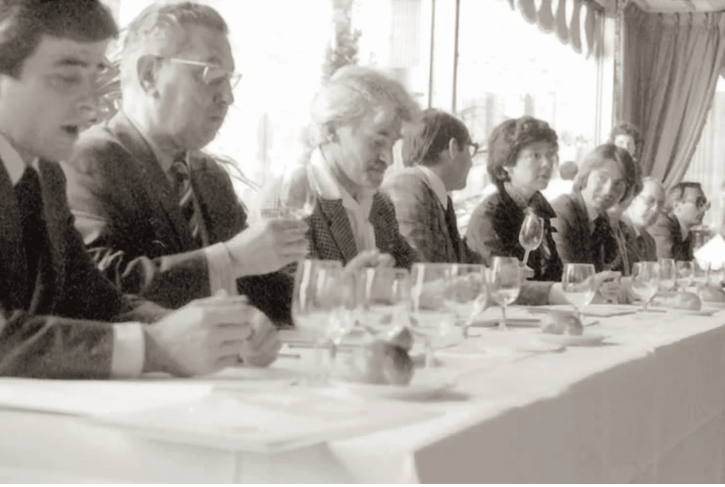
We’re re-telling the story behind that momentous event – partly to clear up some misconceptions that still persist, and partly because it’s just a damn good story.
(Proof of that being all the many articles and books on the subject – not to mention the Hollywood film, Bottle Shock, and now even an opera…)
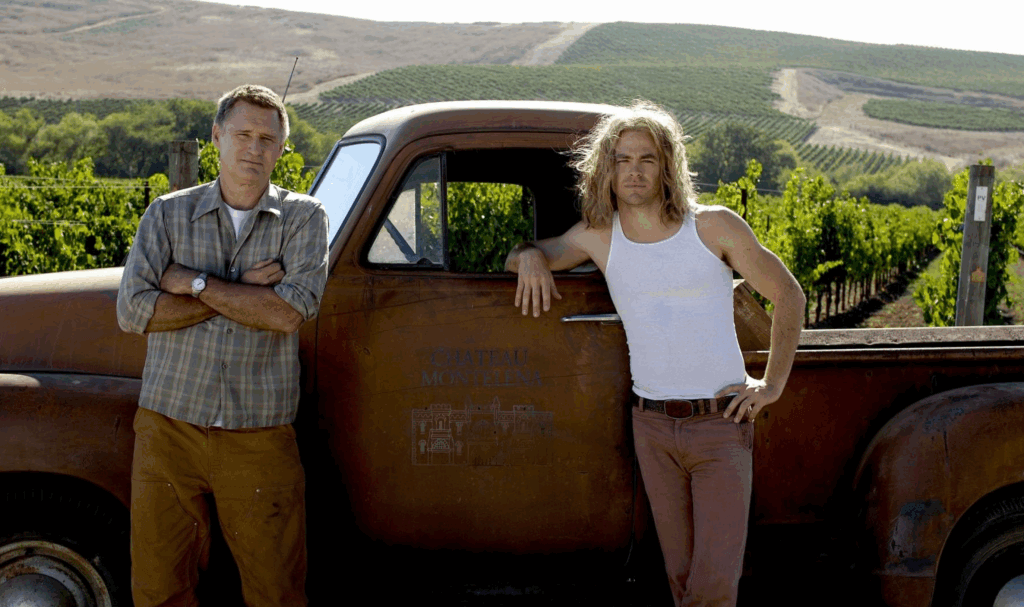
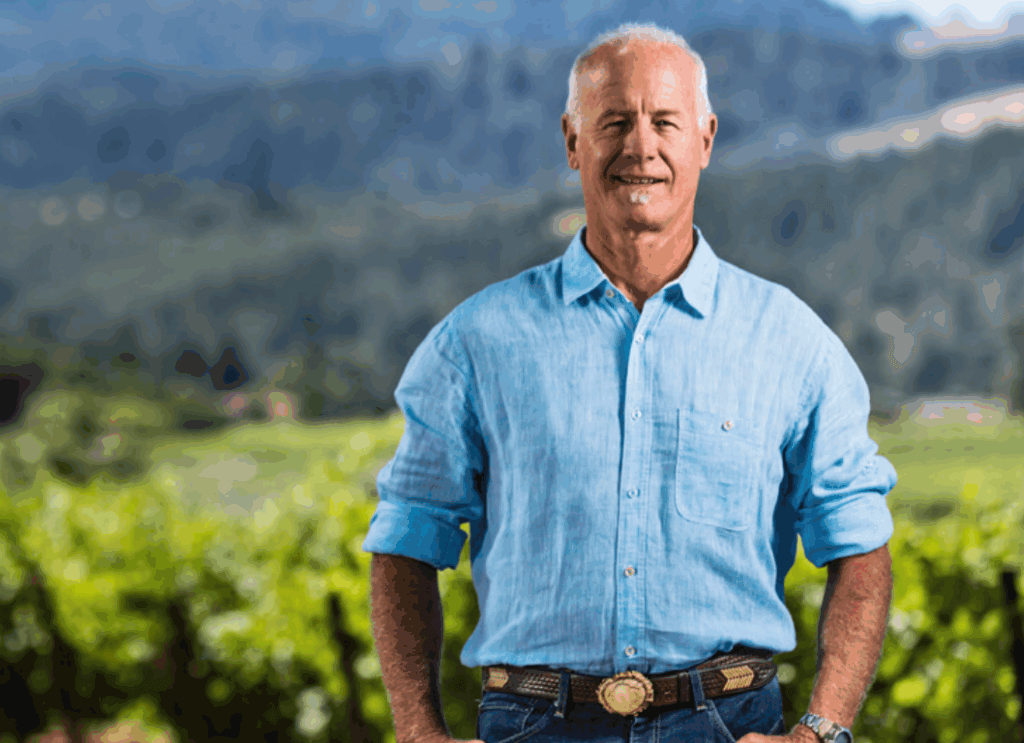
We’re helped in this task by Chateau Montelena CEO Bo Barrett, who adds his eye-witness testimony, trademark good humour and intriguing insights to the tale.
But this episode isn’t just a re-hashing of events half a century ago.
We’re also exploring the modern realities and future trends of wine.
If this kind of tasting happened today, who would win, and who would lose?
How has the world (and wine world) changed since 1976?
How does that go beyond the US and France?
And what can that tell us about the future of wine?
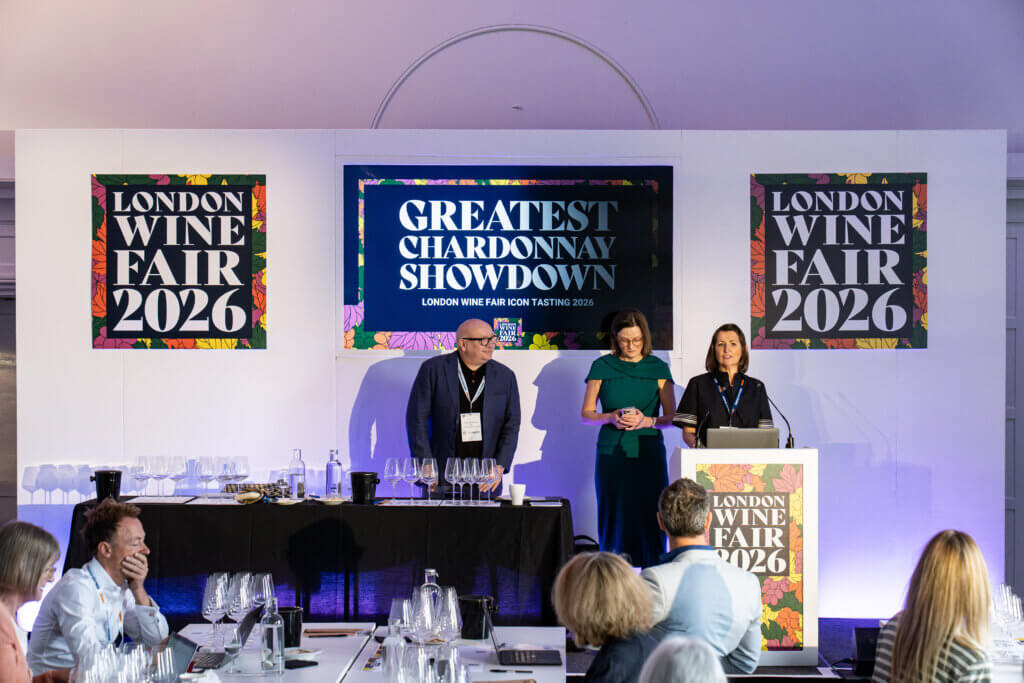
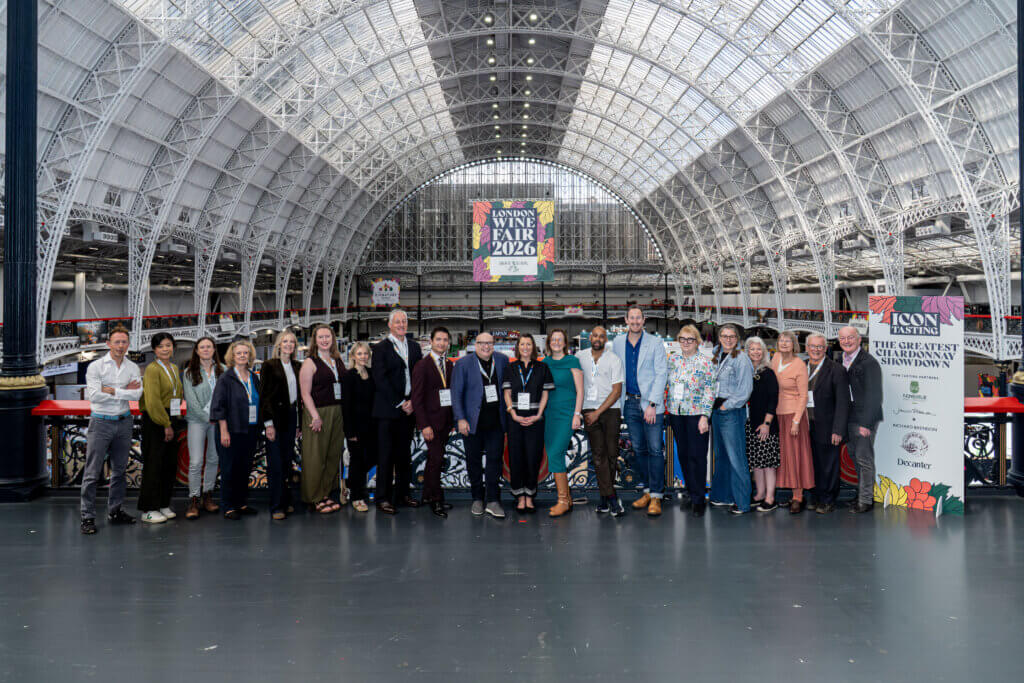
Helping us root our thoughts in informed reality are two ambitious tasting we were lucky enough to participate in: the Greatest Chardonnay Showdown at the London Wine Fair 2026, and the IWFS Judgement +50 (among a few others).
The results of which…are intriguing.
Starring
- Bo Barrett, Chateau Montelena
- Susie & Peter
Subscribe
Sign up to Wine Blast PLUS for first-class subscriber-only content, to access our full archive, support the show and get every episode before it goes on free release.
You’ll also get subscriber-only discounts with the likes of Coravin, Jancis Robinson glassware and Academie du Vin Library.
Just visit WineBlast.co.uk to sign up – it’s very easy, and we will HUGELY appreciate your support.

It takes a monumental amount of work to make Wine Blast happen. Your support will enable the show to continue and grow – and we have lots of fantastic ideas of things we’d like to develop as part of Wine Blast to maximise the wine fun. The more people who sign up, the more we’ll be able to do.
Links & Notes
- Here’s a link to our tribute to Steven Spurrier after his death in 2021
- This is a write-up of the Seña vertical tasting that Peter co-hosted with Steven Spurrier and Eduardo Chadwick back in 2012
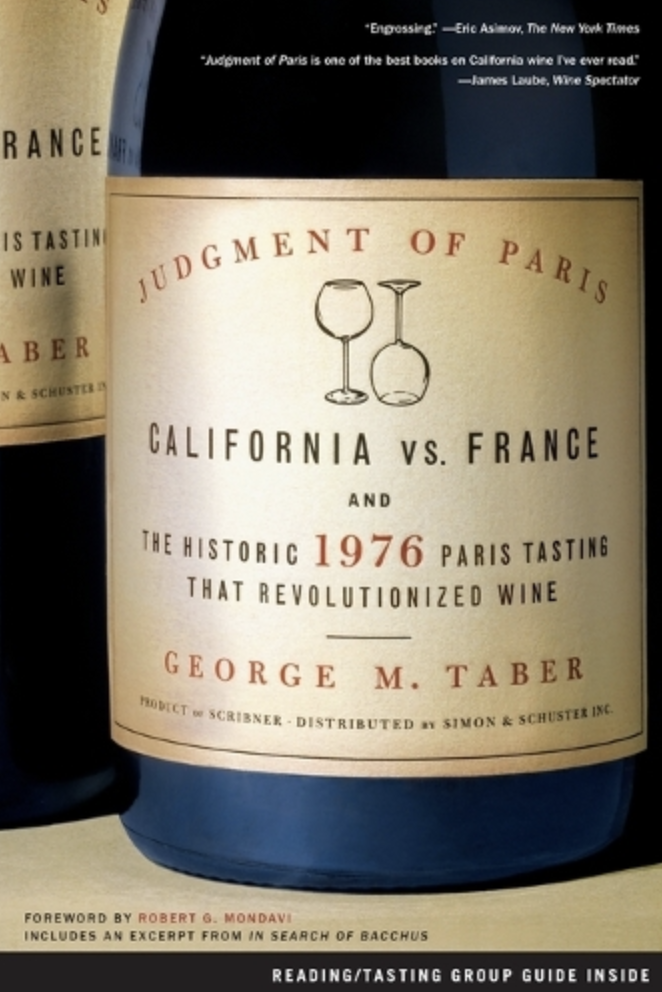
- One of the key books we’ve used as a source for this episode is George Taber’s Judgment of Paris: The Historic 1976 Paris Tasting That Revolutionized Wine
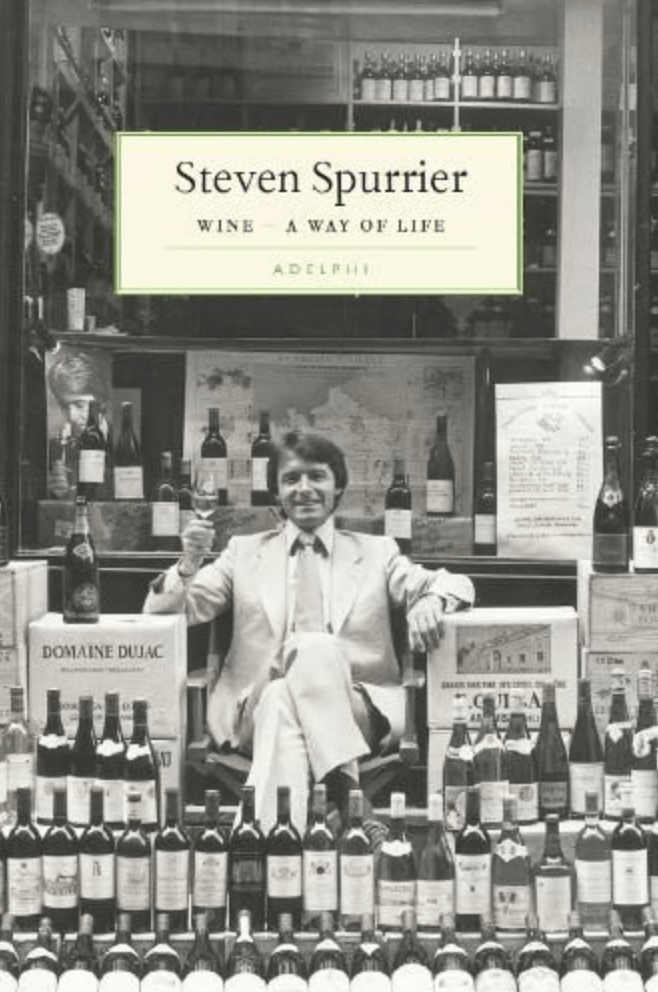
- Another is Steven Spurrier’s autobiography: Wine, A Way of Life
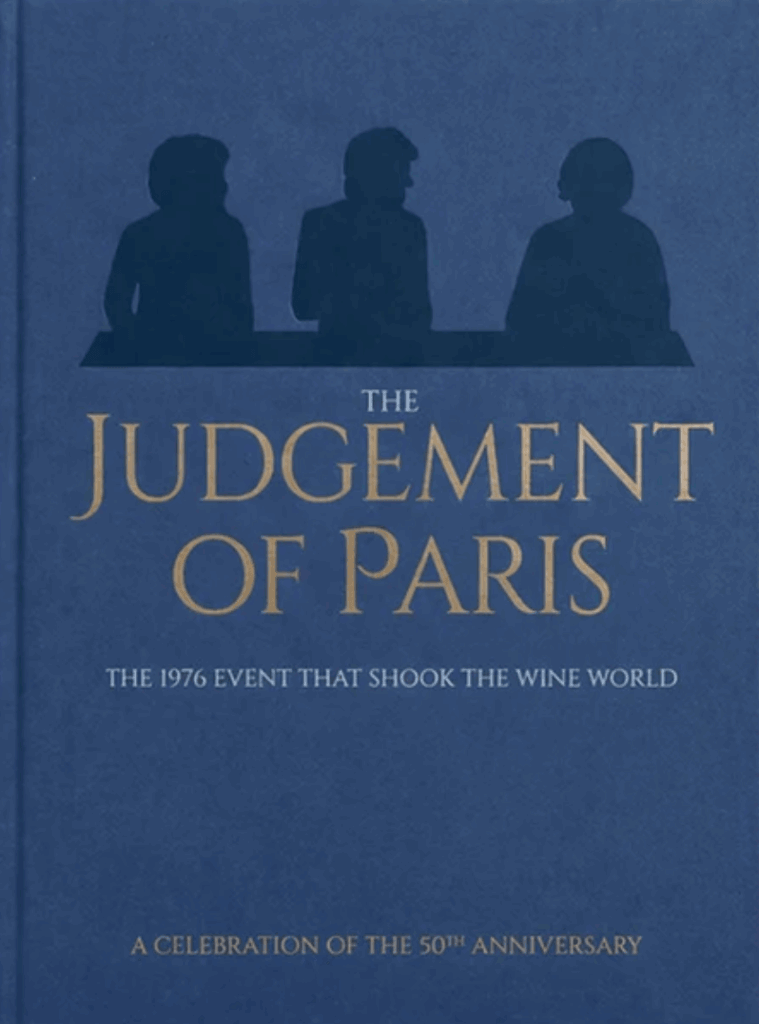
- And a more recent title (making ample use of the previous two books) is The Judgement of Paris, published by the company Steven helped establish: Academie du Vin Library
- In this episode, we make passing reference to a new opera about the Judgement of Paris
- You can find our podcast on all major audio players: Apple Podcasts, Spotify, Google, Amazon and beyond. If you’re on a mobile, the button below will redirect you automatically to this episode on an audio platform on your device. (If you’re on a PC or desktop, it will just return you to this page – in which case, get your phone out! Or find one of the above platforms on your browser.)
Get in Touch!
We love to hear from you.
You can send us an email. Or find us on social media (links on the footer below).
Or, better still, leave us a voice message via the magic of SpeakPipe:
Transcript
This transcript is AI generated. It’s not perfect.
Susie Barrie MW 0:05
Hello, you’re listening to Wine Blast, and it’s great to have you with us as we raise a glass to the 50th anniversary of the famous Judgement of Paris, the 1976 wine tasting that changed the world. Well, the wine world at least. But that’s not all we’re doing…
Peter Richards MW 0:24
Yes, hello. Welcome to what is definitely not your classic Judgement of Paris anniversary piece. We’re going to do something a bit different, as you’ll discover in due course. Meantime, here’s a taster of what’s coming up:
Bo Barrett 0:37
The real winner wasn’t Chateau Montelena or Napa Valley. The real winner was the consumer around the world. It just made wines better.
Susie Barrie MW 0:44
Chateau Montelena owner and CEO Bo Barrett there, touching on the wider ramifications of the Judgement of Paris, which is a hint to the direction we’ll be taking this story in as we progress. And we’re gonna do a slightly different style of episode for this one, aren’t we? A kind of split structure.
Peter Richards MW 1:00
Yeah, yeah, quite right. So in the first part, we’re gonna explore the story behind that seminal and hugely consequential tasting in Paris in 1976. I mean, there’s a reason there are so many articles and books about it, plus a Hollywood film and, breaking news, now even an opera. And the reason is it’s such a good story. But I also feel there are some fundamental misconceptions that need clearing up along the way. And Bo is going to be part of that story as someone who witnessed events firsthand.
Susie Barrie MW 1:33
But then rather than just rehashing something that happened half a century ago, we’re gonna transpose the key dynamics behind that groundbreaking tasting onto the modern era. In other words, if this kind of wine tasting was to happen today, who would be the winners and the losers? How has the world and the wine world in particular changed since 1976? How does that go beyond the US and France? And what might that mean for the next 50 years?
Peter Richards MW 2:02
Helping us bring the theory to life are two fascinating tastings we were lucky enough to judge in, namely the Greatest Chardonnay Showdown at the London Wine Fair, and the IWFS Judgment Plus 50, both held in London in May 2026. And we’ll also be making reference to other similarly intriguing tastings we’ve done, all in the spirit of celebrating the diversity and excitement behind modern day wine.
The story behind the 1976 Judgement of Paris
Susie Barrie MW 2:27
So let’s start at the beginning. And this story begins in 1970s Paris, where the streets were alive with bustling cafes, classic cars, and jazz music. There was also a fair bit of wide lapel and big hair action, as the photos of the time clearly show. In wine terms, France was the undisputed master of the universe. And although Burgundy and Bordeaux weren’t yet making the consistently stellar quality that would start to emerge in the 80s and 90s, their track record and reputation put them on a pedestal that few thought could be realistically challenged.
Peter Richards MW 3:05
Into this Parisian tableau steps Steven Spurrier. A snappily dressed, well-to-do and well-spoken Englishman, albeit with an endearing stammer. Steven was a man of means, but also a man of dreams, a restlessly curious mind bursting with ideas. Not all good ones, he would cheerfully admit, but with a passion for wine and a single-minded determination when push came to shove, as indeed it does in this story.
Susie Barrie MW 3:34
Now we should probably say at this stage that we were lucky enough to know Steven pretty well. He was a gentle soul, warm, thoughtful, humble, um, charming and generous. And the wine world lost not only a leading light, but also a very special man when he died in 2021, aged 79. Um we wrote a personal tribute, which we’ll put a link to in the show notes. Um in short, this was a man who was all about celebrating wine rather than criticising it. And that’s an important part of this story, too, isn’t it?
Peter Richards MW 4:06
Indeed, indeed. So Steven was living in Paris with his wife Bella and two small children. Um for part of it, they lived in a river barge moored on the Seine, which I think is very romantic. It is rather romantic. I think you’d probably have other words for it, wouldn’t you? I’m not sure it’s quite your scene. Uh but it’s not. He had acquired a small wine shop, the Caves de la Madeleine, in a rundown corner of posh Right Bank Paris. But business proved slow. So he came up with the idea of creating a wine school, the Academie du Vin, to host tastings and drive awareness. He brought American expat Patricia Gallagher on board to run it. Uh, they began hosting a series of themed tastings, and she came up with the idea of an event to celebrate the bicentennial of American independence in 1976. The seed was sown.
Susie Barrie MW 4:57
Now, what’s great about this story is it involves so much serendipity. Patricia had been born very close to where the Declaration of Independence was signed in 1776, a process in which the French, let’s not forget, had been involved. And in 1974 and 1975, she tried to find Californian wines for tastings to celebrate the 4th of July, but she couldn’t find them in Paris. She knew though that there were good Californian wines starting to emerge. So in 1975, she extended a trip back home to tour wine country and visited the likes of Ridge, Heitz, Montelena, Maya camas, and Stag’s Leap. She came away extremely impressed and raved about the wines to Steven on her return to Paris.
Peter Richards MW 5:48
The question then became how to get the Californian wines to Paris. Spurrier had had a run-in with French customs before this when trying to import a few cases of English wine from Hambledon Estate when the Queen was on a state visit with French President Georges Pompidou in 1972. It had led to a standoff whereby the French customs official said he couldn’t allow the import because although the cases of wine were physically in his office, he said they, and I quote, didn’t exist because English wine didn’t officially exist, uh, according to his paperwork. Spurrier told him his job wouldn’t exist if Georges Pompidou didn’t get his wine. It was a bluster that worked, but it wasn’t a reliable strategy this time round.
Susie Barrie MW 6:29
So a proper plan was formulated. Steven would head out to California to make the final selection of wines. And if you do watch the Bottle Shock movie, which we should probably add that Steven loathed, partly because Alan Rickman hugely hams up his character. These are some of the funniest scenes as you can imagine. Anyway, he was after small family-run wineries representing the new age of California wine, most of whom had France as their winemaking model. It all went well apart from with Heitz and Ridge, both of whom refused to see him. But Steven, ever the relentless optimist, turned up anyway and proved so charming he was not only ushered in, but also left with all the bottles he needed.
Peter Richards MW 7:16
But the problem was he had too many bottles to bring back by himself. As luck would have it, Patricia had heard about a California winemakers’ trip to France, including the likes of the great Andre Tchelistcheff of Beaulieu Vineyards and Jim Barrett of Chateau Montelena. They were scheduled to travel just weeks before the Paris tasting was due to happen. Again, using all his guile, Steven persuaded the winemakers to act as mules to bring the precious California wines over. Seeing the boxes arrive on the airport carousel in Paris, Steven was overjoyed. On closer inspection, one of the boxes sported the kind of red stain every wine lover dreads. But it proved to be just one bottle broken, and he’d had the foresight to source two of each. The 1970s were a lucky decade, he later wrote in his autobiography.
Susie Barrie MW 8:07
So they had the Californian wines, but they also had a fearsome lineup of nine judges, all French, all well respected, all curious to learn more about these Californian wines. The plan was very much coming together. And that plan, it’s worth clarifying, because I think sometimes this point gets lost, was simply for an event hosted by L’Académie du Vin to explore and celebrate the wines of California in honour of the 1776 to 1976 bicentenary. It was never intended to be a judgement or a taste-off or a competition.
Peter Richards MW 8:42
Yeah, that little detail was a last-minute idea of Steven’s. As soon as everything had fallen into place for the tasting, a thought had begun to nag at him. The tasting was intended to gain recognition for Californian wine, but the risk was that these great French wine experts would adopt a condescending position towards California and damn the wines with faint praise. So to keep them honest, barely a week before the tasting, Steven decided to add in France’s finest top burgundies and Bordeaux and make the tasting a blind one where the tasters wouldn’t know the identity of each wine until after they delivered their verdict.
Susie Barrie MW 9:21
A typical Spurrier plot twist! And so the drama unfolded. The wines were served in random order, ten Chardonnays first, then ten Cabernet Sauvignons. The French wines mixed in with the Californians. Spurrier had no expectations. He later said he’d have been happy with just a couple of the Californian wines in the top half. And he also said, and I quote, ‘it certainly would not have suited me as a wine merchant in Paris to see unknowns from California beat the benchmarks from France’.
Peter Richards MW 10:01
Patricia Gallagher added they had no financial interest in that outcome either, s seeing as they didn’t stock any Californian wines in the shop at the time. Anyway, in another piece of serendipity, Patricia happened to have mentioned the tasting to George Taber, a journalist from Time magazine who worked just up the road in Paris and had attended one of the Academie wine courses. He only came along because it was a slow news day. But he brought his camera and notepad, and it wasn’t long before he realised he might have a story on his hands…
Susie Barrie MW 10:31
George had a list of the wines and was the first to notice that the judges, as they chatted, were confusing the French with Californian and allocating high marks not just towards the classics. Incidentally, Steven and Patricia’s marks were not counted in the final tally. Sure enough, when the results came in, the top Chardonnay was from California. The Chateau Montelena 1973. In fact, three of the top five Chardonnays were from California. The Roulout Mersault Charmes came second, and the Ramonet Prudhon Batard Montrachet seventh. Taber writes, ‘the judges’ reaction ranged from shock to horror. Soon the whole room was a buzz.’
Peter Richards MW 11:16
The judges then moved on to the Reds. The plan had been to announce all the results at the end, but service was slow. I think there was a wedding coming shortly after, so they had to get out of the room, and the tasting was running dangerously late. So Steven had announced the whites’ result prematurely. He was sure the judges would now be more cautious with the cabernets. As Taber writes, ‘one Californian wine winning was bad enough, two would be treason’ for the French judges. But when the Reds’ result was announced, lightning struck twice. The winner was again from California, the Stag’s Leap wine cellars Cabernet 1973, besting the likes of Chateau Mouton Rothschild, Haut Brion, and Montrose. ‘The judges sat in disbelief,’ wrote George Taber.
Susie Barrie MW 11:59
And of course, George Taber’s role in this tasting is vital. Had he not been there to record events in the 7th of June edition of Time magazine, Spurrier wrote, ‘Our little adventure would probably have sunk without trace. As it was, it became the historic tasting that revolutionised wine,’ which is the subtitle of George Taber’s 2006 book, Judgment of Paris, which is well worth a read on both this event and the history of California wine.
Peter Richards MW 12:27
It’s a really good read. Back at the tasting though, Stephen and Patricia had no idea how significant this event would become. They had other things on their plate, I think it’s fair to say. Like Judge Odette Khan, editor of La Revue du Vin de France, demanding her scorecards back, which Steven politely but firmly refused to do. Steven writes in his autobiography how she later claimed he’d falsified the scores, and the adverse reaction didn’t end there. Steven was Persona Non Grata in certain circles for some time after the event and was later physically thrown out of the Ramonet cellars in Burgundy for having caused such an insult to the family name. Other judges were upbraided by their employers and colleagues. Aubert de Villaine of Domaine De La Romanee Conti was accused of treachery by his own business partner. And there were calls for INAO head Pierre Brejoux to resign. This had never been part of the plan.
Susie Barrie MW 13:22
It was a different kettle of fish on the American side of the fence. George Taber tracked down the American winemakers on tour and called Jim Barrett of Chateau Montelena while they were having lunch at Chateau Lascombes in Bordeaux. During the visit, the Californians had apparently been gently patronised by host Alexis Lichine about how they might one day aspire to make great wines like the French. Barrett, a highly successful lawyer, chose his words carefully when he heard the bombshell news from Taber about his wine coming first and the triumph of the California wines more generally. ‘Not bad for kids from the Sticks,’ was his wonderfully dry riposte.
Peter Richards MW 14:03
The Californians had to wait until they were back on the bus and safely out of earshot of their French host before they erupted, in George’s words, ‘like football fans whose team had just won the Super Bowl.’ As soon as they were back at their hotel, Barrett sent a breathless telegram back to Chateau Montelena, informing them of the stunning success. At which point his winemaker at the time, the perennially beret clad Mike Grgich, started dancing round the winery, shouting in his native Croatian, ‘I’m born again, I’m born again!’ And everyone, including Jim’s son Bo Barrett, thought he’d gone stark raving mad.
Bo Barrett interview
Susie Barrie MW 14:38
So this is where we bring in Bo, the current CEO and owner of Chateau Montelena, a keen surfer who loved the outdoor life so much, he was prepared to work with his dad on the vineyard. Fifty-four years later, Bo is proudly still at it. Here’s what he said about his memories of the lead-up to the judgment of Paris and the result.
Bo Barrett 14:59
Have you heard the surf term stoked? Yes. We were very stoked. I what I remember personally about is we really had to clean the cellar because Steven Spurrier was coming. And then our boss Mike Grgich, the winemaker at the time who crafted that wine, he made us all disappear. I think he sent us to the vineyard. So I do not remember Steven seeing Steven Spurrier there at that time. So we spiffed up the cellar, he took the wine. My dad sent us a telegram, and we were working in the cellar. It’s a regular May day. And so we had a gravel parking lot at the time, and Mike Grgich had his beret, and he’s, you know, all of a sudden he’s out in front of the winery dancing around, waving this piece of paper. You know, we don’t know what’s going on, but vive on, vive on. And so then we go running out there, and you know, pretty soon we were hopping around doing the Croatian victory dance, too. And that because my father was on a trip in France, he was at Chateau Lascombes when he got the news from George Taber, called him, right? And uh that’s where he made the famous quote, not bad for kids from the sticks, because you know, it’s we didn’t want to insult the French because you know, clearly everybody in our business knew that we were standing on the giant on the shoulders of giants, or you know, we’d learned from our parents. It’s like the first time you beat your dad at chess or you know, you beat him at tennis or something like that. You don’t want to you know gloat too much. So to try to be you know polite and graceful, that’s why you just said, hey, not bad for kids from the sticks. But yeah, we were pretty excited. And what really affected us is at that time, business was okay, but as a result of the industrial winemaking in the Central Valley in the 50s and 60s, California’s well-deserved reputation for terrible wine. We could not get anybody to carry our wines in the other major metropolitan areas of the U.S. So you know, you’d call some guys in New York, for example, say, hey, we got this good wine, and they’d say, Yeah, sure, take a hike, pal. And uh, but then immediately, you know, the next Monday, they were calling us and saying, Hey, can we get your wine? And it was not only us, because you know, of course, Stag’s Leap won the Reds, and so this is the the revolution. It wasn’t all about Chateau Montelena, so it really gave a boost to all the entire Napa Valley. You know, any wine that was even in the tasting, um, you know, there was a lot. And so you got Ridge down in Santa Cruz and us and Napa, and I think Shalone was in there from uh you know Salinas Valley. And so it really is like it was a massive win for California. It was not just um Napa Valley. Although, yeah, we got we had most of the fun. So yeah, we were pretty stoked, and so you know, as at that time, it’s just that a lot it basically levelled the playing field where we got to, you know, we were good players and we got to walk on the field and have a shot um to uh get into the market.
Peter Richards MW 17:49
Okay, so much as I would love to focus on that Croatian victory dance uh in the parking lot of Chateau Montelena, Bo makes a really important point about the impact this tasting had. And and this is the real heart of the matter. Uh firstly, he says it wasn’t just about individual wineries so much as giving a boost to all quality Napa and California wines. So suddenly New York was calling, uh, where before it was quite a sort of parochial wine scene where they could only really sell relatively locally in California, partly because post-prohibition, California wine had been industrialised in the Central Valley and was churning out some pretty mediocre stuff, hence the bad reputation. Um, as Patricia later said, ‘our tasting put California wines on the map – in America.’
Susie Barrie MW 18:33
And it wasn’t just New York calling, eventually global demand would pick up too. And so it really gave Californian wine a crucial platform on the world stage at a critical time in its evolution. Um going back to Chateau Montelena, though, it’s a great story because the Barretts had only bought the property in 1972. It was a ghost winery post-prohibition. Jim Barrett’s plan was to make ‘the Latour of California.’ In other words, focus on Cabernet Sauvignon. But they needed funds while they replanted the vineyard. So they bought Riesling and Chardonnay fruit to make cash flow wines.
Peter Richards MW 19:10
The irony being that their second cash flow Chardonnay vintage, the 1973, ended up winning the Judgment of Paris, uh, which they would never have expected. I asked Bo about the implications of their Chardonnay winning.
Bo Barrett 19:23
And the second one we made uh in 76, of course, goes on, and it wins the Paris tasting, and so off we go. So our dream to be just a you know hallmark or a beacon of American wine excellence and red wine, the La tour of California, we’re not gonna basically, you know, we’ve set a high standard of quality for ourselves on the Chardonnay, and so I guess just by luck of being in the right place at the right time with the right wine, uh, that we decided to continue the Chardonnay program, which is eminently logical, I think you can agree to that. Yeah, it made a lot of sense, yeah. Keep making Chardonnay. So we did. But what it was is that the the New World wines had not really been made uh invented yet. So to be a success, we were modelling our winemaking clearly on Emile Peynaud, the you know, great book, Knowing and Making Wine, and the style of wine, which is basically boils down to the chemistry, the acid, alcohol, pH, um, the cleanliness, the sanitation. I think the cleanliness of sanitation is what the Americans really brought to the thing. Because if you think of those cellars in the old days, you know, the French guys, they’re smoking in the cellar and stuff like that. And you know, in the U.S., we got into the sanitation really hardcore because we were adapting out of the, you know, the brewing and dairy industry was where we were buying our stainless steel fittings and stuff like that. So we really got into the sanitation. I think that’s where we did good because we had the land, the light, the fruit, um, the people with the work ethic. And we had everything in California that we needed to make uh really super high quality wines. And that’s really what happened is that we just approached the classic winemaking with the American can-do attitude. And I think that clearly was successful in 1976. And I think that that’s part of you know, the result of the Paris tasting around the world is it made everybody strive for a higher quality. And I think that the result, the real the real winner wasn’t Chateau Montelena or Napa Valley, the real winner was the consumer around the world, just made wines better.
Peter Richards MW 21:28
Yeah, that’s a lovely way of seeing it. Now, um Bo, there was a there was a film obviously made about the judgment of Paris called Bottle Shock, starring Alan Rickman, Chris Pine, and Bill Pullman. Uh, first thing first, what what was it like having the very hunky Chris Pine play you in a Hollywood movie? And what were your reactions more generally to that film?
Bo Barrett 21:46
Uh it’s pretty surreal, you know, because we were just doing our job, and it’s like when they said we’re gonna make a movie about you guys, it’s like, yeah, sure, you know, okay. I thought they were pulling our leg, you know, we thought it was, you know, right, that’ll never fly. And then they did. And And so yeah, honestly, it’s kind of surreal. And but at the end of the day, how they sold my father and I on it, and how I sold Steven on it, it was a love story to California wine. And that was what their uh mission objective was was to tell a story. And I I we were very insistent that you can’t make anybody look bad, especially the French, because that would be very unfair uh or just improper, I guess you would say, here in Britain. That it just wouldn’t uh wouldn’t be cricket or whatever you guys say. Anyway, we um we just got taught we talked into it but because of their mission profile to make the love story to American wine, show the togetherness of the industry of how uh all of us working in California built the business. It wasn’t just Chateau Montelena, it wasn’t just Stag’s Leap, it was the entire Napa and Sonoma region. When we got there, you know, we borrowed so much stuff from uh the Raymond brothers and started Raymond, or we’d go down to you know Robert Mondavi D and borrow stuff and you know, because we didn’t have this equipment, so everybody would let us, you know, they were helping us get started. And that that particular part of the film was very important to my father and I, that they actually showed the togetherness of the early days of the nap and Sonoma counties where we really wanted the everybody to succeed. And so basically that’s how they talked us into it. So, sure, they dramatise it, you know, like my character is pretty flaky, and you know, I personally was always the first one to work and the last one to leave. I mean, you know, I’m 72 and I’m still you know here talking to you, so I like to work. And but it was, you know, in general, at the end of the day, it was you know fun and uh truly unique. And uh, you know, oddly enough, it’s I know it’s an overused phrase, but it wants a lifetime experience. Like, but anyway, but Chris Pine, I you know, I brag about that. I said I taught him how to be macho but sincere at the same time.
Susie Barrie MW 23:52
Macho but sincere. Love that. Bo is a great guy, um, as is his winemaker Matt Crafton, um, who, of course, we’ve had on the pod before back in season two, and they make serious wine.
Peter Richards MW 24:02
Yeah, yeah, when they were over in the UK, we did a uh a big tasting um back to the 1976 Cabernet and the uh 2009 Chardonnay. They definitely focus at Chateau Montelena on an elegant style. You know, the Chardonnay is is quite restrained, but with lovely balance and freshness. Um and then the Cabernet is also sort of paired back in a Napa context. You can kind of feel the coolness of the Calistoga nights and the acidity and aromatics. It’s kind of complex, age-worthy style. Funnily enough, Bo said that the Judgment of Paris Chardonnay win then funded their Estate Cabernet program. You know, it did force her though to continue with the whites, but he said they’re lucky enough to work in a place that can do both. So maybe it’s no bad thing.
Susie Barrie MW 24:42
But they’ve stuck to their guns, haven’t they? Making elegant, understated Chardonnay, where others have gone big on what Bo dismissively calls country club or cocktail Chardonnay, uh the sweet sort of buttery stuff. And they’ve just made their first vineyard acquisition in 50 years to buy a vineyard for Chardonnay in Carneros. So still sticking to their guns.
Peter Richards MW 25:03
Yeah, good for them. Um, but just to circle back to the judgment of Paris tasting, um, Bo says the real winners were wine drinkers all around the world because it made producers strive for higher quality. It proved that if you work well in the right places, you could make wine that could compete with the best wherever you were in the world, potentially. So, you know, it helped pave the way for the rise of quality new world winemaking, however you want to define that. But it also crucially gave a massive wake-up call to the French, who were arguably resting on their laurels at the time. Aubert de Villaine later described the tasting, uh, he refused to call it a judgment, as ‘un coup dans la derrière pour les vins français’, a kick up the backside for French wine.
Susie Barrie MW 25:48
And I think, you know, wine quality and diversity has positively blossomed since all around the world. So this really did mark a turning point. Um the Stag’s Leap winemaker Warren Winiarski called it, and I quote, ‘a Copernican moment. Nothing was the same after that. We looked at what we could do with different eyes.’ And that self-belief was really important and game-changing. After the tasting, uh, some of the French reaction was sniffy, saying, Well, the French wines were just young and needed age. But as many subsequent tastings have proved, including a 30th anniversary rerun of The Judgement with the exact same wines in both England and California in 2006, the Californian wines consistently shine, even with significant bottle age.
Peter Richards MW 26:37
Yeah, I mean it’s such a good story. Um, as you say, I love the sort of serendipity of it all, the almost sort of accidental nature of the whole thing. It’s a sort of David versus Goliath kind of tale, but with a wine twist. Um, and the way you have English, French, and Californian uh involvement, even I suppose Croatian and Polish influence with Mike Grgich and Warren Winiarski, uh a truly multinational tale. And of course, we shouldn’t forget the Greek reference, should we? The Judgement of Paris in its original sense is that fabulous story from Greek mythology about essentially a beauty contest um when the goddesses here at Athena and Aphrodite challenged Trojan Prince Paris to say who of them is the most beautiful. Uh, the judgement of Paris is that he chooses Aphrodite because she’s promised him the most beautiful woman in the world, Helen of Sparta. Big mistake. Uh, she’s already married. Uh Paris abducts her, triggering the Trojan War, thousands dead, Troy pillaged, Paris dies. So two great stories, both featuring pride, beauty, and vengeance.
Susie Barrie MW 27:41
Yeah, who knew? Um, so you can understand Aubert de Villaine not wanting to use the term judgement, um, but it is a very fitting title. Right, on that Greek mythological bombshell, time for a quick pause.
MID-EPISODE RECAP
Susie Barrie MW 27:56
To recap so far, the judgement of Paris wine tasting in 1976 was a turning point in the world of wine. The unexpected triumph of unknown Californian wines against the French greats sent shock waves reverberating around the wine world for decades to come. It led to a blossoming of quality wine production all around the world, including in France itself. The real winners were arguably wine drinkers, as a golden era of wine was ushered in by the democratisation of quality wine production around the world.
Peter Richards MW 28:31
And that’s precisely what we want to get into now. Uh, we’re going to fast forward 50 years uh to explore the extent to which the wine world has changed since 1976 and perhaps hazard a guess as to where things might go from here. Um, using a couple of tastings similar in style to that original Paris tasting as our points of departure.
Susie Barrie MW 28:49
And I guess one of the main points you could make to begin with is that California is no longer the blue-eyed boy of world wine. You know, back in 1976, it was this precocious upstart. Yes, it had some pedigree pre-prohibition, but in the early 70s it was just getting back on its feet. Idealistic, freewheeling, ambitious in some respects, but also unproven, certainly cheap. Nowadays it’s a very different story. California and Napa are celebrated global wine hotspots, making some of the world’s most acclaimed and expensive wines. And the US market has now become the world’s largest wine market.
Peter Richards MW 29:31
Yeah, I mean, focusing on fine wine, I read recently that American wine now accounts for 8% of trade on the LivEx platform, uh, which is the global fine wine exchange. And that’s up from 1% 10 years ago, so 1 to 8%. And that’s apparently mainly driven by top Napa wines, but it’s still a really interesting trend, particularly given that generally speaking, the French near monopoly on the secondary fine wine market has softened considerably in this time. So it’s a real shift in global wine tectonics that we’re seeing.
Susie Barrie MW 30:00
And of course, you know, a further point you could make in this regard is a geopolitical or or social one. You know how America’s position in the world has changed radically from respected global policemen upholding the rule of law and globalism to pretty much the opposite. You know, that’s not the fault of wine producers, um, and it could perhaps prove temporary, but it’s a reality that’s hard to ignore, especially in the light of this 50th anniversary. Um in his autobiography, Steven Spurrier makes the point that the world of wine never stands still. Well, neither does the world of politics, and both worlds are very different places to 1976.
The Greatest Chardonnay Showdown, London 2026
Peter Richards MW 30:40
Yeah, so uh where to look for inspiration in 2026? Well, one tasting we were both privileged to judge in very recently was the Greatest Chardonnay Showdown at the London Wine Fair in May 2026. A stellar lineup of 18 influential palates featuring top masters of wine, buyers, journalists, and sommeliers blind tasted 27 top Chardonnays from around the world, including Great Burgundy and Californians. And the results were intriguing.
Susie Barrie MW 31:10
Yes, yes. We’re going to explore this tasting in greater depth in a Wine Blast PLUS episode coming very soon because the results were so eye-opening. But long story short, the wine voted overall greatest Chardonnay of the world was from Tasmania, the Tolpuddle Vineyard 2023 Chardonnay from Coal River Valley. And the wine voted Best Emerging Region Chardonnay, which came third overall in the voting, was English! The Danbury Ridge Octagon Block Chardonnay 2023 from Essex.
Peter Richards MW 31:43
Yeah, some intriguing results. Um looking at the bigger picture, Australia takes a lot of the credit here, doesn’t it? Um, as well as the Tolpuddle , The second wine overall was also Australian, the Vasse Felix Heytesbury 2020 Chardonnay from Margaret River, uh Brilliant Winery, brilliant winemaker, who we featured in our Margaret River pod from season six. So congratulations, Virginia. Uh, and then another Australian came seventh, the Shaw + Smith M3 2021 from the Adelaide Hills. Again, a wine we featured in our recent Adelaide Hills episode.
Susie Barrie MW 32:12
Yeah, so Australia staking its claim to modern Judgement of Paris-esque glory. And I think we pretty much go along with that. You know, Australia has never made better wines than it is now, particularly with Chardonnay. But also things like Cabernet and Pinot Noir, too. Um, the prices are getting punchier, but not entirely across the board. And relatively speaking, they still offer very decent value. Um but then I also love the fact that an English Chardonnay, well, of course I do, an English Chardonnay came third overall. I mean, what a result that is. Um despite some fierce international competition, a wine from Essex takes bronze. Again, another region we’ve covered on the podcast pretty recently.
Peter Richards MW 32:57
Yeah, just to clarify, we had no hand in selecting these wines. Uh it wasn’t just a lineup of Wine Blast Hall of Famers. Uh the people selecting the wines are Ronan Sayburn MS, and Sarah Abbott MW. Neither did we have any idea what wines would be included in the taste of the show.
Susie Barrie MW 33:12
It was really good. Really important to say, they made great choices.
Peter Richards MW 33:17
No, no, it didn’t include it. We were simply asked to evaluate the quality of a lineup of global chardonnays, which we did. And the results speak for themselves. Uh, one thing I’d highlight is the fact that the South African Chardonnays performed notably well when value was taken into account. South Africa had two wines in the top five best value Chardonnays, the Ataraxia 2024 and the Storm Ridge 2024, both from Walker Bay. And I have both of those in my top five overall, incidentally.
Susie Barrie MW 33:45
So we’ll go into our personal results as well as the other rankings, including those for Burgundy and California, in the upcoming dedicated episode on this. Uh, but Australia, South Africa, and England as quality wine hotspots of the modern wine era, I have to say, sounds about right.
Peter Richards MW 34:02
Yeah. Yeah, yeah. And I know it’s a different category, but when it comes to sparkling wine in last year’s Battle of the Bubbles, the previous, you know, London Wine Fair icon tasting, it was England that emerged triumphant, wasn’t it? Taking the two top spots above the, you know, some of the grand names of champagne, with actually California, South Africa, and New Zealand delivering some great value. Uh, again, we did a dedicated bonus episode on that one in season six, another fascinating tasting. But, you know, another insight into how the wine world is moving on.
Susie Barrie MW 34:31
And on
The IWFS Judgement +50 tasting
Susie Barrie MW 34:32
that note, we should move on, shouldn’t we, to the tasting that you did with the International Wine and Food Society, or IWFS, with whom we did a recent episode on sparkling wine beyond champagne, of course. Uh, but they put together an ambitious series of more or less simultaneous tastings around the world to mark the 50th anniversary of the Judgment of Paris. Uh, with their members, who by and large aren’t wine trade professionals and other esteemed wine experts like you, Mr. Richards, passing judgment on a number of Chardonnays and Cabernets to come up with a modern verdict. How was it?
Peter Richards MW 35:10
Yeah, it was another fascinating tasting. Um, so the IWFS ran the tasting in eight locations across the UK, Australia, and South Africa, with I think it was about 221 members tasting and scoring the same flight of wines, six Chardonnays, six cabernets or Bordeaux blends. They say it’s the largest coordinated blind tasting ever organised. Well, I I don’t know where we stand on that. So that’s we can’t disprove that. It was very obvious they did well, you know, they did other tastings too, involving apparently around a thousand IWFS members in total, but not all of them did the exact same wines, but you know, lots and lots of uh involvement and celebration here. And at our tasting in London, Bella Spurrier, Steven’s wife, was there, so that was pretty poignant.
Susie Barrie MW 35:55
And what were the results?
Peter Richards MW 35:56
Uh well, uh the scores were very close, it’s important to say, but the overall international result was a win for New Zealand in the Chardonnay category, the Kumeu River Coddington Chardonnay 2024 taking top spot. And then actually California in the Reds with Schafer’s TD9 2019 coming top. Uh, the top four wines in the international verdict across both Chardonnay and Cabernet came from New Zealand, California, South Africa, and Chile. So pretty widespread.
Susie Barrie MW 36:24
But no France in there?
Peter Richards MW 36:25
Uh well, no. Uh, but actually the Louis Jadot Puligny Montrachet 2022 placed third in the whites, but actually received the second most amounts of favourite votes after the Kumeu River. Um, plus, in my personal results, I’d say I actually had the Domaine Leflaive Macon-Verzé 2022 as my top Chardonnay. And in the reds, my favourite was the Domaine de Chevalier 2017. So I personally personally had two French wines as top of the two categories for me.
Susie Barrie MW 36:53
Just talking about that, why didn’t you remind us of all the wines being tasted there?
Peter Richards MW 36:56
Yeah, good point. Sorry. Um, so the Chardonnays from France, it was the Jadot Puligny and the Leflaive Macon Verze, then the Kumeu River Coddington, plus Restless River Ava Marie 2020 from South Africa, Chateau Montelena 2022 from Napa, uh, of course, that one from uh the original tasting, and then Concha y Toro Amelia 2023 from Limari in Chile, uh and the Bordeaux blends. The reds were the Domaine de Chevalier 2017, Chateau Langoa Barton 2018 from France, uh the Schafer TD9 from Napa, and then there was Nicolas Catena Zapata 2020 from Argentina, Kanonkop Paul Sauer 2019 from South Africa, and Moss Wood Cabernet 2021 from Australia. Uh, and they chose all the wines for being good examples, but also not crazily expensive and relatively well distributed, so available globally.
Susie Barrie MW 37:42
So, were there any other wines that you particularly rated having?
Peter Richards MW 37:46
So actually, um, South Africa performed pretty well for me. I’ve said France, but um, I did like the Restless River Chardonnay from South Africa. That was my second favourite, and the Kanonkop Paul Sauer was also my second favourite in the red. So for me, it was sort of France and South Africa did really well.
Susie Barrie MW 37:59
So, again, looking at the the bigger picture, the New World would seem to be the big winner in this context. New Zealand, California, South Africa all performing well.
Peter Richards MW 38:09
Yeah, yeah, I think that’s fair to say in the general results. You know, really interesting results, and kudos to the IWFS for staging such an ambitious format. I mean, I think it reflects the modern wine world pretty well. So Stephen Harrison, the chair of the IWFS Europe Africa, said, and I quote, ‘rather than seeking to copy what was done 50 years ago, we wanted to celebrate how much the world of wine has changed in half a century. World-class wine is now being produced across the globe’, um, which, you know, people completely agree with. And then he added, ‘with such a narrow range of scores across the board, the IWFS verdict shows that we live in a golden age for wine lovers. We now have a glorious diversity of great wines and producers to choose from.’
Susie Barrie MW 38:52
I think that’s very well said. Um I mean, I’m I’m not sure wine producers would agree it’s a golden age, given the many headwinds wine is facing right now, from declining consumption to climate change to the rising anti-alcohol lobby. But for those of us who are enthusiastic wine consumers, there’s probably never been a better time to be a wine lover, hasn’t it?
Peter Richards MW 39:13
Yeah, I suppose one caveat would be price. Um, something that isn’t always discussed when it comes to blind wine tastings or or judgments like this. You know, wine, like pretty much everything else in the world, has been going up in price lately. Uh, and it’s not always easy to afford good wine these days, particularly, for example, for young people, which is part of the reason we’re seeing a consumption drop-off um among that demographic.
Susie Barrie MW 39:33
Totally, um, which is why we’re constantly on the lookout for good value wines in any given context that we can champion or recommend. Um, it is out there, and it was good to have those value champions flagged up in the London Wine Fair Chardonnay tasting and the Battle of the Bubbles too, incidentally.
Peter Richards MW 39:49
Yeah,
On other similar tastings + results
Peter Richards MW 39:50
there were a couple of other tastings I’d like to mention in this context. Um, we’re lucky enough to do a fair few of these tastings, but ones I’d highlight particularly are the Cape Mentelle International Cabernet and Cullen International Chardonnay tastings I did when I was out in Margaret River back in late 2024. Essentially, blind tastings of top cabernets and Chardonnays from Margaret River and around the world. For the Reds, my top wines, they were all the 2021 vintage, were Chateau Haut Bailly in Bordeaux, Spottswoode Cabernet from Napa, Chateau Leoville Las Cases from Bordeaux, Chateau Margaux, obviously Bordeaux, Yarra Yerring, Carrodus Cabernet from the Yarra Valley, and the Cape Mentelle Heritage Cabernet from Margaret River, and then finally the Te Mata Coleraine from New Zealand. And then for the Chardonnays, which were all 2020s, my top seven featured five from Margaret River, the Deep Woods Estate Reserve, Vasse Felix Heytesbury, Fraser Gallup Palladian, Voyager MJW, Xanadu Reserve. And then my second was Penfold’s Yattarna, and fifth was the Shaw + Smith Lenswood, another one from our Adelaide Hills episode.
Susie Barrie MW 40:48
So those were all your personal results rather than the general results of the group?
Peter Richards MW 40:53
Exactly. Yeah, yeah. Sorry. I I didn’t sort of get the overall results actually. I’m not sure they they give them out. Um I think these tastes are more sort of celebration rather than a judgment, but but you know, a real privilege to be able to do that.
Susie Barrie MW 41:03
Yeah, and another insight into how diverse top Chardonnay and Cabernet can be these days. Um of course we have to recognise in all this that Chardonnay and Cabernet are just two specific lenses through which to consider the wine world. Okay, they’re two of the most widely planted grape varieties in the world, but equally, they’re only a snapshot in their own right. And there’s obviously so much more to modern global wine than Chardonnay and Cabernet.
Peter Richards MW 41:29
Yeah, it’s very well said. And I think if anything, the modern wine world is heading more towards diversification than it is towards consolidation when it comes to grape varieties. So, you know, if we’re talking Australia, now you’re seeing grapes like fiano, Falangina, you know, Vermentino, Grenache blanc, Assyrtiko, Mencia, Nero d’avola, nebbiolo um being planted and making increasingly exciting wines, especially in an era of climate change when traditional norms are just having to adapt.
Susie Barrie MW 41:56
And in a way that that’s great to see, isn’t it? You know, because wine lovers are curious people who like to try new things. Um and then talking of climate change, you’ve also got new regions emerging, like England, for example, but also places like cooler Canada, Tasmania, Patagonia, Scandinavia. So you can argue that the modern wine world is a place very much in flux right now. And who knows where the dust will settle and what will be all the rage in another 50 years’ time..?
Peter Richards MW 42:26
Yeah, it’s really difficult to predict. Um coming back to the judgement of Paris, though, there was a tasting in the US uh recently I saw called the the 76 Redo. Um and to pick up on your point, they opened the initial selection process up to producers all over the US, not just California. So places like Virginia, New York, Texas, Pennsylvania. Um and they focus not just on Cabernet and Chardonnay, but also Chenin Blanc and Syrah. So again, you know, the world of wine never stands still.
Susie Barrie MW 42:53
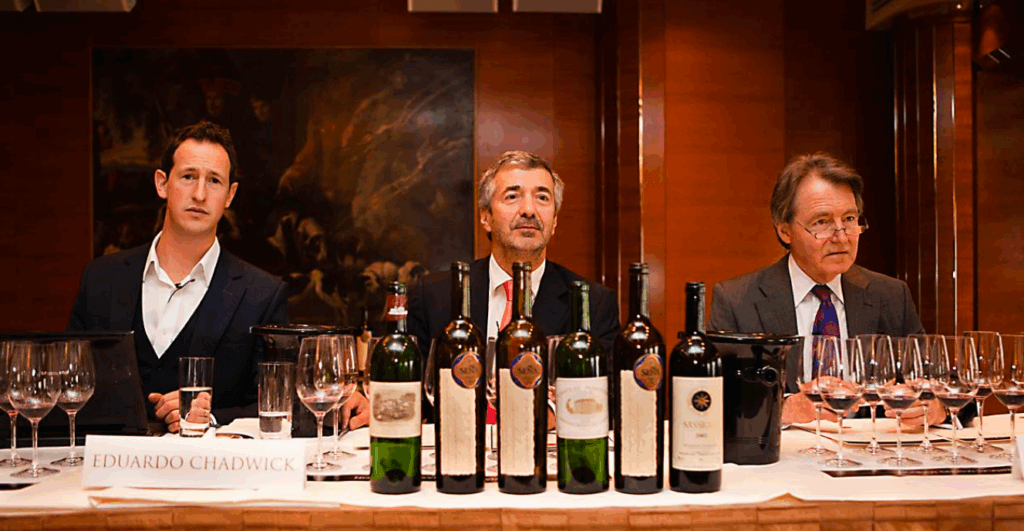
And of course, to switch continents and to touch back on the judgement, you co-hosted some blind judgement tastings on a Chilean theme with Stephen Spurrier and Eduardo Chadwick, didn’t you?
Peter Richards MW 43:04
Yeah, so back in 2009 I co-hosted a rerun of the Berlin Blind Tasting where top Chilean Cabernets have beaten Great Bordeaux and other global cabs. That was in um London, that one with Steven and Eduardo Chadwick of Errazuriz, as you say, who had uh launched this ambitious global programme of blind tastings to prove that his wines and top Chilean cabs in general deserve to be taken seriously on the world stage.
Susie Barrie MW 43:27
There was another one too, wasn’t there?
Peter Richards MW 43:28
Yeah, yeah, that’s right. Yeah, so so you know, Eduardo flushed with his success from the original Berlin Tasting Global Tour. Um, he put on another one in 2012. Uh, the three of us co-hosted uh a similar tasting, but this time focusing on uh older aged vintages, both of Eduardo’s wine Seña and top global cabernets like you know, Chateau Lafite and Sassicaia, Opus One, Latour, Solaia, and and Margaux. I’ve got a lovely photo. In fact, it’s just here. I can I can I can see it just here on the wall uh of the three of us at that tasting looking very earnest, but also clearly enjoying ourselves with these magnificent wines.
Susie Barrie MW 44:03
Yeah, I mean, yeah, this is it. We shouldn’t lose sight of that, should we? Uh, Steven certainly wouldn’t want us to. That’s the most important thing for all this talk of rankings and judgments and winners. We don’t forget that wine is pleasure, first and foremost. It’s about bringing people together, conversations, you know, food, fun, um, sure, intellectual curiosity and analytical engagement, but also just joy, celebrating life, not taking everything, including ourselves, too seriously.
Peter Richards MW 44:34
And I think that is the perfect note to end on!
FINAL SUMMARY
Peter Richards MW 44:38
By way of closing summary, the wine world is a very different place to when the 1976 Judgement of Paris tasting changed the game. Wine is more diverse, more global, more democratic, put simply, more delicious and more fun than ever. As wine continues to evolve, it’s increasingly facing headwinds from climate change to decline in global consumption. So who knows where we’ll be in another fifty years’ time. What’s certain is that wine needs its champions more than ever. Anyone and everyone who, like Steven Spurrier, thinks wine deserves celebrating and supporting and fighting for in a world where simple human pleasures are increasingly precious.
Susie Barrie MW 45:23
Amen to that! We’ll put links and recommendations in our show notes, including to the various books that have informed this episode. Thanks to Bo Barrett of Chateau Montelena, and thanks to you for listening. Until next time, Cheers!