Summary
We’re in early-1600s Britain: wine is primitive, often adulterated, never sparkling.
Glassmaking is rudimentary, religion is a hot potato – but business is brisk if you’re a swashbuckling type with the ear of the king.
The scene is set for a technological revolution comparable to that of the smartphone at the dawn of the 21st century…the result of which will be the invention of champagne as we know it today.
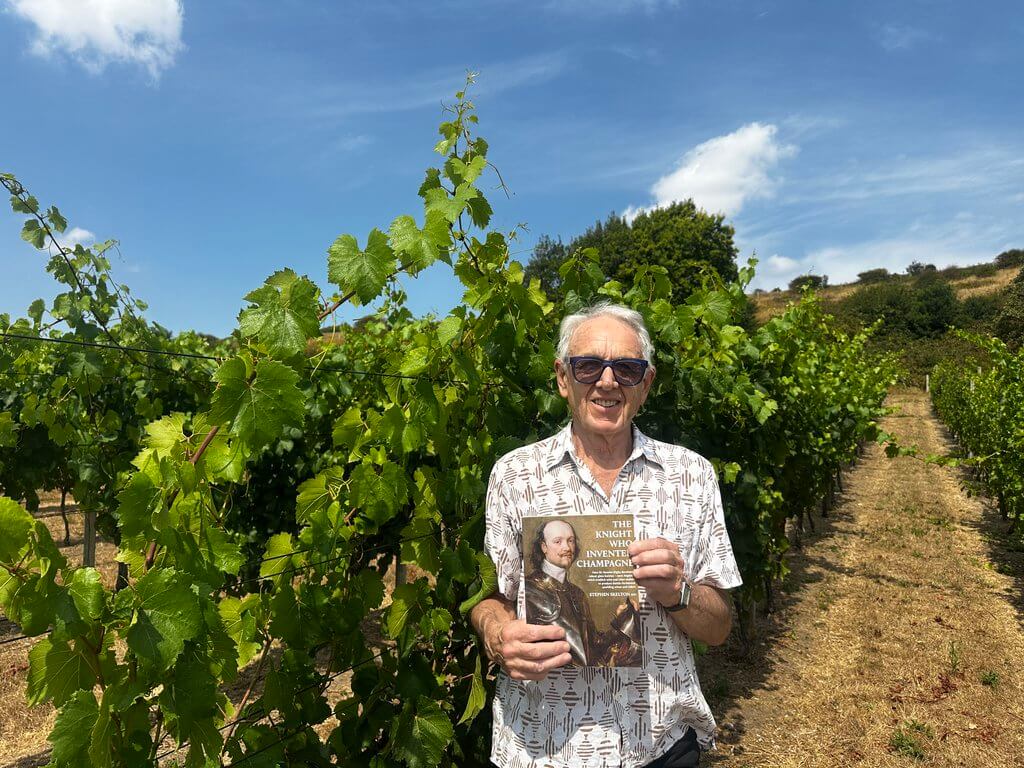
We’re midway through the story of The Knight Who Invented Champagne – as told by the book’s author, Stephen Skelton MW, a viticultural consultant (and former sheep farmer) who recently helped Champagne Taittinger set up their English wine operation, Domaine Evremond.
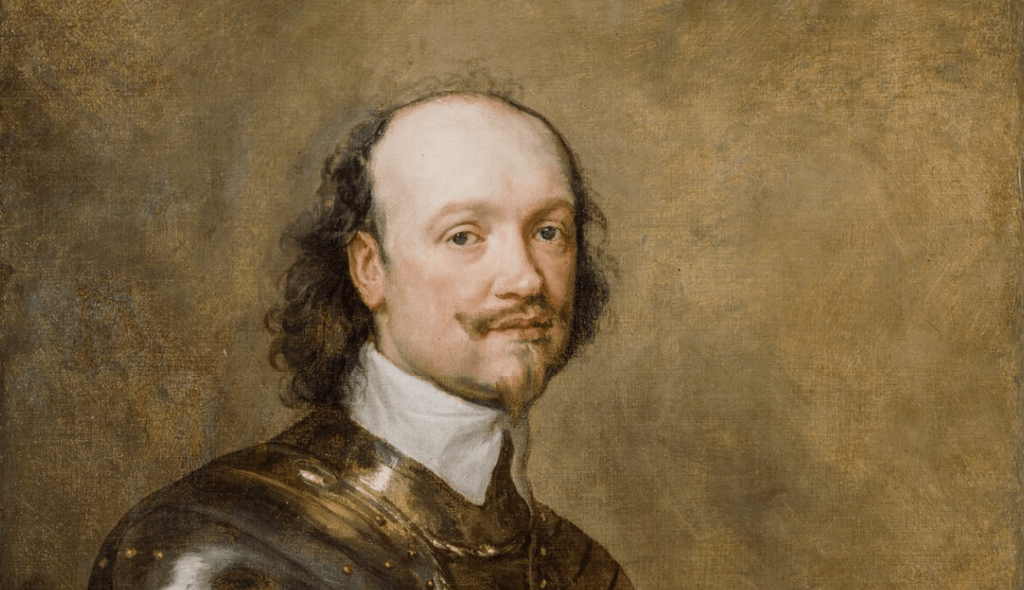
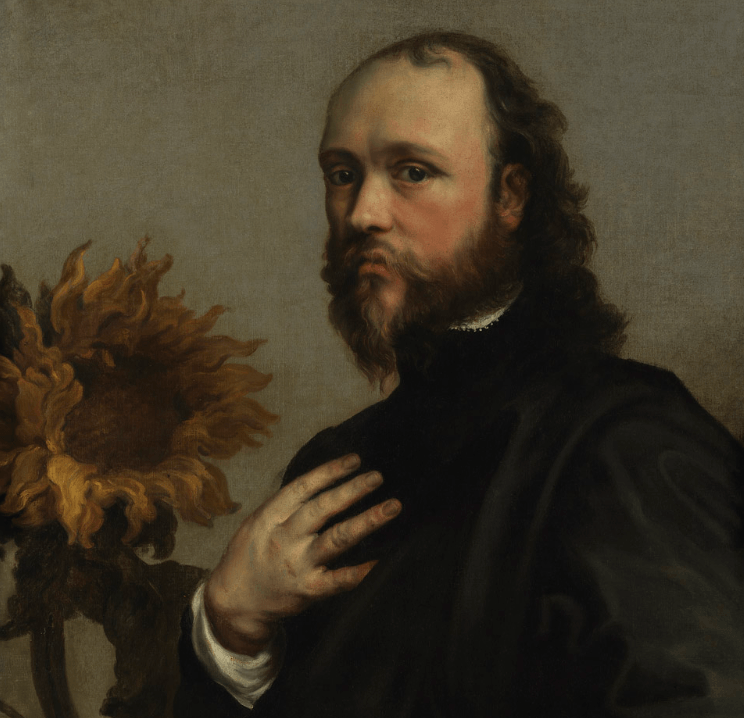
In this second and concluding instalment, we meet Skelton’s mysterious titular hero – Sir Kenelm Digby – as well as the likes of King James I, Admiral Sir Robert Mansell, and one Dr Christopher Merret, who (in a key piece of evidence from 1662) reveals that sugar is being added to wine to make it, ‘drink brisk and sparkling.’
This all adds up to a seminal moment in not just wine but also British history (you could argue that the wider events here, including the advent of coal power, foreshadow the Industrial Revolution, for example).
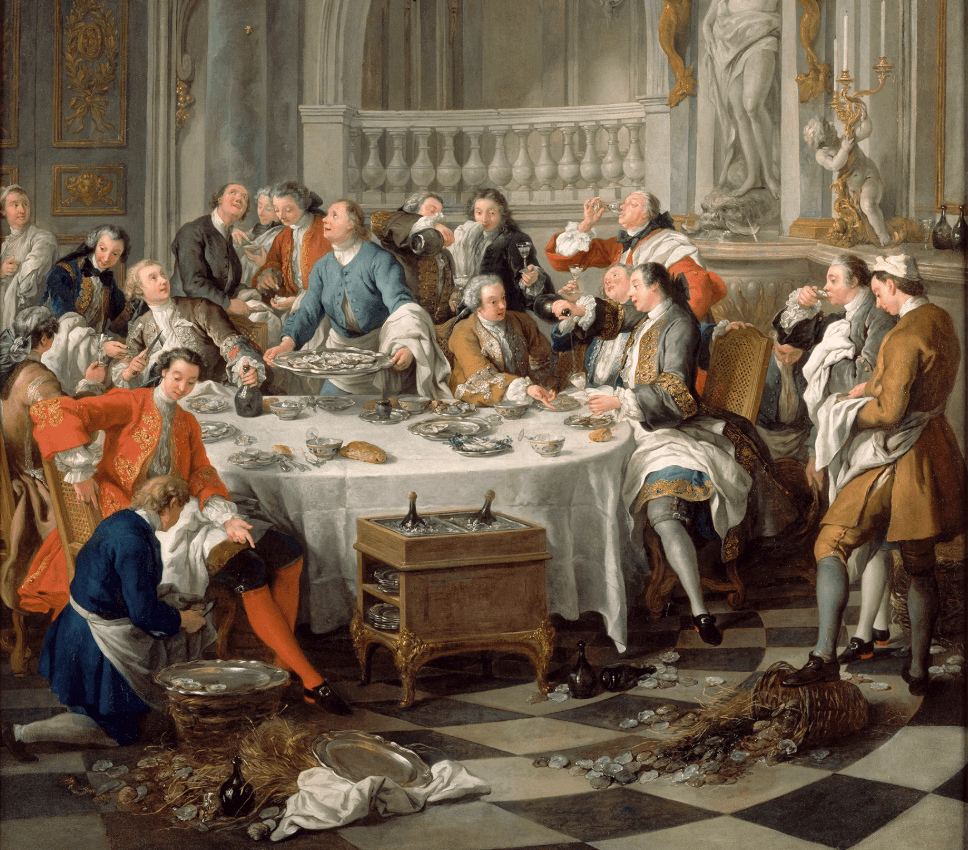
Yet this story is not as well known as it deserves to be. Something we’re putting right here. As well as touching on issues as wide-ranging as collops of bacon, spasmodic rheumatic pains, The Oyster Lunch painting (see above), an intense love affair, cider, Westminster Abbey, a small bomb, the origin of branding, punts and rams’ scrotums.
Starring
Subscribe
Sign up to Wine Blast PLUS for first-class subscriber-only content, to access our full archive, support the show and get every episode before it goes on free release.
You’ll also get subscriber-only discounts with the likes of Coravin, Jancis Robinson glassware and Academie du Vin Library.
Just visit WineBlast.co.uk to sign up – it’s very easy, and we will HUGELY appreciate your support.
It takes a monumental amount of work to make Wine Blast happen. Your support will enable the show to continue and grow – and we have lots of fantastic ideas of things we’d like to develop as part of Wine Blast to maximise the wine fun. The more people who sign up, the more we’ll be able to do.
Links
- To find or buy Stephen’s book, click on this link: The Knight Who Invented Champagne
- There are more details about this story in the Christie’s World Encyclopaedia of Champagne and Sparkling Wine by Tom Stevenson and Essi Avellan MW
- Stephen mentions the English wine brand named after the hero of his story, who make some terrific wines, so here’s the link to Digby Fine English
- You can find our podcast on all major audio players: Apple Podcasts, Spotify, Google, Amazon, YouTube and beyond. If you’re on a mobile, the button below will redirect you automatically to this episode on an audio platform on your device. (If you’re on a PC or desktop, it will just return you to this page – in which case, get your phone out! Or find one of the above platforms on your browser.)
Video
Here’s a short clip of our interview with Stephen Skelton MW.
The accompanying text is our suggestion that we should instigate an annual celebration of what is possibly the most exciting moment in wine history, the invention of sparkling wine.
We’d suggest the 23 May (the date King James I issued his Proclamation Touching Glasses, which changed the course of history).
Stephen Skelton suggests calling it Digby Day.
And it just so happens that the Digby family’s ancestral seat is Sherborne Castle in Dorset (ideal for a party, it would seem, especially since they make their own sparkling wine these days!)
Who’s up for it?!
Get in Touch!
We LOVE to hear from you.
You can send us an email. Or find us on social media (links below).
Or, better still, leave us a voice message via the magic of SpeakPipe:
Transcript
This transcript is AI generated. It’s not perfect.
Hello and welcome to mid-1600s Britain
Susie Barrie MW 0:05
Hello, you’re listening to Wine Blast, where you find us midway through the story of The Knight Who Invented Champagne. And the scene has been set for a technological revolution similar to that of the smartphone at the dawn of the 21st century.
Peter Richards MW 0:20
Yes, but actually, we’re in early 1600s Britain, shortly after Henry VIII and Elizabeth I. Wine is pretty basic, often dodgy, sometimes adulterated, and never sparkling. Glassmaking is relatively rudimentary. But then the latest monarch, King James I, wants to build a navy for which he needs timber. So in 1615 he bans the use of wood to fuel glass-making furnaces.
Susie Barrie MW 0:47
Wood was replaced by coal as a furnace fuel, which burned hotter. And suddenly a new kind of glass was being made, a stronger kind, which soon became known as ‘verre anglais,’ English glass. In the space of just a few decades after 1615, glassmaking was transformed and a brand new buzz technology emerged: the strong, reliable, tradable bottle.
Peter Richards MW 1:14
But as to how all of this changed wine and led to the invention of champagne, we’re coming to that. Meanwhile, here’s Stephen Skelton MW, author of The Knight Who Invented Champagne, to recap on the history and introduce a few key characters.
Stephen Skelton MW 1:30
Well, we had a long period of peace, really, since the Armada. I mean, Henry VIII was on the throne till 1547, and then Queen Elizabeth I came on the throne. And she was on the throne, you know, for 50 years or almost what it was. And during that period, once the Spanish had been put to rout with the Armada, you know, Britain really ruled the waves, except we didn’t really have the ships for it. And we had obviously we’d used up a lot in her reign.
Stephen Skelton MW 1:55
So by the time King James came on the throne in 1615, there was really a push, particularly from a guy called Admiral Mansell, to get more ships built. And for ships, you need timber. You need something like six or seven hundred large oak trees to build one modest sized ship, warship. And of course, this means sort of 100, 200-year-old trees. And once you cut those down, of course, you haven’t got replacements. And what’s more important, you haven’t got replacements near where you want to build the ships.
Stephen Skelton MW 2:28
So shipbuilding relied upon up creeks and up alleyways and up rivers to find the timber once the sort of shore-bound timber got got cut down. This is exactly the type of timber that the people making glass also wanted.
King James I, Admiral Mansell – and coal
Susie Barrie MW 2:45
So 1615 is a key date in this story because it’s when King James I issues, and I quote, A Proclamation Touching Glasses, which, as we’ve said, bans timber for use in glass making, ostensibly to save the timber for shipbuilding.
Peter Richards MW 3:03
But what’s just as interesting is that in 1623, James I then awards this Admiral Mansell a sole patent for the manufacture of glass with fuel not being timber or wood, and allowed him to make, ‘all manner of drinking glasses, windowe glasses, looking glasses, bottles, vials, or vessels,’ all as long as they were made with a fuel that wasn’t wood. So coal, for example.
Susie Barrie MW 3:27
So James I has banned timber for glass making. And shortly after, he also gives this Admiral Mansell character a sole patent to make glass with coal, effectively. Sounds like something is a foot, does it not? Um I think we need to hear a bit more about the key characters in this tale. Let’s start with the two people we’ve just met. And here’s Stephen Skelton to tell us a bit more about King James I and Admiral Robert Mansell.
Stephen Skelton MW 3:57
Well, James I was the King of Scotland, of course, before he was James I of England. He had some very some very good he surrounded himself with advisors. He realised, or they realised, that building up the navy was what you had to do. Spain had Portugal, sorry, Spain and Portugal had South America, Brazil, and the Spanish, you know, the first people to investigate the world from a ship were the Portuguese, followed by the Spanish, you know, they had the the the West Indies, they had the the North uh South America, uh Middle America.
Stephen Skelton MW 4:31
We realised, the British realised that in order to claim our share of goodies, loot, uh we needed to have a strong navy. And so after Queen Elizabeth died, uh there was a huge press on on to get the navy rebuilt, new ships, better cannons, more technology, and they borrowed technology from all kind all around the world, from Venice particularly, which is well known for its uh for its shipbuilding.
Stephen Skelton MW 4:58
And uh so there wasn’t the timber to go around, and in fact, anyway, it was forbidden to use it. So you change they changed from overnight, really, from coal to to sorry, from timber to coal.
Peter Richards MW 5:09
So in 1615, roughly, Britain needed ships, um, so timber was was banned from other uses, at which point coal needed to be used as a fuel source. Let’s talk about uh Admiral Sir Robert Mansell now and and why he’s relevant to this tale.
Stephen Skelton MW 5:24
Well, he was a he was an important advisor on the on the sort of naval side, but he happened as a as a sideline. He was also a member of parliament, you know, he was a multifaceted man, but he also on the sideline had had a coal mine or two, um, and he appeared to own colliers or have access to colliers, uh ships that could carry coal, and he was looking for a new market for his coal.
Stephen Skelton MW 5:43
I’m sure that this was you know he had invested, I mean, by today’s um by today’s standards, he invested had invested a lot of money um in his coal mines, and um he he had a colourful life, but he did apparently seem to start the trade in coal, um, which became as people discovered what you could use coal for, and of course, once steam became a reality, coal was really important. And uh, you know, South Wales was was again was discovered as a coal coal source of coal.
Peter Richards MW 6:12
So Mansell’s a really interesting character in the book. I mean, he seems to, you know, he’s he’s uh you described him as colourful, but he was, I mean, let’s say, uh this he was uh he was a naval man, but he also had a side hustle in coal. Can you imagine him having a word in James I’s ear to say, ‘hang on, let’s ban this wood business. I’ve I’ve I can make a lot of money.’
Stephen Skelton MW 6:29
Absolutely, yeah. And he wasn’t alone in that.
Peter Richards MW 6:31
But he he was issued with a patent too.
Stephen Skelton MW 6:33
Yeah, patents in those days weren’t quite as they depended very much on the whim of the person who’d given you, you know, the the king in in essence had issued this patent. And it could be revoked at any time, because you were paying a royalty, uh, that’s where the word comes from, um, to the king for its use. It w it it was very much a business deal. The king, you know, needed money. Every king needed money, and uh the more ways they could get the money, the better.
Peter Richards MW 6:57
But Mansell was involved with glassmaking.
Stephen Skelton MW 6:59
He’s he appeared to have been, yeah.
Peter Richards MW 7:01
Admiral Mansell really is quite the character. It’s uh worth reading Stephen’s book on that front. But then again, this was a time of self-made men, of adventurers and buccaneers, uh, not ones to stand on ceremony. And Mansell is the one who seems to have really ramped up this glassmaking and coal shipping business.
Susie Barrie MW 7:20
Okay, so we’ve got the king who needs money and was keen to build up a navy to secure a slice of the kind of loot that Spain and Portugal were amassing. Then we have Admiral Mansell, a senior naval officer, who develops very profitable side hustles in coal and glassmaking, supported by the King, who issues not only a proclamation in favour of coal over timber, but also awards him a sole patent to make glassware.
Peter Richards MW 7:48
Exactly. So we’re getting some good old-fashioned sharp business practice into the story, which is fabulous. Um, just like you had adventurers on the high seas at this time, so two, you had pioneers of commerce and technology. And Mansell seems to have been one of those, fairly sort of swashbuckling in his own way.
Enter Sir Kenelm Digby, hero of the tale!
Peter Richards MW 8:04
Susie Barrie MW 8:04
And another one in that ilk is Sir Kenelm Digby, the central figure in this tale and the titular knight of Stephen’s book. Finally, we get to meet him! So we’re moving forwards in time a bit to the reign of Charles I, and eventually Charles II, with of course the Civil War and Oliver Cromwell in between. So the middle part of the 17th century, effectively.
Peter Richards MW 8:29
Digby, like Mansell, was a naval man who embarked on many adventures, including one to a place called Scandaroon, uh, from where he returned. It sounds made up, doesn’t it? But it is not the modern name. Anyway, he returned from there with a lot of plunder and was in the king’s good books as a result. Uh, but he was also clearly a man of learning, founder member of the Royal Society, owner of a sizeable library who’d met the likes of Galileo and Pierre de Fermat on his travels with interests across many subjects.
Susie Barrie MW 8:58
Now these included cooking. He had a cookbook published posthumously, which recommends two poached eggs and a few ‘dry-fried collops of bacon’ for breakfast.
Peter Richards MW 9:09
There’s nothing wrong with that.
Susie Barrie MW 9:10
I know, man. Well, and as long as you know what a collop is, which I’m not sure I do. But anyway, uh also medicine, or pseudo-medicine, because he was a tireless promoter of a mysterious substance he called the ‘powder of sympathy,’ something he claimed to have learned about from a Carmelite friar in Florence and which could miraculously cure wounds.
Peter Richards MW 9:30
Very enigmatic. Um his life was marked by an intense love affair with his wife, Venetia Stanley. But he was also somewhat mysterious because he wrote about many things, but none of his surviving writings, according to Skelton, are about glass making. What we do have, though, is evidence that he knew about glassmaking, had met many glassmakers, knew Admiral Mansell and King James I, and probably owned or part owned, glassworks in Newnham-on-Severn, near Wales.
Susie Barrie MW 9:59
What we also have is primary evidence from a trial in September 1661, where it’s taken as sworn testament by four glassmakers that in 1632 Sir Kenelm Digby first invented glass bottles. Now it may be closer to the truth, as Skelton writes, to say Digby perfected rather than invented glass bottles, or perhaps developed a certain type of new glass bottle, which we could call the Digby bottle. And Skelton quotes Eleanor Godfrey’s book, The Development of English Glassmaking, in which she describes this new glass bottle as ‘heavy, strong, and globular in shape, with a high kick in the bottom and long tapering neck ending in a collar for tying down corks.’ The colour was always very dark. She credits Digby as ‘the true inventor’ of the new glass bottle.
Peter Richards MW 10:54
Here’s Stephen on Digby, the hero of his story, and the titular knight who invented champagne. And we have to remember the context of the time when Britain had only recently split from Rome under Henry VIII and the Catholic Protestant divisions were all too real.
Stephen Skelton MW 11:10
Well, he had a colourful life as well. His father was one of the gunpowder plotters, you know, 1605, 5th of November, when uh Guy Fawkes and his compatriots, twelve of them, I think they were in total, tried to blow up the House of Parliament. Everard Digby, so Kenelm Digby’s father, Everard Digby, said to be the most handsome man in England, he was a Catholic. At the trial, he admitted he was he said I’m guilty. And so he was given the privilege of saying something from the clock from the scaffold and being hung without all the nasty business of disemboweling and cutting off various parts and uh being drawn through the streets at the back of a horse upside down, which the others were all subjected to.
Stephen Skelton MW 11:51
But um that was his father, and as a young boy, really, he was farmed up very common in those days, he was farmed out to another family to be looked after. He was a Catholic, the family was Catholic, his family was Catholic, but of course at the time he had to be he had to be seen to be Protestant. So he knew James I. Um, and as James travelled down from Scotland to to become James I, to be to be crowned, he called in on the Digbys, um, and uh he was well known to the family, and they were they were friendly.
Stephen Skelton MW 12:20
And um Kenelm, quite early on, he was a well wealthy family, and he went on a what was the grand tour as they did in those days. He went to Italy, he met um various luminaries there, including a person who’d written the art of glass, a guy called Antonio Neri. Um, the only book ever written at that time on glassmaking. It was translated into English, and and Digby had a copy, we know that because it was in his in his belongings when they were sold after his death. He also perfected his uh swordsmanship and his pike wielding abilities in Italy. Uh he went to a sort of a military school and um perfected those. He went to Paris and he went to he he knew uh various of the members of the royal family, so he had a good all-round education uh in in the arts of fencing, of diplomacy, of making friends in high places.
Peter Richards MW 13:15
And and what what about his then his moving on his connection with with glass and and and the glass bottle?
Stephen Skelton MW 13:20
Well, this is the mystery this is the mystery part really. He was always always interested in science, and um he uh had his had a laboratory at home. His marriage sadly ended quite suddenly, despite having apparently really doted on this woman. She died, it is said, by taking a thing called a product called Viper’s Wine, which um was a beauty product in the day.
Stephen Skelton MW 13:48
And he then went into a sort of sort of as became a recluse, and he moved to Gresham College. Gresham College was the sort of forerunner of the Royal Society, and he he moved in there, he was given room to make to create a laboratory, and for whatever reason, he was interested in cooking, I know that, and he had a big recipe book which was published after his death, but he became interested in glassmaking. Why and how, nobody seems to know.
Stephen Skelton MW 14:15
Um, but he definitely had an interest in in uh in glassmaking. He knew Mansell, he knew the royal family, he knew other industrialists in that in the country, and uh he, it is said, was instrumental in getting this this glassworks, which uh he had a had an interest in, a financial interest in, and obviously supplied his his knowledge of how glass was made. Um he’d seen glassworks, as I say, in Venice, he’d been to Murano, seen how glass was made there. He met up with various people. There were other glass makers who he’d met through his journeys. He was in Spain trying to get the Queen of the King of Spain’s daughter to marry uh Charles I, which didn’t work out very well. Um but he was there at the time, and so he met a quite a well-known glass maker there, and who that may have been the sort of starting point of it.
Stephen Skelton MW 15:09
But anyway, he knew about glassmaking, and I think he saw, you know, as I say, he was interested in cooking, so he and and you know, cooking and apothecaries and you know, people trying to convert base metals into gold or base materials into gold. You know, glass was going to be a very valuable product, and I think he saw that if you were making glass with coal, it could become an industrial product.
Peter Richards MW 15:34
So, um, and which so remind me, which what was the the glassworks, sorry, that he was associated with, particularly?
Stephen Skelton MW 15:40
Yes, the glassworks in Newnham-on-Severn, um which was surrounded by glassworks, but you know, there are quite a few glassworks in that area, there were quite a few coal mines in that area, and um there was an industrialist called Sir I forget his name now, Sir Sir John Winter.
Stephen Skelton MW 15:55
So Queen Henrietta Queen Henrietta Maria, she was Charles I’s wife, French, the daughter of the French king. John Winter was Catholic. Digby was Catholic when he wanted to be. They became her secretary and treasurer. Um and so they knew each other very well. And John Winter had huge interest in the in the the west of West of England, supplying co uh sorry, supplying iron to the navy, anchors, chains, all kinds of fittings that you need on a on a boat.
Stephen Skelton MW 16:25
He was well in with the king. King wanted to borrow King had borrowed a lot of money from him, Charles I had borrowed a lot of money from him, and so Digby had the the in there. He was able to to build a glass works of his specification and started to produce this this these strong glass bottles.
Peter Richards MW 16:43
Yeah, so just to come back to Digby uh briefly, so we don’t know definitively that he invented this glass bottle, but we do have some intriguing evidence that came up in a legal case, don’t we? Can you tell us about that?
Stephen Skelton MW 16:55
So so in the 1660s, when glass was so we we’ve got a jump period of a civil war, we’ve got to jump a king or two, and we’ve got Charles II on the throne. You know, Charles II was was the one with the long, the long curly wig. He liked his eating and drinking, he had a number of lady friends who used to entertain, became very much a uh, you know, a sort of party animal, and a lot of people surrounded him, and they were also, you know, of that ilk.
Stephen Skelton MW 17:20
And um so glass was the you know, glass bottles were becoming used much more widely. And so somebody claimed that he had invented a glass bottle and applied for a patent from the king. The king initially granted it, but then there had to be an investigation. And the Attorney General of the day proclaimed, you know, this patent, and if anybody’s got any knowledge about glassmaking, could they come forward?
Stephen Skelton MW 17:44
And so four people came forward, four people who had been glassmakers, and this is the sort of killer fact. They said, and I’ve seen the document, that they had worked for Ken elm Digby at his glasswork, sadly not named, and Ken elm Digby had invented the bottle 30 years ago, and this patent should be struck out because the guy did not invent uh glass bottles.
Stephen Skelton MW 18:06
So this really is the killer clue to the fact that so and say, unless this is incorrect, unless the people were lying to the Attorney General and the King, which would be an unwise thing to do, I think, in the circumstances, this is the this is the situation. Digby by this time was was we still just about still alive.
Peter Richards MW 18:26
So this is the killer evidence that it doesn’t come from ironically from Ken elm Digby himself, it comes from a court case, which, as you say, probably hands up, you’re not going to commit perjury, and there’s four different people saying it. They said Ken elm Digby invented the this glass bottle.
Stephen Skelton MW 18:39
And the documents exist, and I’ve seen them and I’ve held them in my hand.
Peter Richards MW 18:42
And you also have as long as this magic evidence, you’ve also got the magic date. So what’s the date that we believe that Ken elm Digby probably or possibly invented this glass bottle?
Stephen Skelton MW 18:52
Well, 1632, 32, 33. And sadly his his his wife died the following year, and that’s when he went into a recluse. But we know that we know by 1634, so just two years after their invention, that they were trade goods. They were they’re in the they’re in the sort of customs records as being sent abroad as export goods.
Susie Barrie MW 19:13
Okay, so we have this slightly mysterious character, Ken elm Digby, adventurer, man of science, who probably saw the commercial prospects in glass making and developed this new kind of glass bottle lightly in 1632. But he doesn’t tell us as much himself. Instead, it’s evidence from elsewhere that identifies him and the rough date of his invention.
Peter Richards MW 19:37
Yeah, and it’s worth bearing in mind, as per the previous episode, um, Stephen said Shakespeare, writing before 1616, mentions bottles in relation to carrying liquid very rarely. But then Samuel Pepys, writing in the 1660s, mentions them constantly. So a pretty significant and swift change happened in the interim. And these bottles are also being sent abroad, there are records, as trade goods in 1634. So the dates tie in. And while it is a bit of a mystery and not conclusive, as Stephen admits, the evidence is there pointing to Digby as the key man at the centre of this tale.
What’s all this got to do with CHAMPAGNE?!
Susie Barrie MW 20:15
Okay, but we’ve still not got onto the connection with wine and champagne. I can hear people gasping for this connection to be made.
Peter Richards MW 20:22
Yeah, fair point, fair point. So uh at this point, I think we need to remind ourselves how sparkling wine is made. Well, in fact, what sparkling wine even is.
Susie Barrie MW 20:31
Good idea. Um, and I think it’s worth probably going back to absolute basics for this one. Um So for wine to be sparkling, you need a container that will keep the wine fizzy, or else it’ll just go flat. Fermentation, which is the key process to transform grape juice into wine via the action of yeast, produces carbon dioxide gas. But you need to trap that CO2 gas in the liquid in some way.
Peter Richards MW 20:56
And that’s where things get complicated, uh at least historically, because the pressure that builds up when you start trapping that carbon dioxide can get pretty intense. Flimsy containers tend to explode. Uh, nor did they have the vessels or receptacles to retain the fizz, because barrels, vats, you know, amphorae with open tops or crude bungs would just let the CO2 diffuse.
Susie Barrie MW 21:17
What you needed was a container that was hermetic and cleanable and ideally see-through, and also strong enough to cope with the pressure of that fizz. In fact, what would be even better would be a container the wine producer could buy, put the still wine in, together with a bit more yeast and sugar, seal it up, let it re-ferment and go fizzy, and then sell that on to people thirsty for the taste of something revolutionary!
Peter Richards MW 21:44
Now we’re talking. Enter the glass bottle. Uh, but not just any glass bottle. The verre anglais, a strong bottle, stout bottle, the Digby bottle, coal-fired with a string rim to attach the cork. Here’s Stephen Skelton on the sparkling winemaking process.
Stephen Skelton MW 22:02
Wine was not sparkling until the invention of the bottle in the in the sort of mid-1600s. I mean, all wine travelled in barrel to sort to sorry, from source to drinker in barrel. And so the idea that other regions of France had invented sparkling wine and using corks and so forth is nonsense because the French did not start making glass using coal until 1715, whereas we started in 1615. So we were a hundred years in advance of France.
Peter Richards MW 22:32
With sparkling wine, can you just remind us of the key ways in which you can make sparkling wine sparkling?
Stephen Skelton MW 22:38
You make sparkling wine by taking normal still wine, adding sugar, adding yeast. You don’t even need to add yeast, but most people add yeast, and then you trap it in a container, which will withhold the pressure. And as that f as that wine ferments, carbon dioxide is given off, and in a container that’s got a secure bung or in a c or in a vessel that’s got a secure uh is is secure enough, will take the pressure.
Stephen Skelton MW 23:02
And these pressures are quite considerable. I mean six atmospheres of pressure is normal for most full strength sparkling wines, uh certainly for champagnes and other fine sparkling wines, between five and six atmospheres. You know, it’s just three times what you’ve got inside a car tire. And if you’ve ever heard a car tire go bang, you can imagine what what what a you know what what’s happening inside a bottle. Those bottles are immensely strong.
Peter Richards MW 23:25
So the bottle itself is absolutely vital in this process of making champagne.
Stephen Skelton MW 23:30
For most quality sparkling wines, all of champagne, it stays in that bottle that it was put into originally. Does not move.
Peter Richards MW 23:37
So you use that bottle to make the wine and to sell it, and then the drinker you drink it from that bottle, it’s effectively been that wine-making vessel that the wine’s been made in.
Stephen Skelton MW 23:45
Yeah. And that bottle will have gone through quite a lot of performances. It’ll be taken out of a stack, put in a trolley, taken up to the bottling hall, disgorged, reverse, reverse, reverse, put in a case, put on a lorry, put on a boat, lugged her somewhere, chucked around a bit, so all the while with sick with a small bomb in your hand.
Susie Barrie MW 24:05
So a bottle of sparkling wine as a small bomb! Which it is, I suppose, you know. It’s Kenelm Digby – Oppenheimer. There’s a through line there! Uh but joking apart, uh, this is, of course, why we chill down our fizz and take great care before opening it. Certainly never pointing the end with a cork at anyone.
Peter Richards MW 24:23
Yeah, but it just reminds us of the kind of pressures we’re dealing with here, um, and which the bottle has to cope with. Um, hence it needs to be strong. Uh, and the English had obviously cracked that technology because they’d move to use coal in their furnaces early, because of, as we’ve said, King James and Admiral Mansell. Also because of the Huguenot know-how we heard about in the previous episode. So, really, it’s not just one man behind this change, it’s a multitude of actors and causation and motivations. But um but I guess that’s that’s sort of history, isn’t it, right?
Susie Barrie MW 24:51
Yeah, too true, too true. On which note, uh, let’s take a quick breath.
MID-EPISODE RECAP – and a seminal moment in wine history
Susie Barrie MW 24:54
By way of brief recap, so far, King James I and Admiral Mansell had set the stage for a revolution in glassmaking. And in 1632o, Sir Kenelm Digby appears to have capitalized by inventing a strong new kind of bottle. All it needed was a noble purpose.
Peter Richards MW 25:15
So, in essence, in mid-1600s England, you had this wonderful coming together of technology and imagination, and the famous passion of the English for a drink to create something new. And I think it’s at this point we need to bring in Dr. Christopher Merret.
Susie Barrie MW 25:31
Yeah. So again, we’ve moved to the latter time frame in this story, the 1660s, around the time of Samuel Pepys, which is when there was this remarkable intellectual and cultural flourishing that took place under Charles II, who was restored to the crown in 1660. And into this tableau steps one Christopher Merret.
Peter Richards MW 25:52
Now Merret was a doctor, um, another medic, incidentally, who played a key role in wine. Um, too many of them to shake a stick out. Um Merret was from the West Country, uh, went to Oxford, then London, became quite prominent. Um he worked throughout the plague but lost his workplace, the library of the physician’s company during the Great Fire of London, which of course was 1666.
Susie Barrie MW 26:13
Dr. Merret was clearly very learned, but also liked to drink, or certainly took an academic interest in said drinking, as we’ll come on to. He developed expertise in various areas. He certainly was taken by glassmaking because he translated The Art of Glass by Antonio Neri, the book that Digby owned, which as an aside includes a bit on ‘glass drops,’ which are effectively toughened glass, the historic precursor to the smartphone screen.
Peter Richards MW 26:42
Interesting! All these tech through lines in this story… So anyway, Dr. Merret presented a paper in 1662 to the Royal Society entitled Some Observations Concerning the Ordering of Wines. It’s to do with improving wines. And at one point he says, and I quote, ‘our wine coopers use vast quantities of sugar and molosses to all sorts of wines to make them drink brisk and sparkling, and to give them spirit, as also to mend their bad taste.’
Susie Barrie MW 27:11
Now this is a key piece of primary evidence in our story, because it shows that just a few decades after Sir Kenelm Digby likely developed a new kind of bottle, wines were routinely being made sparkling by the addition of sugar to cause a re-fermentation. This being the Royal Society, it could well be that Digby was actually in the audience to hear this paper being read. Anyway, here’s Stephen Skelton on Christopher Merret:
Stephen Skelton MW 27:38
He was a member of the Royal Society, a founder member of the Royal Society. The original members are the twelve professors who were asked to form the Royal Society. It got royal status, it got royal naming. And then there was a 40 or so people who became then the sort of founder members of which Merret was one, and which Digby was one, Kenelm Digby. So they moved in the same circles.
Stephen Skelton MW 28:01
And everybody is interested in wine and cider, it seems. And a lot of the the original document says that they meet in term time at one address and in in non-term time at another address. And the meetings were held, and they sat round in a circle, and somebody presented a paper. They had a lot of chat, no doubt, a bit of wine, a bit of cider, and somebody presented a paper, read it out at the time, probably took questions and answers, much as we do today. And a lot of these papers seemed to do with cider and wine.
Stephen Skelton MW 28:29
And I mean the history of it is in my book, but uh eventually Merret got on its hind legs and talked about the use of sugar by Coopers, barrel makers. And remember, you know, a lot of uh wine was coming into the UK in barrel, and so they were um instrumental in getting from getting it from barrel to bottle.
Stephen Skelton MW 28:50
Um and then when bottling the wine, they were adding sugar and cider, uh, and there was a there was another paper on cider, and it said it’s a walnut of sugar and a raisin or two. And so you’ve got the sugar source, you’ve got the yeast source, and the and the and the bottle well stoppered, the bottle meaning you know, one of these new fangled uh bottles that would take a bit of pressure, would give you a very spark, you know, a brisk and sparkling drink.
Stephen Skelton MW 29:16
And this is really the sort of first mention of the word sparkling in relation to drink. Remember, cider was a very important product in those days, could be made four, five, six months of the year. And um was was probably as important in terms of alcohol consumption as wine at the time. And could be made from British produce.
Peter Richards MW 29:34
And so Merret’s paper to the Royal Society was in December 1662, wasn’t it, when he’s talking about making wine sparkling in in these stronger new bottles.
Stephen Skelton MW 29:45
Yeah, 1662.
Peter Richards MW 29:47
Yeah. So there we’ve got so we’ve got James I banning wood for for for furnaces. We’ve then got Digby potentially inventing this bottle in 1632, according to the court case, and then we’ve got Merret in 1662 saying this is a great new invention, the bottle, and you put a bit of you put raisin in, you put some sugar in, and hey presto, it gets sparkling. We’ve got sparkling wine.
Stephen Skelton MW 30:08
Yeah.
Peter Richards MW 30:08
So this is a this is a seminal moment in the history of wine!
Stephen Skelton MW 30:12
Well, it is really, and we should it should we should, you know, we should to be celebrating Digby Day or Merret Day or I don’t know who’s the hero of this uh I think Digby really. Um there is a wine brand called Digby, of course, as well, which is named which is which is English wine brand, which is named after him.
Stephen Skelton MW 30:28
Um yes, it does, and it in, you know, champagne then becomes sparkling um and it has the has the prestige of the of the sort of you know the French royal family. Um suppers were held in Versailles at which the uh the blue the blue um riband was was worn the and champagne was served, and we got this picture of the champagne cork being served champagne being served with the cork flying out of the bottle.
Stephen Skelton MW 30:54
And this is a little bit later on. The f the French didn’t discover the technique of making bottles using glass, it would take a bit of pressure until a hundred years later, until 1715, I think was the sort of first recorded use. And that’s when most of the big champagne houses in the seven the period between about 1730, 1760, quite a few of them were founded in those days.
Stephen Skelton MW 31:16
And of course, you have to think, Champagne was the first wine in the world to leave the place of production and go to the person’s the the consumer’s table in the same bottle. Up until then, the wine had travelled in barrel and then was bottled. So this is the start of branding. And I’m sure that Moet & Chandon’s large star was on every bottle that left. They thought, well, we need something you know big and bold on our bottle so that people know what they’re drinking. So it’s the start of branding in the in the sort of modern sense of the word.
Peter Richards MW 31:49
So can we definitively say that the English, or the British, invented champagne?
Stephen Skelton MW 31:55
We can, yes. Because we invented the bottle that would take pressure.
Peter Richards MW 32:00
But then obviously the French sort of uh ran with it and and developed something else.
Stephen Skelton MW 32:07
This is from 1760.
Peter Richards MW 32:09
So what are you showing me? You’re showing me something in documents. A wine list.
Stephen Skelton MW 32:14
From the magazin de vin, excuse my French, Chai Terral in in Pontac.
Peter Richards MW 32:20
Which is in Bordeaux.
Stephen Skelton MW 32:21
And it’s got it’s got Beaune, Pommard, Volnay, Chambertin, Nuits, Vougeout, VOsne, Morachet, Shably, and then it has Champagne Mousseux and Champagne Non Mousseux at 4.1 francs the bottle or the glass. I’m not sure which.
Peter Richards MW 32:42
So you could buy champagne that was sparkling and champagne that was still, and they were the same price.
Stephen Skelton MW 32:47
Offered, you know, with on on the list. So, you know, the idea that champagne was suddenly, it suddenly became the whole champagne industry of champagne. No, no, they were selling still champagne and sparkling champagne alongside each other. And I’m sure in England there was still and sparkling champagne as well.
Stephen Skelton MW 33:01
Bottles probably were not really strong. I’m sure there were a lot of breakages as there were right up until the sort of uh you know the late 1800s.
Peter Richards MW 33:09
So it may not have gone crazy straight away, it’s probably something that happened gradually.
Stephen Skelton MW 33:12
I think so, yeah. Yeah, yeah. And as bottle making, oh, you’re using our bottles for that, are you? Well, we can put a punt in them, we can we can make them a thicker glass if you want, you know.
Peter Richards MW 33:20
And just remind us what happened sort of from from the 1700s onwards as regards sparkling champagne with people like Saint Evremond, uh, what sort of happened? How did it develop?
Stephen Skelton MW 33:29
Well, because of the nature of the product and the way the cork comes out when you open it up, and you know, it’s it’s very much a celebratory product. And it sparkles and you can have beautiful glasses, and it’s quite a light drink. It’s a drink women can daintily sip at, um, rather than heavy red wines, which were maybe not what they wanted to drink.
Stephen Skelton MW 33:49
And yes, it’s it became a it became a product which could be could be drunk by the by the high and mighty and the parties and celebrations, and and because of its association with Reims Cathedral and with with Versailles, you know, it became a a uh a quality, high prestige product.
Susie Barrie MW 34:06
And hasn’t it gone from strength to strength since then?! Uh so much so. It’s hard to imagine a time without this life-enhancing, celebration-inducing, bubbly elixir. These days, around 300 million bottles of champagne are made every year, so it definitely took off eventually.
Peter Richards MW 34:24
Uh but it’s interesting that it didn’t happen overnight, I suppose. Um, you know, we we clearly have this not insignificant period when sparkling and still champagne coexisted, giving time for the bottle technology to be perfected and presumably to come down in price enough for producers to be able to buy lots of them and use them to ship to their markets. You know, you hear stories of champagne cellar workers, don’t you having to wear helmets essentially to protect against exploding bottles, you know, those small bombs .
Susie Barrie MW 34:50
Yeah, and I I guess it would have taken time for there to be a change in tastes and fashions too. You know, because sparkling wine definitely wasn’t universally popular from the start. I mean, apparently at the end of the 1700s, 90% of champagne was still not sparkling. And a good example of contemporary views comes from Sir Edward Berry, who was a fellow of the Royal College of Physicians and the Royal Society. And he wrote in 1775, ‘For some years the French and English have been particularly fond of the sparkling, frothy champagnes. The former have almost entirely quitted that depraved taste. Nor does it now much prevail here.’ He goes on to warn against drinking these wines that have ‘active gas so powerfully injurious to the nervous system. And he says that those that have indulged themselves too freely in the use of these wines are particularly affected with a tremor in the nerves and spasmodic rheumatic pains.’
Peter Richards MW 35:49
How are you nerves these days?!
Susie Barrie MW 35:52
Giving you drinks. Very rheumatic.
Peter Richards MW 35:55
I mean, they’re strong words, aren’t they? I know. Quite judgy. But you know, I mean, clearly, clearly some people were drinking the stuff, uh, or the trend would have died of death. And this fashion for fizzy drinks was also popular for cider, as Stephen says. Um for example, a 1662 paper says ‘bottling is the next improver and proper for cider.’ And another in 1663 says, ‘you open every bottle, put in a little piece of white sugar, and this will set it into a little fermentation, and give it that briskness which otherwise it would have wanted.’ And then in 1663 also, one Captain Silas Taylor’s Royal Society paper talks about bottling cider and keeping it in cool water, which makes it, and I quote, ‘drink quick and lively. It comes into the glass with a speedy, vanishing nittiness, as the Vintlers call it, which evaporates with a sparkling and whizzing noise.’ Um nittiness, by the way, means full of small air bubbles.
Susie Barrie MW 36:51
I love that. I mean it sounds like fireworks in a glass, doesn’t it? A nittiness. What a great word. So, yeah, clearly some people found this newfangled fizzy wine stuff an abomination. One of the earliest written references calls it ‘Le vin du Diable,’ or the devil’s wine. Uh but others clearly lapped it up. And then perhaps when bottles became cheaper and more reliable, and sugar also became more abundant, all likely around the mid-1800s, it could really take off. And it certainly proved enduring.
Peter Richards MW 37:21
I love Stephen’s suggestion on that note that we should all celebrate Digby Day. How about it? I mean, you know, the invention of sparkling wine is worth raising a glass to, isn’t it? It is, it is, truly. We could do it at Sherborne Castle, uh, which is the seat of the Digby family, which I’ve visited, uh, and which makes wine these days, of course. On the 23rd of May, why not? The date of the uh proclamation touching glasses.
Susie Barrie MW 37:43
I’m there.
Peter Richards MW 37:43
Are we sensing uh uh a sort of revolution, a movement happening here?
Le Dejeuner d’Huitres and new-fangled champagne
Susie Barrie MW 37:47
One other point actually to pick up on is the picture that Stephen mentioned in passing of champagne being served and the cork popping out of the bottle.
Peter Richards MW 37:57
Yes, this painting, it’s it’s amazing. It’s it’s the Le Déjeuner d’ Huitres, so the uh oyster lunch uh from 1735 by Jean-Francois de Troy. It was a commission from King Louis XV, so quite prestigious, to hang in Versailles. Um, and it’s a great picture from the point of view of this story because firstly, the date is probably just when sparkling champagne was sort of starting to take off as a celebratory product. Uh, and it’s a feasting scene uh with huge platters of oysters, uh, but more importantly, tons and tons of wine and Digby style bottles. And that’s not all.
Susie Barrie MW 38:34
Yeah, I mean it’s a fun picture, isn’t it? Everyone looks pretty merry, and as you say, it features loads of historic bottles, possibly along the lines of Digby’s original design. Many empty, a few with corks in them. Uh, some are being poured into glasses from a height, producing lots of froth and foam. And then brilliantly, right in the centre, at the heart of the action, one bottle has just been opened and the cork has shot up into the air.
Peter Richards MW 39:00
I think it’s really a picture about wine and frivolity and celebration more than anything else. And it sort of captures all the excitement and novelty and deliciousness of this newfangled sparkling champagne, which, you know, as we’ve said, then went on to be one of the world’s most successful products ever.
Susie Barrie MW 39:17
But then to fast forward in time, what’s interesting is that Champagne pretty much took ownership of not just this wine style, but also the production method. Despite Stephen’s clear assertion that the British invented this method of adding sugar and yeast to a wine in strong bottles to make it re-ferment, that very method became known as the ‘méthode champenois’, which does seem a little unfair on the likes of Sir Kenel m Digby.
Peter Richards MW 39:45
Yeah, I mean I think they also call it ‘Methode traditionnelle’, don’t they? Which is a bit more neutral, uh maybe diplomatic, uh commonly used. But yeah, I mean this production method is used all over the world these days, isn’t it? You can’t call it champagne if it doesn’t come from the Champagne region. But traditional method fizzes all over, from Tasmania to California to Mendoza to South Africa, and even, irony of ironies, in Great Britain.
Susie Barrie MW 40:07
I know it’s almost it’s an almost Shakespearean irony, that, isn’t it? That if the English did invent the champagne method, which the French then perfected and made and called their own, now in the 21st century, we’re seeing English sparkling wine made using this very same method. And the wines are delicious and one of the hottest trends in town.
Peter Richards MW 40:29
So the wheel turns full circle, which is very pleasing indeed. Um, and as we mentioned at the start of the previous episode, one of Stephen Skelton’s viticulture jobs in the UK was finding and developing the site in Kent where Taittinger, one of Champagne’s biggest names, has set up its English sparkling wine project, Domain Evremond, which is named after Charles de Saint Evremond, the French gourmet and man about town who popularised sparkling champagne in the court of Charles II. And it was clearly influential in his time because he’s one of the very few non-British born people buried in Poet’s Corner in Westminster Abbey.
Susie Barrie MW 41:05
Now, talking of Charles II, I have to admit I do like this idea of, after the bloodletting of the Civil War and the austerity era of Cromwell, the fact that it was Charles II’s hedonistic approach to life and ruling that may have given sparkling champagne the boost it needed to take off.
On the history of words like bottle, butler and punt
Peter Richards MW 41:22
Totally agree. Uh there is more to life than austerity. Uh one other thing I find pleasing about this book on a slight tangent is the way it gives you a fascinating insight into how many English words relating to food and wine came into being. So I asked Stephen to tell us uh a little bit about these, starting with the word bottle and the German term boxbeutel, if that’s if I’m pronouncing that right, which is that very recogniseable kind of bottle that’s round with a short neck and shaped like a GI’s World War II water canteen.
Stephen Skelton MW 41:53
Well, bottle comes from the f from the French um meaning bag. In the old days, of course, goatskins were used for um for storing wine or sheepskin and whatever. And your your boutellier, your bottler, became your butler, and that’s the origin of that word.
Stephen Skelton MW 42:10
But the boxbeutel is this not many people know the Franken boxbeutel, they’re more familiar with the Span with sorry, with the Portuguese Mateus rosé bottle, which is very similar. And that means ram’s scrotum. I mean beutel is a scrotum uh as well as a bag.
Stephen Skelton MW 42:25
I have been a sheep farmer in my day, and you go to the market when the ram sales are on, and uh you often say often hear people say, ‘Oh, he’s got a good bag on him.’
Peter Richards MW 42:36
Um right, so um uh the other one was was the word punt. Where where does this come from?
Stephen Skelton MW 42:42
You know the word punt in relation to boating. Well that in that involves a long thin stick. A punty stick is the hollow stick that you hold the glass on. The glass needs to be held away from you a considerable distance because it’s bloody hot. And the punty stick, there are ones with a hole down the middle and ones without a hole down the middle. So the ones with a hole down the middle use for blowing, and you blow air into into your gob of glass to create the void inside your bottle or whatever it is you’re making.
Stephen Skelton MW 43:10
And then you get another stick. Um, once you’ve made your bottle, you can attach the the bottle you’ve made, you could attach the bottom to this other stick, which then allows you to put the bottle held on this stick back into the furnace to warm it up to get it malleable again, so that you can continue forming it. You can put the string rim on the top, and then before you put it down and it goes into the other, you know, the cooler oven, the annealing oven, you break the stick off, but it leaves a little shard of glass showing.
Stephen Skelton MW 43:43
Well, if you break the stick off and then push the bottle up, you create what’s called the punt, which is made by the punty stick. And that allows the bottle to sit evenly on a flat surface.
Peter Richards MW 43:56
So that is the reason why we have uh the the punt or the indentation. In the bottom of a wine bottle?
Stephen Skelton MW 44:02
Yes, it does sort of help help with the construction of the bottle to make it. But it’s not necessary for it to be there.
Susie Barrie MW 44:10
So that’s where the punt, the indentation in the bottom of your wine bottle comes from. Both the word and the actual thing.
Peter Richards MW 44:17
Yeah, yeah, the punty stick. Sorry. It just makes me makes me laugh. Just love it. I mean, you know, the punty stick was what you used to make the bottle, to form and shape it. But when you broke it off, it left a bit of glass sticking out of the bottom, and you couldn’t leave that on the bottom of the bottle if it was a flat surface, because it wouldn’t sit straight or stand up straight on the table. So by pushing that bit back up inside the bottle, you solve that problem. And that is the punt, or what glassmakers call the kick-up.
Susie Barrie MW 44:47
But I guess nowadays when you have bottle moulds and industrialised production and bottles aren’t handmade with punty sticks, you don’t actually need that punt anymore. I mean it’s just to look a bit fancy, isn’t it? Plus, I guess it might make it seem that there’s more wine in the bottle because it means you can make the bottle taller.
Peter Richards MW 45:05
I think we’re getting a bit closer to the truth here, isn’t it? I mean it’s a bit of a waste of glass when you think about it. But you know, yeah, the punt is an actual historical anachronism right there on your dinner table. Um I love the way wine delivers so many things. And all from the punty stick.
Susie Barrie MW 45:21
No, I’m not sure how delighted I am to learn about how rams’ scrotums relate to the vocabulary of wine, though.
Peter Richards MW 45:26
I knew you’d like that one. The quest for knowledge is always noble. Uh but no, just to be clear, you know, we’re talking about a visual link between the historic bottles of Germanic Franken wine, the box beutels, which are round, like the Mateus rosé bottle shape, but and the vague similarity in shape between them and Ram’s scrotums, just, you know, there we go.
Susie Barrie MW 45:45
We didn’t need the extra clarification. We really didn’t. Um yeah. So we’ve had punt and bottle, also butler, your bottler, yeah. Also royalty in the previous episode. And there are loads of others in the book too, aren’t there?
Peter Richards MW 45:58
There are. Um last one I promise, but something Stephen did actually touch on earlier in this episode is the origin of Cordon Bleu, you know, the term for sort of French fancy cooking. I mean, think that’s what cordon bleu means, isn’t it? It’s just fancy French cooking in a certain style. Anyway, um that comes from a group of elite French gourmet diners in the 17th and 18th centuries who were also members of the Order of the Holy Spirit, one of France’s oldest and noblest awards, whose cross of membership was hung on a blue ribbon, hence cordon bleu cooking.
The future of bottles
Susie Barrie MW 46:28
Wow. Now, by way of final thought, it’s worth noting that the very future of bottles is being called into question by producers looking to reduce their carbon footprint, in which heavy bottles are prime culprits. What does Stephen Skelton make of this?
Stephen Skelton MW 46:45
Glass is is unique in that you can see through it and it’s strong. And I think those two things people rather like. And and glass, you know, can be sterilised, it’s sterile on manufacture, you know, bottles are shrink-wrapped after they come out, they’re shrink-wrapped warm, uh, and they then you know nothing can get inside them, and they can be basically taken off the pallet at the at the bottling plant, bottling line, and used straight away.
Stephen Skelton MW 47:12
They can be remember, they can be crushed and used in the production of new bottles. Uh, you can’t do that with a lot of other products that people are using. And there’s a big trade in glass in in cullet.
Stephen Skelton MW 47:23
So I don’t I see bottles bottles, I see some areas, yeah, changing to cans. I think small cans are probably the way it’s going to go. I don’t think these cardboard bottles or other plastic bottles, people don’t like plastic really. Aluminium cans, pretty universal. The technology is there. Um get them in all sizes pretty much, or all you know, sizes that you want to drink out of, anyway.
Stephen Skelton MW 47:47
And uh, if we can only crack the uh green hydrogen problem, we can start making aluminium a lot a lot cheaper.
Peter Richards MW 47:53
But bottles will still be needed, of course, for uh champagne and sparkling wine.
Stephen Skelton MW 47:57
Yeah, and who’s gonna put a can of Chateau Lafite on their dining room table?
Peter Richards MW 48:01
Well, who’s gonna put Chateau Lafite on their dining room table full stop, given the price?
Stephen Skelton MW 48:04
That’s true, yeah.
Peter Richards MW 48:06
Anyway, Stephen, thank you very much indeed.
Stephen Skelton MW 48:09
Well, it’s been fun. Thank you, Peter.
Susie Barrie MW 48:16
So Stephen doesn’t mind a can here or there, but he remains an advocate of bottles. And of course, they remain essential for champagne and traditional methods sparkling wine, given the pressures involved.
Peter Richards MW 48:28
But who ever knows what the future will hold? Um, those people back in 1615, when King James I made his proclamation touching glasses, had no idea that strong glass bottles smelted using coal would mean that they or or their children, I guess, could could drink something as magical as sparkling wine. Um so maybe we’ll be drinking some sort of new magical wine out of some sort of hitherto uninvented receptacle in another 400 years’ time.
Susie Barrie MW 48:53
There’s a thought. I’d be up for that. Meantime, as our story draws to a close, and just before we recap, there was something I found in Stephen’s book that I really loved. Um so seeing as you’ve had your moment with the history of words, can I just share something?
Peter Richards MW 49:08
Of course you can.
Susie Barrie MW 49:09
It’s believed to be the first mention of the words champagne and sparkling in the same context by playwright Sir George Etherege in 1676, and it’s from a play called The Man of Mode, or Sir Fopling Flutter:
Susie Barrie MW 49:25
‘To the mall and the park, where we love till tis dark, then sparkling champagne puts an end to their reign. It quickly recovers, poor languishing lovers, makes us frolic and gay and drowns all our sorrow. But alas, we relapse again on the morrow.’
Peter Richards MW 49:43
I don’t think we do enough frolicking in life generally. I think we should focus on the frolic.
Susie Barrie MW 49:46
Just you and me? Or everyone?
Peter Richards MW 49:48
Everyone should frolic more.
Final summary and outro
Susie Barrie MW 49:51
Let’s frolic. What a lovely crack. Frothy frolicking with champagne.
Peter Richards MW 49:55
With champagne. So that’s the uh I think perfect note to bring things to an end. Uh, by way of closing summary, historically wine was variable in quality and either drunk swiftly or ameliorated in any number of ways to make it better or last longer. It was certainly never sparkling.
Susie Barrie MW 50:12
As for who deserves the credit for inventing sparkling wine, whisper it, but it may well have been us Brits, albeit serendipitously, and the result of a combined effort involving many people over many years.
Peter Richards MW 50:26
Timber was reserved by royal decree in Britain for building warships, so glassmaking turned to coal as its fuel, which burnt hotter and made stronger verre anglais or English glass. Sir Kenelm Digby seems to be the man responsible for developing a new kind of glass bottle in 1632, certainly if the court records are to be believed, which appears to have become the smartphone of its day, changing the world in a generation from William Shakespeare in 1615 to Samuel Pepys in 1660.
Susie Barrie MW 50:55
After 1632, we then have accounts of how to make this delightful newfangled product, sparkling wine, by adding sugar to a base wine in these strong bottles to make them brisk and sparkling. Hallelujah. It may have taken a little while for sparkling champagne to take off, but take off it eventually did. As for the future, that’s anyone’s guess.
Peter Richards MW 51:19
No need to worry about the future right now. Let’s just be happy with uh being in the moment and enjoying the nice glass of fizz we have in front of us. I wasn’t going to mention that, I was going to keep it a secret, but there we go. Uh also I think we can be very happy with this fun story, uh, which is where we sign off.
Susie Barrie MW 51:33
Yeah, and thank you to Stephen Skelton MW. You can get his book, The Knight Who Invented Champagne, which has a wealth more detail and drama about this story on Amazon or via his website, www.englishwine.com. We’ll put links on the show notes.
Peter Richards MW 51:48
Thanks also to you for listening. Until next time, cheers!